
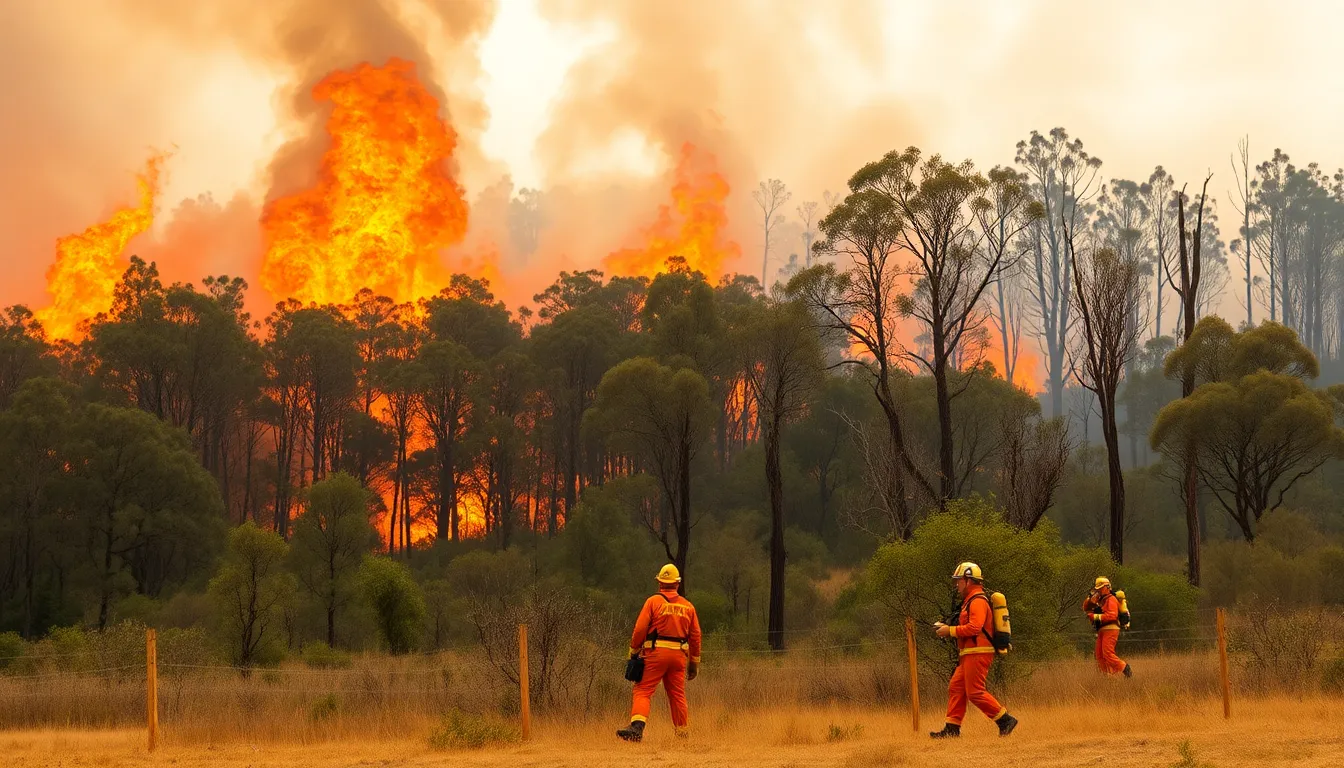
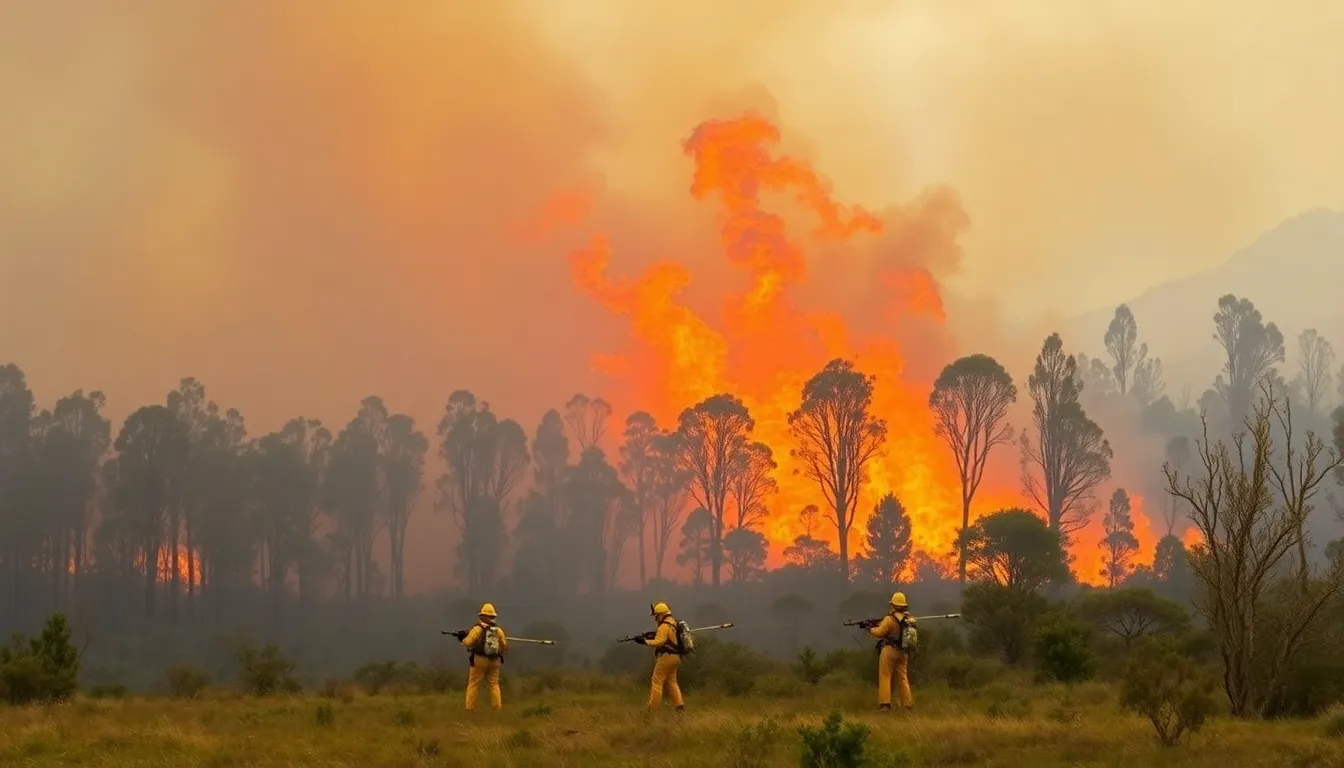
As of late October 2023, emergency services are actively battling the flames, which have been fueled by extreme weather conditions, including high temperatures and strong winds. The Australian government has deployed additional resources to assist in firefighting efforts, but challenges persist due to the ongoing dry conditions and limited access to some affected areas.
The loss of property includes homes, businesses, and critical infrastructure, which has left many residents displaced and in urgent need of assistance. Local charities and organizations have mobilized to provide support, but the scale of the disaster poses significant challenges to recovery efforts.
This situation is particularly concerning as it highlights the increasing frequency and severity of bushfires in Australia, a trend linked to climate change and environmental factors. The current crisis serves as a stark reminder of the vulnerabilities faced by communities in fire-prone areas and the need for sustainable fire management strategies.
Recommended Articles
Understanding the factors contributing to the bushfires
The recent bushfires in Australia, which have tragically resulted in one death and the destruction of over 300 buildings, can be understood within a broader context of environmental and climatic changes. Australia is known for its unique ecosystems and biodiversity, but it is also prone to extreme weather conditions, particularly during the summer months. The combination of prolonged droughts, high temperatures, and strong winds has created a perfect storm for wildfires to ignite and spread rapidly.
Historically, bushfires have been a natural part of the Australian landscape, with Indigenous Australians using fire as a land management tool for thousands of years. However, the frequency and intensity of these fires have increased significantly in recent decades, a trend that many experts attribute to climate change. Rising global temperatures have led to drier conditions, which in turn increase the likelihood of bushfires. The 2019-2020 fire season was particularly devastating, marking one of the worst bushfire seasons on record.
Political and economic factors
The political response to bushfires has also played a crucial role in shaping the current landscape. Policies regarding land management, climate change action, and resource allocation have been hotly debated in Australian politics. Economic pressures, such as the reliance on coal and other fossil fuels, have complicated efforts to address climate change effectively. Furthermore, the impact of bushfires on local economies, particularly in rural areas, highlights the urgent need for sustainable practices and disaster preparedness.
In addition to environmental and political factors, social dynamics have also influenced the bushfire crisis. Communities that are vulnerable to bushfires often lack the resources needed for effective response and recovery. The loss of homes and livelihoods not only affects individuals but also has a ripple effect on local businesses and infrastructure. As Australia grapples with these challenges, the need for comprehensive strategies that incorporate historical lessons and future planning has never been more critical.
Examining the stakeholders involved in the bushfire crisis
The recent bushfires in Australia have resulted in the tragic loss of one life and the destruction of approximately 300 buildings, bringing to light a complex web of stakeholders with varying interests and concerns. Understanding these stakeholders is crucial to grasping the broader implications of the crisis.
One of the primary stakeholders is the Australian government, which is responsible for emergency response and disaster management. Their interest lies in protecting citizens, restoring order, and ensuring public safety. Additionally, government agencies are tasked with coordinating firefighting efforts and providing aid to affected communities. However, they face challenges in resource allocation, particularly when balancing immediate response needs against long-term recovery plans.
Local communities are also significantly impacted by the bushfires. Residents who have lost homes and livelihoods are seeking immediate assistance and long-term support for rebuilding. Their interests include access to financial aid, mental health resources, and rebuilding infrastructure. The emotional toll on these communities is immense, leading to potential conflicts with governmental timelines and processes.
- Environmental organizations: These groups advocate for sustainable land management practices and may criticize government policies that contribute to fire risks.
- Insurance companies: They face economic pressures due to claims from affected homeowners, which may lead to increased premiums or changes in policy terms.
- Firefighting agencies: These organizations require adequate funding and resources to effectively combat fires, often leading to discussions about budget allocations.
The economic implications of the bushfires extend beyond immediate damages. The destruction of properties and infrastructure can lead to a decline in local economies, affecting businesses and employment. Additionally, the legal landscape surrounding land management, building codes, and insurance claims is likely to evolve as stakeholders seek to address the root causes of such devastating fires.
Assessing the impact on affected communities and infrastructure
The recent bushfires in Australia have had devastating effects, particularly on local communities, industries, and the environment. The loss of one life and the destruction of over 300 buildings highlight the urgent need for support and recovery efforts in the impacted regions. Communities in rural and suburban areas are facing immediate challenges, including displacement and loss of property.
Key groups affected include homeowners, local businesses, and emergency services. Residents have been forced to evacuate, leaving behind their homes and livelihoods. Local businesses, which rely heavily on tourism and agriculture, are experiencing significant disruptions. The agriculture sector, particularly farms in fire-prone areas, faces potential crop loss and livestock damage, which may lead to food supply shortages and increased prices.
- Displacement of families and individuals
- Economic losses for local businesses
- Increased demand for emergency services and support
- Potential long-term environmental impacts
In the short term, daily life has been severely disrupted. Schools and businesses have closed, and many residents are grappling with the psychological toll of such disasters. The need for immediate relief efforts, including food, shelter, and medical assistance, is paramount. Additionally, the strain on emergency services may hinder their ability to respond to future incidents effectively.
In the mid-term, recovery efforts will necessitate significant investment in rebuilding infrastructure and homes. This presents both risks and opportunities. While there is a potential for increased government spending on disaster recovery, which may boost local economies, there is also a risk of inadequate planning leading to future vulnerabilities. Policymakers may need to reassess land use and fire management strategies to mitigate future risks.
Furthermore, there is an opportunity for industries focused on sustainable practices and technology to emerge. Companies that specialize in fire-resistant materials and eco-friendly construction methods may find new markets. Overall, while the immediate impacts are devastating, there is potential for communities to rebuild stronger and more resilient than before.
A: The bushfires were primarily caused by extreme weather conditions, including high temperatures and strong winds, which created ideal conditions for fires to ignite and spread. A: Local authorities are deploying firefighting resources, conducting evacuations, and providing support to affected residents to manage the immediate crisis and prevent further damage. A: Authorities are reviewing land management practices, enhancing firebreaks, and investing in community education to improve preparedness for future bushfire events. A: Individuals can help by donating to relief funds, volunteering with local organizations, and spreading awareness about the ongoing situation and recovery efforts.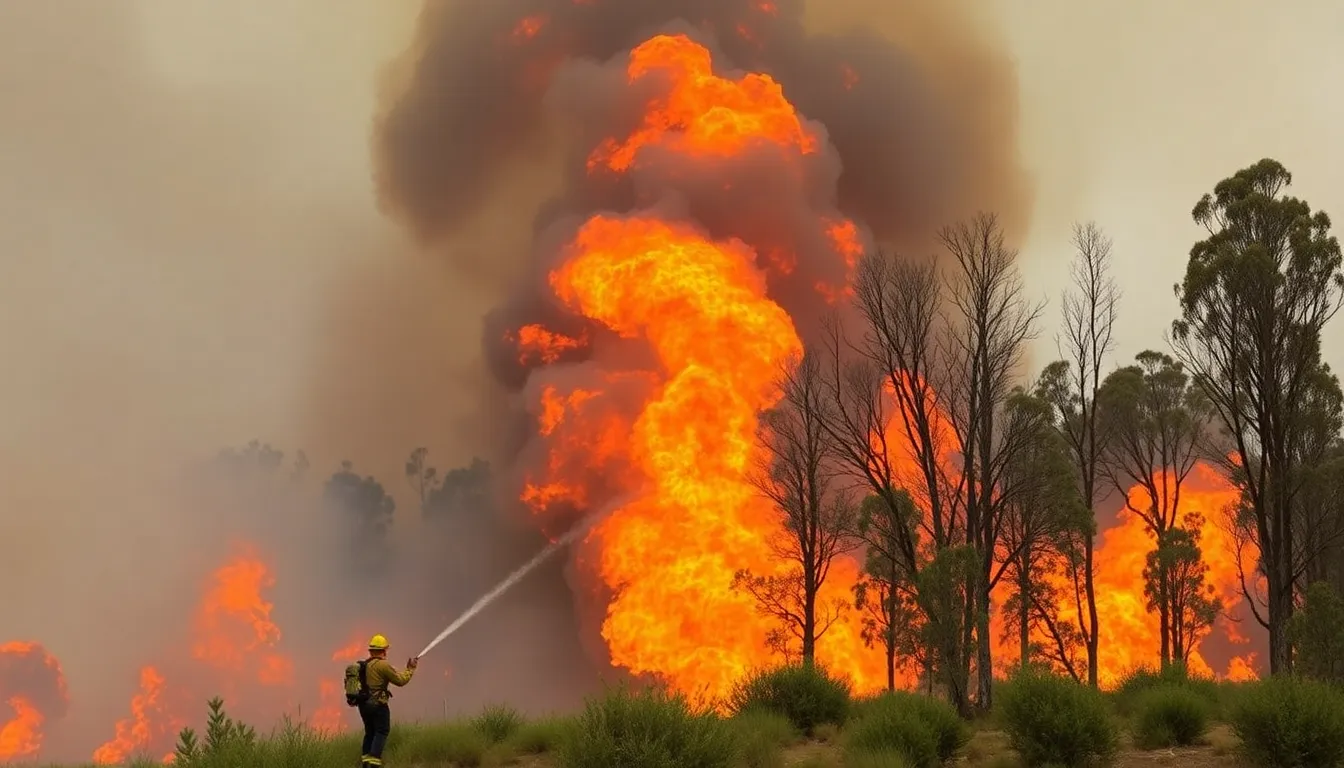
Frequently asked questions about the bushfires
Key takeaways and future outlook on bushfire management
The recent bushfires in Australia, which resulted in the tragic loss of one life and the destruction of over 300 buildings, highlight the urgent need for improved fire management strategies and community preparedness. As climate change continues to exacerbate the frequency and intensity of such events, it is crucial for policymakers, emergency services, and communities to collaborate on effective solutions that prioritize safety and resilience.
Looking ahead, there are several important factors to consider in the ongoing efforts to mitigate the impacts of bushfires. These include enhancing early warning systems, investing in sustainable land management practices, and fostering community awareness and readiness. By addressing these areas, Australia can better equip itself to handle future bushfire challenges.
- Invest in advanced technology: Utilize satellite imagery and drones for real-time monitoring and early detection of fires.
- Strengthen community engagement: Develop programs that educate residents on fire safety and preparedness measures.
- Promote sustainable land management: Implement practices that reduce fuel loads and improve ecosystem health.
- Enhance inter-agency collaboration: Foster partnerships between local, state, and federal agencies to streamline response efforts.
- Adapt infrastructure planning: Ensure that new developments consider fire risk and incorporate fire-resistant designs.