
Fire authorities are on high alert, as the extreme heat combined with dry conditions creates an environment ripe for wildfires. The Rural Fire Service in New South Wales has declared a ‘catastrophic’ fire danger rating for certain regions, leading to the implementation of precautionary measures, including the closure of parks and the restriction of outdoor activities. For more information on climate impacts on weather patterns, you can visit this article.
In addition to the fire risk, the heatwave poses significant health threats to vulnerable populations, including the elderly and those with pre-existing health conditions. Health officials are advising residents to stay hydrated, avoid outdoor activities during peak heat hours, and check on neighbors who may be at risk.
The ongoing heatwave is part of a broader trend linked to climate change, with scientists warning that such extreme weather events are likely to become more frequent and intense. The Australian government is facing increasing pressure to address climate resilience and implement strategies to mitigate the impacts of future heat events.
Understanding the factors behind the current heatwave
The recent heatwave sweeping across Australia is not an isolated event but rather a culmination of various environmental and climatic factors that have been developing over decades. Australia has a history of extreme weather patterns, influenced heavily by its geographical location and climate variability. The continent is known for its harsh summers, but the intensity and frequency of heatwaves have increased significantly in recent years, raising concerns among scientists and officials alike.
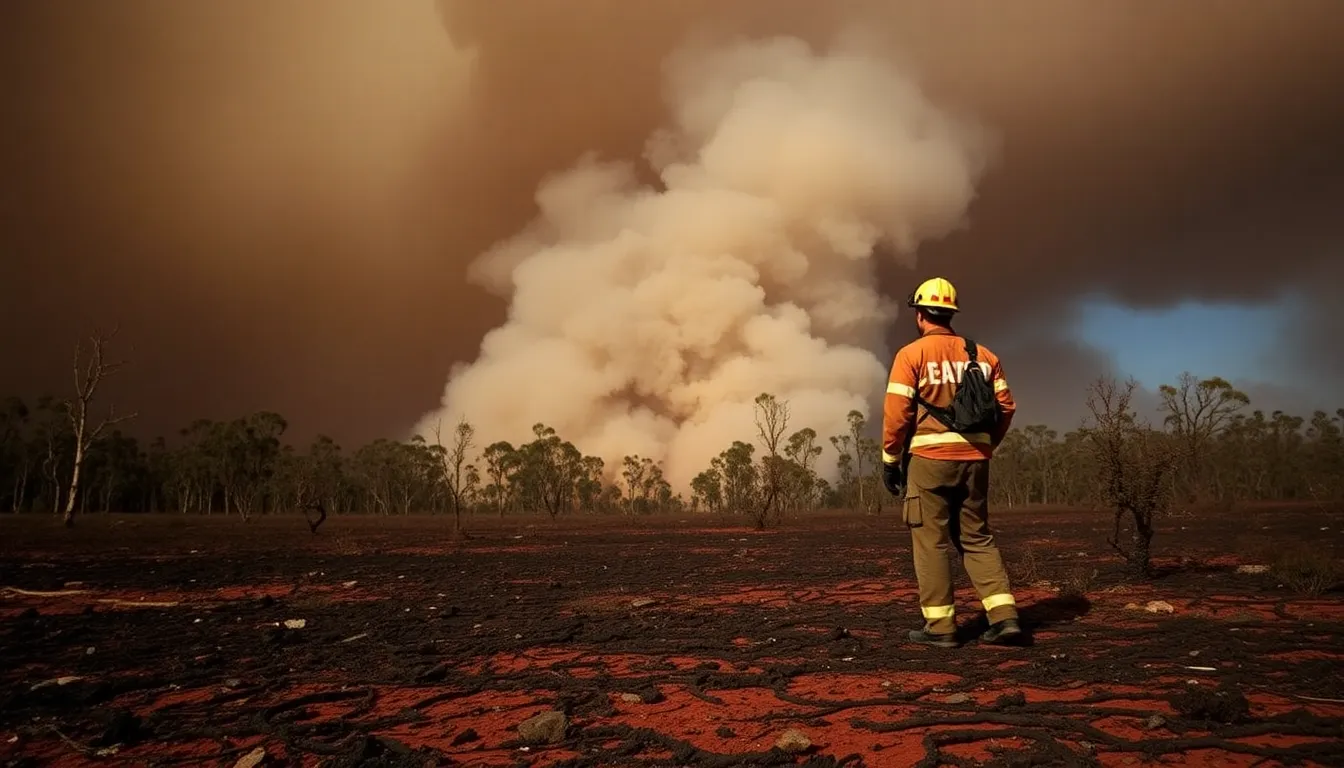
One of the primary contributors to the current heatwave is climate change. Rising global temperatures, attributed to human activities such as fossil fuel combustion and deforestation, have led to more frequent and severe heat events. According to the Bureau of Meteorology, Australia has experienced a notable increase in average temperatures over the past century, with the last few years recording some of the hottest on record. This alarming trend has prompted calls for urgent action to mitigate climate impacts and adapt to new realities. To better understand the legal implications of climate change, you may want to check out this resource.
Additionally, the El Niño phenomenon, which affects weather patterns across the globe, has been linked to the current heatwave conditions. El Niño typically leads to warmer and drier conditions in Australia, exacerbating the risk of bushfires and heat-related health issues. Historical data shows that during previous El Niño years, Australia has faced severe droughts and extreme temperatures, highlighting a pattern that seems to be repeating itself.
Historical Context of Fire Risks
Australia’s history with bushfires is deeply rooted, with Indigenous Australians using fire as a land management tool for thousands of years. However, the modern era has seen an increase in catastrophic fire seasons, particularly since the early 2000s. Major bushfire events, such as the Black Saturday fires in 2009 and the devastating 2019-2020 bushfire season, have underscored the vulnerability of ecosystems and communities to extreme heat and dry conditions. These historical precedents serve as a stark reminder of the potential consequences of the current heatwave and the urgent need for comprehensive fire management strategies.
Key stakeholders and their responses to the fire risk
The ongoing heatwave in Australia has prompted a range of responses from various stakeholders, including government agencies, environmental organizations, and local communities. Each actor has distinct interests and concerns regarding the escalating fire risk, which is exacerbated by climate change and extreme weather conditions.
Government officials, particularly those in emergency management and environmental departments, are focused on public safety and disaster preparedness. Their primary interest lies in minimizing the impact of potential wildfires on communities and ecosystems. This includes implementing fire bans, conducting controlled burns, and mobilizing resources for firefighting efforts. However, these measures often lead to conflicts with local residents who may rely on land for agriculture or recreation.
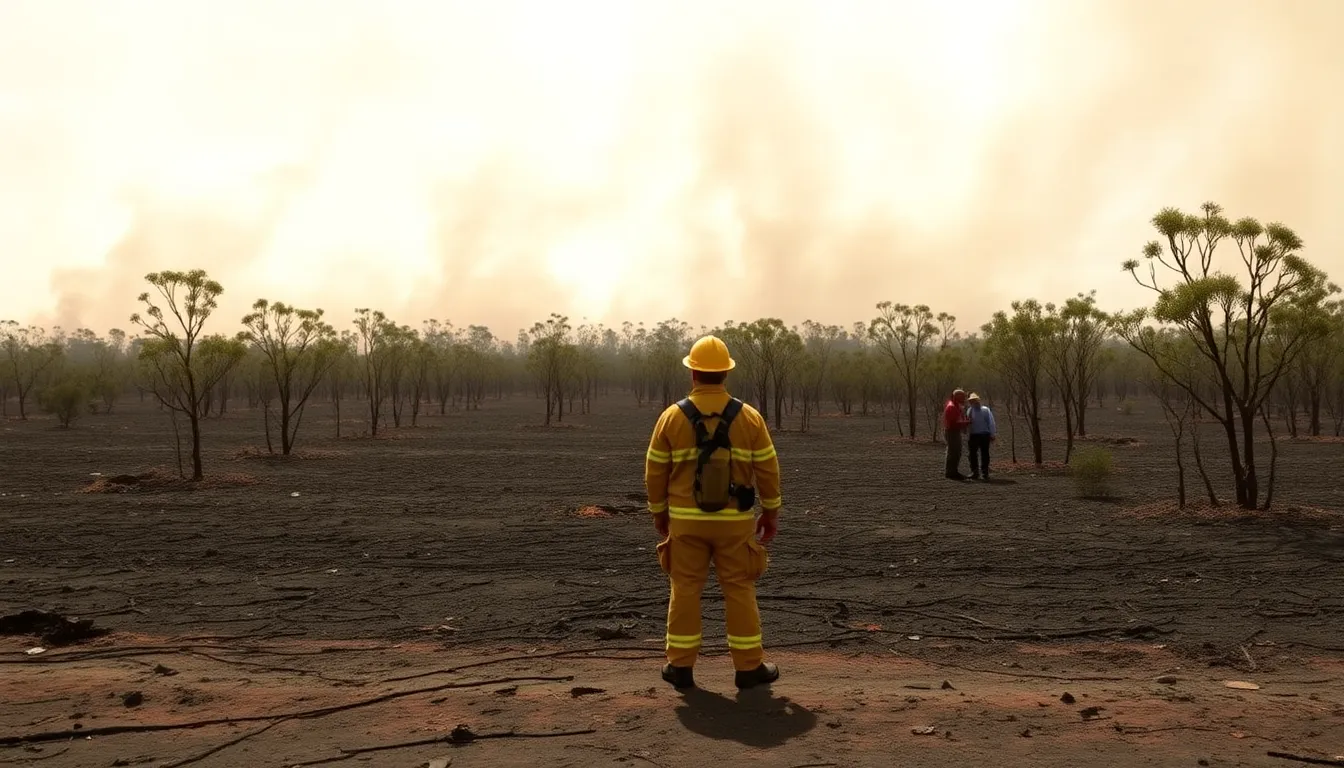
Environmental organizations are advocating for long-term solutions to mitigate climate change and enhance resilience against such extreme weather events. They emphasize the need for sustainable land management practices and greater investment in renewable energy sources. However, their calls for stricter regulations can clash with economic interests, particularly in regions dependent on fossil fuels or traditional agriculture. Such conflicts highlight the critical nature of integrating environmental strategies, which can be further explored in related discussions.
- Public Safety: Government agencies prioritize protecting citizens from fire hazards through preparedness and response strategies.
- Economic Interests: Local businesses and agricultural stakeholders face potential losses due to fire risks, leading to tensions over land use regulations.
- Environmental Advocacy: Organizations push for policies that address climate change, which may conflict with immediate economic needs.
- Community Resilience: Local communities are seeking support and resources to build resilience against future heatwaves and fire threats.
- Legal Framework: The existing legal frameworks regarding land use and environmental protection are often challenged by the need for urgent action.
In summary, the interplay between these stakeholders highlights the complexity of addressing the fire risk in Australia. The urgency of the situation necessitates a collaborative approach, balancing immediate safety concerns with long-term sustainability goals. As the heatwave continues, the potential for conflict among these interests remains high, underscoring the need for effective communication and negotiation among all parties involved.
The potential impact on communities and wildlife
The ongoing heatwave in Australia is affecting various groups, particularly those in rural and semi-urban areas where the risk of bushfires is heightened. Communities that rely on agriculture are facing immediate challenges as extreme temperatures threaten crop yields and livestock health. Additionally, vulnerable populations, including the elderly and those with pre-existing health conditions, are at increased risk due to heat-related illnesses.
Industries such as tourism may also experience fluctuations as visitors reconsider travel plans amid warnings of severe weather and fire risks. Coastal regions, usually bustling with tourists during this season, may see a decline in visitors, impacting local businesses that depend on seasonal income.
In the short term, daily life is disrupted as residents adapt to extreme heat conditions. This may result in increased energy consumption due to air conditioning use, leading to higher electricity bills and potential strain on power grids. Public health services may also experience an uptick in emergency calls related to heat exhaustion and other heat-related conditions.
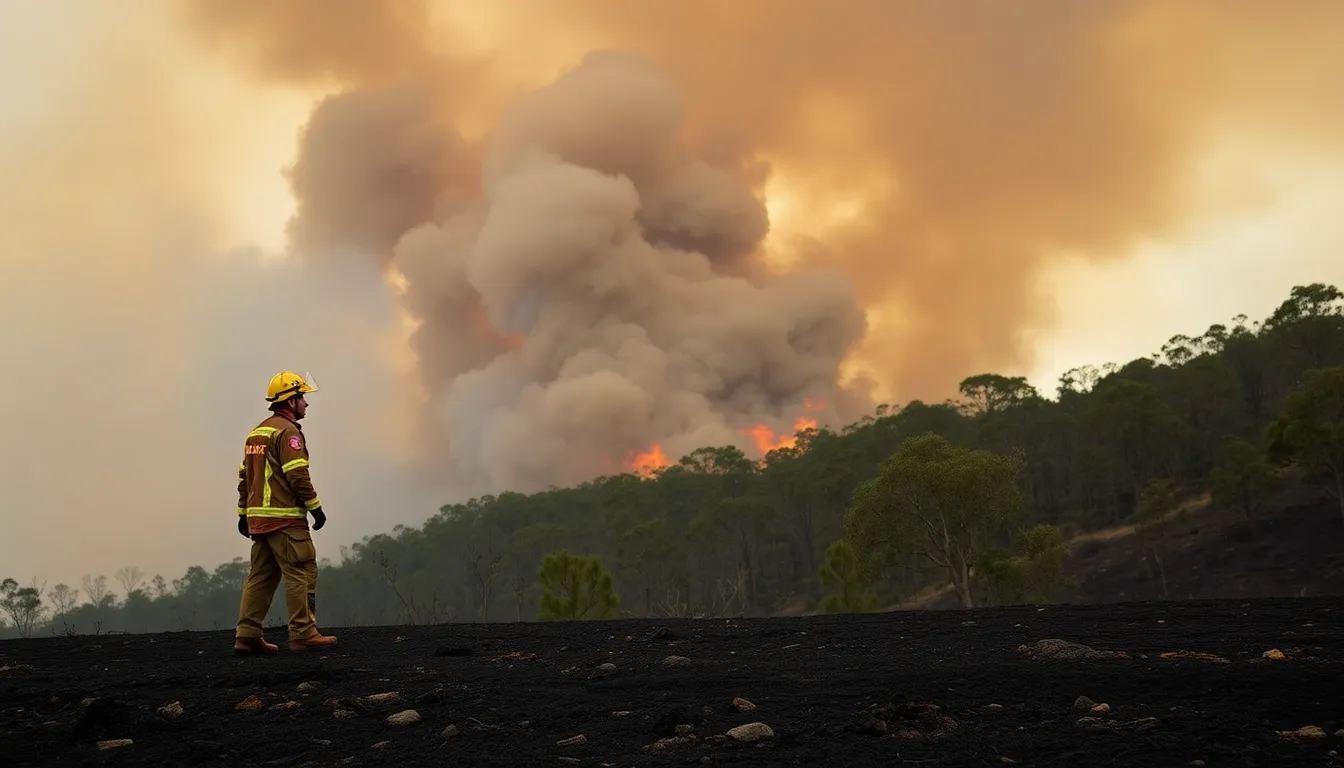
- Increased risk of bushfires threatening homes and wildlife.
- Decline in agricultural output affecting food supply and prices.
- Potential for policy changes regarding land management and fire prevention strategies.
In the mid-term, there may be opportunities for innovation in renewable energy and sustainable farming practices as communities seek to adapt to changing climate conditions. Policymakers might also prioritize funding for fire prevention measures and community education programs, fostering resilience against future heatwaves and fire risks.
A: Heatwaves in Australia are typically caused by high-pressure systems that trap hot air, leading to prolonged periods of extreme temperatures. A: Residents can prepare by staying hydrated, avoiding outdoor activities during peak heat, and ensuring their homes are cool and ventilated. A: Signs of heat-related illnesses include dizziness, excessive sweating, rapid pulse, and confusion. It’s crucial to seek medical attention if these symptoms occur. A: Authorities are implementing controlled burns, increasing fire patrols, and educating the public on fire safety to mitigate wildfire risks during the heatwave. A: Yes, local governments have established evacuation plans and emergency shelters for communities at high risk of fire due to the heatwave.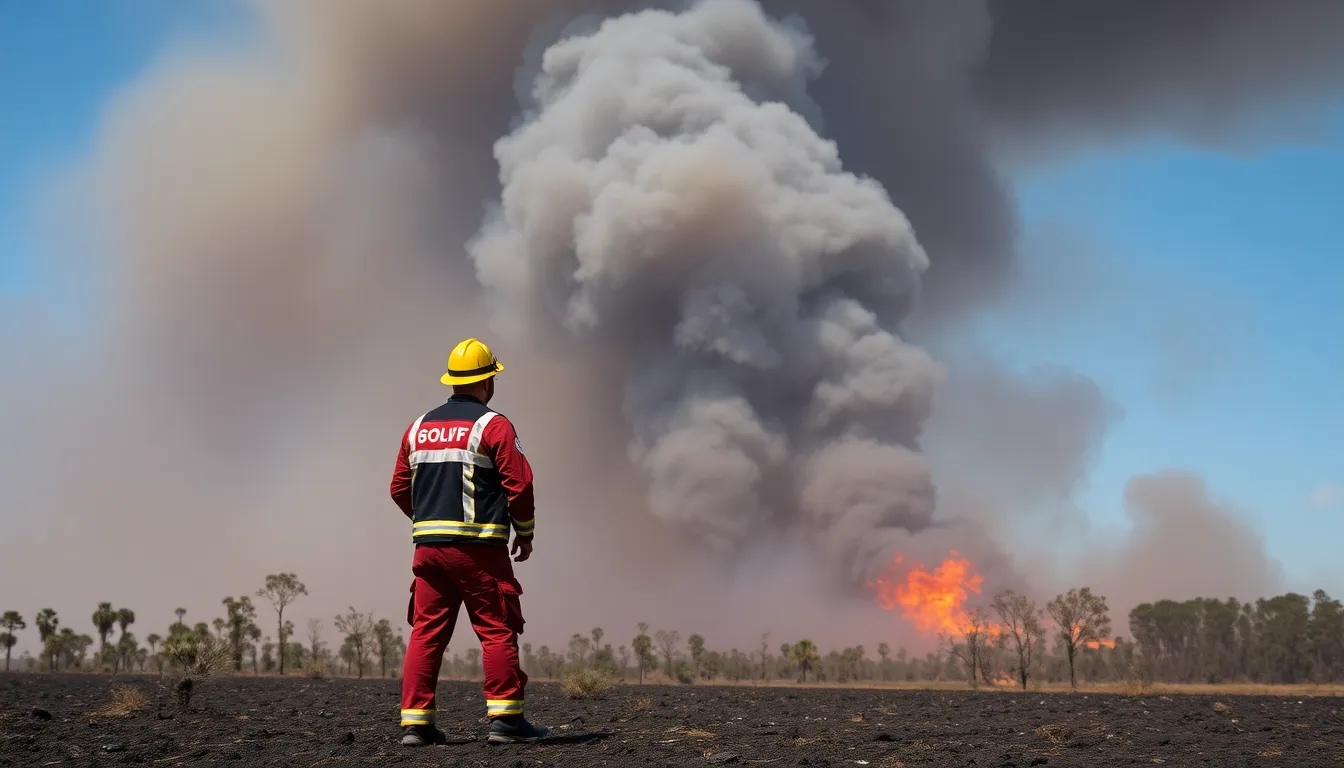
Frequently asked questions about the heatwave
Outlook on the heatwave and fire risk management
The current heatwave in Australia has raised significant concerns regarding the potential for catastrophic fire risks. As temperatures soar, the combination of dry conditions and strong winds creates an environment ripe for wildfires, necessitating heightened vigilance from both officials and the public. Understanding the dynamics of this situation is crucial for effective risk management and preparedness.
Looking ahead, it will be essential for communities to remain informed about local conditions and heed warnings from authorities. The proactive measures taken now can mitigate the impact of wildfires, preserving both life and property. Continuous monitoring of weather patterns and fire activity will be key in navigating the challenges posed by this extreme weather event.
- Stay informed: Regularly check local weather updates and fire warnings to stay aware of changing conditions.
- Emergency preparedness: Develop and review emergency plans, ensuring all family members understand evacuation routes and safety protocols.
- Community engagement: Participate in local fire safety programs and initiatives to contribute to collective preparedness efforts.
- Resource management: Be mindful of water usage and other resources during the heatwave to support local conservation efforts.
- Long-term strategies: Advocate for and support policies aimed at improving infrastructure and fire management practices to better cope with future heatwaves.