
Amidst the chaos, a man was killed when a large tree fell onto his caravan in a camping area. Emergency services responded promptly to the scene, but despite their efforts, the man was pronounced dead at the location. The incident has raised concerns about the safety of temporary structures during extreme weather events.
This tragic event underscores the risks associated with severe weather, particularly in areas prone to falling trees and debris. Local authorities have urged residents and visitors to remain vigilant and take precautions during storm warnings, emphasizing the importance of heeding safety advisories.
The impact of Storm Goretti extends beyond this unfortunate incident, as communities across Cornwall and other affected regions are now assessing the damage and beginning recovery efforts. The loss of life serves as a stark reminder of the potential dangers posed by natural disasters, prompting discussions on how to better prepare for such events in the future.
Understanding Storm Goretti and its impact on Cornwall
Storm Goretti, one of the most severe weather systems to hit the UK in recent years, brought with it intense winds and heavy rainfall that wreaked havoc across several regions, particularly Cornwall. The storm’s arrival was preceded by a series of adverse weather conditions that had already left the area vulnerable, highlighting the growing concern over climate change and its effects on local ecosystems and infrastructure.
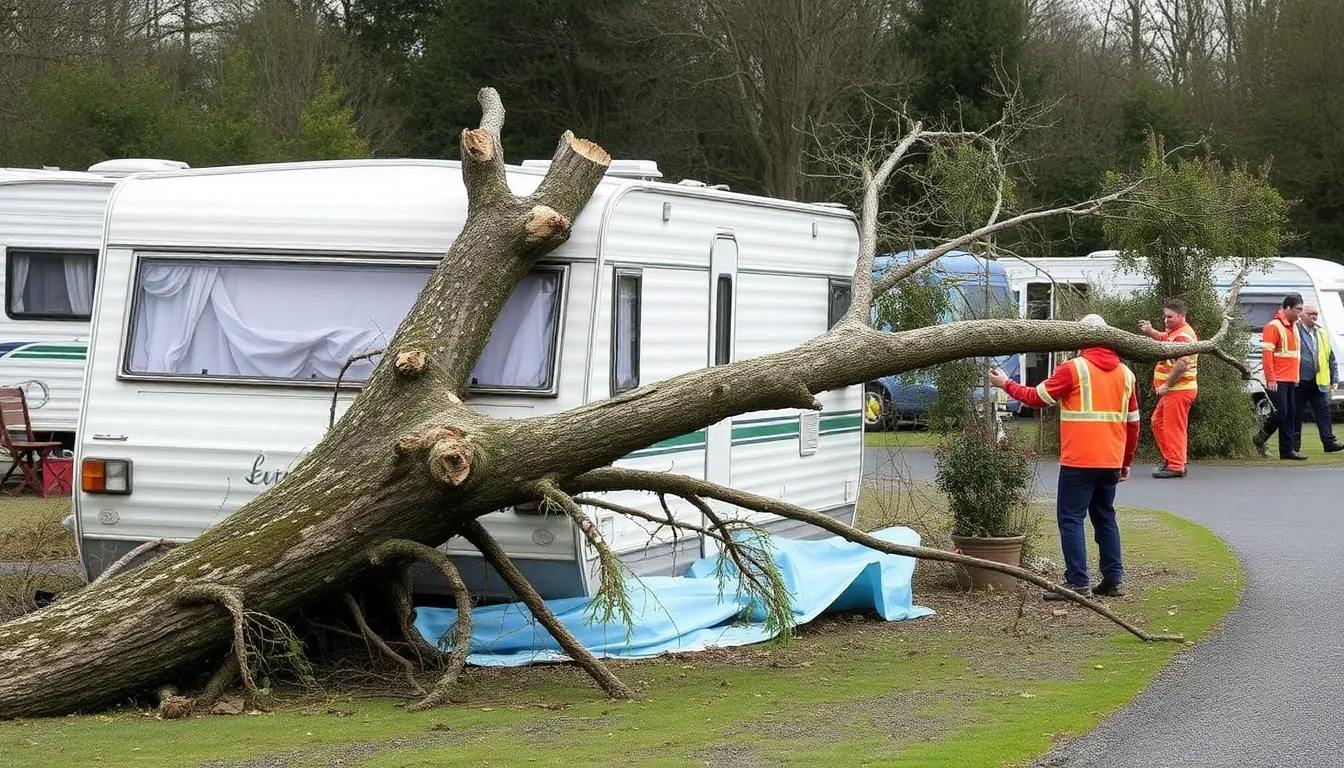
Historically, Cornwall has faced its share of extreme weather events, but the frequency and intensity of storms have increased in recent decades. This trend raises questions about the adequacy of local preparedness and response strategies. The region’s reliance on tourism and agriculture makes it particularly susceptible to the economic repercussions of such weather events, leading to increased scrutiny of environmental policies and land management practices.
In the wake of Storm Goretti, the tragic incident involving the caravan illustrates the potential dangers posed by falling trees during severe weather. Past events, such as the 1987 Great Storm, have shown that trees can become hazardous in high winds, prompting discussions about the management of urban and rural forestry. Local authorities have been urged to reassess their tree management policies to prevent similar tragedies in the future.
The Role of Local Government and Community Preparedness
Local governments play a critical role in disaster preparedness and response. In Cornwall, community resilience initiatives have been developed to better equip residents for extreme weather events. However, the effectiveness of these measures is often tested during severe storms, revealing gaps in communication and resource allocation. The need for enhanced collaboration between local authorities, emergency services, and community groups has never been more apparent, especially in light of the recent loss of life.
Examining the implications for caravan safety and emergency response
The tragic incident in Cornwall, where a man lost his life due to a tree falling on a caravan during Storm Goretti, highlights several critical stakeholders and issues surrounding caravan safety and emergency preparedness. The main actors involved include local government authorities, emergency services, caravan owners, and the broader community affected by severe weather events.
Local government authorities have a vested interest in ensuring the safety of residents and visitors, particularly in areas prone to extreme weather. Their responsibilities include maintaining public spaces, conducting risk assessments, and implementing safety regulations for caravan parks. The incident raises questions about whether adequate measures were in place to protect occupants of caravans during severe weather conditions.
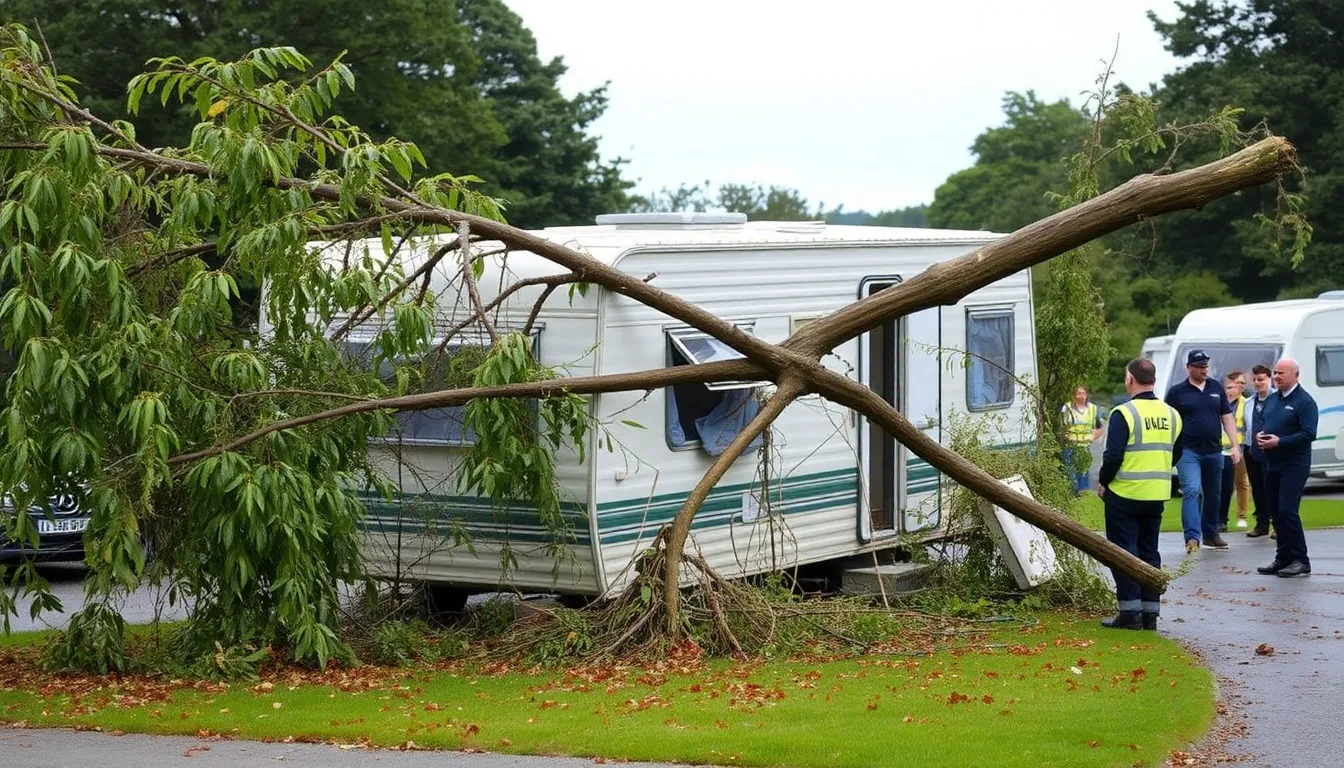
Emergency services, including fire and rescue teams, play a crucial role in responding to such incidents. Their ability to quickly assess and manage emergencies is vital for minimizing harm. However, the increasing frequency of severe weather events poses challenges for these services, potentially leading to resource strain and delayed response times. This situation necessitates a reevaluation of emergency response protocols and resource allocation.
Caravan owners and the caravan industry itself are also significant stakeholders. They have a direct interest in the safety standards of their vehicles and the locations where they are parked. The incident may prompt calls for stricter regulations regarding caravan park safety, as well as improvements in infrastructure to withstand extreme weather. This could lead to financial implications for both the industry and individual owners.
- Increased scrutiny of caravan park safety regulations: The need for more stringent safety measures may arise, impacting operational costs for park owners.
- Public awareness of emergency preparedness: The incident may lead to greater emphasis on educating the public about safety protocols during severe weather.
- Potential legal ramifications: The family of the deceased may seek legal recourse, prompting discussions on liability and accountability.
- Resource allocation for emergency services: Authorities may need to reassess funding and resources to better prepare for future weather-related emergencies.
The repercussions for local residents and the caravan community
The tragic incident involving the death of a man after a tree fell on a caravan in Cornwall has sent shockwaves through the local community. Residents are grappling with the immediate emotional impact and the realization of the inherent risks associated with living in areas prone to severe weather. The caravan community, in particular, faces heightened concerns about safety and the structural integrity of their homes.
In the short term, local businesses, especially those in the tourism and caravan rental sectors, may experience a decline in visitor numbers as potential tourists reconsider their plans. The psychological impact on visitors and residents alike can lead to a decrease in outdoor activities and an increase in demand for safety measures, such as inspections and tree management services.
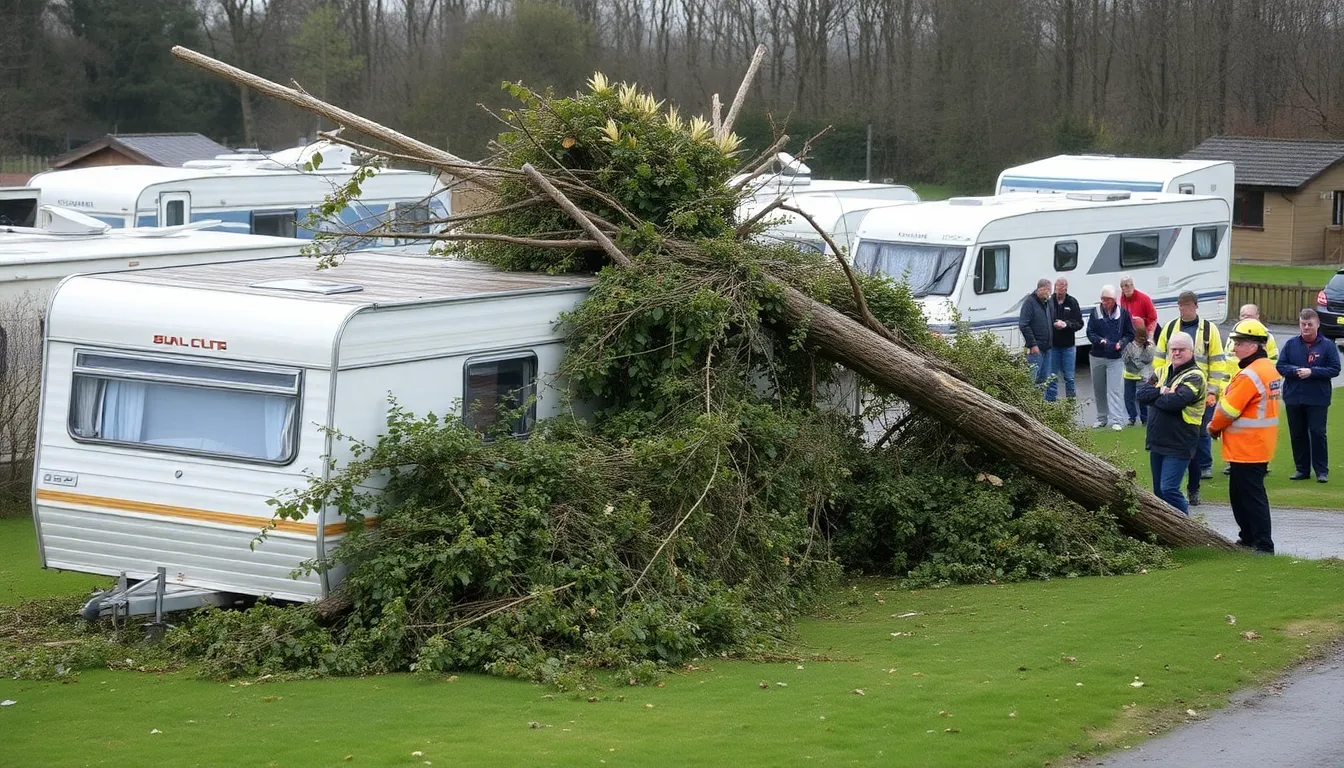
Mid-term effects may include a shift in local policies regarding land management and safety regulations. Authorities might implement stricter guidelines for tree maintenance and emergency preparedness, which could lead to increased operational costs for local businesses. Additionally, the community may advocate for more robust support systems in the wake of such tragedies, potentially influencing local government funding priorities.
- Increased safety concerns among residents and visitors.
- Potential decline in tourism and local business revenue.
- Changes in local policies regarding tree management and safety regulations.
- Opportunities for local businesses offering safety and maintenance services.
While the risks are significant, there are also potential opportunities for local industries to adapt. Businesses may find new avenues for growth by providing enhanced safety measures and services, such as tree assessments and emergency response training. This tragedy could serve as a catalyst for community engagement and resilience, encouraging residents to come together to address safety concerns and support one another in recovery efforts.
A: The tree was uprooted by strong winds associated with Storm Goretti, which affected many areas in Cornwall. A: At this time, reports indicate that the man was the only casualty, but authorities are assessing the situation for further impacts. A: Caravan parks typically have protocols to alert residents about severe weather and may advise them to evacuate if conditions become dangerous. A: Residents are encouraged to stay informed about weather forecasts, secure outdoor items, and have emergency plans in place. A: Local authorities and community organizations often provide support services for families affected by such tragedies.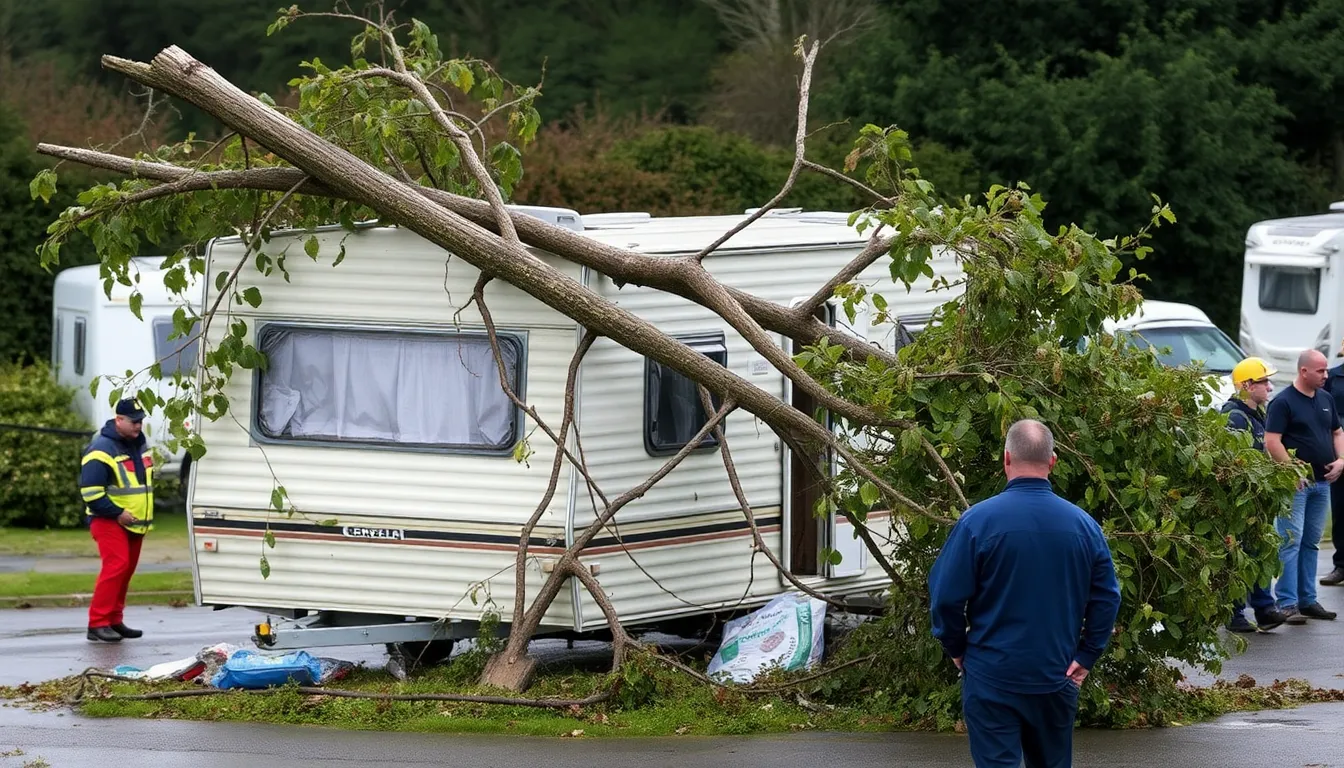
Frequently asked questions about the incident
Key takeaways and future considerations regarding storm safety
The tragic incident in Cornwall highlights the significant risks posed by severe weather events, particularly in areas with dense vegetation and high winds. As climate change continues to influence weather patterns, communities must prioritize preparedness and safety measures to mitigate the impact of such storms. This event serves as a stark reminder of the potential dangers of falling trees and the need for proactive risk assessments in vulnerable areas.
Moving forward, it is essential for local authorities and residents to reassess their emergency response strategies and infrastructure resilience. Investing in better monitoring of tree health and implementing community education programs on storm safety can help reduce the likelihood of similar tragedies in the future.
- Increased focus on tree management and maintenance in storm-prone areas.
- Enhanced public awareness campaigns about storm preparedness and safety protocols.
- Collaboration between local governments and environmental experts to assess risks and improve response plans.
- Development of clear communication channels for timely alerts during severe weather events.
- Encouragement of community engagement in disaster preparedness initiatives.