
The decision to pursue Guinea citizenship is significant not only for the actors but also for the broader conversation around identity and heritage in the African diaspora. Good and Majors expressed a deep desire to reconnect with their roots and contribute positively to the community in Guinea. Their announcement comes at a time when many individuals of African descent are exploring their ancestral ties and seeking to reclaim their cultural heritage.
This move is also noteworthy given the increasing visibility of African nations in global conversations about culture and identity. Guinea, known for its rich history and diverse cultures, could benefit from the attention brought by these high-profile actors. The involvement of celebrities in such initiatives often highlights the importance of heritage and can inspire others to explore their own backgrounds.
The actors plan to visit Guinea in the coming months to formalize their citizenship and engage with local communities. This visit is expected to include cultural exchanges and discussions on potential collaborations in the arts. As Good and Majors embark on this new chapter, their journey reflects a growing trend among public figures to embrace and celebrate their African ancestry.
Recommended Articles
- Owen Cooper clarifies his identity to Timothée Chalamet
- Elon Musk's 2025 recap on chaos and wealth
- Sarah Jessica Parker discusses future projects and reflects on Diane Keaton's legacy
- Exploring the Landscape of Binge-watching Christmas Films in 2025
- Woman Shares How Late James Ransone Saved Her From Assault
- Owen Cooper clarifies his identity to Timothée Chalamet
- Elon Musk's 2025 recap on chaos and wealth
- Sarah Jessica Parker discusses future projects and reflects on Diane Keaton's legacy
- Exploring the Landscape of Binge-watching Christmas Films in 2025
- Woman Shares How Late James Ransone Saved Her From Assault
Understanding the significance of ancestry and citizenship in Guinea
The recent announcement that US film stars Meagan Good and Jonathan Majors are set to become citizens of Guinea after undergoing DNA tests highlights a growing trend of individuals seeking to reconnect with their ancestral roots. This phenomenon is particularly poignant in the context of Guinea, a West African nation with a rich cultural heritage and a complex history shaped by colonialism, migration, and the African diaspora.
Guinea, which gained independence from France in 1958, has been a focal point for discussions surrounding identity and belonging. The country is home to a diverse population with various ethnic groups, each contributing to the nation’s unique cultural tapestry. The significance of ancestry in Guinea is deeply rooted in traditional practices and communal ties, often influencing social standing and personal identity.

In recent years, there has been an increasing interest among African Americans in tracing their lineage back to Africa. This interest is fueled by a desire to reclaim lost heritage and establish connections to ancestral homelands. Guinea, with its historical ties to the transatlantic slave trade, offers a meaningful destination for many individuals seeking to understand their roots. The process of obtaining citizenship through DNA testing has become a symbolic act of reconnection for those who feel a cultural and historical bond to the land.
The Role of DNA Testing in Citizenship
DNA testing has emerged as a powerful tool for individuals exploring their ancestry, allowing them to uncover familial connections that may have been severed by generations of displacement. In Guinea, the government has recognized the potential of this trend and has started to formalize pathways for descendants of Guineans abroad to claim citizenship. This initiative not only strengthens ties with the diaspora but also promotes a sense of national pride and cultural revival.
As Meagan Good and Jonathan Majors prepare to embark on this journey, their decision reflects broader societal shifts regarding identity and belonging. Their story resonates with many who are navigating similar paths of discovery and connection, ultimately highlighting the enduring significance of heritage in shaping individual and collective identities in a globalized world.
Exploring the implications of celebrity involvement in national identity
The recent announcement that US film stars Meagan Good and Jonathan Majors are seeking to become citizens of Guinea after undergoing DNA tests has sparked significant interest and debate. This situation brings to light various stakeholders, including the celebrities themselves, the government of Guinea, and the broader African diaspora. Each has distinct interests that could influence the outcomes of this unprecedented move.
Meagan Good and Jonathan Majors, as prominent figures in the entertainment industry, may be motivated by a desire to connect with their ancestral roots and promote cultural heritage. Their involvement could also be seen as a strategic move to enhance their personal brands and visibility within the global context of African identity. However, their celebrity status raises questions about the sincerity of their intentions and the potential commodification of national identity.
The government of Guinea may view this development as an opportunity to boost its international profile and attract tourism or investment. By welcoming high-profile individuals, Guinea can position itself as a nation that values its diaspora and is open to global engagement. However, this could also lead to tensions within the country, where citizenship and national identity are sensitive topics, particularly regarding issues of who qualifies for citizenship and the implications of dual nationality.
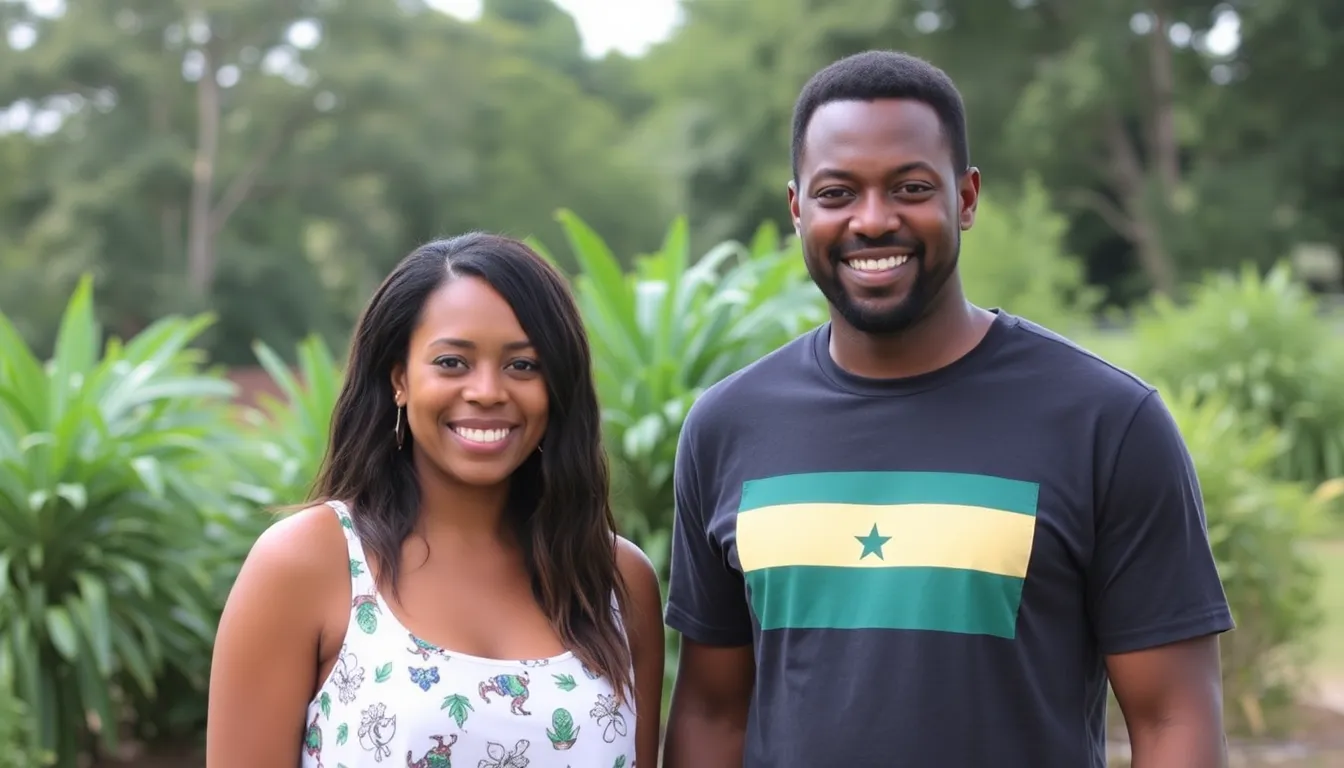
- Identity and Heritage: The celebrities’ actions may inspire others in the diaspora to explore their ancestral ties, potentially leading to a cultural renaissance.
- Economic Impact: Increased attention to Guinea could lead to economic opportunities, but it may also raise concerns about exploitation of local resources.
- Legal Considerations: The process of acquiring citizenship may involve complex legal frameworks that could affect both the individuals and the Guinean government.
- Public Perception: The response from the Guinean public could vary, with some viewing the celebrities as ambassadors and others as outsiders.
- Political Ramifications: This situation may influence Guinea’s political landscape, particularly in discussions around immigration and national identity.
In summary, the involvement of Meagan Good and Jonathan Majors in Guinea’s citizenship process highlights a multitude of interests and potential conflicts. As the situation unfolds, it will be essential to monitor how these dynamics evolve and what they mean for both the celebrities and the nation they wish to join.
Potential effects on Guinea’s image and diaspora relations
The decision of US film stars Meagan Good and Jonathan Majors to become citizens of Guinea following DNA tests has significant implications for various groups and industries. The entertainment industry, particularly in Africa, may experience a surge in interest and investment as global stars align themselves with the continent. This could enhance Guinea’s visibility on the world stage, potentially attracting more filmmakers and artists to explore opportunities within the region.
In the short term, this move could foster a sense of pride among the Guinean diaspora, encouraging them to reconnect with their roots and invest in their home country. The engagement of high-profile figures may stimulate tourism, as fans and followers of Good and Majors may wish to visit Guinea to explore its culture and heritage. This could lead to increased economic activity in sectors such as hospitality and local crafts.
However, there are also risks associated with this newfound attention. The pressure to meet the expectations of international audiences could lead to challenges in maintaining authentic cultural representation. Additionally, there may be concerns about the commodification of Guinea’s identity, as the influx of tourism could strain local resources and infrastructure.
- Increased tourism: Potential rise in visitors interested in Guinea’s culture.
- Investment in local arts: Opportunities for local filmmakers and artists to collaborate.
- Community pride: Strengthening ties among the Guinean diaspora.
- Cultural risks: Concerns about authenticity and resource strain.
In the mid-term, the presence of Meagan Good and Jonathan Majors in Guinea could lead to policy discussions around cultural preservation and tourism management. The government may be prompted to develop strategies that balance economic benefits with the need to protect local traditions and communities. This could set a precedent for future engagements with the diaspora, encouraging more individuals to explore their heritage and invest in their ancestral homes.
A: They discovered their ancestral roots in Guinea through DNA testing, which has inspired them to connect with their heritage and gain citizenship. A: While it may not directly impact their careers, it highlights their commitment to cultural heritage, which could influence their public image and projects. A: Guinea allows individuals with ancestral ties to apply for citizenship, often requiring documentation of lineage and a formal application. A: Benefits include the ability to live and work in Guinea, as well as a deeper connection to their cultural roots and potential involvement in local initiatives. A: Yes, several celebrities have explored their ancestry and sought citizenship in countries linked to their heritage, promoting cultural awareness.
Frequently asked questions about the citizenship process
Key takeaways and future implications of this development
The decision by Meagan Good and Jonathan Majors to pursue citizenship in Guinea following their DNA tests highlights a growing trend among individuals in the entertainment industry seeking deeper connections to their ancestral roots. This move not only reflects personal identity exploration but also signals a potential shift in how African nations can attract diasporic talent and investment.
As more public figures take similar steps, it may foster increased awareness and interest in African cultures, ultimately contributing to a broader dialogue about heritage and belonging. Observers should consider the implications for cultural exchange and the role of celebrity in influencing social narratives surrounding identity.
- This development may inspire other celebrities to explore their own ancestral ties, potentially leading to a rise in dual citizenship applications from the diaspora.
- Guinea could enhance its global visibility and attractiveness as a destination for cultural tourism and investment, fueled by the involvement of high-profile figures.
- The intersection of celebrity and heritage may encourage discussions about the importance of cultural identity in a globalized world.
- Future collaborations between artists from the diaspora and local talents in Guinea could emerge, enriching both communities creatively and economically.