
Real estate listings show a rise in the number of homes marketed with saunas, with several properties featuring these amenities reported in key urban and rural areas. For instance, regions like the Cotswolds and the Scottish Highlands have seen a spike in listings, highlighting the appeal of homes that combine luxury with wellness. This shift reflects a broader trend towards prioritizing lifestyle choices in property purchases.
According to recent data from property platforms, homes with saunas have experienced a price premium, with some listings showing an increase of up to 15% compared to similar homes without such features. This trend underscores the value that buyers place on wellness amenities, indicating a potential long-term shift in buyer preferences. Real estate agents are now advising sellers to consider adding wellness features to enhance property appeal.
The rise in popularity of sauna-equipped homes is also influencing new construction trends, with developers increasingly incorporating wellness features into their designs. This shift is not only catering to buyer demand but also aligning with a broader movement towards sustainable and health-focused living environments. As the market evolves, it will be interesting to see how these trends shape the future of residential properties in the UK, especially as the demand for health and wellness features increases.
The growing popularity of saunas in residential properties
In recent years, the trend of incorporating saunas into residential properties has gained significant traction in England and Scotland. This surge in popularity can be attributed to a growing awareness of health and wellness benefits associated with regular sauna use. As people increasingly prioritize self-care and mental well-being, having a sauna at home has become an appealing feature for many prospective buyers.
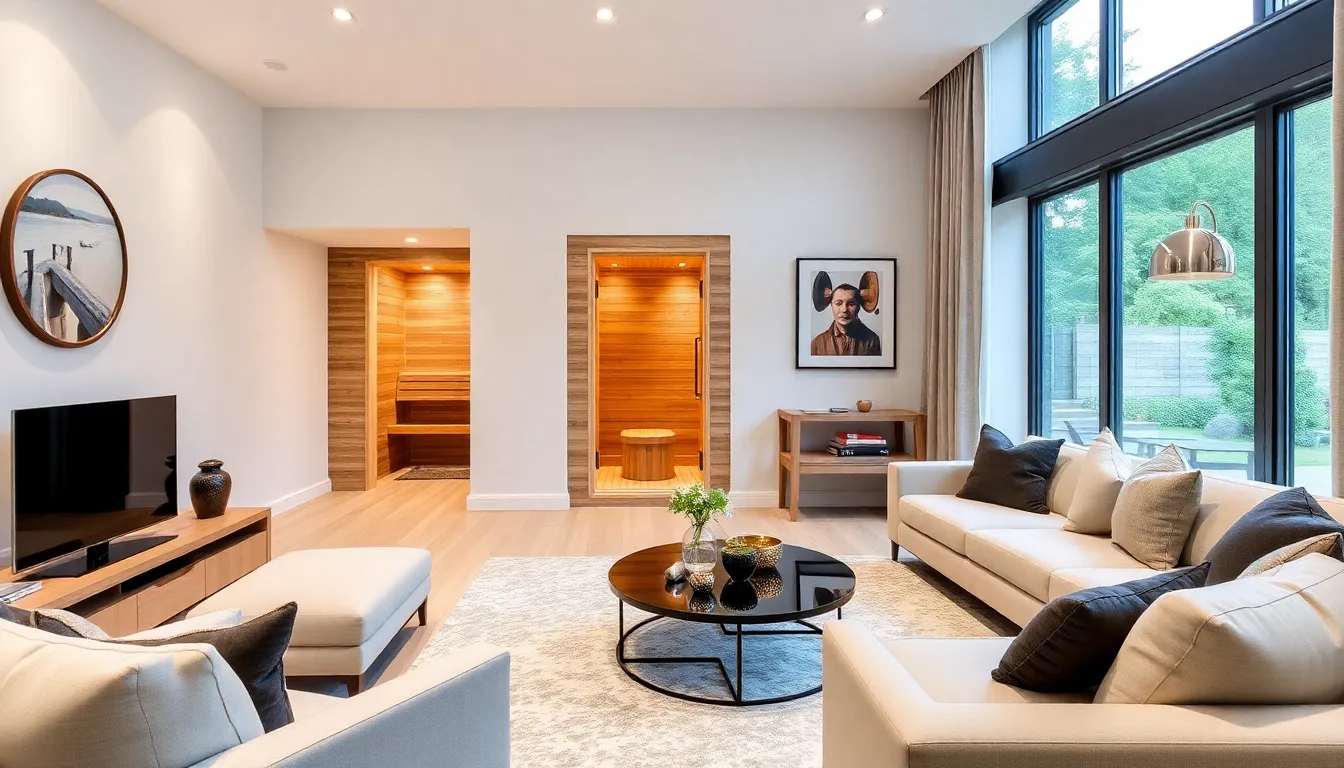
The historical roots of sauna culture can be traced back to Finland, where saunas have been an integral part of life for centuries. The traditional Finnish sauna, known for its steam and heat, has been embraced globally, influencing the design and functionality of modern saunas. In the UK, this trend has evolved, with many homeowners now seeking to replicate the soothing experience of a sauna within their own living spaces.
Economic Factors Driving Demand
The economic landscape has also played a crucial role in the rise of home saunas. With an increasing number of individuals working from home, especially during the COVID-19 pandemic, there has been a heightened focus on creating personal wellness retreats within the home. This shift has led to a surge in renovations and home improvements, with saunas being a sought-after addition. Real estate agents have noted that properties featuring saunas often attract higher offers, making them a lucrative investment for homeowners.
Moreover, the rise of eco-conscious living has prompted many to seek sustainable and energy-efficient sauna options. Manufacturers have responded to this demand by developing modern saunas that utilize innovative materials and technology, making them more accessible and appealing to a broader audience. As a result, the presence of saunas in homes has transformed from a luxury to a desirable standard feature in many residential listings.
As this trend continues to grow, it reflects a broader societal shift towards prioritizing health, wellness, and personal space. The integration of saunas into homes not only enhances the living experience but also aligns with contemporary values surrounding self-care and holistic well-being.
Key factors driving demand for sauna-equipped homes
The growing interest in wellness and self-care has significantly influenced the real estate market, particularly in England and Scotland. Buyers are increasingly seeking homes that offer features promoting relaxation and health benefits, with saunas becoming a desirable amenity. This trend is not only about luxury but also reflects a shift in lifestyle priorities, especially following the pandemic, as more people turn to self-care practices at home.
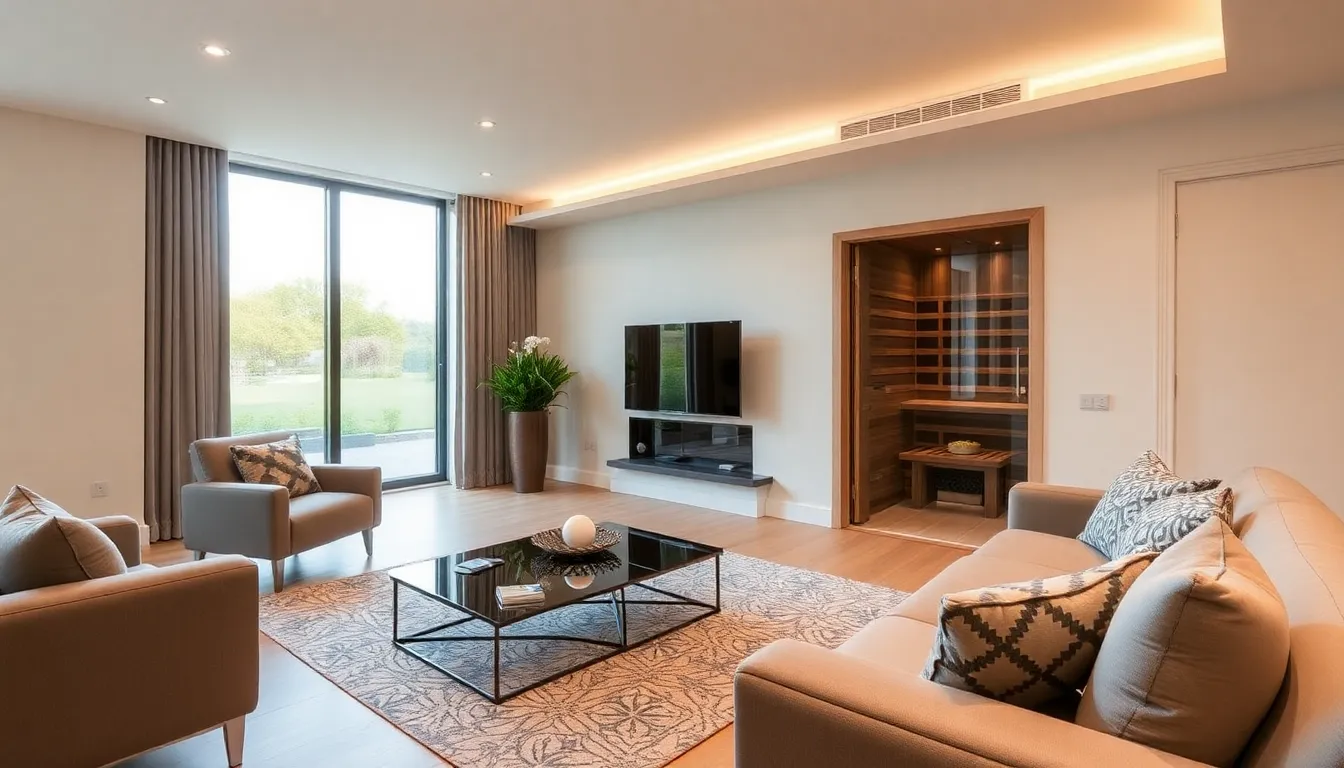
Key stakeholders in this market include homebuyers, real estate agents, property developers, and local governments. Homebuyers are typically health-conscious individuals or families looking for ways to enhance their living environment. Real estate agents play a critical role in marketing these properties, while developers are tasked with incorporating such features into new builds or renovations. Local governments may also influence this trend through zoning laws and building regulations.
However, the demand for sauna-equipped homes is not without its challenges. The primary issues include the cost of installation and maintenance, which can deter some buyers. Furthermore, there are potential conflicts regarding property values; homes with saunas may be overvalued in certain markets, leading to price disparities. Additionally, there are environmental considerations, as the energy consumption associated with saunas can raise concerns about sustainability.
- Cost Implications: The financial burden of adding a sauna can be significant, impacting overall home affordability.
- Market Variability: The desirability of sauna-equipped homes can vary widely between urban and rural areas, affecting market dynamics.
- Regulatory Challenges: Compliance with local building codes and regulations can complicate the installation of saunas.
- Health and Wellness Trends: The increasing focus on health may drive demand, but it also raises questions about the longevity of this trend.
- Environmental Impact: The energy use associated with saunas may conflict with growing concerns over sustainability in housing.
How sauna homes are influencing buyer decisions and market dynamics
The growing interest in wellness and self-care has led to a surge in demand for homes equipped with saunas in England and Scotland. This trend is particularly appealing to health-conscious buyers and those seeking a luxurious lifestyle. As a result, various groups, including real estate agents, home builders, and wellness industry professionals, are feeling the impact of this emerging market segment.
In the short term, the increase in demand for sauna-equipped homes is likely to drive up property prices in certain regions, particularly in affluent areas where wellness amenities are highly sought after. Real estate agents may benefit from this trend as they adapt their marketing strategies to highlight these unique features. Additionally, home builders may see an opportunity to incorporate saunas into new developments, catering to the evolving preferences of buyers.
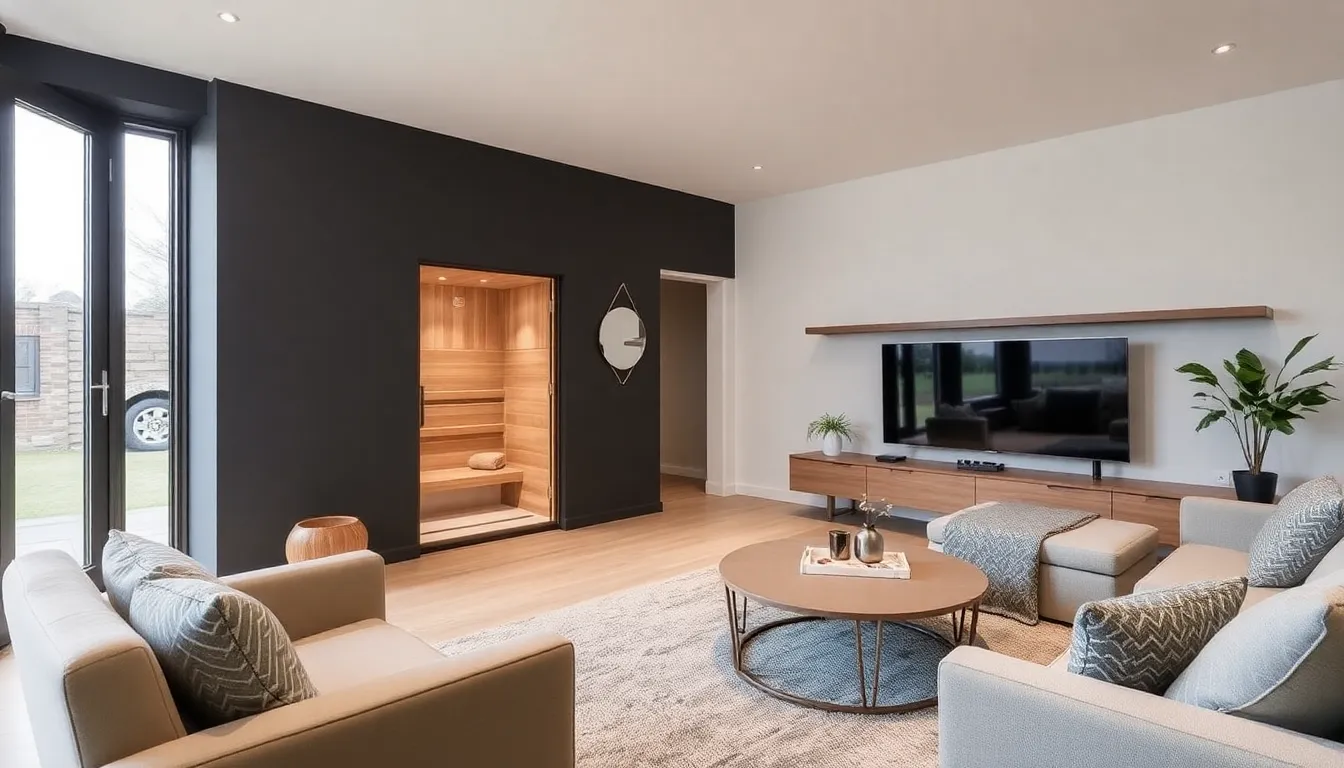
However, there are risks associated with this trend. The increased focus on wellness features could lead to a disparity in the housing market, where properties without such amenities may struggle to attract buyers. This could result in a slowdown for certain segments of the market, particularly in areas where saunas are less common. Furthermore, rising property prices may push some potential buyers out of the market, limiting access to homeownership.
- Increased property values: Homes with saunas may see a significant rise in market value.
- Shifts in buyer demographics: Younger generations and health-conscious individuals are becoming primary buyers.
- Potential for new construction trends: Builders may prioritize wellness amenities in future projects.
- Market disparities: Homes without wellness features may face decreased interest and value.
In the mid-term, the integration of wellness features like saunas into homes could lead to changes in local policies, as municipalities may consider regulations surrounding home amenities and energy efficiency. This shift could encourage sustainability practices in home construction and renovation, aligning with broader environmental goals. Ultimately, while the sauna trend presents risks, it also opens doors for innovation and growth in the real estate market.
A: Saunas offer numerous health benefits, including relaxation, improved circulation, and detoxification. They can also enhance the overall value of a property. A: Generally, homes with saunas can be priced higher due to the added luxury and appeal. However, prices vary based on location and other amenities. A: Regular maintenance includes cleaning the sauna, checking the heater, and ensuring proper ventilation. It’s important to follow the manufacturer’s guidelines for upkeep. A: Yes, saunas can be enjoyed in various climates, but they are particularly popular in colder regions where they provide warmth and relaxation. A: Yes, many homeowners choose to install saunas in their existing spaces, such as basements or backyards, as long as there is adequate plumbing and electrical access.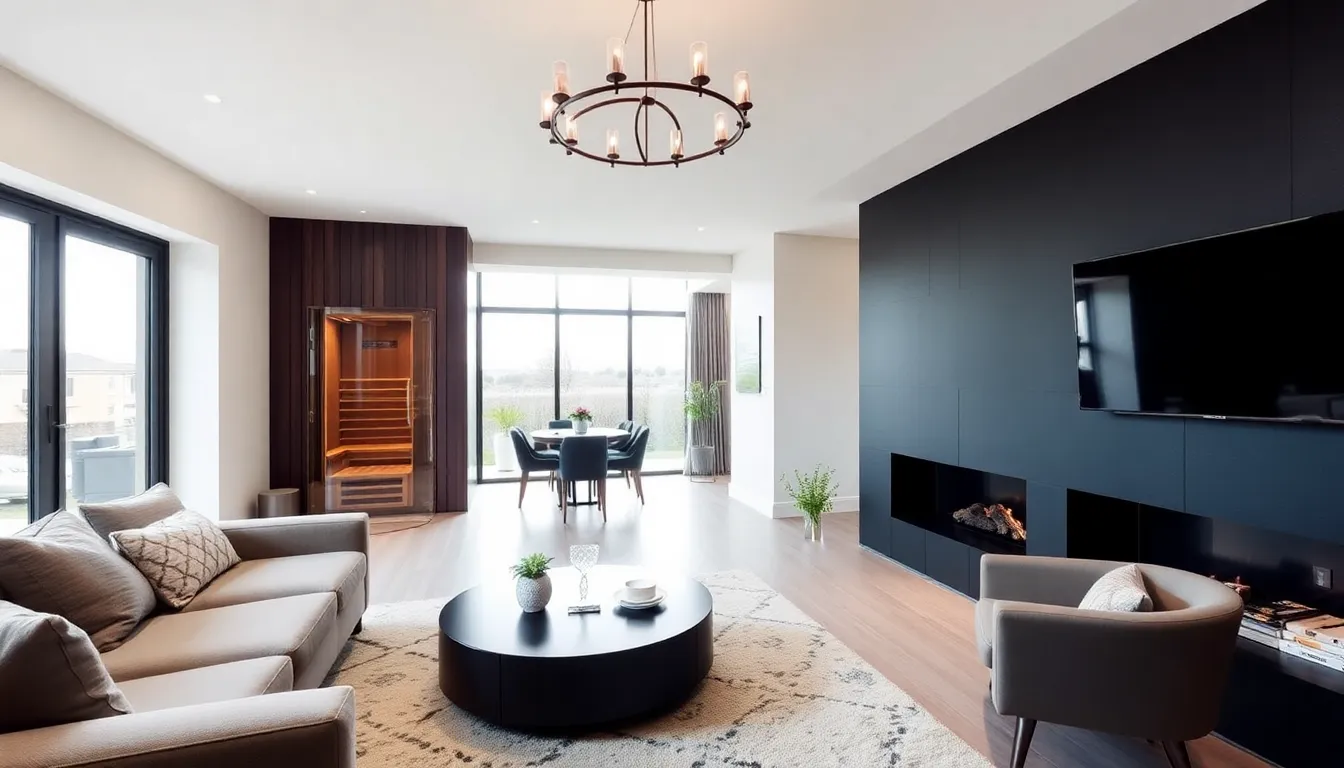
Frequently asked questions about homes with saunas
Future outlook for sauna homes in the property market
The growing interest in wellness and home amenities suggests that properties featuring saunas are likely to gain traction in the competitive real estate landscape of England and Scotland. As more buyers prioritize health and relaxation within their living spaces, the demand for homes equipped with saunas may increase, potentially influencing property values and market trends.
Furthermore, as the concept of home wellness continues to evolve, properties with unique features such as saunas could stand out in listings, attracting buyers who are willing to invest in lifestyle-enhancing features. This trend may also encourage developers to incorporate wellness amenities into new builds, reshaping the market to cater to this emerging demand.
- Increased interest in wellness-oriented homes could drive up property values for sauna-equipped listings.
- Buyers may prioritize homes with saunas as part of their search criteria, impacting market dynamics.
- Developers might begin to integrate wellness features into new constructions to meet evolving consumer preferences.
- Properties with saunas may appeal to a niche market, offering investment opportunities for savvy buyers.
- The trend could lead to a broader acceptance of wellness amenities as standard features in future home designs.