
The protests, which have drawn significant international attention, have seen thousands of Iranians take to the streets, demanding greater freedoms and an end to government repression. In response to the unrest, Iranian authorities have employed violent tactics to suppress dissent, leading to numerous casualties among protesters. These events echo the sentiments revealed in Venezuela’s Oil Is a Focus of Trump’s Campaign Against Maduro.
Trump’s comments reflect a broader concern among U.S. officials regarding human rights violations in Iran. The former president’s statement was made during a recent rally in October 2023, where he emphasized the need for the U.S. to stand up for those fighting for their rights globally.
The implications of U.S. intervention could be significant, potentially straining diplomatic relations with Iran further. As tensions rise, the international community is closely monitoring the situation, with calls for accountability and support for the Iranian people’s demands continuing to grow, similar to the international response seen in the case of Indiana Republicans rejecting efforts to redraw voting maps in rebuke to Trump.
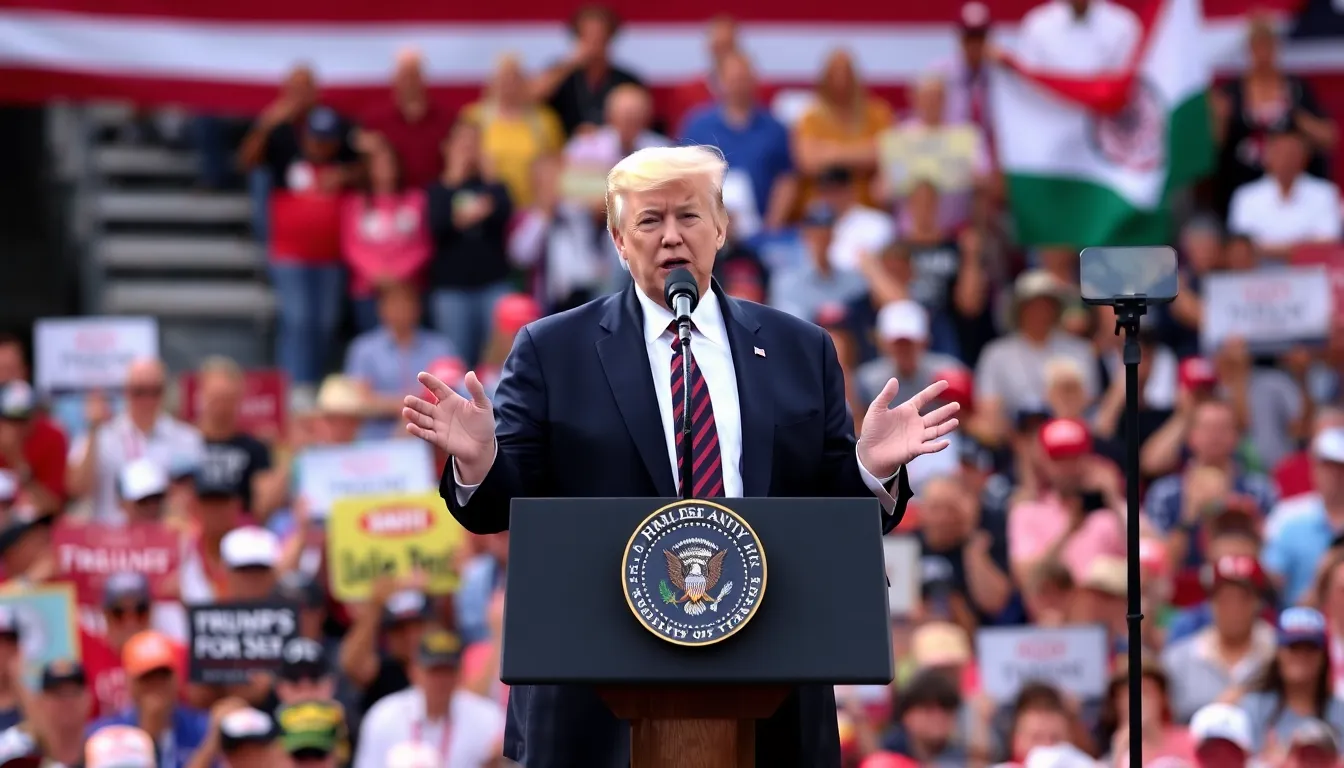
Understanding the protests in Iran and their significance
The protests in Iran have emerged as a significant response to a combination of political repression, economic hardship, and social dissatisfaction. Sparked by the death of Mahsa Amini in September 2022, who was detained by the morality police for allegedly violating Iran’s strict dress code, these demonstrations have evolved into a broader movement calling for fundamental changes in the Iranian regime. The public outcry against Amini’s death galvanized various segments of society, uniting both women and men in a struggle for greater freedoms and rights.
Historically, Iran has experienced waves of protests, notably the 1979 Islamic Revolution, which led to the establishment of the current theocratic regime. The regime’s continued suppression of dissent and economic mismanagement has contributed to widespread discontent. Over the years, sanctions imposed by the U.S. and its allies, particularly in response to Iran’s nuclear program and support for militant groups, have exacerbated economic woes, leading to high inflation and unemployment rates. This economic backdrop provides a fertile ground for protests as citizens increasingly voice their frustration.
The Role of International Response
The international community’s response to the Iranian protests has varied, with some nations expressing solidarity with the protesters while others remain cautious due to geopolitical considerations. The U.S. has historically taken a strong stance against the Iranian government, often using rhetoric that supports the Iranian people’s right to protest. Trump’s recent statement regarding potential U.S. intervention if Iran continues to kill protesters signals a shift in rhetoric that could have significant implications for U.S.-Iran relations and the broader Middle East stability.
Moreover, the Iranian government’s violent crackdown on protestors has drawn widespread condemnation, yet it continues to employ harsh measures to maintain control. The historical context of previous protests, such as the Green Movement in 2009, illustrates a pattern of state violence against dissent, raising concerns about the potential for escalation. As the situation unfolds, the interplay between domestic unrest and international diplomatic pressures will be critical in shaping Iran’s future.
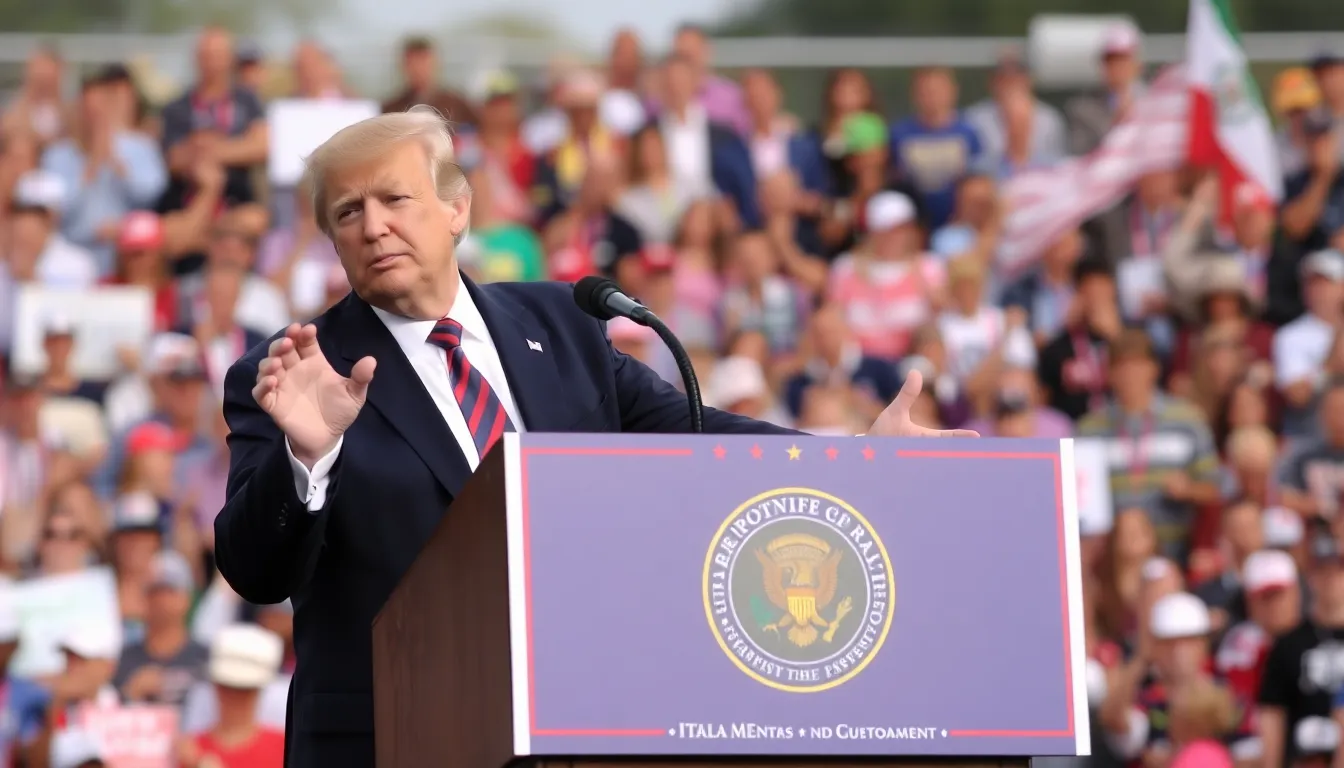
Key stakeholders and implications of U.S. involvement
The recent statement by former President Donald Trump regarding potential U.S. intervention in Iran has reignited discussions about the complex web of stakeholders involved. Key actors include the U.S. government, Iranian authorities, human rights organizations, and the Iranian populace, each with distinct interests and concerns.
The U.S. government, particularly under the leadership of current and former officials, seeks to uphold human rights and promote stability in the region. However, this stance raises questions about the legality and implications of military intervention, especially considering past interventions that have led to prolonged conflicts and instability.
On the other hand, the Iranian government faces internal pressure from citizens protesting against their regime’s actions. These protests often center around issues of human rights and governance, which the Iranian authorities may view as a direct threat to their power. The potential for U.S. intervention could embolden protesters but also provoke a harsh crackdown from Iranian security forces.
- U.S. Interests: Promoting democracy and human rights in Iran.
- Iranian Government Interests: Maintaining control and suppressing dissent.
- Human Rights Organizations: Advocating for the safety and rights of Iranian protesters.
- Regional Implications: Potential destabilization of the Middle East if U.S. intervention occurs.
- Global Reactions: International community’s response to U.S. actions and Iran’s internal policies.
The trade-offs involved in U.S. intervention are significant. While it could provide immediate support to protesters, it may also lead to increased tensions between the U.S. and Iran, further complicating diplomatic relations. Additionally, the economic ramifications of sanctions or military actions could adversely impact both nations and their allies, much like the economic challenges discussed in tributes for Robertson, highlighting the far-reaching impacts of political actions.
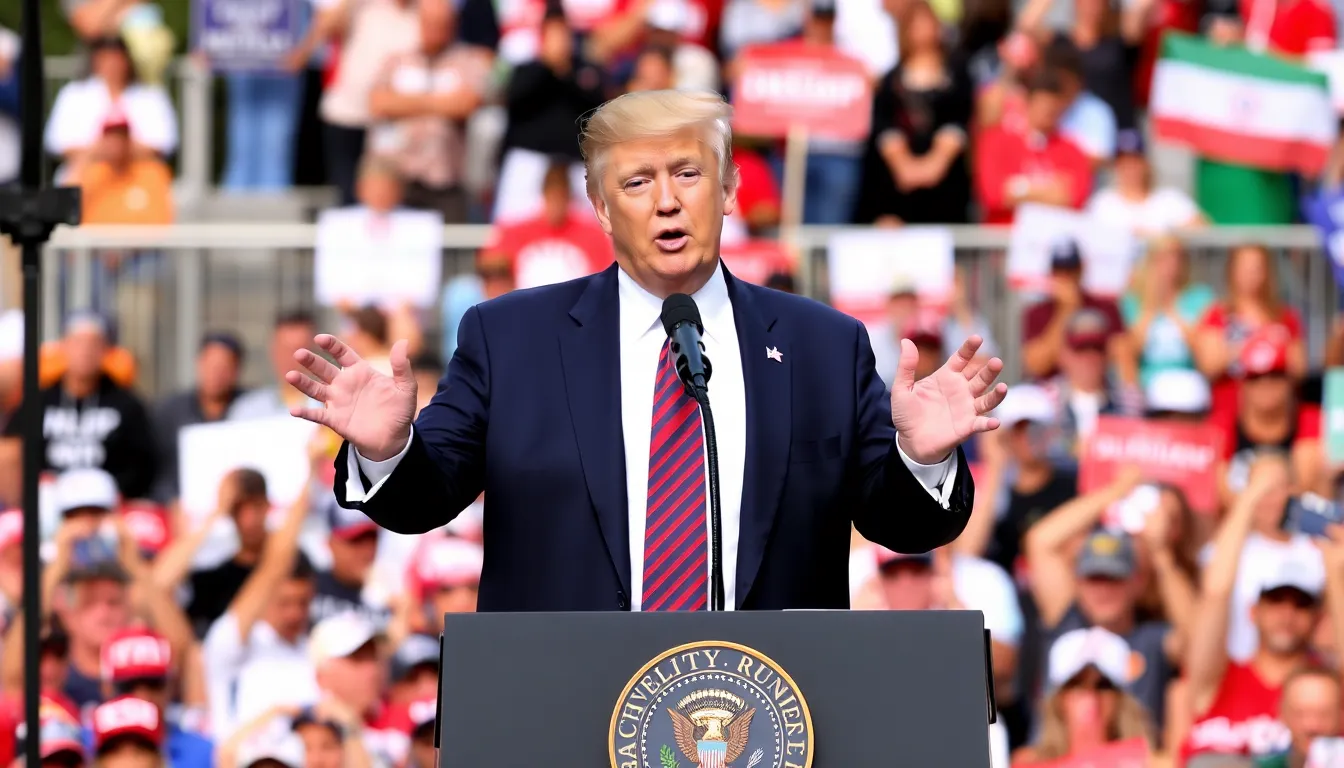
Potential effects on U.S.-Iran relations and regional stability
The announcement by President Trump regarding potential U.S. intervention in Iran has significant implications for various stakeholders. Key groups affected include Iranian citizens, particularly protesters, U.S. government officials, and international businesses operating in or with ties to Iran. Additionally, neighboring countries in the Middle East may experience increased instability due to heightened tensions.
In the short term, the immediate impact on daily life for Iranian protesters could be profound. Increased international scrutiny may embolden protesters, but it could also lead to harsher crackdowns from the Iranian government. For U.S. citizens and businesses, the prospect of intervention may create uncertainty, affecting travel plans and investment decisions in the region.
In the mid-term, the potential for U.S. intervention could reshape U.S.-Iran relations, leading to either a thaw in diplomatic ties or further alienation. Businesses in sectors such as energy, technology, and defense may see shifts in market conditions, with some facing risks of sanctions while others could find new opportunities in defense contracts or humanitarian aid initiatives.
- Risks: Increased military conflict could disrupt oil markets and lead to higher prices globally.
- Opportunities: Companies specializing in security and defense may see a surge in demand for their services.
- Regional Impact: Neighboring countries may face an influx of refugees or increased military presence from the U.S.
Overall, the ramifications of Trump’s statement extend beyond diplomatic circles, influencing everyday life, business operations, and policy decisions in both the U.S. and Iran, with a delicate balance between risk and opportunity hanging in the balance.
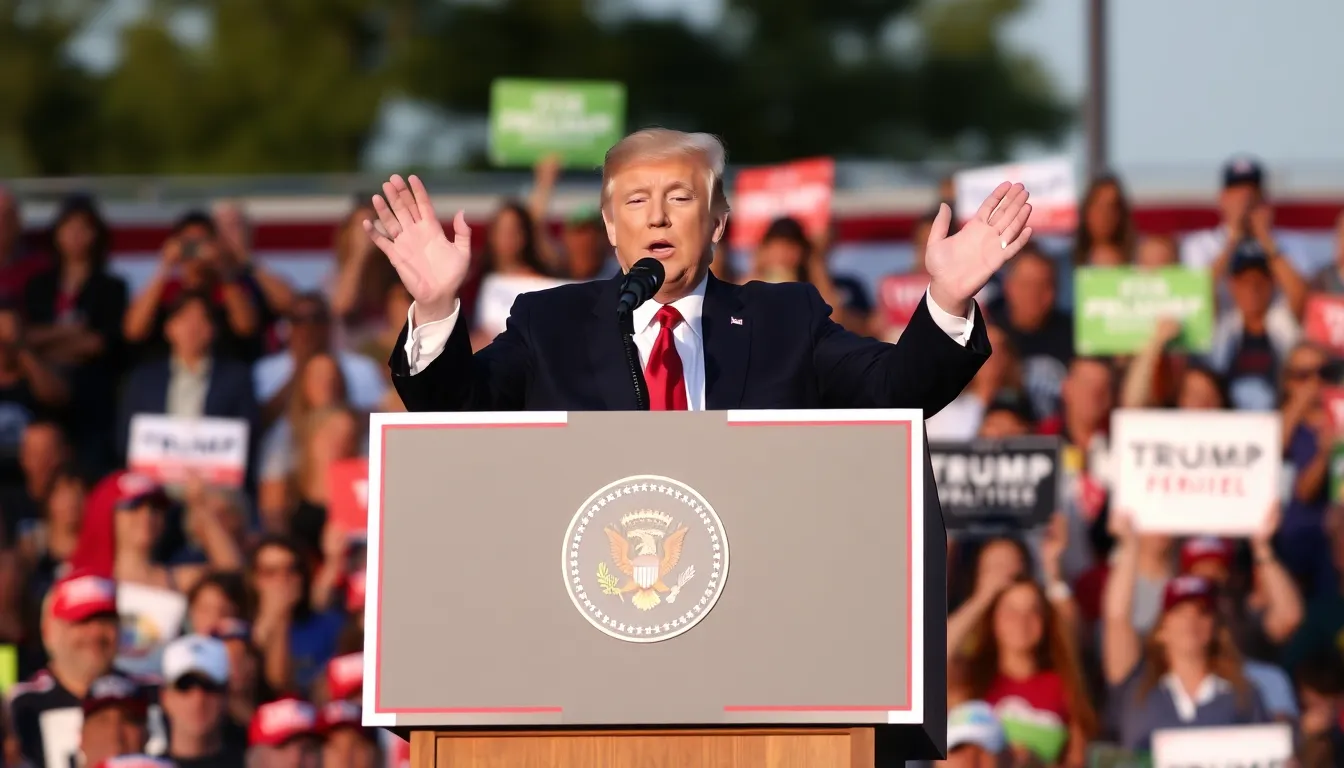
Frequently asked questions about U.S. intervention in Iran
A: Trump’s warning came in response to reports of violent crackdowns on protesters in Iran, raising concerns about human rights violations.
A: Possible U.S. interventions could range from diplomatic pressure to economic sanctions or even military options, depending on the situation’s escalation.
A: U.S. intervention could lead to heightened tensions between the two nations, potential retaliation from Iran, and broader implications for regional stability.
A: Many countries have expressed concern over the treatment of protesters in Iran, with some calling for international oversight and support for human rights.
Looking ahead: implications of Trump’s warning
Trump’s statement regarding potential U.S. intervention in Iran highlights a significant shift in the administration’s foreign policy stance, particularly concerning human rights and international diplomacy. As protests in Iran continue and the government’s response becomes increasingly violent, the U.S. may feel compelled to take a more active role in addressing these human rights violations. This could lead to a complex interplay between military, diplomatic, and economic strategies as the situation evolves.
Furthermore, the implications of such intervention extend beyond Iran, potentially affecting U.S. relations with other nations in the region and altering the dynamics of global geopolitical alliances. Observers should remain vigilant as the situation unfolds, considering the broader ramifications of U.S. involvement in Iran’s internal affairs.
- Monitor U.S. diplomatic communications with Iran to assess the likelihood of intervention.
- Watch for changes in military readiness and deployment in the region as tensions escalate.
- Consider the impact on U.S. relations with allies and adversaries as the situation develops.
- Evaluate the potential for sanctions or other economic measures against Iran in response to human rights violations.
- Stay informed about the reactions of Iranian protesters and the government’s response to international pressure.