
The company, known for its logistics software solutions, initiated the layoffs in early October 2023, impacting various departments.
Workers have highlighted that while communications to employees in other regions included mentions of AI initiatives, similar messages to the Chinese workforce were notably absent. This discrepancy has raised questions about the company’s transparency and inclusivity in its corporate messaging.
Stakeholders and analysts are closely monitoring the situation, as WiseTech’s approach to layoffs and internal communication could have significant implications for employee morale and the company’s reputation in the competitive tech market. The unfolding scenario underscores the importance of clear and consistent communication during organizational changes.
Understanding the backdrop of WiseTech’s decision-making process
This decision, while not uncommon in the tech industry, has raised eyebrows particularly due to the omission of the term ‘AI’ in communications directed at Chinese employees.
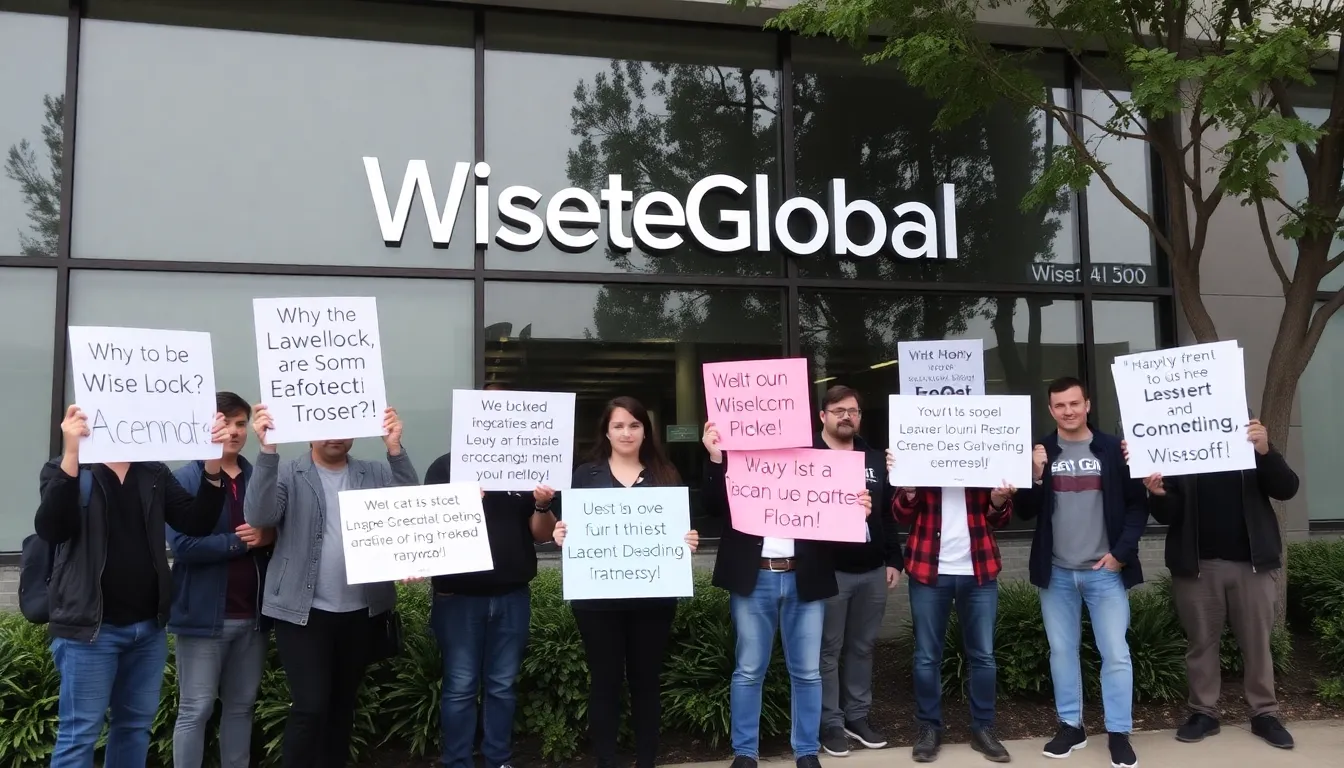
The global logistics sector has experienced significant disruptions in recent years, exacerbated by the COVID-19 pandemic, trade tensions, and evolving technological demands. Companies like WiseTech have had to navigate a complex environment where efficiency and innovation are paramount. As automation and artificial intelligence become increasingly integral to supply chain management, firms are compelled to adapt their workforce accordingly. However, the decision to reduce headcount can often lead to backlash, particularly when it appears that certain groups are disproportionately affected.
WiseTech’s decision to exclude references to AI in communications with Chinese employees may stem from a broader context of geopolitical tensions between Australia and China. Over the past few years, diplomatic relations have been strained, impacting trade and investment flows. This backdrop may influence how companies communicate sensitive information, particularly in regions where political sensitivities are heightened. The omission could be interpreted as an attempt to mitigate potential backlash or misunderstandings in a market where perceptions of technological advancement are closely tied to national interests.
The Evolution of Workforce Dynamics in Tech
The tech industry’s workforce dynamics have evolved significantly over the past decade, driven by rapid advancements in technology and shifting market demands. Companies are increasingly relying on automation and AI to streamline operations and reduce costs. This shift has led to a growing concern among employees regarding job security, particularly in regions heavily impacted by technological change. Historical precedents show that workforce reductions often accompany periods of significant technological transformation, raising questions about the ethical responsibilities of companies toward their employees.
As WiseTech navigates these challenges, the implications of their decision-making process extend beyond immediate financial considerations. The company’s approach to communication and transparency, particularly in the context of workforce changes, will likely influence employee morale and public perception, especially in a globalized economy where local actions can have international repercussions.
Examining the implications of omitting AI in employee communications
The recent decision by WiseTech to initiate redundancies while excluding references to artificial intelligence (AI) in communications to Chinese employees raises significant concerns among various stakeholders, which includes affected employees.
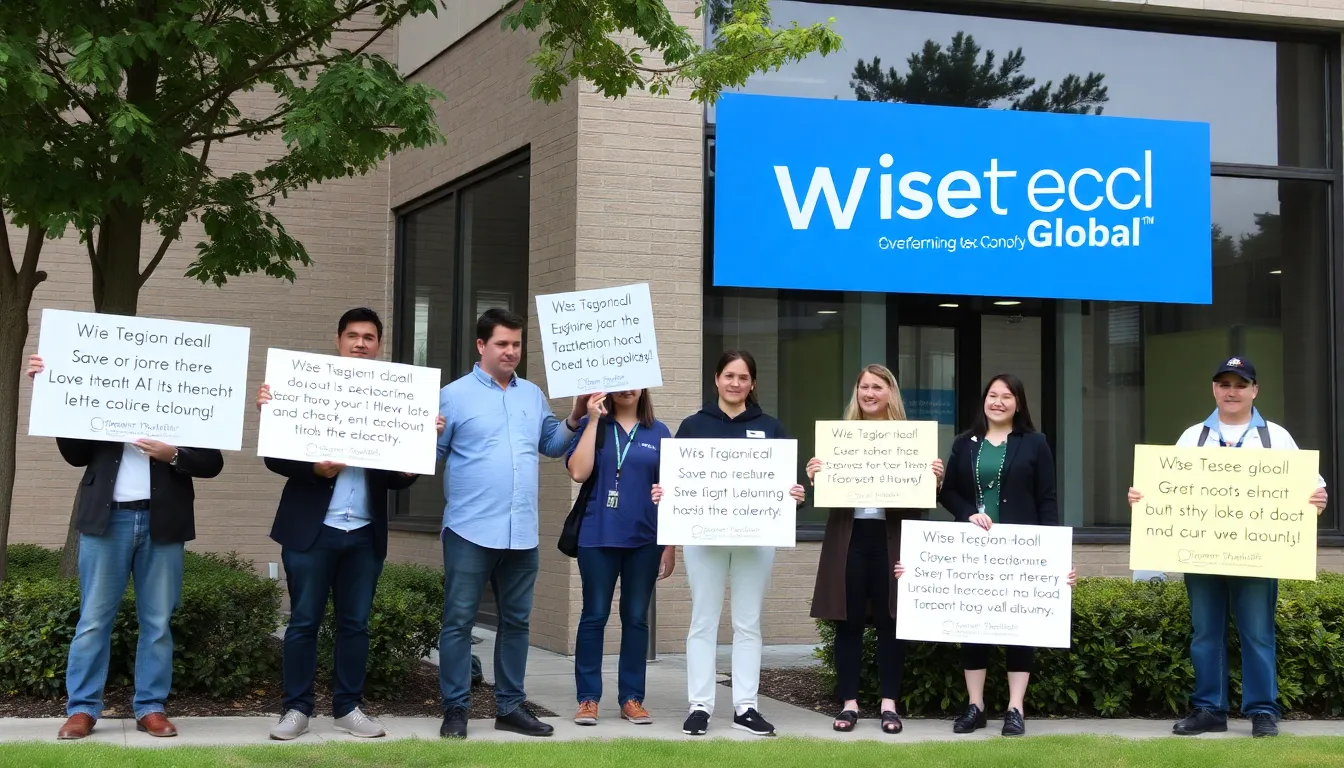
WiseTech, as a leading logistics software provider, has a vested interest in maintaining a positive corporate image and ensuring operational efficiency. However, the omission of AI from communications may indicate a broader strategy to downplay technological impacts on job security, which could lead to mistrust among employees. Workers are likely to interpret this as a lack of transparency, potentially exacerbating feelings of insecurity during a tumultuous time.
On the other hand, employees and labor unions are focused on advocating for fair treatment and clear communication regarding job losses. The absence of AI discussions could be perceived as an attempt to sidestep the complexities of how automation affects employment. This conflict highlights the trade-off between corporate strategy and employee morale, as well as the ethical implications of AI integration in the workforce.
- Transparency vs. Corporate Strategy: The need for clear communication about AI’s role in redundancies versus the desire to protect company interests.
- Employee Trust: The potential erosion of trust between management and employees due to perceived omissions in communication.
- Regulatory Scrutiny: Possible implications for compliance with labor laws and regulations in both Australia and China.
- Economic Impact: The broader economic consequences of job losses in the tech sector and the role of automation.
- Global Workforce Dynamics: The challenges of managing a diverse workforce in different regulatory environments and cultural contexts.
As WiseTech navigates these complexities, the reactions from employees and external stakeholders will likely shape the company’s future communications strategy and its approach to integrating AI into its operations. The situation underscores the delicate balance between innovation and the human element in the workplace.
The potential effects on employees and the broader market
The recent announcement by WiseTech to initiate redundancies has raised concerns among various groups, particularly employees in the logistics and technology sectors. As a major player in supply chain software, WiseTech’s decisions could ripple through the industry, affecting not only its workforce but also related businesses and sectors reliant on its technologies.
In the short term, employees facing job losses may experience increased stress and uncertainty, impacting their daily lives and financial stability. This can lead to a decrease in consumer spending, which may affect local businesses that depend on these employees for economic activity. The psychological toll of job insecurity can also contribute to a decline in overall workplace morale, potentially affecting productivity.

Mid-term impacts may include shifts in the labor market as displaced workers seek new opportunities, possibly leading to a talent surplus in certain areas while creating skill gaps in others. Additionally, the omission of ‘AI’ from communications to Chinese employees raises questions about the company’s strategic direction and its implications for international relations and collaboration in technology development.
- Risks: Increased unemployment rates in the tech and logistics sectors.
- Risks: Potential decline in consumer confidence and spending.
- Opportunities: New job openings in competing firms as talent is redistributed.
- Opportunities: Growth in sectors focusing on AI and automation as companies adapt to market changes.
Overall, while WiseTech’s redundancies present challenges, they also create opportunities for innovation and workforce realignment within the broader market. The effects on employees and surrounding industries will likely unfold over the coming months, shaping the future landscape of the technology and logistics sectors.
A: WiseTech has cited various operational efficiencies and market conditions as reasons for the layoffs, aiming to streamline its workforce. A: The omission of AI references has raised concerns among employees about the company’s transparency and its commitment to technological advancement. A: Employees have expressed confusion and concern regarding the layoffs, particularly in light of the lack of communication about AI’s role in the company’s future. A: The layoffs and communication strategies may impact WiseTech’s reputation and employee morale, potentially affecting its innovation trajectory. A: While WiseTech has not confirmed further layoffs, the current situation suggests that the company is reevaluating its workforce needs.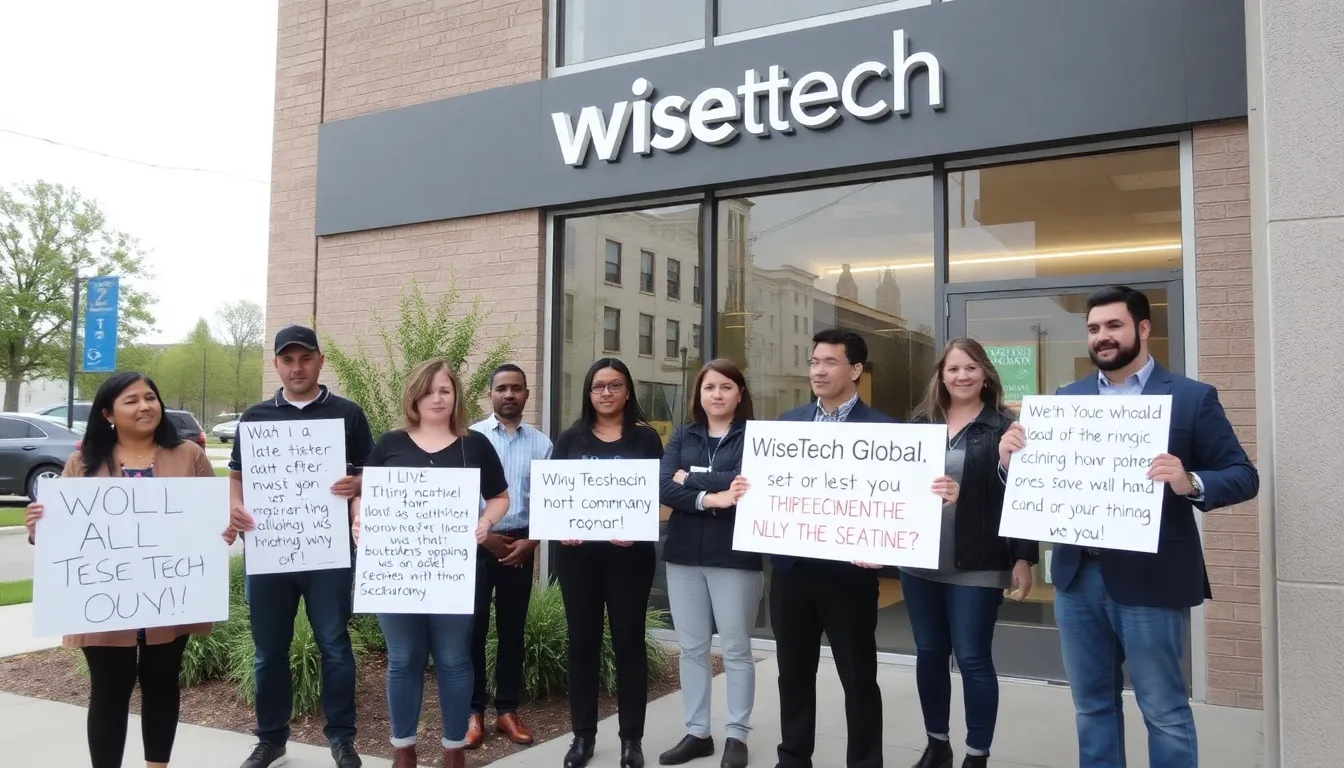
Frequently asked questions regarding the layoffs and AI omission
Key takeaways and future outlook on WiseTech’s strategy
The recent decision by WiseTech to initiate redundancies while notably excluding references to ‘AI’ in communications with Chinese employees raises several critical points for consideration. This move highlights the company’s approach to navigating workforce changes amid evolving technological landscapes and market conditions. The omission of AI in these discussions may signal a strategic focus on other operational priorities or a deliberate attempt to manage employee sentiment during a challenging transition.
As WiseTech continues to adapt its workforce and strategies, stakeholders should remain vigilant about the potential implications for company culture, operational efficiency, and technological advancements. Understanding the broader context of these changes will be essential for anticipating future developments within the organization and the industry at large.
- Monitor how WiseTech communicates changes to its workforce and whether this affects employee morale and retention.
- Watch for future announcements regarding AI initiatives and their integration into WiseTech’s operational framework.
- Analyze the potential impact of these redundancies on WiseTech’s market position and competitive landscape.
- Consider the implications for other tech companies facing similar workforce adjustments and their approach to AI integration.
- Evaluate how WiseTech’s strategy might influence investor confidence and stock performance in the coming quarters.