
With City clinching the FA Cup, they have ensured their participation in the UEFA Champions League, where they will aim to defend their title. Additionally, their success in the domestic cup means that the fourth-place team in the Premier League will now qualify for the Europa League group stage, rather than the Champions League, potentially altering the dynamics for clubs vying for European places.
The implications of this win extend beyond just City, as it affects the overall competitiveness of the Premier League. Teams like Liverpool, Arsenal, and Newcastle United, who are in contention for European spots, must now reassess their strategies in light of the new qualification landscape. The FA Cup result has intensified the race for those coveted positions, making each match in the final weeks of the season critical.
Furthermore, Manchester City’s triumph in the FA Cup highlights their dominance in English football, raising questions about the future of rival clubs. As they continue to secure trophies, other teams will need to find ways to close the gap, both in terms of performance and financial investment, to remain competitive in both domestic and European arenas.
The historical significance of the FA Cup in the context of European football
The FA Cup, established in 1871, is one of the oldest football competitions in the world and holds a revered place in English football history. Its significance extends beyond national borders, influencing how domestic leagues and international competitions are perceived. The tournament has served as a platform for clubs of all sizes to compete, showcasing the unpredictability and excitement inherent in knockout football. This tradition has contributed to the rich tapestry of European football, where the underdog often triumphs against the odds.
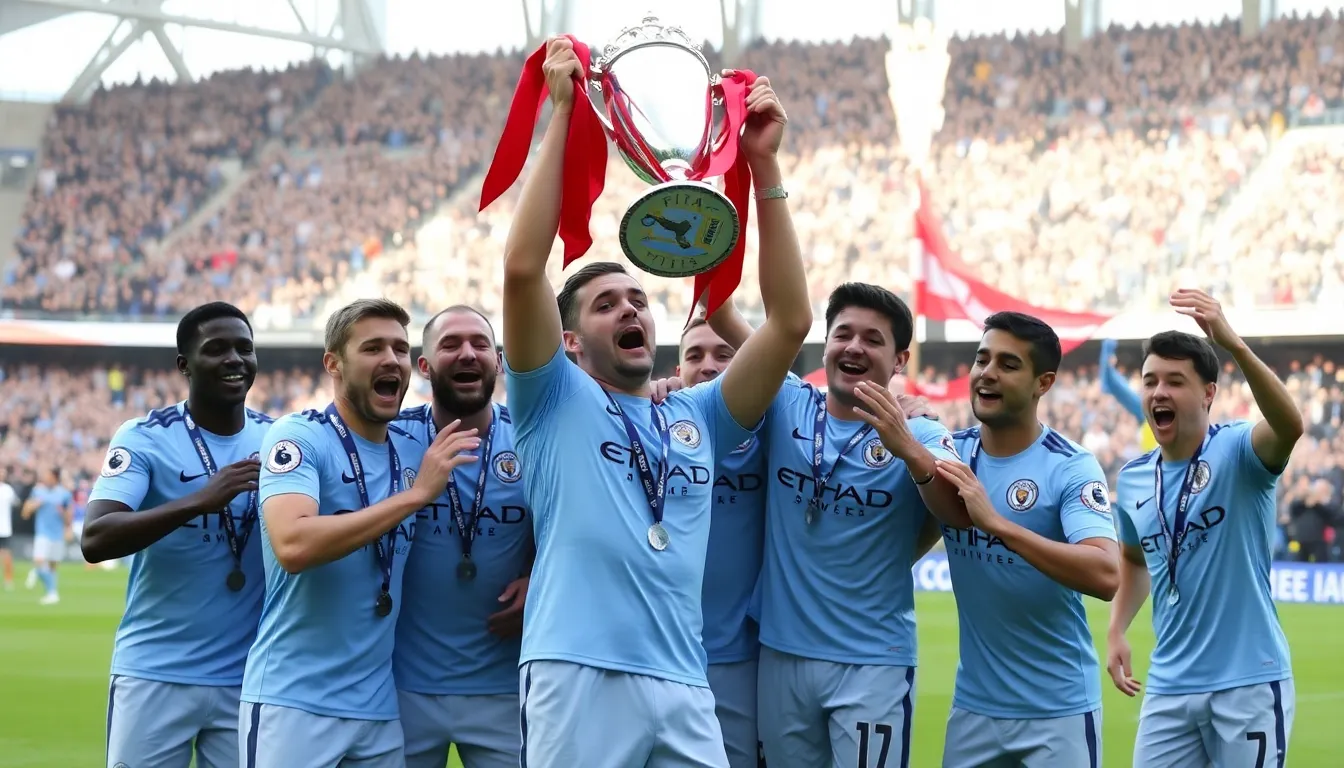
Historically, the FA Cup has been a key indicator of a club’s prestige and success. Winning the FA Cup not only provides a trophy but also offers a pathway to European competition, specifically the UEFA Europa League, which can enhance a club’s financial standing and global visibility. Clubs that perform well in the FA Cup often see increased fan engagement and sponsorship opportunities, making it a vital aspect of their overall strategy.
The recent victory of Manchester City in the FA Cup adds another layer to this narrative. As one of the Premier League’s most dominant teams, their success in the cup further solidifies their status in European football. This win is particularly significant given the current landscape of European competitions, where qualification for the UEFA Champions League is fiercely contested. The implications of such victories can ripple through the league, affecting not only the standings but also the financial health of competing clubs.
The impact of FA Cup victories on European qualifications
In recent years, the relationship between domestic cup success and European qualification has evolved. Traditionally, the top four teams in the Premier League secure Champions League spots, but winning the FA Cup can provide an additional route for clubs to enter European competitions. This dual pathway creates a competitive environment where clubs must balance their league performance with cup aspirations, often leading to strategic decisions regarding player rotations and investment in squad depth.
As Manchester City’s FA Cup triumph is celebrated, it serves as a reminder of the intertwined nature of domestic and European football. The outcomes of such prestigious tournaments can influence the dynamics within the Premier League, shaping the future of clubs both on and off the pitch. The ripple effects of this victory will likely be felt as teams reassess their ambitions and strategies in pursuit of European glory.
Key stakeholders and the competitive landscape in the Premier League
The recent FA Cup victory by Manchester City has significant implications for various stakeholders within the Premier League and European football. Key actors include the clubs themselves, governing bodies like the Premier League and UEFA, fans, and media organizations. Each of these stakeholders has distinct interests that can lead to conflicts and trade-offs as they navigate the evolving landscape of football in Europe.
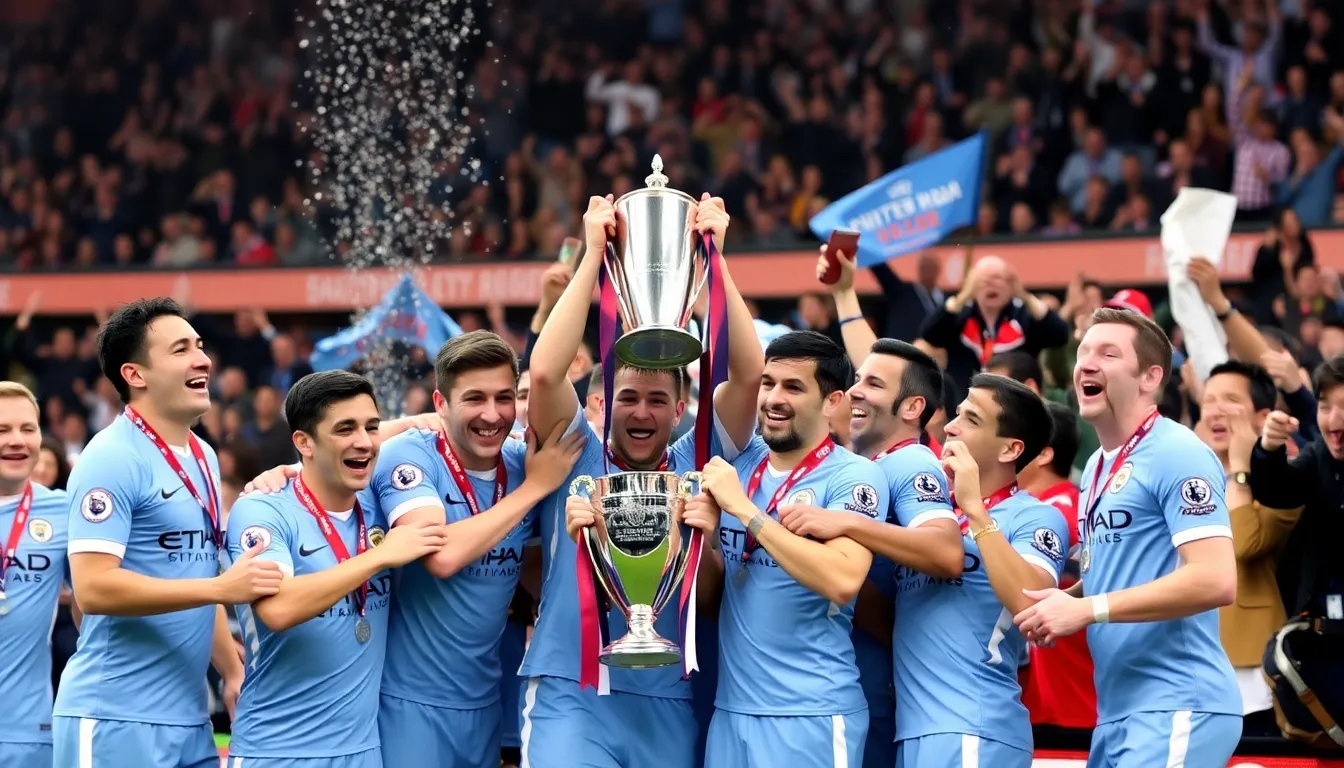
Manchester City, as the reigning FA Cup champions, aims to solidify their dominance in both domestic and European competitions. Their success enhances their brand value and attracts lucrative sponsorship deals, which are critical for maintaining financial competitiveness. However, this success also intensifies the scrutiny from rival clubs and regulatory bodies concerned about financial fair play and the sustainability of club finances.
Other Premier League clubs, particularly those vying for European qualification, are keenly observing the implications of City’s win. The distribution of UEFA Champions League and Europa League spots is heavily influenced by domestic cup performances. For clubs like Liverpool, Chelsea, and Arsenal, the stakes are high as they seek to secure their places in European competitions, which are vital for revenue generation and sporting prestige.
- Financial Fair Play Regulations: The ongoing debate around financial fair play regulations poses a potential conflict, particularly for clubs that feel disadvantaged by City’s financial muscle.
- European Qualification: The FA Cup win could affect the number of spots available for Premier League teams in European competitions, reshaping the competitive dynamics.
- Fan Engagement: Fans of rival clubs may express dissatisfaction with the perceived imbalance created by City’s success, leading to discussions about the future of competitive integrity in the league.
- Media Coverage: The media plays a crucial role in shaping narratives around club success and financial issues, influencing public perception and stakeholder responses.
Additionally, UEFA’s evolving regulations around club competitions and financial governance will be closely monitored by all stakeholders. The balance between rewarding on-field success and ensuring financial prudence remains a contentious issue that can lead to significant shifts in the competitive landscape of European football.
How Man City’s victory affects other Premier League teams’ European ambitions
Manchester City’s FA Cup triumph has significant implications for various stakeholders within the Premier League. The immediate effects are felt by clubs vying for European qualification, as City’s win solidifies their position in the UEFA Champions League, thereby influencing the distribution of European spots available to other teams.
In the short term, teams like Liverpool, Arsenal, and Manchester United will be affected as they compete for the remaining European places. The pressure to secure a top-four finish intensifies, impacting their strategies in upcoming matches. Clubs may also reassess their transfer strategies to bolster their squads in pursuit of European football.
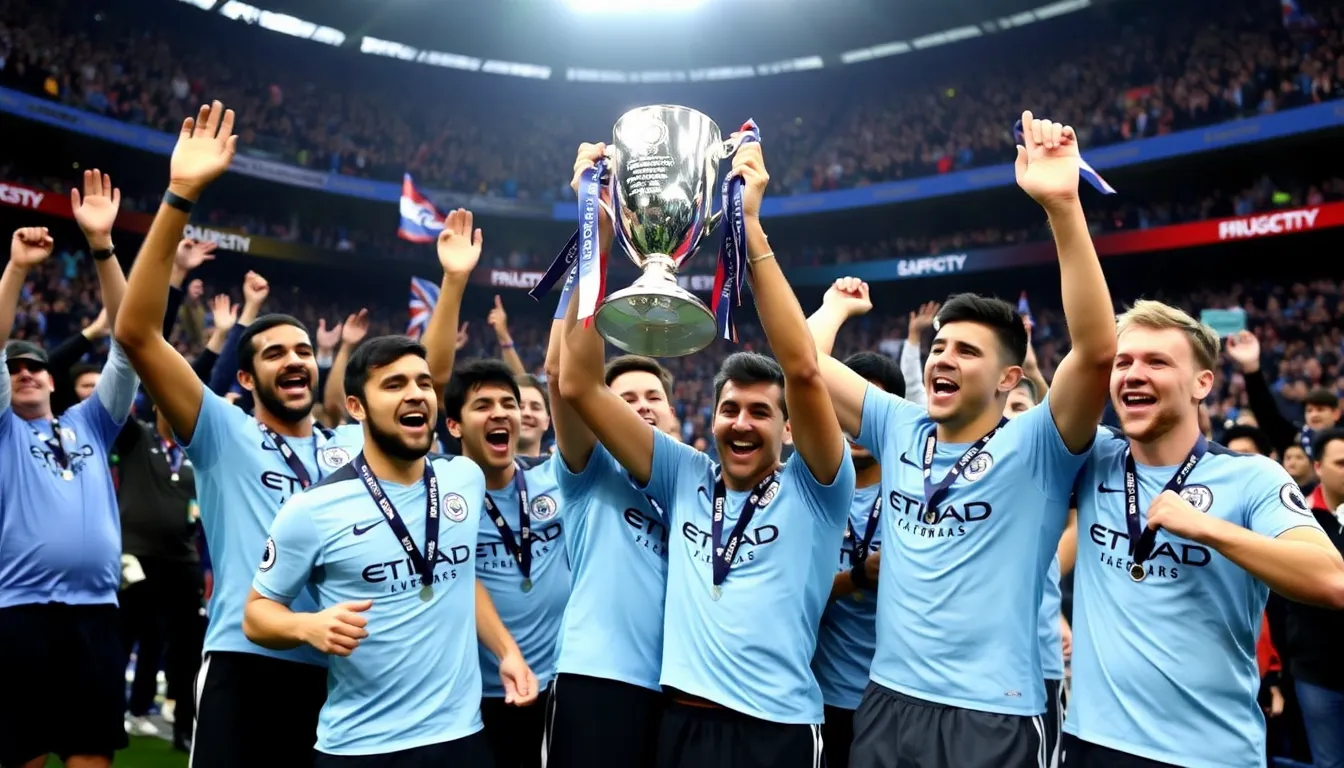
In the mid-term, the financial ramifications of European qualification become apparent. Clubs that secure a spot in continental competitions typically enjoy increased revenue from broadcasting rights, sponsorships, and matchday earnings. This could lead to enhanced investment in player development and infrastructure, benefiting the overall quality of the league.
- Increased competition: Teams will invest more heavily to secure European spots.
- Financial gains: Clubs in Europe can expect higher revenues, impacting their spending power.
- Strategic shifts: Teams may alter their playing styles or management approaches to maximize their chances of qualifying.
However, the risks are also notable. Clubs that fail to qualify may face financial strain, leading to potential cutbacks in player wages and transfer budgets. Additionally, the pressure to perform can lead to managerial instability, as clubs may hastily change coaches in pursuit of better results. The competitive landscape of the Premier League will thus be shaped not only by Man City’s success but also by how other teams respond to the challenge of European competition.
A: Man City’s FA Cup victory secures their place in the next season’s Champions League, enhancing their chances of competing for European glory. A: The FA Cup provides additional European spots, which can alter the dynamics of league competition among teams aiming for qualification. A: Teams that fail to qualify for Europe may face financial challenges and reduced attractiveness to potential signings, impacting their long-term strategies. A: Man City’s win can shift the focus for other teams, as they must now compete not only for league position but also for the remaining European spots. A: Qualification criteria generally include league position, domestic cup performances, and, in some cases, fair play rankings.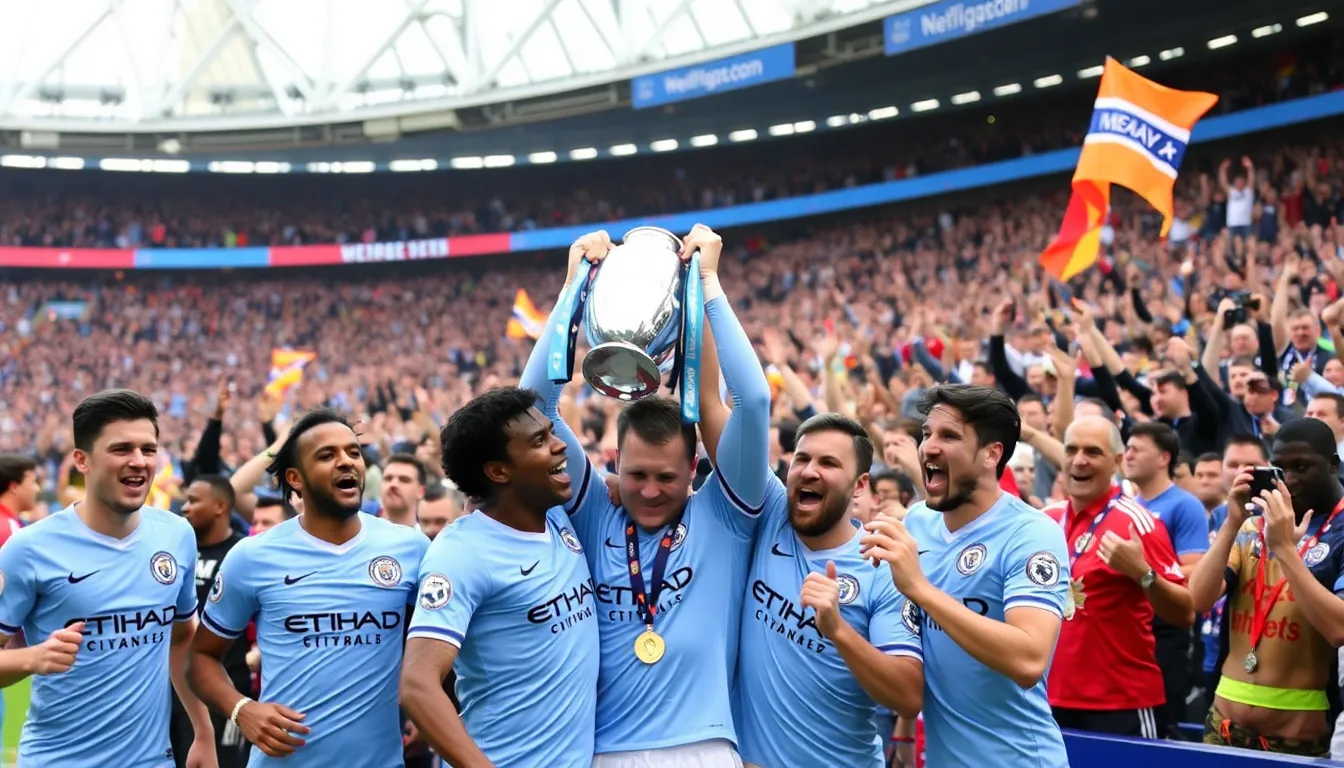
Frequently Asked Questions about the FA Cup and European places
Key takeaways and future outlook for Premier League teams
Manchester City’s FA Cup victory not only solidifies their dominance in English football but also has significant implications for the Premier League’s European qualification landscape. As City prepares for another Champions League campaign, the ripple effects of their success will be felt by several clubs vying for European spots. The competition for places in Europe is expected to intensify, particularly among teams that are on the cusp of qualifying.
As we look ahead, several factors will play a crucial role in shaping the Premier League’s European aspirations. Teams must adapt their strategies both on and off the pitch to secure their positions in the top tier of English football and ensure participation in prestigious continental competitions.
- Increased competition: With City likely to dominate, other clubs must enhance their squads to compete effectively for European slots.
- Financial implications: Clubs finishing in European places will benefit financially, impacting their transfer strategies and overall competitiveness.
- Younger talent development: Teams may focus more on developing young players to build a sustainable model that can challenge for European spots.
- Managerial strategies: Tactical approaches will evolve as clubs look to counteract the strengths of dominant teams like Manchester City.