
However, this rapid growth has sparked discussions about the need for regulation within the industry. Currently, there are no standardized qualifications or certifications for instructors, leading to concerns about the safety and effectiveness of training provided to clients. Experts argue that without proper oversight, practitioners may be at risk of injury or receiving inadequate instruction. This issue is echoed in discussions around financial scrutiny in other sectors as well.
In response to these concerns, several professional organizations and fitness advocates have begun calling for regulatory measures. They suggest that establishing a certification framework could help ensure that instructors meet specific educational and practical standards. This initiative aims to protect both practitioners and clients, fostering a safer environment for all participants.
As of October 2023, some regions are exploring potential legislative actions to address these issues. Stakeholders, including studio owners, fitness professionals, and health authorities, are engaging in discussions to determine the best path forward. The outcome of these conversations could significantly impact the future of Reformer Pilates and its growth trajectory in the fitness industry.
Understanding the growth of the Reformer Pilates market
The popularity of Reformer Pilates has surged over the past decade, evolving from a niche fitness trend to a mainstream exercise option embraced by individuals of all ages and fitness levels. This growth can be attributed to several factors, including increased awareness of health and wellness, the rise of boutique fitness studios, and the influence of social media on fitness trends. As more people seek holistic approaches to fitness that combine strength, flexibility, and rehabilitation, Reformer Pilates has emerged as a favored choice.
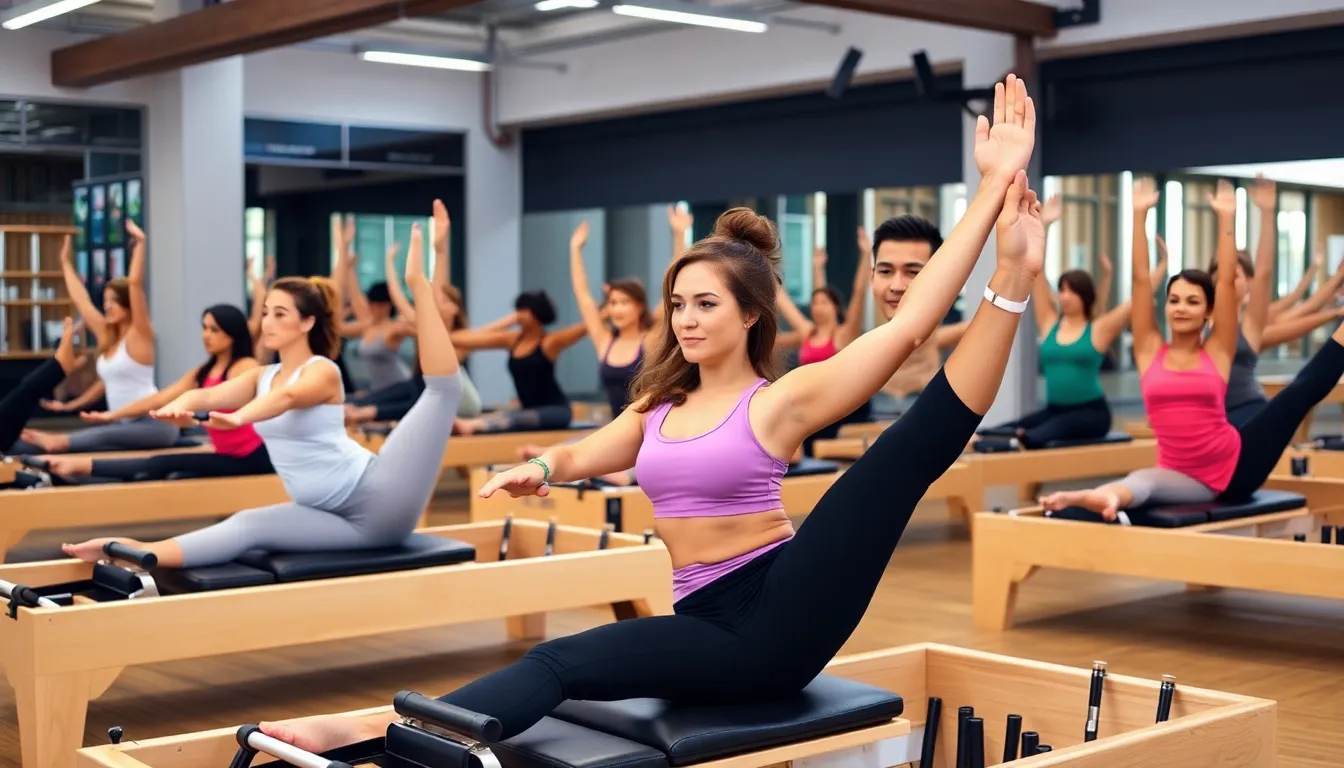
Historically, Pilates was developed in the early 20th century by Joseph Pilates as a form of rehabilitation for injured soldiers. Over the years, it has transformed into a widely recognized fitness regime. The introduction of the Reformer, a specialized piece of equipment, allowed for a greater variety of exercises and more effective training methods. As fitness enthusiasts began to share their experiences online, the visibility of Reformer Pilates increased, leading to a rapid expansion of studios dedicated to this practice.
Economically, the boom in Reformer Pilates has attracted significant investment in the fitness industry. Entrepreneurs have seized the opportunity to open new studios, often targeting urban areas where demand for unique fitness experiences is high. This influx of new businesses has not only created jobs but has also intensified competition, prompting studios to differentiate themselves through unique offerings, including specialized classes and personalized training.
The Call for Regulation
As the Reformer Pilates market continues to grow, concerns about the lack of regulation within the industry have emerged. Unlike traditional fitness certifications, which are often standardized, the qualifications to teach Reformer Pilates can vary widely. This inconsistency raises questions about safety and effectiveness, particularly for clients with pre-existing conditions or injuries. Advocacy for regulation is gaining momentum as stakeholders emphasize the need for standardized training programs and certifications to ensure the quality and safety of instruction, similar to the emerging standards highlighted in data security discussions.
Key milestones in this discussion include the formation of professional organizations advocating for best practices in Pilates instruction and the development of certification programs aimed at establishing industry standards. As the conversation around regulation evolves, it reflects broader societal trends towards accountability and safety in fitness, paralleling movements in other sectors such as nutrition and personal training.
Key stakeholders and issues surrounding Reformer Pilates regulation
The surge in popularity of Reformer Pilates has prompted various stakeholders to call for formal regulation of the practice. Key actors in this discussion include fitness instructors, studio owners, health organizations, and government bodies. Each of these groups has distinct interests that shape their perspectives on how the industry should be governed.
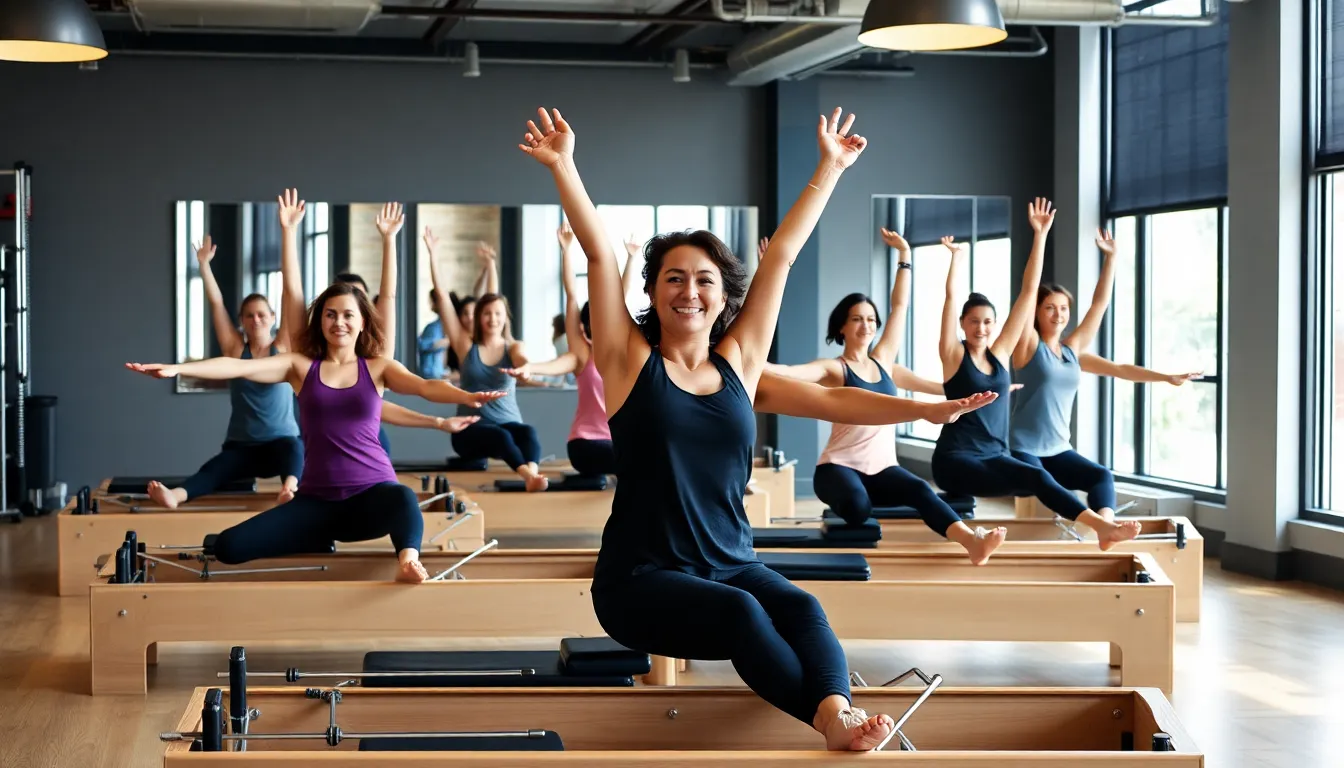
Fitness instructors and studio owners are primarily concerned with maintaining the integrity and safety of their practice. They argue that regulation could enhance professional standards, ensuring that instructors are adequately trained and equipped to provide safe and effective sessions. However, there is also a fear that excessive regulation could impose financial burdens on smaller studios, potentially stifling innovation and accessibility in the industry.
Health organizations advocate for regulation to protect consumers from injury and misinformation. They emphasize the need for standardized training and certification processes to ensure that all practitioners meet certain safety and competency benchmarks. This perspective highlights a critical legal issue: the potential liability for studios and instructors in the event of accidents or injuries during sessions, a concern that parallels the recent debates seen in various sectors, including those regarding financial scrutiny in professional organizations.
Government bodies face the challenge of balancing public health interests with the economic implications of regulation. They must consider how to implement effective oversight without discouraging entrepreneurship in the fitness sector. This scenario raises questions about the trade-offs between consumer protection and industry growth.
- Potential for increased safety standards and reduced injury rates.
- Concerns over financial implications for small and independent studios.
- Need for a standardized certification process for instructors.
- Balancing public health priorities with economic growth in the fitness industry.
- Legal liabilities associated with unregulated practices.
Who will be affected by potential regulations in the Pilates industry
The surge in popularity of reformer Pilates has drawn attention from various stakeholders, including fitness instructors, studio owners, health professionals, and regulatory bodies. As calls for regulation intensify, these groups are poised to experience significant changes in their operations and practices.
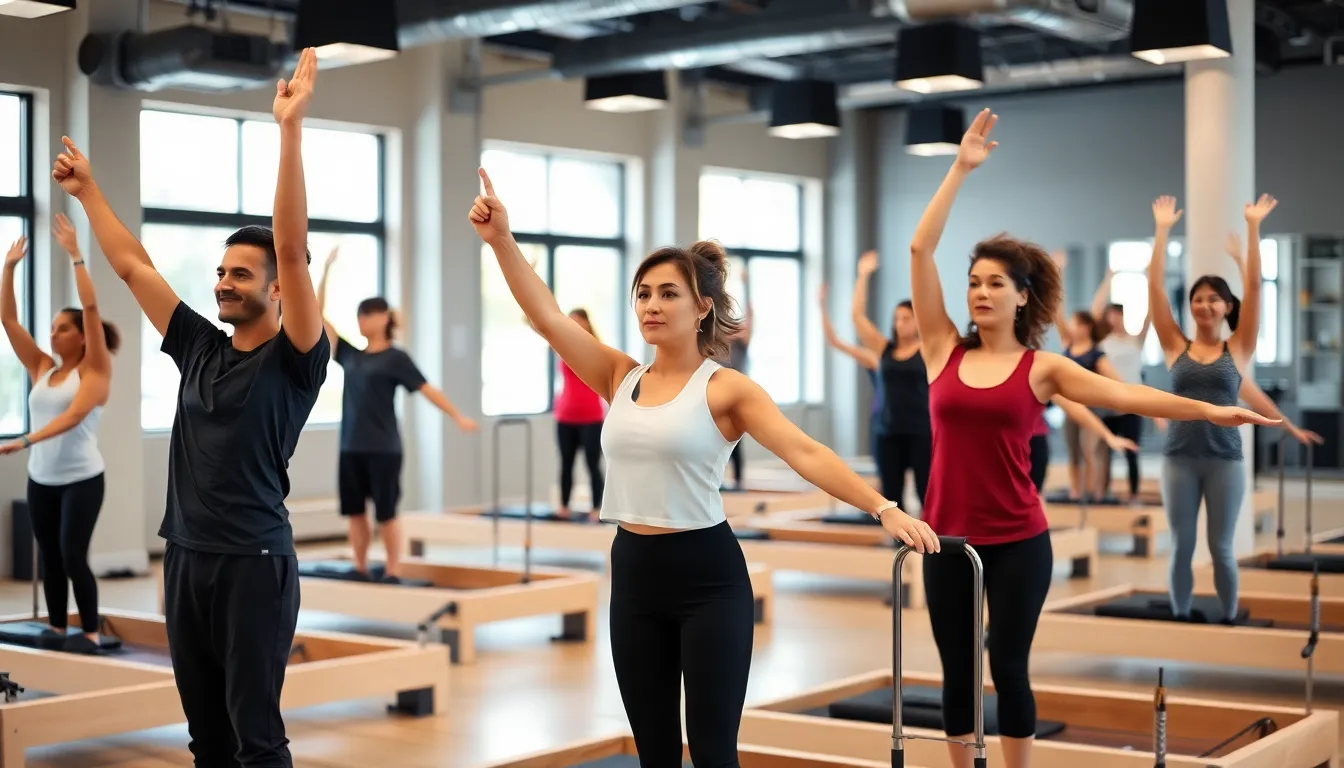
In the short term, fitness instructors and studio owners may face increased scrutiny regarding their qualifications and training. This could lead to a rise in certification requirements, impacting how quickly new instructors can enter the market. Additionally, studios may need to invest in compliance measures, which could strain their financial resources.
In the mid-term, regulatory changes could reshape the landscape of the Pilates industry. For instance, stricter guidelines may enhance the credibility of reformer Pilates as a legitimate form of exercise, potentially attracting a broader clientele. However, this could also result in the closure of smaller studios that cannot meet new standards, leading to a concentration of market power among larger, well-established fitness chains.
- Risks: Increased operational costs for studios
- Risks: Potential market monopolization by larger entities
- Opportunities: Enhanced safety and efficacy of Pilates programs
- Opportunities: Growth in professional development and training programs
Moreover, health professionals may find opportunities to collaborate with Pilates studios, offering specialized classes that cater to specific health needs. This could foster a more integrated approach to wellness, benefiting both practitioners and clients. However, the evolving regulatory landscape may also necessitate ongoing education for instructors, creating a demand for new training resources.
A: The rapid growth of Reformer Pilates has led to concerns about safety and quality. Without regulation, there is a risk of unqualified instructors and unsafe practices. A: Regulation may include certification requirements for instructors, safety standards for equipment, and guidelines for studio operations to ensure a safe environment for clients. A: While regulation may impose additional requirements on studios, it could also enhance credibility and attract more clients seeking safe and professional services. A: Yes, many fitness sectors, such as personal training and yoga, have established regulatory bodies to ensure standards are met, which could serve as a model for Reformer Pilates. A: Regulating Reformer Pilates could lead to improved safety for participants, higher quality instruction, and greater public trust in the practice.
Frequently asked questions about Reformer Pilates regulation
Looking ahead: the future of Reformer Pilates regulation
The recent surge in popularity of Reformer Pilates has sparked significant discussions regarding the need for regulation within the industry. As more individuals seek the benefits of this form of exercise, the potential for inconsistencies in training standards and safety practices becomes increasingly evident. Stakeholders, including instructors, studios, and health professionals, are recognizing the importance of establishing clear guidelines to ensure quality and safety for practitioners.
Moving forward, the call for regulation may lead to the development of standardized training programs and certification processes. This could enhance the credibility of instructors and studios, ultimately benefiting consumers. As the conversation evolves, it will be crucial to monitor how these changes unfold and their implications for the future of Reformer Pilates.
- Increased standardization: Expect the emergence of recognized certification programs to ensure instructor competency and safety.
- Consumer awareness: As regulations develop, consumers are likely to become more discerning about where they practice and who they train with.
- Industry growth: Regulation may attract more professionals to the field, fostering growth and innovation within the Reformer Pilates community.
- Health implications: Greater emphasis on safety standards could lead to reduced injury rates and enhanced overall health benefits for practitioners.