
In addition to his properties, a £5 million gift received by Farage has sparked further inquiry. The source of this substantial sum remains unclear, leading to concerns about potential conflicts of interest and the transparency of political financing. This development has prompted calls for more stringent regulations regarding the financial disclosures of politicians, as highlighted in our article on political accountability.
The timing of these revelations is particularly critical, as they coincide with ongoing discussions in Parliament about the integrity of political funding. Key figures in the government have expressed the need for a comprehensive review of financial regulations to ensure accountability among elected officials. This situation has put Farage’s political future and public image under intense scrutiny.
As investigations continue, the implications of Farage’s financial situation could extend beyond his personal affairs, potentially influencing public trust in political institutions. The outcome of these inquiries may set a precedent for how financial matters are handled by politicians in the UK, highlighting the importance of transparency in governance.
Understanding the background of Farage’s finances
Nigel Farage, a prominent figure in British politics, has long been associated with the UK Independence Party (UKIP) and the Brexit movement. His financial dealings have come under scrutiny, particularly in light of recent revelations regarding his property holdings and a substantial £5 million gift. Understanding the context of these financial questions requires a look at Farage’s political career, his sources of income, and the implications of his wealth on public perception.
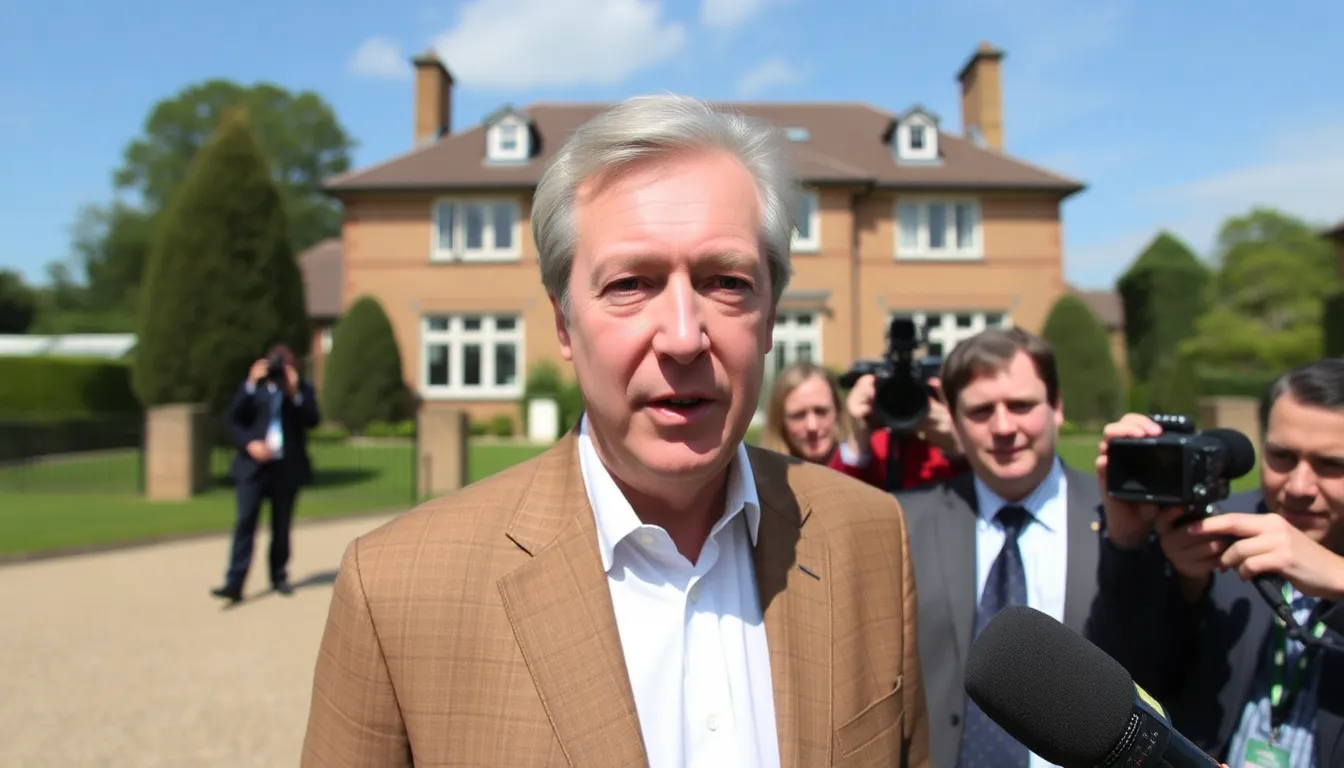
Farage’s political journey began in the late 1990s, when he co-founded UKIP, a party that advocated for the UK’s withdrawal from the European Union. His charismatic leadership and ability to tap into public discontent with the EU propelled him into the political spotlight. Over the years, he has been a Member of the European Parliament (MEP) and has played a pivotal role in the Brexit campaign, which ultimately led to the 2016 referendum where the UK voted to leave the EU. This political prominence has not only increased his visibility but also raised questions about the sources of his income, linking to broader issues of financial ethics.
Financial Transparency and Controversies
Throughout his career, Farage has faced various controversies regarding his financial transparency. Questions have arisen about how he finances his lifestyle, which includes multiple properties. The recent £5 million gift has intensified scrutiny, as critics argue that such a substantial sum could indicate undisclosed financial support or influence from external sources. This situation mirrors past instances in British politics where financial dealings have led to public outcry and calls for greater accountability among politicians, similar to the concerns raised in the context of financial regulations.
Moreover, the economic backdrop of the UK, marked by rising living costs and public sector austerity, has heightened the sensitivity around the financial affairs of public figures. With many citizens struggling to make ends meet, the perception of wealth among politicians like Farage can lead to significant backlash, particularly when their financial dealings appear opaque. This ongoing scrutiny reflects broader societal concerns regarding inequality and the ethical responsibilities of those in power.
In summary, the questions surrounding Farage’s finances are not just about individual transactions; they are emblematic of a larger conversation about political accountability, transparency, and the intersection of wealth and influence in modern British politics. As investigations continue, the implications for Farage and his political legacy remain to be seen.
Key issues surrounding Farage’s financial dealings
The recent scrutiny of Nigel Farage’s financial affairs has raised significant questions regarding his property holdings and a substantial £5 million gift. This situation involves multiple stakeholders, including Farage himself, political opponents, regulatory bodies, and the general public, all of whom have varying interests in the unfolding narrative.
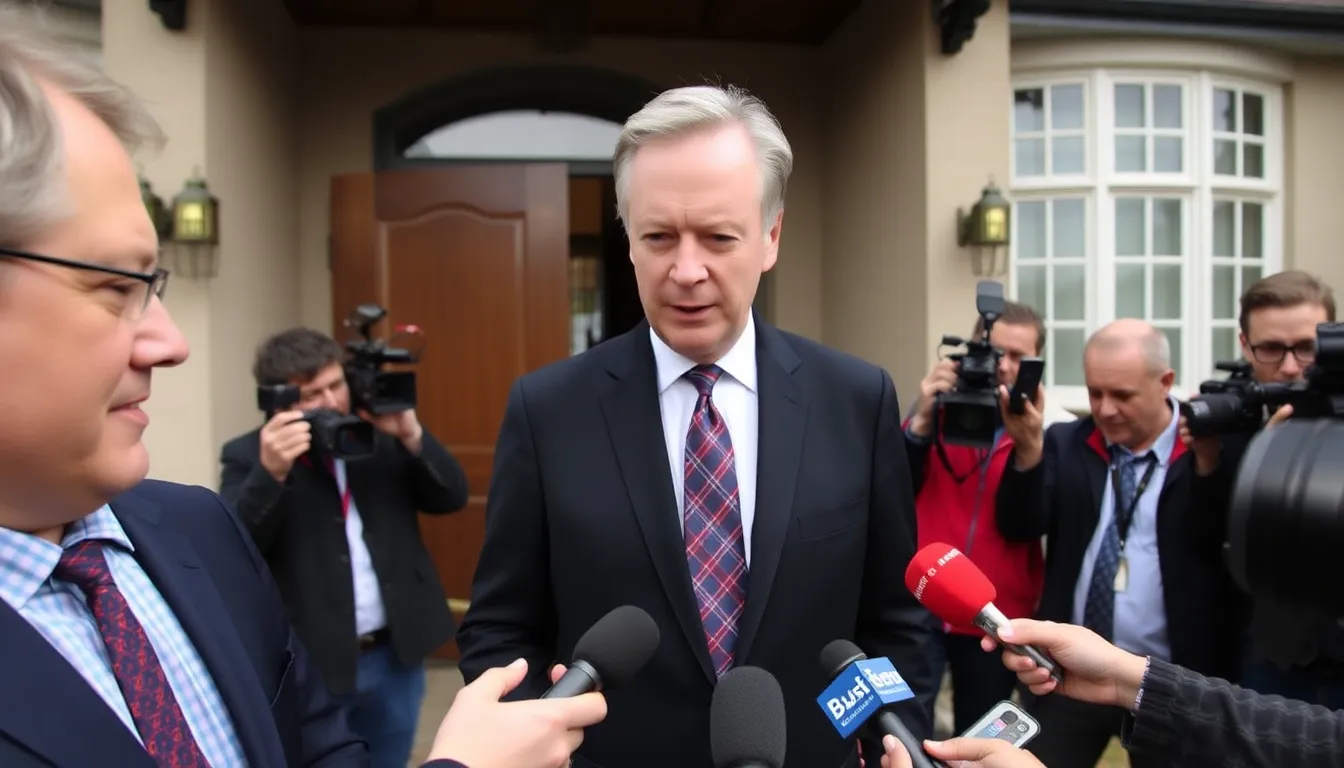
Farage, a prominent political figure and former leader of the UK Independence Party (UKIP), has been at the center of controversy surrounding his financial transparency. His interests lie in maintaining a public image that aligns with his political ideology while defending his financial decisions. On the other hand, his critics, including political opponents and watchdog organizations, are keen on exposing any potential discrepancies or unethical practices in his financial dealings.
Key issues at play include:
- Transparency and Accountability: There is a growing demand for greater transparency regarding Farage’s wealth, particularly in relation to the sources of his income and the legitimacy of his financial gifts.
- Regulatory Oversight: Regulatory bodies may need to assess whether Farage’s financial activities comply with existing laws and regulations, raising questions about the adequacy of current financial oversight mechanisms.
- Public Trust: The implications of these financial revelations could affect public trust in Farage and his political affiliations, potentially influencing voter sentiment ahead of future elections.
- Legal Implications: Depending on the findings of any investigations, there could be legal consequences for Farage, particularly if any financial misconduct is uncovered.
In this complex scenario, the interplay between political aspirations, public accountability, and legal frameworks will be crucial in shaping the outcomes of the ongoing scrutiny of Farage’s finances. Stakeholders must navigate these waters carefully, as the stakes are high for all parties involved.
Who is affected by the scrutiny of Farage’s finances
The ongoing scrutiny of Nigel Farage’s financial dealings, including questions surrounding his properties and a substantial £5 million gift, has implications for various groups, industries, and regions. Politically, this situation could affect members of the Conservative Party and other political allies, as they may be compelled to distance themselves from Farage amidst rising concerns about transparency and accountability in political financing.
In the financial sector, banks and investment firms that have previously engaged with Farage may face reputational risks. This scrutiny could lead to increased regulatory oversight, prompting financial institutions to reassess their relationships with politically exposed persons (PEPs). Such developments may also lead to stricter compliance measures across the industry.
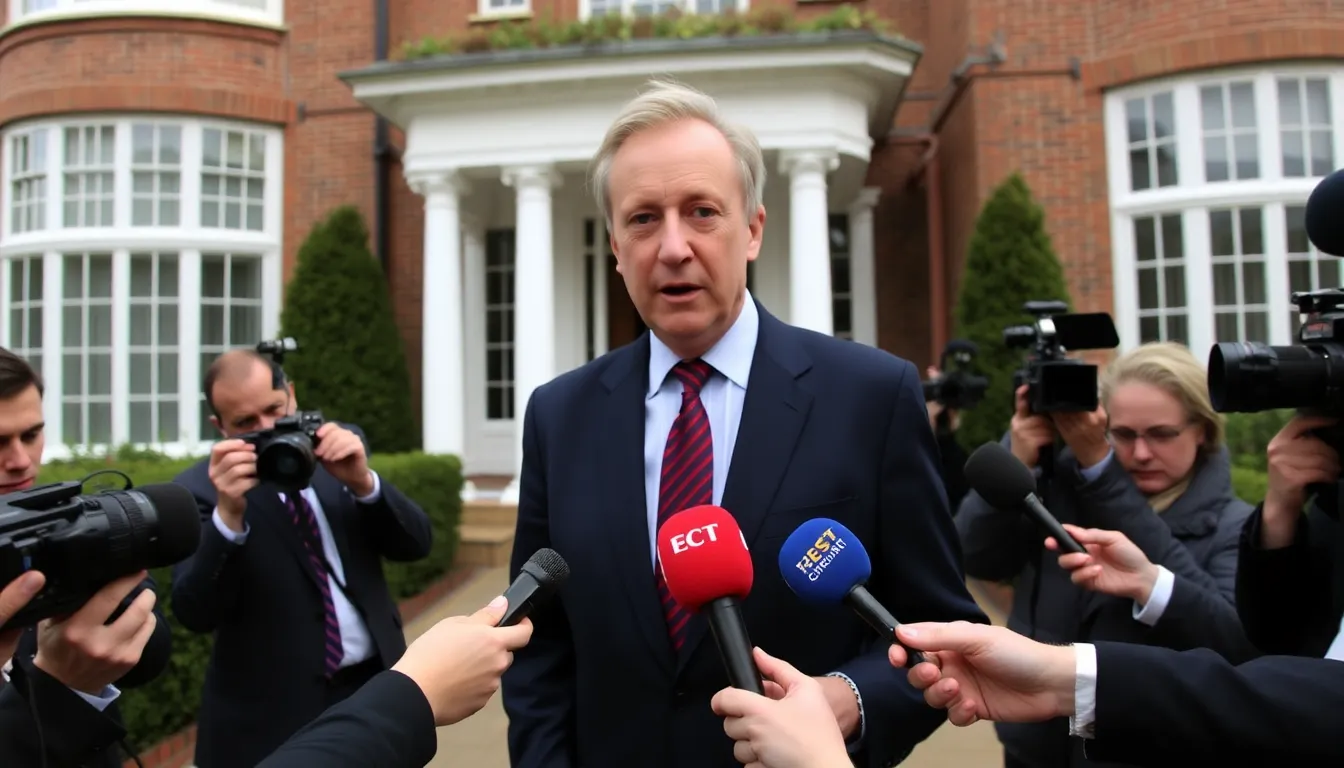
Additionally, the real estate market, particularly in areas where Farage owns properties, may experience fluctuations. Potential buyers and investors might become wary of properties associated with controversial figures, leading to a decline in property values or increased difficulty in selling. Conversely, this situation might create opportunities for investors seeking to acquire undervalued assets in the wake of negative publicity.
- Political Impact: Increased scrutiny on political financing may lead to policy changes.
- Financial Sector Risks: Potential reputational damage for banks and financial institutions.
- Real Estate Market Fluctuations: Changes in property values and buyer sentiment.
- Investment Opportunities: Potential for acquiring undervalued properties.
In the mid-term, the fallout from these financial questions could also influence public trust in political figures, leading to a broader demand for transparency in political funding. This may encourage legislative changes aimed at enhancing accountability and could reshape the landscape of political finance in the UK.
A: The scrutiny was prompted by a significant £5 million gift and questions regarding the ownership and value of his properties. A: Farage’s financial dealings have been perceived with skepticism, raising concerns about transparency and accountability. A: The implications could range from reputational damage to potential legal inquiries, depending on the findings of the scrutiny. A: Currently, there are no confirmed legal consequences, but ongoing investigations could lead to legal actions if any wrongdoing is found. A: This scrutiny could significantly impact his political career, depending on public perception and the outcomes of financial investigations.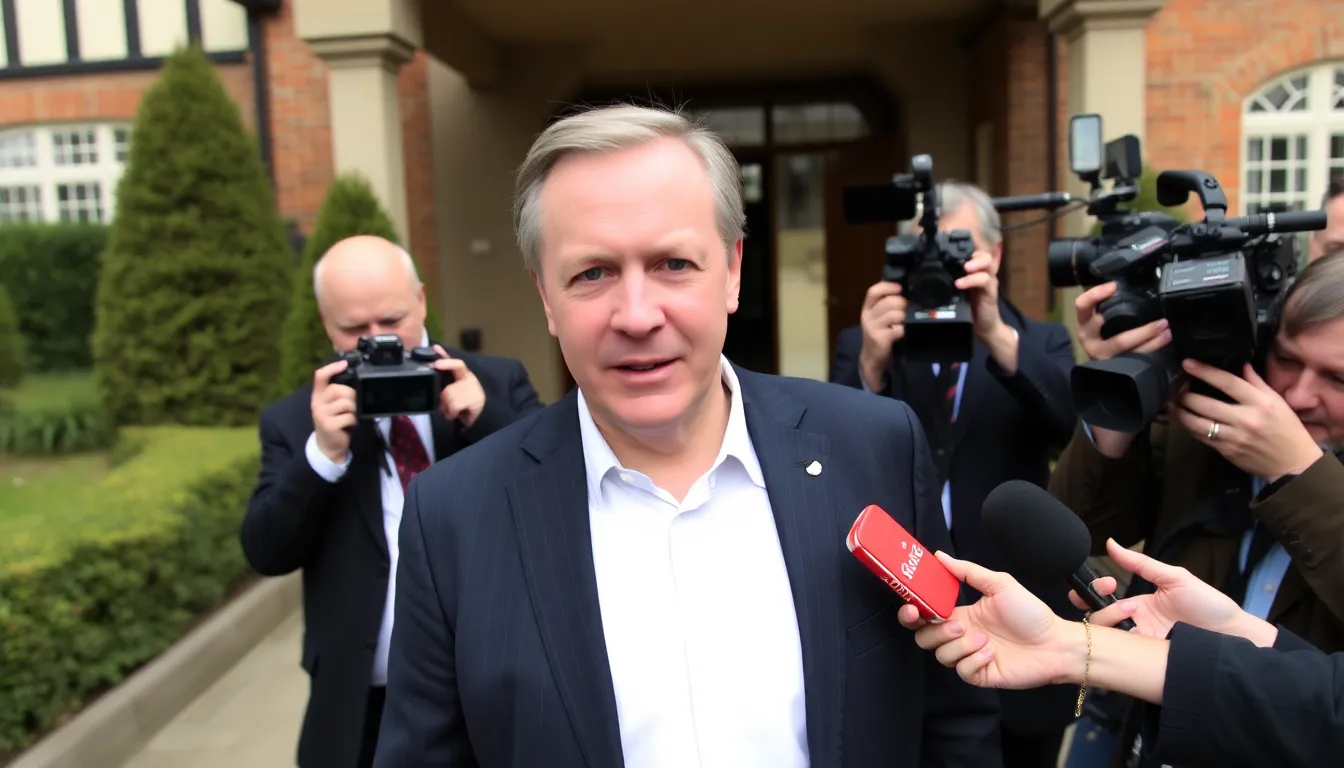
Frequently asked questions about Farage’s finances
Key points and future outlook on Farage’s financial scrutiny
The ongoing scrutiny of Nigel Farage’s financial dealings, particularly concerning his properties and a substantial £5 million gift, raises significant questions about transparency and accountability in political finance. As investigations unfold, the implications for Farage’s public image and political aspirations could be profound, potentially impacting his supporters and the broader political landscape.
Moving forward, it will be critical to observe how these financial inquiries evolve and whether they lead to any regulatory changes regarding political funding. The public’s reaction and the media’s coverage will also play a pivotal role in shaping the narrative around Farage’s finances and his future in politics.
- The potential for increased regulatory scrutiny on political donations and personal finances of public figures.
- Public perception of transparency in politics may lead to calls for reform in how political figures disclose their financial dealings.
- Farage’s ability to maintain his political influence amidst these allegations will be closely monitored.
- The outcome of these inquiries could set a precedent for future cases involving political finance.
- Continued media attention may affect the dynamics within Farage’s party and his supporters’ loyalty.