
The acquisition is part of a broader trend where US firms are increasingly investing in European space infrastructure, including advanced A.I. technologies. This move not only enhances the capabilities of the acquiring firm but also strengthens the strategic partnership between the two nations in the realm of satellite communications and data services.
Industry analysts believe this deal could lead to advancements in satellite technology and improved services for both commercial and governmental clients. With the global demand for satellite data rising, the integration of this station into the US firm’s operations could facilitate enhanced data collection and transmission capabilities.
Additionally, this acquisition highlights the competitive landscape of the space sector, where access to advanced satellite technology is crucial. As companies race to secure valuable assets, this deal could set a precedent for future transactions in the industry, further shaping the dynamics of global space exploration and commercial utilization.
Background on the satellite industry and previous transactions
The satellite industry has experienced significant growth over the past few decades, driven by advancements in technology and increasing demand for satellite communications, imaging, and data services. Historically, the industry has been dominated by a few key players, often involving complex partnerships and strategic acquisitions to enhance capabilities and expand market reach. The recent trend of consolidation in the sector reflects the need for companies to pool resources and expertise to compete effectively in a rapidly evolving landscape.

In the early 2000s, the introduction of private companies into the satellite market marked a turning point, as firms began to recognize the potential for commercial applications of satellite technology. This shift led to a series of high-profile mergers and acquisitions, as established companies sought to integrate new technologies and expand their service offerings. The acquisition of satellite stations has become a strategic move, allowing firms to enhance their operational capabilities and secure valuable assets in the face of growing competition.
Key Milestones in Satellite Acquisitions
One of the most notable milestones occurred in 2016 when AT&T acquired DirecTV for $48.5 billion, significantly expanding its satellite broadcasting capabilities. This acquisition underscored the trend towards vertical integration within the industry, as companies sought to control both content and distribution. Furthermore, the 2018 merger of satellite operators Intelsat and SES highlighted the importance of collaboration in addressing the challenges posed by new entrants and technological advancements.
The proposed £37 million deal for the satellite station reflects ongoing interest from US firms in expanding their footprint in the European market, as highlighted in discussions about foreign investments. As geopolitical tensions and regulatory considerations shape the landscape, American companies are increasingly looking to acquire established assets that can provide them with a competitive edge.
Key stakeholders and potential issues surrounding the deal
The acquisition of a satellite station by a US firm for £37 million involves several key stakeholders, including the purchasing company, local government authorities, regulatory bodies, and the community surrounding the satellite station. Each of these actors has distinct interests that may influence the outcome of the deal.
The purchasing company is primarily interested in expanding its operations and enhancing its capabilities in satellite communications. This move could allow them to gain a competitive edge in the rapidly evolving space technology market. However, their intentions may be scrutinized by local authorities concerned about foreign ownership of critical infrastructure.
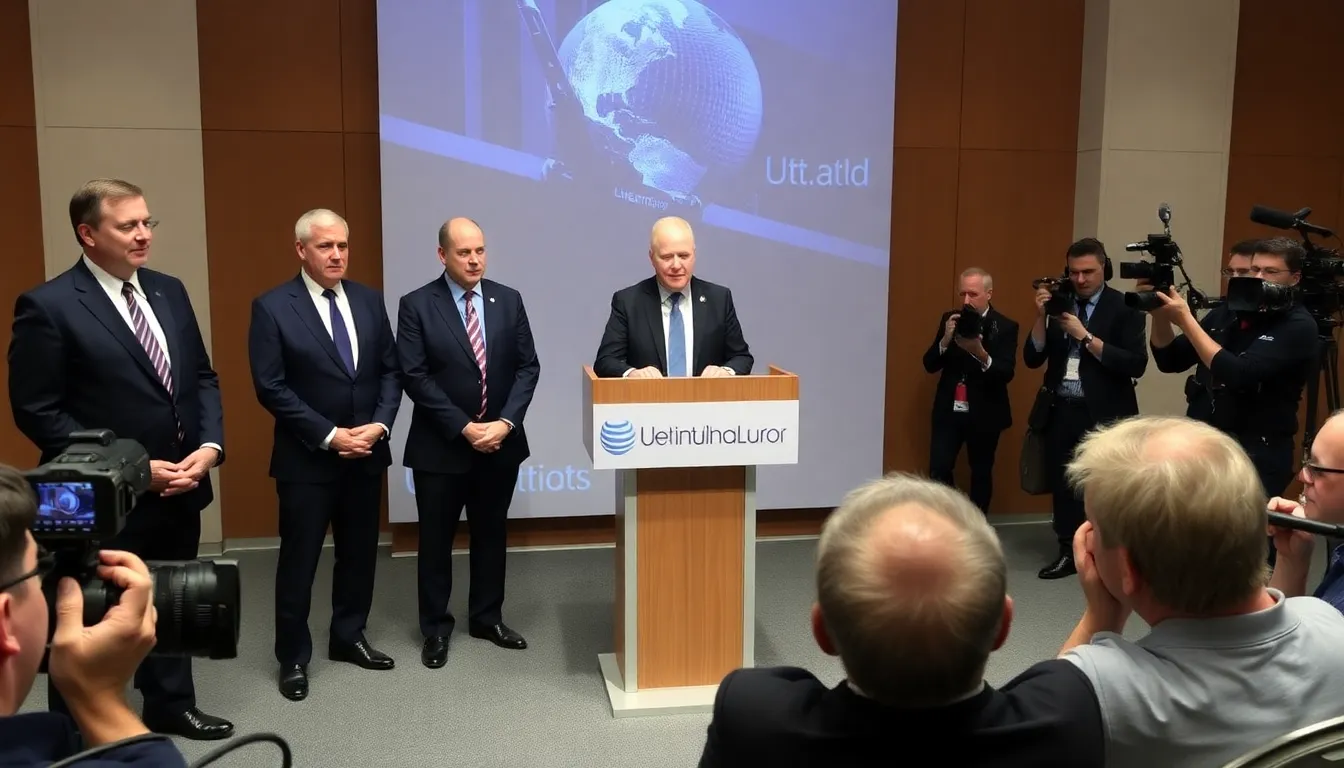
Local government authorities have a vested interest in ensuring that the acquisition aligns with national security interests and economic development goals. They may seek guarantees that the deal will create jobs and foster local investment. Additionally, regulatory bodies will need to assess the deal’s compliance with existing laws and regulations, particularly those related to telecommunications and foreign investments.
- National Security Concerns: The involvement of a foreign entity in critical infrastructure may raise alarms regarding data security and national sovereignty.
- Economic Impact: The deal could generate economic benefits through job creation, but it may also lead to concerns about capital flight if profits are repatriated.
- Community Reactions: Local communities may express concerns about environmental impacts or changes to service quality following the acquisition.
- Regulatory Scrutiny: The deal will likely face rigorous examination from regulatory bodies to ensure compliance with laws governing foreign investments.
In summary, the stakeholders involved in this acquisition will need to navigate a complex landscape of interests, potential conflicts, and legal considerations. The outcome of this deal could set a precedent for future foreign investments in the UK’s satellite and telecommunications sectors.
Impacts on the market and affected communities
The acquisition of the satellite station by the US firm is set to influence various groups, including local communities, businesses reliant on satellite communications, and the broader tech industry. The deal, valued at £37 million, is likely to have both immediate and lasting effects on the market dynamics of satellite services and related sectors.
In the short term, local employment opportunities may be impacted as the new ownership could lead to restructuring or changes in operational focus. Employees at the satellite station might face uncertainties regarding job security, while the local economy could see fluctuations based on the firm’s investment decisions. Key affected groups include:
- Employees of the satellite station
- Local businesses that depend on satellite communications
- Government and regulatory bodies overseeing telecommunications
In the mid-term, the acquisition could lead to enhanced service offerings and technological advancements as the US firm integrates its resources and expertise. This may create opportunities for innovation in satellite technology, potentially benefiting industries such as telecommunications, broadcasting, and data services. However, there are risks associated with market consolidation, including reduced competition and potential price increases for consumers.

The deal may also impact regional policies related to space and telecommunications. As the US firm expands its presence, local governments may need to adapt regulations to accommodate new operational standards. This could lead to both challenges and opportunities for policy-makers as they balance economic growth with consumer protection and competitive practices.
A: The acquisition aims to enhance the US firm’s capabilities in satellite communications and expand its market presence. A: The impact on existing employees will depend on the integration process, but there may be opportunities for growth and new roles. A: The deal may face scrutiny from regulatory bodies to ensure compliance with industry standards and competition laws. A: The acquisition is expected to be finalized within the next few months, pending regulatory approvals. A: This acquisition could lead to increased competition and innovation within the satellite industry, potentially benefiting consumers.
Frequently asked questions about the acquisition
Key insights and future outlook on the acquisition
The acquisition of the satellite station by the US firm for £37 million marks a significant development in the global telecommunications landscape. This move not only strengthens the buyer’s position in the satellite communications market but also highlights the growing importance of satellite technology in various sectors, including telecommunications, defense, and environmental monitoring. As the demand for reliable satellite services continues to rise, this acquisition could pave the way for enhanced service offerings and technological advancements.
Stakeholders should monitor how this acquisition influences competition within the industry, particularly regarding pricing strategies and service innovations. Additionally, the integration of the satellite station’s operations with the US firm’s existing infrastructure will be crucial in determining the overall success of this venture.
- The acquisition may lead to increased investment in satellite technology, driving innovation and improving service quality.
- Watch for potential partnerships or collaborations that could emerge as a result of this deal, especially in the areas of data analytics and satellite imagery.
- Regulatory responses could shape the operational landscape, particularly concerning international satellite operations and compliance.
- This deal may trigger further consolidation in the satellite sector, prompting other firms to pursue similar acquisitions to remain competitive.