
The backdrop of this declaration comes amid heightened tensions in the Taiwan Strait. China has increased military activities near Taiwan, including frequent air incursions and naval exercises, which have raised alarms about a potential conflict. This situation, as detailed in Trump’s return and the rise of China in the last decade, has drawn international attention, as global powers weigh their responses to China’s assertiveness in the region.
Trump’s recent comments suggested that the U.S. might reconsider its approach to Taiwan, urging a more aggressive stance against Chinese aggression. This has sparked discussions within Taiwan about the implications of U.S. foreign policy and its commitment to Taiwan’s defense. The island’s leaders are keen to maintain strong ties with the U.S. while navigating the complexities of regional security.
The situation is critical not only for Taiwan but also for the broader geopolitical landscape. As Taiwan continues to assert its independence, it faces a delicate balancing act between fostering international support and managing relations with China. The outcome of these tensions could have far-reaching implications for stability in East Asia and beyond.
Understanding the historical context of Taiwan’s independence
The issue of Taiwan’s independence is deeply rooted in a complex historical backdrop that dates back to the end of the Chinese Civil War in 1949. Following the defeat of the Nationalist Party (Kuomintang) by the Communist Party of China, the Nationalists retreated to Taiwan, establishing a government there. This marked the beginning of a separate political entity that would evolve into the Republic of China (ROC) on Taiwan, while the People’s Republic of China (PRC) was established on the mainland. The PRC views Taiwan as a breakaway province, while many in Taiwan consider themselves a distinct nation.
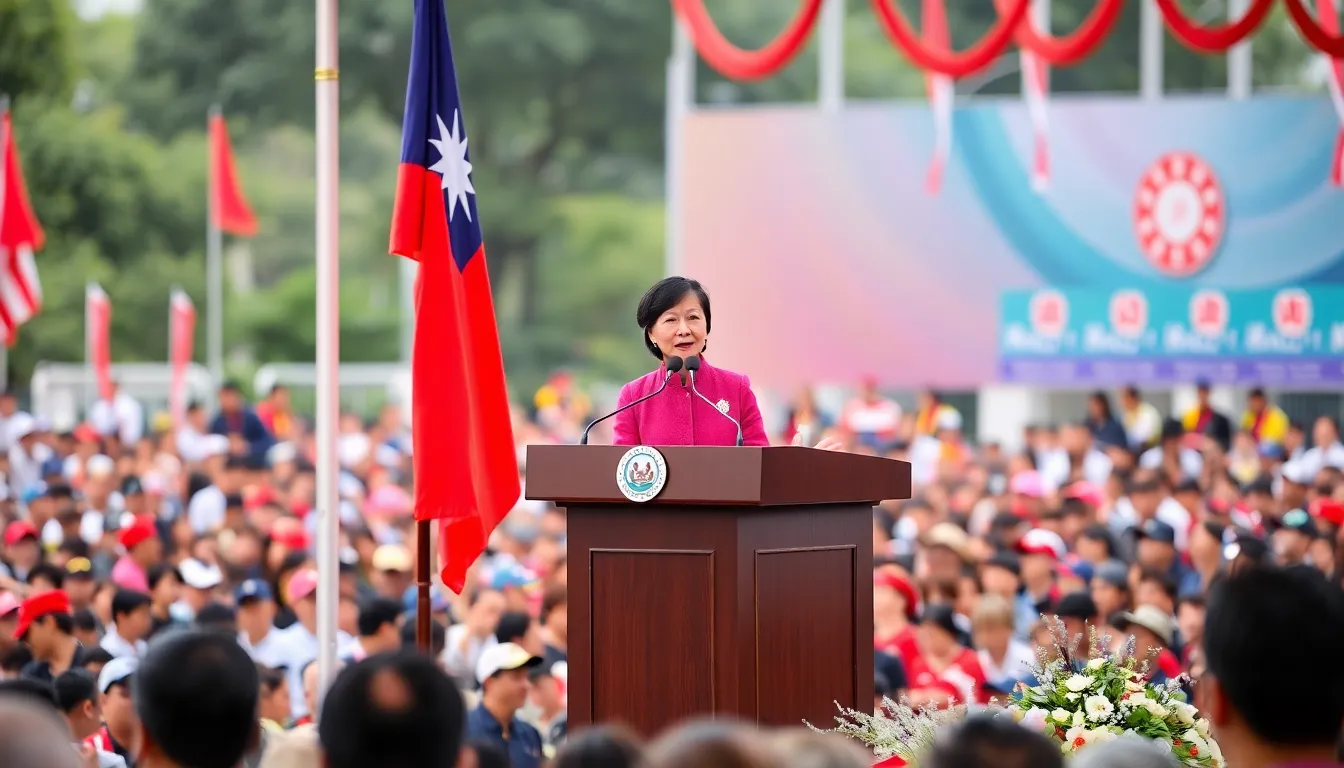
Throughout the latter half of the 20th century, Taiwan underwent significant political and economic transformations. Initially ruled under martial law, Taiwan transitioned to a democratic system in the late 1980s and early 1990s. This democratization process fostered a unique Taiwanese identity, which has increasingly diverged from the mainland’s political narrative. Economic growth during this period also contributed to a sense of stability and independence among the Taiwanese population, further complicating cross-strait relations.
Key Milestones in Taiwan’s Independence Movement
Several key events have shaped Taiwan’s quest for international recognition and independence. In 1996, Taiwan held its first direct presidential election, a significant milestone in its democratic development. The election of President Lee Teng-hui, who advocated for a Taiwanese identity, marked a shift in public sentiment towards independence. The 2000 election of Chen Shui-bian, who openly supported Taiwan’s independence, further escalated tensions with the PRC, leading to increased military posturing and diplomatic isolation for Taiwan.
In recent years, the issue of independence has gained renewed urgency, particularly in light of rising tensions between the U.S. and China. The U.S. has historically supported Taiwan through arms sales and diplomatic gestures, which the PRC strongly opposes. For a deeper understanding of these geopolitical dynamics, refer to Understanding the Global Story, which reflects ongoing geopolitical dynamics that influence Taiwan’s status and its quest for international recognition.
Key stakeholders and their positions on Taiwan’s independence
The issue of Taiwan’s independence is complex, involving multiple stakeholders with divergent interests. The primary actors include the Taiwanese government, the Chinese government, the United States, and various international organizations. Each of these entities plays a significant role in shaping the discourse surrounding Taiwan’s status and its implications for regional stability.
The Taiwanese government, led by President Tsai Ing-wen, firmly asserts its sovereignty and independence. Tsai’s administration aims to maintain Taiwan’s democratic governance while seeking international support to counteract China’s increasing pressure. This stance is rooted in a desire to preserve Taiwan’s identity and autonomy, which resonates with a significant portion of the Taiwanese population, as highlighted in Bill Maher Critiques Trump Over China Relations.
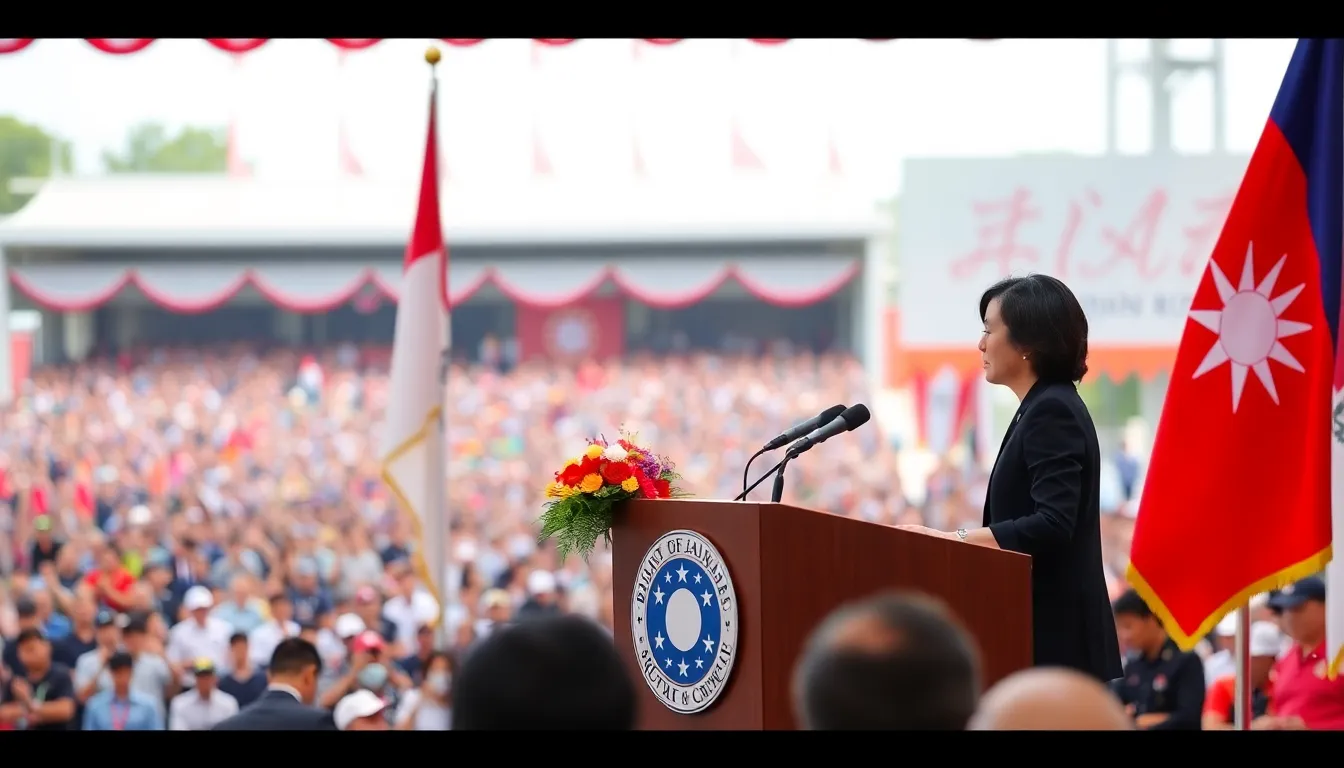
On the other hand, the Chinese government views Taiwan as a breakaway province that must eventually be reunified with the mainland. This perspective is deeply entrenched in China’s national identity and is bolstered by the “One China” principle. China’s assertive posture includes diplomatic isolation of Taiwan and military maneuvers that aim to deter any moves toward formal independence.
The United States plays a crucial role as a supporter of Taiwan, emphasizing a commitment to Taiwan’s defense under the Taiwan Relations Act. However, U.S. policy is characterized by strategic ambiguity, which aims to deter Chinese aggression while not explicitly endorsing Taiwanese independence. This delicate balancing act reflects broader U.S. interests in maintaining stability in the Asia-Pacific region.
- Military Tensions: Increased military exercises by China near Taiwan raise concerns about potential conflict.
- International Relations: Taiwan seeks to strengthen diplomatic ties with other nations, while China works to limit these relationships.
- Economic Implications: Taiwan’s semiconductor industry is vital to global supply chains, making its stability critical for international economies.
- Public Sentiment: Growing Taiwanese nationalism influences the government’s stance on independence.
- Legal Status: The ambiguity of Taiwan’s international recognition complicates its participation in global organizations.
Potential impacts on regional stability and international relations
The ongoing tensions between Taiwan and China, exacerbated by former President Trump’s warning, have significant implications for various groups and industries. Key stakeholders include Taiwanese citizens, Chinese authorities, international businesses, and governments across the Asia-Pacific region. Each of these groups may experience different levels of impact based on their interests and positions regarding Taiwan’s independence.
In the short term, Taiwanese businesses may face uncertainty as geopolitical tensions rise. This could lead to fluctuations in trade, particularly in technology and manufacturing sectors, where Taiwan plays a crucial role. Companies may need to reassess their supply chains and market strategies, which could disrupt daily operations and affect employment rates.
In the mid-term, the potential for increased military presence in the region could alter the landscape of international relations. Neighboring countries may feel pressured to reassess their defense policies and alliances. This could lead to a shift in regional power dynamics, impacting economic cooperation and security arrangements.
- Risks: Increased military tensions could lead to conflict, affecting civilian safety and economic stability.
- Opportunities: Countries may seek to strengthen trade relationships with Taiwan, boosting its economy and global standing.
- Policy Changes: Governments may introduce new policies to support Taiwan, influencing diplomatic relations and trade agreements.
Overall, while the situation presents significant risks, it also opens avenues for Taiwan to solidify its international presence and foster new partnerships, potentially reshaping the economic landscape in the Asia-Pacific region.
A: Trump warned that Taiwan’s independence could lead to significant geopolitical tensions, urging caution in their approach. A: Taiwan has firmly reiterated its commitment to independence, emphasizing its right to self-determination. A: The situation could strain US-Taiwan relations, especially if the US is perceived as not supporting Taiwan’s independence. A: China considers Taiwan a breakaway province and opposes any moves towards formal independence. A: A formal declaration of independence could provoke military responses from China, escalating tensions in the region.
Frequently asked questions about Taiwan’s independence
Looking ahead: Taiwan’s future and international dynamics
The recent declaration by Taiwan asserting its independence, especially in light of warnings from former President Trump, underscores the ongoing complexities surrounding its status on the global stage. As tensions between the United States and China continue to evolve, Taiwan’s position becomes increasingly critical not only for regional stability but also for international relations involving major powers.
Moving forward, the implications of Taiwan’s stance will likely reverberate across diplomatic channels and influence economic partnerships. Observers should pay close attention to how both Taiwan and its allies navigate this delicate situation, as well as the potential responses from China, which views Taiwan as a breakaway province.
- The potential for increased military support from the U.S. and its allies to Taiwan, aimed at deterring aggression from China.
- Monitoring shifts in international trade policies that may arise as countries reassess their positions on Taiwan amidst heightened tensions.
- The impact of Taiwan’s assertive independence stance on its diplomatic relations with neighboring countries in the Asia-Pacific region.
- Public sentiment in Taiwan, which may influence future elections and policy directions regarding cross-strait relations.
- Possible scenarios of economic repercussions for Taiwan and China if tensions escalate further, affecting global supply chains.