
The operation involved collaboration between the New York Police Department (NYPD) and various city agencies, targeting areas known for high incidents of illegal motorbike activity. As part of this initiative, authorities have reported seizing over 600 motorbikes, many of which were found to be operated without proper licenses or insurance, contributing to reckless driving and public disturbances. For more on police operations, check out our article on a major police operation targeting drug and knife crime.
Community concerns have escalated in recent months as illegal motorbikes have been linked to increased noise pollution and dangerous driving behavior. Residents have expressed frustration over the lack of enforcement, prompting city officials to take decisive action. The destruction of these vehicles serves not only as a deterrent but also as a message that illegal activities will not be tolerated in New York City, reflecting broader efforts like the push to combat drug and knife crime.
This crackdown is part of a broader strategy to address urban crime and improve the quality of life for residents. By removing these illegal motorbikes from the streets, city leaders aim to foster a safer environment and restore order in neighborhoods that have been adversely affected by this growing issue.
Understanding the background of motorbike-related crime in NYC
New York City has long faced challenges related to illegal motorbike use, with the rise of unregistered and often modified bikes contributing to a growing public safety concern. Over the years, these vehicles have become synonymous with reckless driving, noise complaints, and a surge in accidents. The influx of illegal motorbikes can be traced back to the early 2000s, when a combination of economic factors and urban youth culture began to embrace these vehicles as both a mode of transportation and a symbol of rebellion.
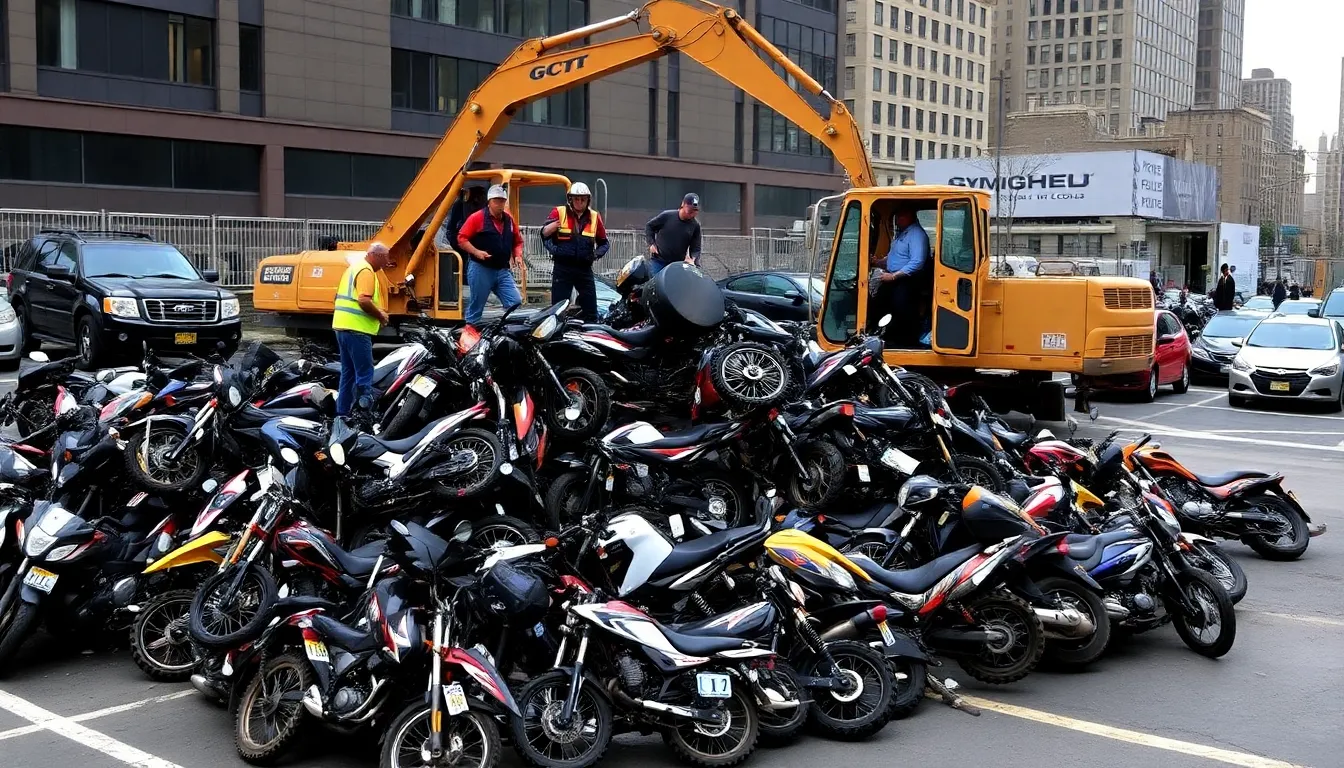
The political response to this issue has evolved, with various administrations implementing stricter regulations and enforcement measures. In recent years, community pressure and high-profile incidents involving illegal motorbikes have prompted city officials to take a harder stance. This culminated in a series of crackdowns aimed at reducing the number of illegal bikes on the streets, with significant operations leading to the confiscation and destruction of hundreds of vehicles.
The economic impact of illegal motorbikes
The proliferation of illegal motorbikes has not only affected public safety but has also had economic implications for the city. Businesses and residents in neighborhoods heavily impacted by reckless driving have reported a decline in quality of life, leading to calls for action from local leaders. The costs associated with accidents, emergency services, and property damage further strain city resources, prompting a need for more comprehensive policies to address the root causes of motorbike-related crime.
As the city grapples with these challenges, it also faces the broader social implications of youth engagement with illegal motorbikes. Many young riders view these bikes as an accessible alternative to public transportation, often citing economic constraints and a lack of viable options as reasons for their choices. This complex interplay of social, economic, and political factors has shaped the ongoing narrative surrounding motorbike use in New York City, making it a multifaceted issue that requires careful consideration and targeted solutions, similar to issues faced in other urban areas.
Examining the stakeholders involved in the crackdown
The recent crackdown on illegal motorbikes in New York City has brought together various stakeholders, each with distinct interests and perspectives on the issue. Key actors include city government officials, law enforcement agencies, local residents, and advocacy groups. Understanding their roles and conflicts can provide insight into the broader implications of this enforcement action.
City government officials, including the mayor’s office and the Department of Transportation, are primarily focused on public safety and urban order. Their interest lies in reducing crime associated with illegal motorbikes, which are often linked to reckless driving and other illegal activities. This crackdown is part of a broader strategy to enhance community safety and improve the quality of life for residents.
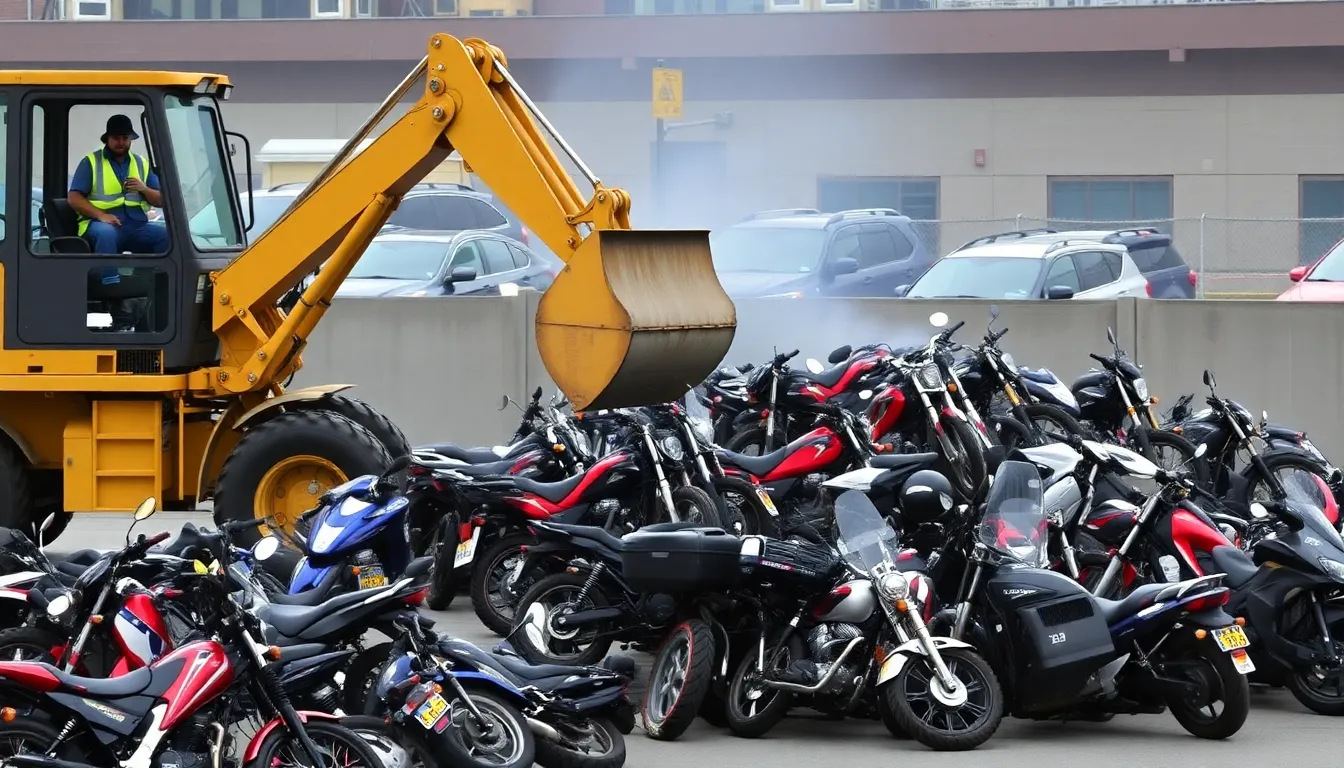
Law enforcement agencies, such as the NYPD, play a crucial role in implementing these policies. Their interest is in enforcing the law and deterring illegal activities. However, they also face challenges, including the need to balance enforcement with community relations. Aggressive enforcement can lead to tensions with residents who may view it as overreach or discrimination.
Local residents are a significant stakeholder group, as they are directly affected by the presence of illegal motorbikes. Many residents support the crackdown due to concerns about noise, safety, and property damage. However, some community members may also advocate for more comprehensive solutions that address the root causes of illegal riding, such as lack of access to affordable transportation options.
- Conflicts of Interest: Tensions may arise between law enforcement and community members regarding the methods used in the crackdown.
- Economic Considerations: The impact on local businesses and the potential loss of income for individuals who rely on these motorbikes for transportation must be considered.
- Legal Implications: The enforcement actions could lead to legal challenges regarding due process and the rights of individuals whose bikes are confiscated.
- Community Engagement: There is a need for dialogue between stakeholders to address community concerns while still enforcing the law.
Assessing the impact on local communities and law enforcement
The recent crackdown on illegal motorbikes in New York City has significant implications for various groups, including local residents, law enforcement agencies, and the motorcycle industry. Communities plagued by noise and reckless riding may experience immediate relief, while law enforcement can focus on more pressing criminal activities. However, some motorcycle enthusiasts and small businesses linked to the motorcycle industry may face challenges as a result of these actions.
In the short term, residents in areas affected by illegal motorbikes are likely to notice a decrease in disturbances, leading to improved safety and quality of life. This could foster a more positive community atmosphere and potentially increase property values. On the other hand, local businesses that cater to motorcycle enthusiasts may see a decline in customer traffic as illegal riding options diminish.
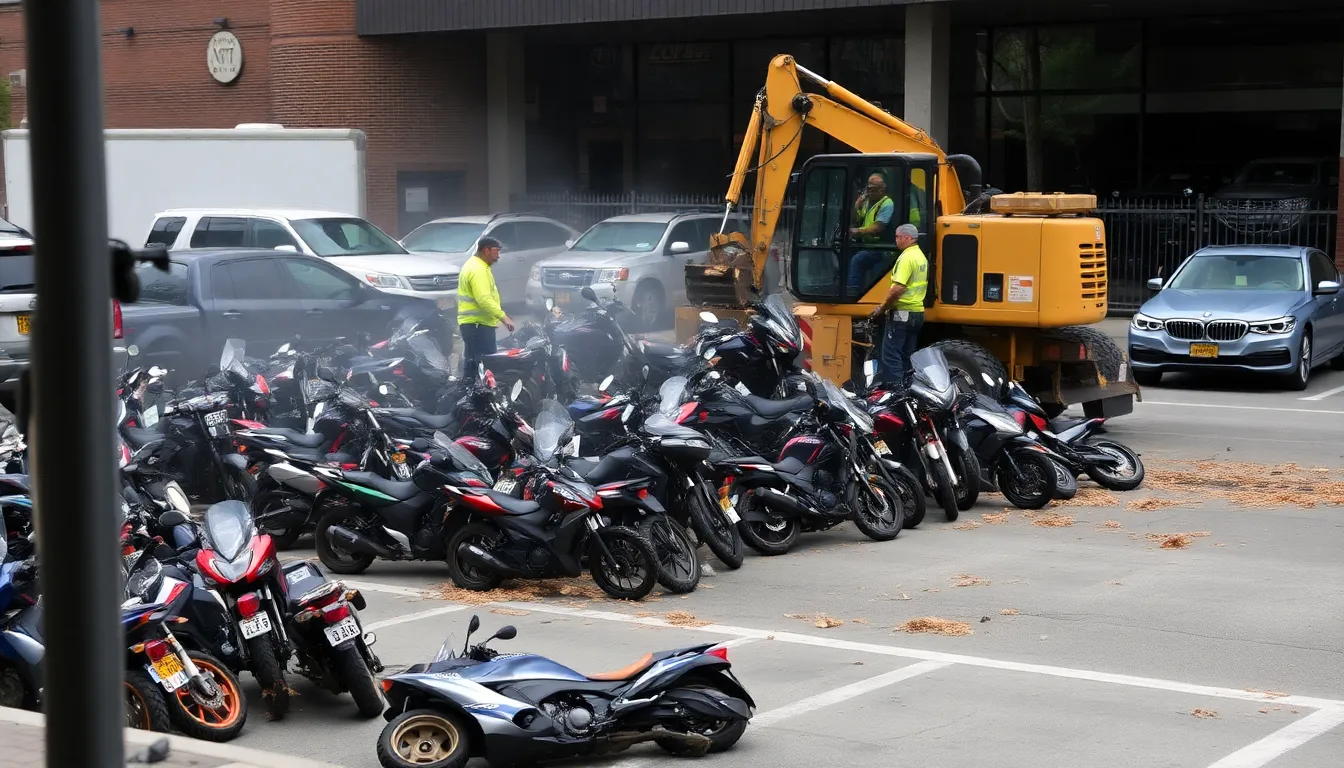
Mid-term impacts could include changes in local policies regarding motorbike regulations and enforcement. Law enforcement may allocate more resources towards monitoring legal motorbike usage, which could lead to increased compliance among riders. However, this heightened scrutiny could also create tensions between law enforcement and legitimate motorbike riders, who may feel unfairly targeted.
- Short-term benefits: Reduced noise and safety concerns for local residents.
- Short-term challenges: Decreased patronage for businesses related to motorbike culture.
- Mid-term policy shifts: Potential changes in enforcement strategies and regulations.
- Risk of tension: Increased conflict between law enforcement and legitimate riders.
- Opportunities for advocacy: Growth of community-driven initiatives promoting safe riding practices.
As the city navigates the aftermath of this crackdown, it will be crucial for stakeholders to engage in dialogue to address concerns and explore potential solutions that balance safety with the interests of motorbike enthusiasts and local businesses.
A: The motorbikes were bulldozed as part of a crackdown on illegal activities, aimed at improving public safety and reducing crime associated with these vehicles. A: Authorities reported that hundreds of illegal motorbikes were destroyed during the operation, marking a significant effort to address the issue. A: The crackdown involves strict enforcement of laws against unregistered and illegally modified motorbikes, which pose safety risks. A: Community responses have been mixed, with some residents supporting the crackdown for safety reasons, while others express concern over the enforcement methods. A: City officials have indicated that ongoing efforts will be made to monitor and control illegal motorbike activities in the future.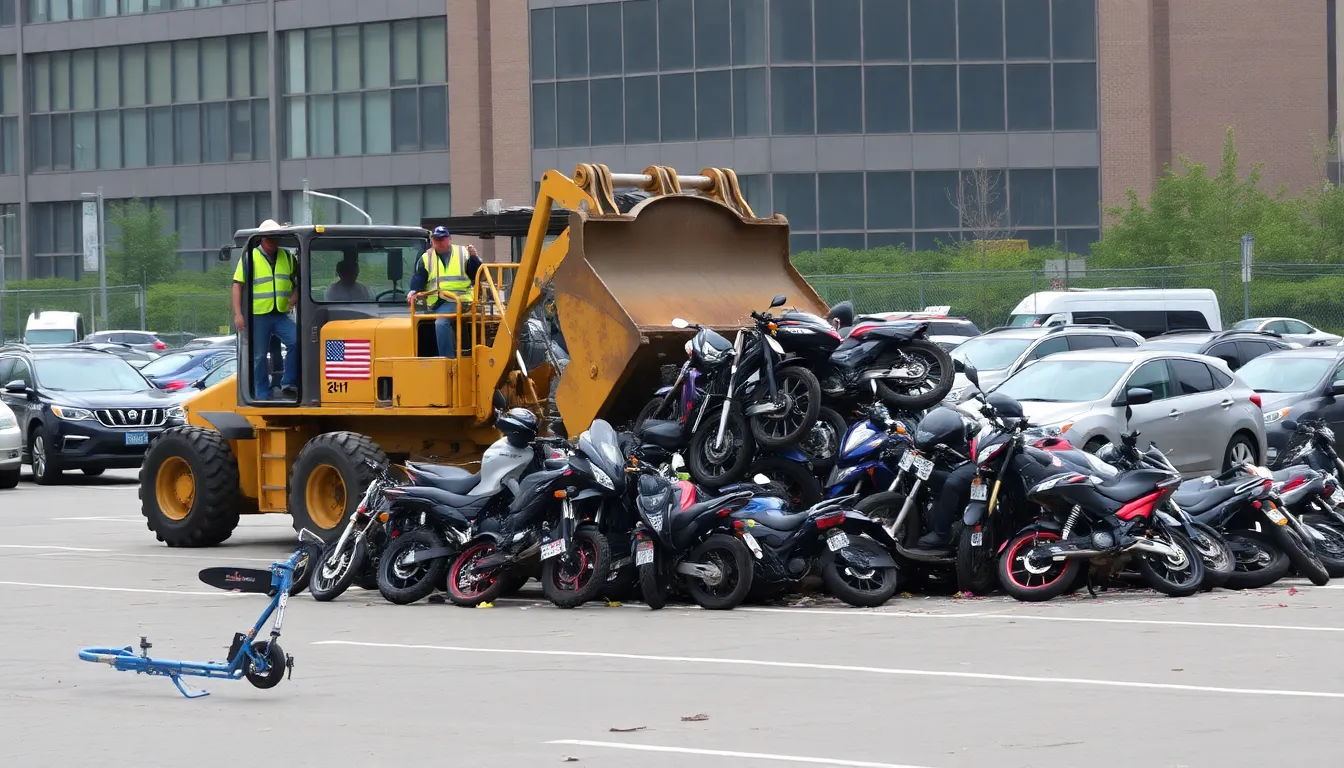
Frequently asked questions about the motorbike crackdown
Key takeaways and future outlook on crime in NYC
The recent crackdown on illegal motorbikes in New York City highlights the ongoing efforts of law enforcement to address rising crime rates and enhance public safety. This initiative not only aims to reduce the prevalence of illegal vehicles but also serves as a broader statement about the city’s commitment to maintaining order and deterring criminal activity. As the city continues to navigate these challenges, the implications of such actions will resonate across various aspects of urban life.
Moving forward, it will be essential to monitor the effectiveness of these measures and their impact on community relations, traffic safety, and overall crime trends. The response from the public and the potential for similar initiatives in other areas will also provide insight into the city’s approach to crime prevention and enforcement strategies.
- Increased enforcement: Expect more targeted operations against illegal vehicles as part of a broader strategy to combat crime.
- Community engagement: The success of such initiatives may depend on building trust and cooperation between law enforcement and local communities.
- Potential policy changes: This crackdown could lead to discussions on stricter regulations regarding motor vehicle use and ownership.
- Public safety outcomes: Monitoring the impact on traffic incidents and overall crime rates will be crucial to evaluating the effectiveness of these measures.
- Broader implications: The response to this initiative may influence future crime prevention strategies and resource allocation within the city.