
This inquiry is being framed as a response to rising public questions about vaccine transparency.
In recent months, Kennedy has engaged with a range of stakeholders, including scientists, healthcare professionals, and concerned citizens. His approach has sparked debates within both public health circles and the broader community, as advocates for vaccine safety and efficacy clash over the implications of his findings. The inquiry’s outcomes could have far-reaching effects on public trust in vaccines.
The potential for increased polarization on this topic underscores the significance of Kennedy’s actions and the broader implications for public health initiatives.
Understanding the historical context of vaccine skepticism
Vaccine skepticism has a long and complex history that dates back to the inception of vaccination itself. The practice began in the late 18th century with Edward Jenner’s smallpox vaccine, which was met with both enthusiasm and resistance. Over the years, as vaccines became more widespread, various societal factors contributed to a growing skepticism surrounding their safety and efficacy. This skepticism has often been fueled by misinformation, political agendas, and personal anecdotes that resonate with the public.
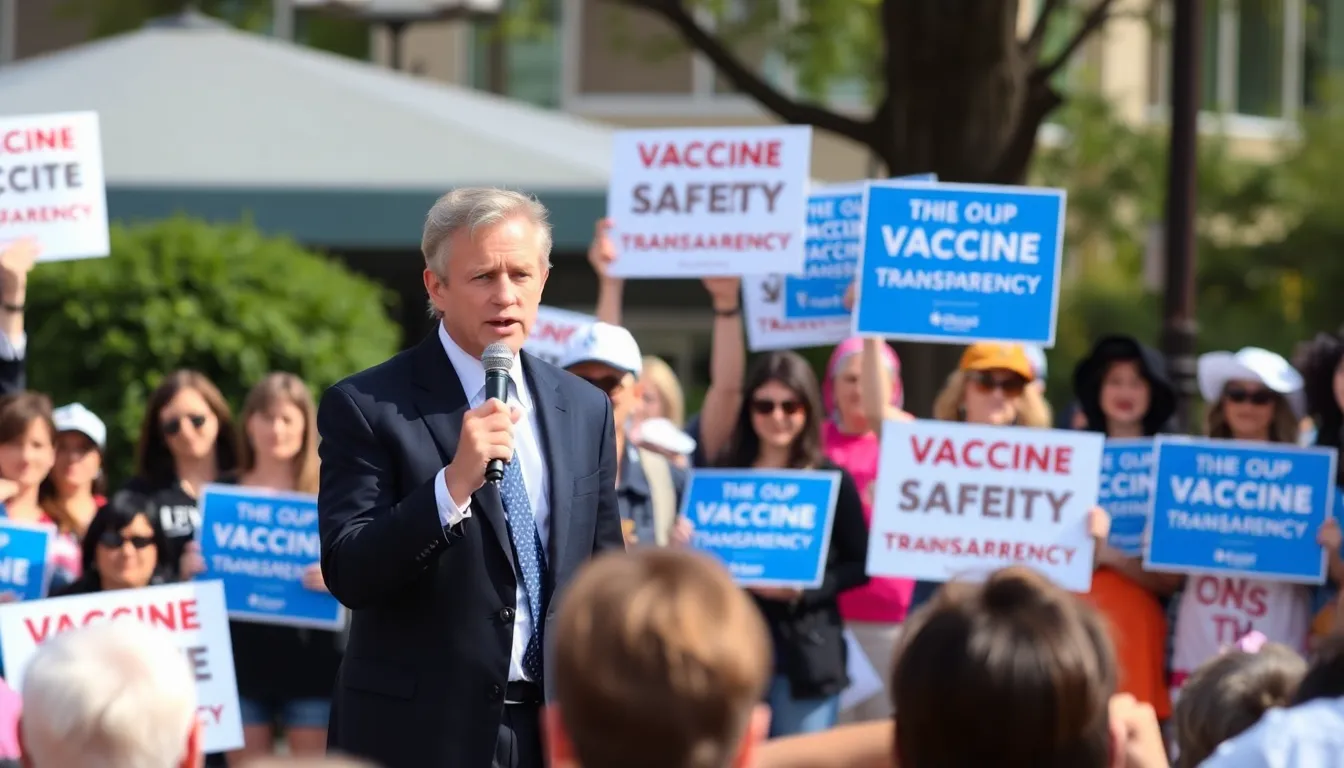
In the late 20th century, the anti-vaccine movement gained significant traction, particularly after the now-discredited study by Andrew Wakefield in 1998 falsely linked the MMR vaccine to autism. This study ignited fears about vaccine safety and led to a decline in vaccination rates in certain communities. The ensuing public health crises, including outbreaks of measles and whooping cough, underscored the importance of maintaining high vaccination coverage to protect herd immunity.
The Role of Political Figures in Vaccine Debate
Political figures have played a crucial role in shaping public perceptions of vaccines. In recent years, individuals like Robert F. Kennedy Jr. have emerged as prominent voices in the vaccine skepticism movement. Kennedy’s advocacy against vaccines has been marked by his focus on alleged correlations between vaccines and various health issues. His public statements, while often controversial, resonate with a segment of the population that is wary of government and pharmaceutical companies, further complicating the public discourse on vaccines.
Economic factors also contribute to the vaccine debate. The pharmaceutical industry’s significant profits from vaccine sales have led to accusations of conflicts of interest and profit-driven motives. This perception can erode public trust in vaccines, especially when coupled with high-profile lawsuits and settlements related to vaccine injuries. As a result, the intersection of politics, economics, and public health continues to shape the narrative surrounding vaccines, making it a deeply polarizing issue.
As the inquiry into vaccines continues to unfold, understanding these historical and contextual factors is essential. The dialogue surrounding vaccines is not merely a matter of science; it is intertwined with broader societal beliefs, political ideologies, and economic interests that have evolved over decades. This complex backdrop sets the stage for the ongoing debates and inquiries that are currently being driven by figures like RFK Jr.
Examining the stakeholders involved in the vaccine inquiry
His public stance has galvanized a significant following, raising awareness and concerns among segments of the population regarding vaccine efficacy and safety.
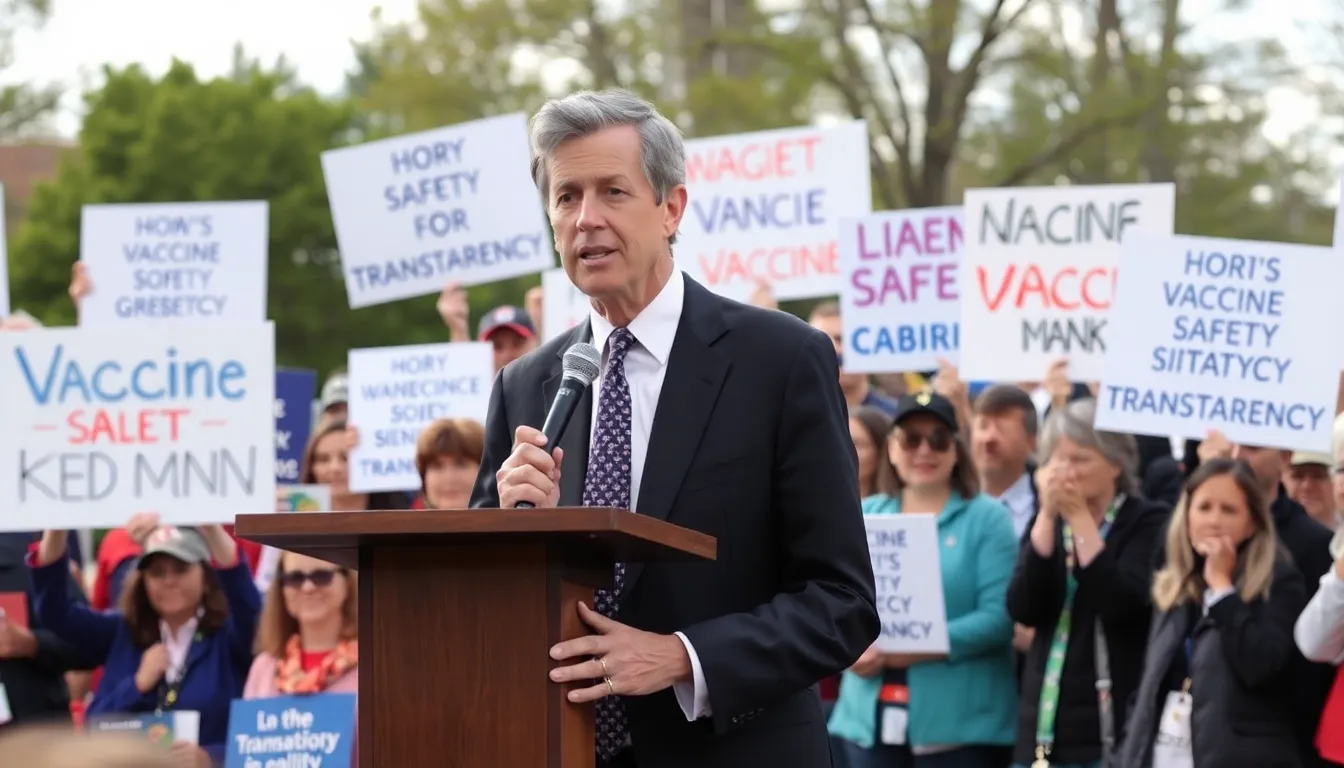
On the other side of the debate are major public health organizations, including the Centers for Disease Control and Prevention (CDC) and the World Health Organization (WHO). These entities advocate for vaccination as a critical public health measure, emphasizing the importance of herd immunity and the prevention of disease outbreaks. Their interests lie in maintaining public trust in vaccines and ensuring high vaccination rates to protect community health.
Governments also play a crucial role in this inquiry, as they are responsible for public health policy and regulation. The balance between public health interests and individual rights often creates tension, particularly when vaccine mandates are introduced. Policymakers must navigate the legal implications of such mandates while considering the economic impact of vaccine hesitancy on healthcare systems and overall public health.
- RFK Jr.’s Influence: His public silence may indicate a strategic approach to rallying support without direct confrontation.
- Public Health Organizations: They face challenges in countering misinformation while maintaining public confidence in vaccines.
- Government Regulations: Legal frameworks surrounding vaccine mandates are continually evolving, impacting public health strategies.
- Economic Implications: Vaccine hesitancy can lead to increased healthcare costs and economic burdens due to preventable diseases.
- Community Impact: The debate influences community dynamics, with varying levels of trust in vaccines across different populations.
Potential effects on public health and vaccine policy
The inquiry driven by RFK Jr. into vaccines is likely to affect various groups, including public health officials, healthcare providers, and vaccine manufacturers. Additionally, communities with differing views on vaccination may experience heightened tensions as discussions around vaccine safety and efficacy intensify.
In the short term, the inquiry may lead to increased scrutiny of vaccine policies and practices, potentially resulting in changes to vaccination schedules or mandates in certain regions. This could disrupt daily life for families who rely on school or workplace vaccination requirements, while also impacting healthcare providers who must navigate evolving guidelines.
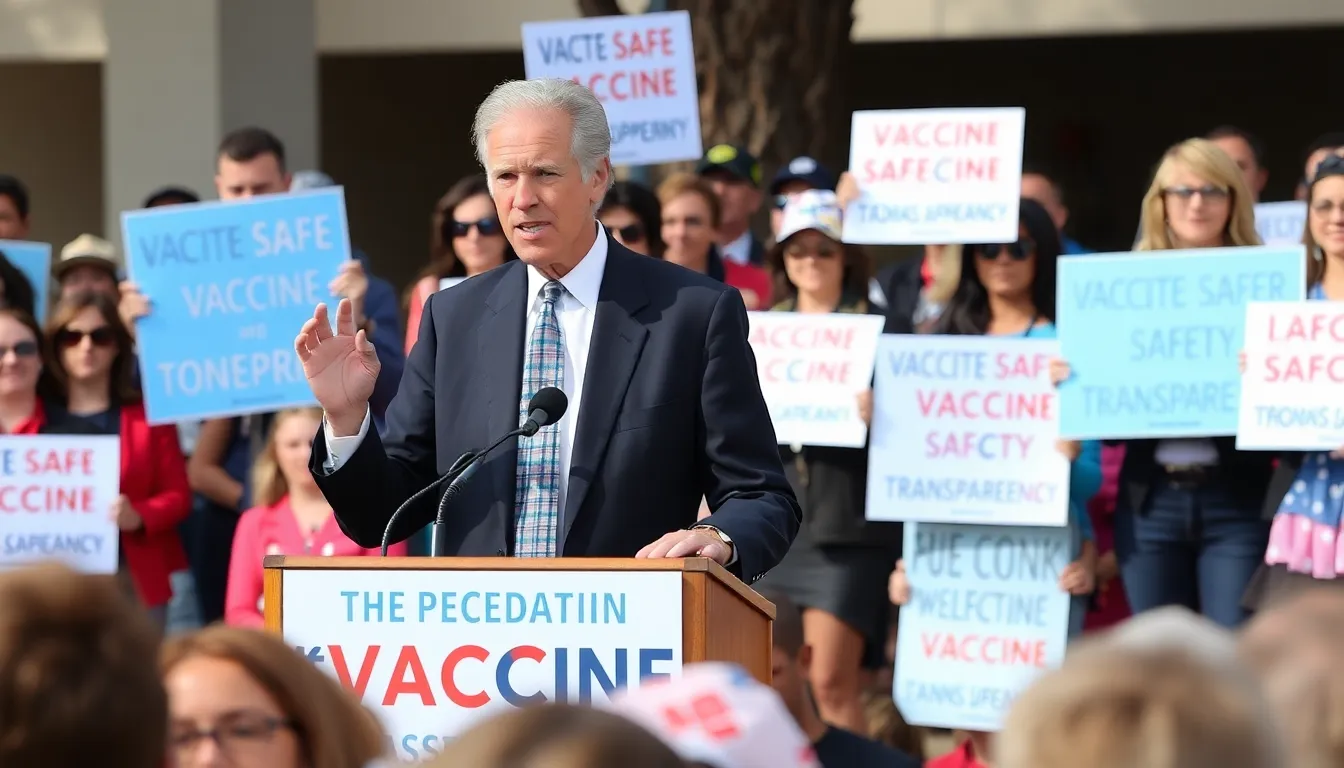
In the mid-term, the inquiry could influence public perception of vaccines, leading to shifts in vaccination rates. This may have significant implications for herd immunity, particularly in vulnerable populations. If vaccine hesitancy grows, it could result in outbreaks of preventable diseases, thus straining healthcare systems and resources.
- Increased debate over vaccine safety and efficacy.
- Potential policy changes regarding vaccination mandates.
- Impact on public trust in healthcare institutions.
- Possible economic implications for vaccine manufacturers.
However, there are also potential opportunities arising from this inquiry. Increased public engagement may lead to more informed discussions about vaccine safety, prompting healthcare providers to improve communication strategies. Additionally, if the inquiry results in transparent research and findings, it could restore trust in vaccines and ultimately strengthen public health initiatives.
A: The inquiry primarily focuses on vaccine safety and the potential risks associated with vaccination. RFK Jr. aims to investigate claims of adverse effects and the transparency of vaccine research. A: RFK Jr. has chosen to conduct the inquiry quietly to gather substantial evidence before making public statements. This approach allows for a more thorough investigation. A: Public reaction has been mixed, with some supporting his efforts for transparency and others criticizing him for promoting vaccine skepticism. The inquiry has sparked significant debate. A: The inquiry could lead to increased scrutiny of vaccine policies and practices, potentially impacting vaccination rates and public trust in health authorities. A: Yes, several public health officials and scientists have voiced opposition to RFK Jr.’s views, while some activists and groups advocating for vaccine choice support his inquiry.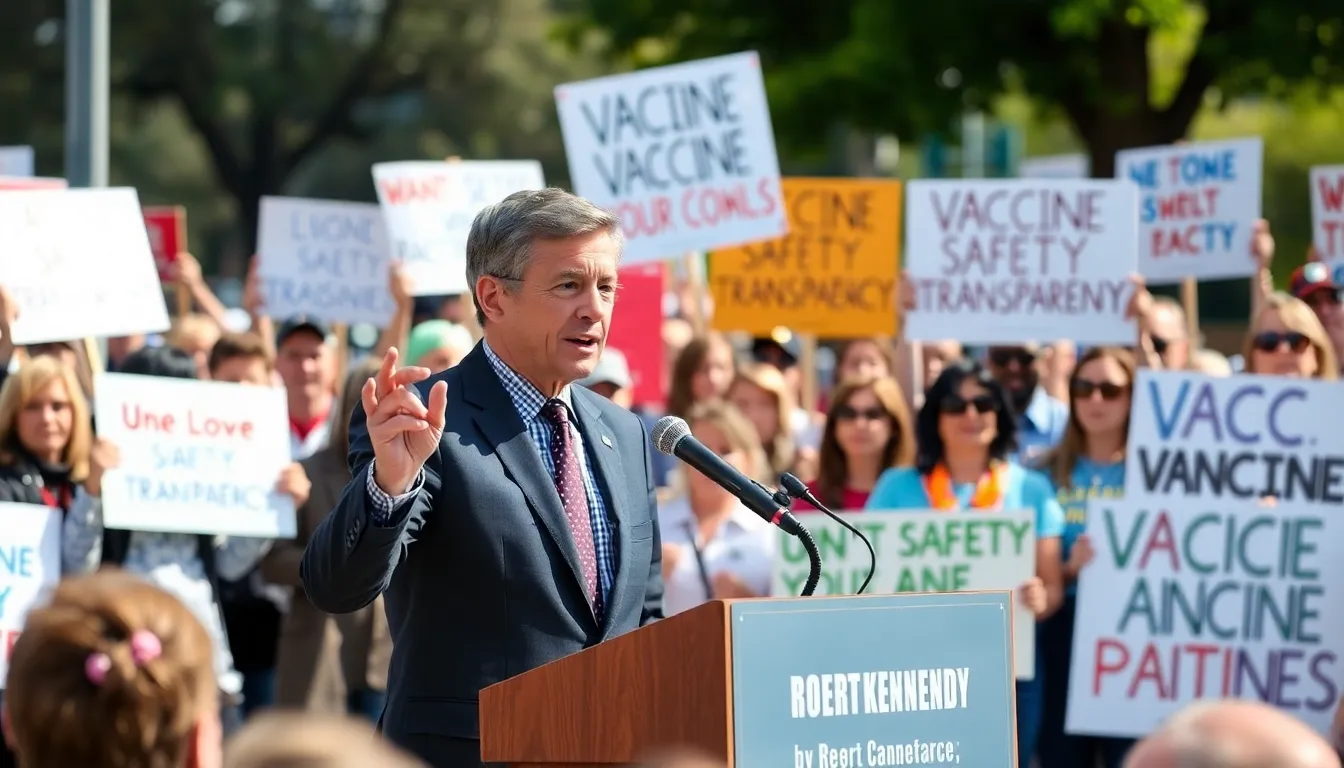
Frequently Asked Questions about RFK Jr. and Vaccines
Key takeaways and future implications of the inquiry
The ongoing inquiry into vaccines, largely driven by RFK Jr., raises significant questions about public health policies and the role of individual narratives in shaping public perception. Despite his public silence, the movement he has sparked is gaining momentum, suggesting a potential shift in how vaccine discourse may evolve in the future. Observers should remain vigilant as this inquiry unfolds, given its implications for both public trust and health policy.
As more individuals and organizations engage with the inquiry, the outcomes could influence vaccine acceptance and the broader conversation around public health. Stakeholders, including health officials, policymakers, and the media, will need to navigate this landscape carefully to address concerns while maintaining public confidence in vaccination programs.
- Monitor public sentiment: Tracking shifts in public opinion regarding vaccines will be crucial as the inquiry progresses.
- Engagement strategies: Health organizations may need to develop new communication strategies to address emerging concerns and misinformation.
- Policy implications: Changes in vaccine policy may arise depending on the inquiry’s findings and public response.
- Research opportunities: Increased interest in vaccine safety and efficacy may lead to more funding and research initiatives.