
In recent discussions, Salonga pointed out that many casting directors still hold outdated views that limit the opportunities for Asian actors. She noted that some producers may assume audiences are less likely to connect with performers who do not fit traditional Western standards of representation, which can lead to a lack of visibility for talented artists. This issue is crucial in the broader context of representation challenges in various fields.
The issue has gained renewed attention as Broadway seeks to diversify its offerings. With shows like “Aladdin” and “The King and I” featuring Asian characters, there is a growing demand for authentic representation. However, many argue that these roles are still few and far between, and often come with narrow expectations regarding how Asian performers are portrayed.
Salonga’s advocacy emphasizes the need for systemic change within the industry. She has called for more inclusive casting practices that recognize the value of diverse talent, urging producers to move beyond stereotypes and embrace a wider array of stories. As the conversation around representation continues, her experiences serve as a crucial reminder of the ongoing challenges faced by Asian artists in theater.
The Historical Context of Asian Representation in Theater
Throughout the history of American theater, Asian representation has been fraught with challenges, stereotypes, and underrepresentation. The early 20th century saw the emergence of yellowface, where non-Asian actors portrayed Asian characters, perpetuating harmful stereotypes and denying authentic representation. This practice not only marginalized Asian artists but also shaped public perception of Asian cultures as monolithic and exotic, a phenomenon echoed in various industries today, including the healthcare sector.
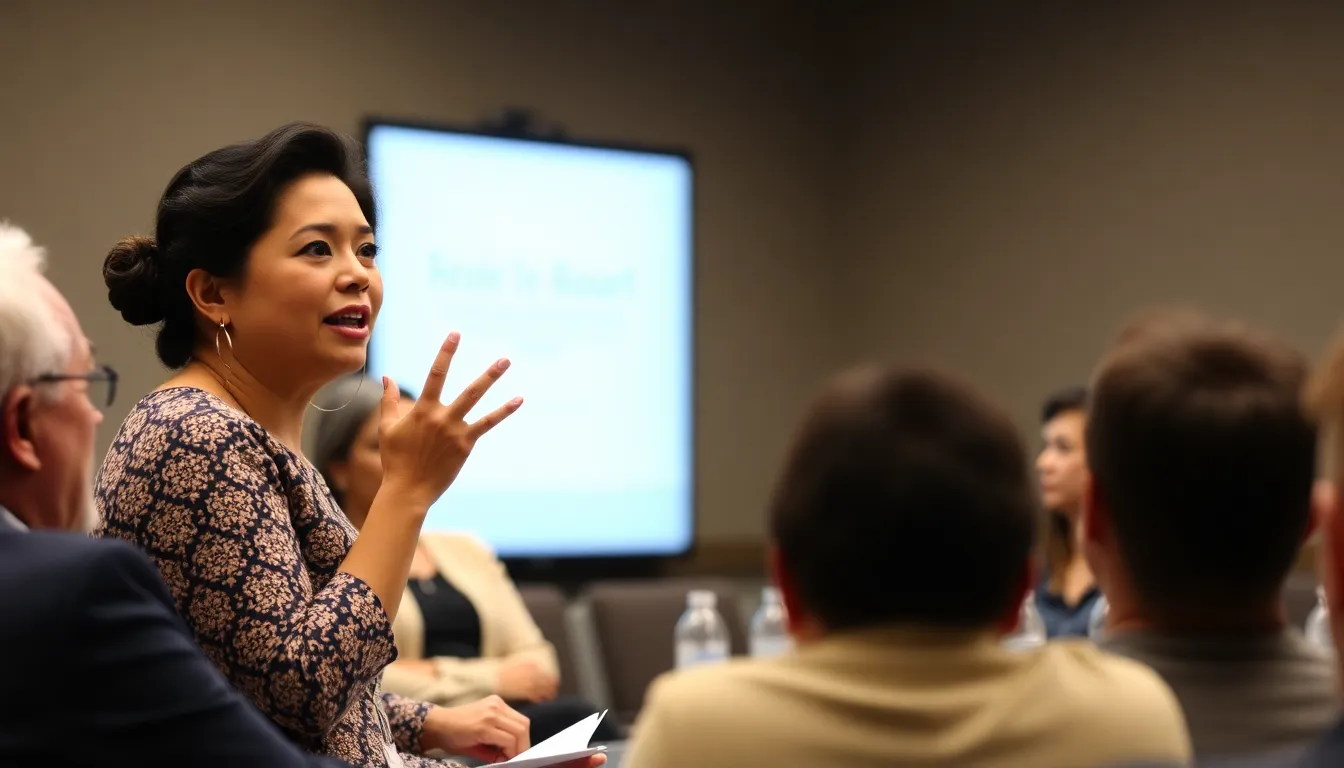
As Broadway evolved, so did the conversation around diversity and inclusion. The 1980s and 1990s marked a shift with the introduction of more Asian characters and stories, such as in the musical “Miss Saigon.” However, even these representations were often criticized for their reliance on stereotypes and the casting of non-Asian actors in lead roles. This created a complex landscape where Asian artists struggled to find opportunities that accurately reflected their identities and experiences.
Milestones in Asian Representation
Key milestones in the fight for Asian representation include the establishment of organizations like the Asian American Performers Action Coalition (AAPAC) in 2013, which aimed to document and advocate for Asian American performers on stage. Their reports highlighted the stark disparities in casting and representation, pushing for change within the industry. Additionally, the success of productions like “The King and I” and “Aladdin” showcased the potential for Asian stories to resonate with audiences when authentically told, affirming the importance of narratives that reflect diverse experiences similar to the artistic explorations of other cultures.
Lea Salonga, a trailblazing Filipino actress and singer, has been a prominent figure in this journey. Her groundbreaking role in “Miss Saigon” not only earned her a Tony Award but also opened doors for other Asian performers on Broadway. Salonga’s advocacy for representation has been crucial in challenging the status quo, as she emphasizes the importance of visibility and authenticity in storytelling. Her experiences reflect the broader struggle for Asian artists to be seen and heard in a predominantly white industry.
Today, the push for greater representation continues, with a growing awareness of the need for diversity in casting and storytelling. The conversation around Asian representation in theater is evolving, as more artists, like Salonga, demand to be recognized not just for their ethnicity, but for their talent and contributions to the arts. This ongoing fight highlights the importance of inclusive narratives that reflect the rich tapestry of American society.
Key Stakeholders and the Issues Surrounding Diversity in Casting
The ongoing debate around diversity in casting on Broadway involves multiple stakeholders, including performers, casting directors, production companies, and audiences. Each of these groups has distinct interests that shape their perspectives on representation and inclusivity in the theater industry.
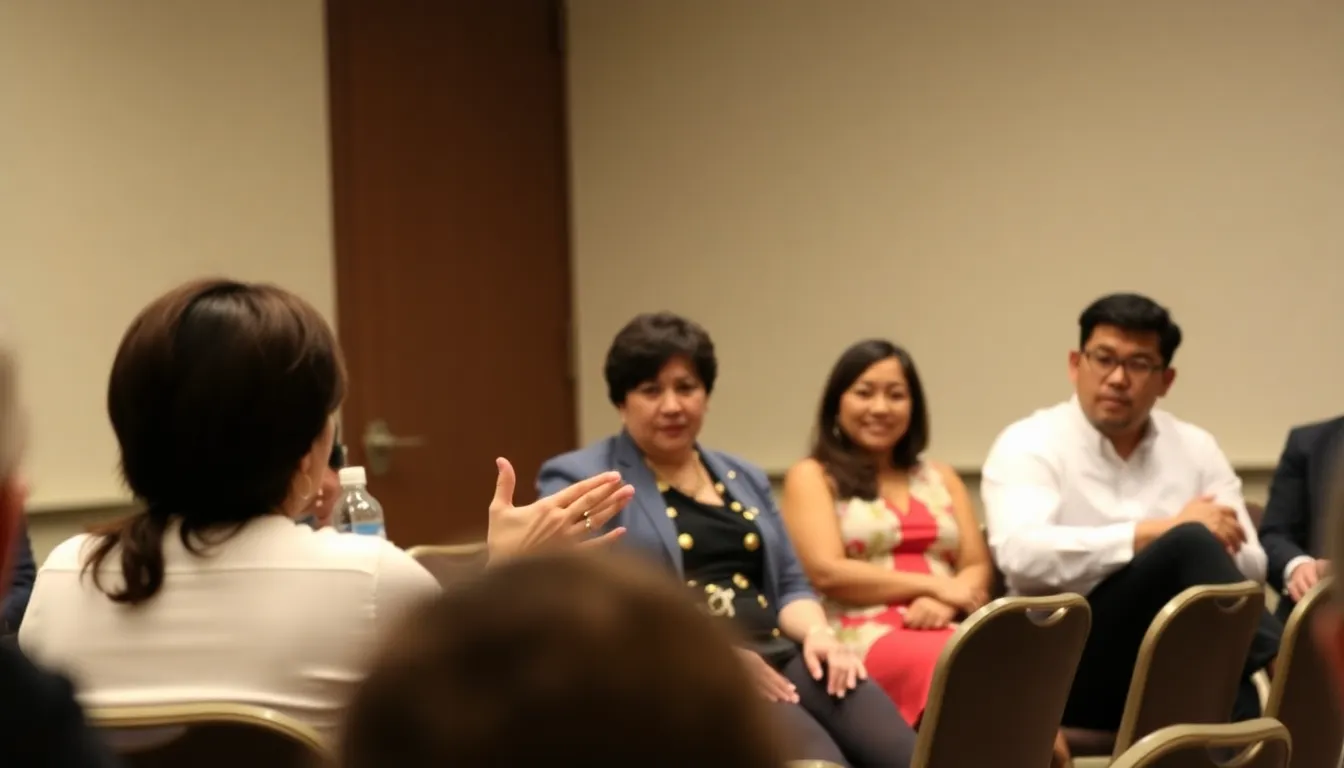
Performers like Lea Salonga advocate for greater visibility and opportunities for Asian and other underrepresented actors. Their interest lies in challenging stereotypes and breaking down barriers that limit their participation in prominent roles. Salonga’s experiences highlight the systemic biases that can lead to a lack of representation, which ultimately affects the narratives told on stage.
On the other hand, casting directors and production companies often face the challenge of balancing commercial viability with the need for diversity. They may prioritize casting choices that they believe will attract larger audiences, which can lead to conflicts with the push for more inclusive practices. This trade-off raises questions about the economic implications of diversity and whether audiences are ready to embrace a broader range of stories and characters.
Furthermore, audiences themselves play a crucial role in this dialogue. Their preferences and expectations can influence casting decisions, creating a feedback loop that either supports or hinders diversity efforts. As awareness of these issues grows, audiences are increasingly calling for change, pushing for productions that reflect the richness of diverse experiences.
- Lea Salonga’s advocacy highlights the need for representation in leading roles.
- Production companies face economic pressures that may conflict with diversity goals.
- Audience demand for diverse stories is rising, impacting casting choices.
- Systemic biases continue to challenge the visibility of Asian performers.
- The conversation around diversity in casting is evolving, with increasing awareness of its importance.
The Broader Impact of Lea Salonga’s Advocacy on the Theater Community
Lea Salonga’s journey as a trailblazer in Broadway not only highlights her personal struggles but also resonates with various groups within the theater community and beyond. Artists of Asian descent, particularly those aspiring to enter the competitive world of musical theater, are directly affected by her advocacy. Salonga’s experiences challenge long-standing stereotypes and biases, paving the way for greater representation and inclusivity.
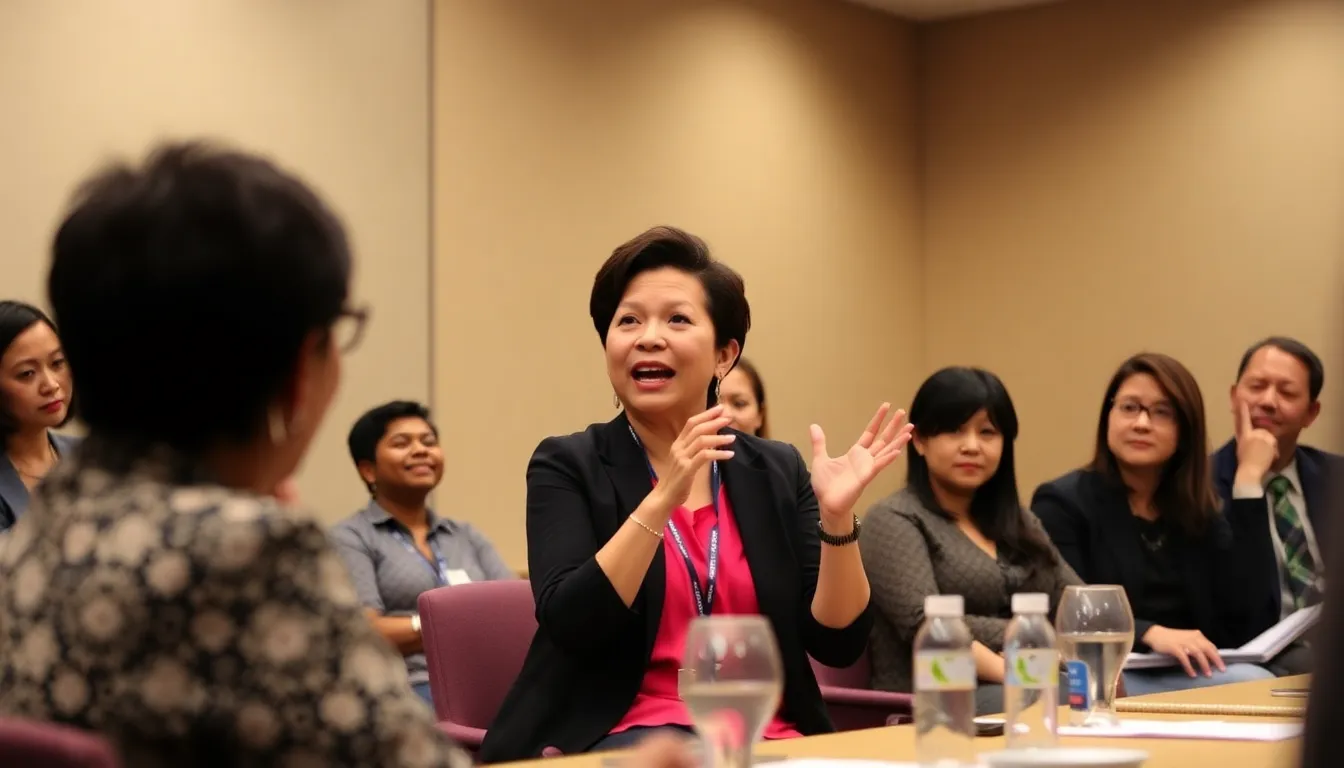
In the short term, her fight for visibility can lead to increased awareness among casting directors and producers regarding the importance of diverse representation. This shift may result in more Asian actors being cast in leading roles, which can inspire a new generation of performers. Additionally, theater companies may feel pressured to reassess their casting practices, leading to a more equitable industry.
In the mid-term, the impact of Salonga’s advocacy could extend to broader societal changes. As more diverse stories are told on stage, audiences may gain a deeper understanding of different cultures. This could lead to increased ticket sales and a more engaged theater-going public, ultimately benefiting the industry financially. Moreover, educational institutions may revise their curricula to include diverse narratives, fostering a more inclusive environment for future artists.
- Short-term awareness: Increased focus on diversity in casting.
- Mid-term representation: More Asian actors in prominent roles.
- Industry evolution: Changes in theater policies promoting inclusivity.
- Cultural understanding: Enhanced audience appreciation for diverse stories.
However, there are risks involved as well. The push for diversity might face resistance from traditionalists within the industry who may feel threatened by these changes. Additionally, if companies fail to authentically represent Asian narratives, it could lead to tokenism, undermining the very goals of Salonga’s advocacy. Nonetheless, the potential opportunities for growth and transformation within the theater community remain significant.
A: Lea Salonga faced significant challenges related to racial bias and typecasting in the theater industry, often being overlooked for roles due to her Asian heritage. She has spoken out about the need for greater representation and acceptance in Broadway. A: Lea Salonga has become a prominent advocate for diversity in casting, using her platform to highlight the importance of representation for Asian performers. Her success has inspired many aspiring actors from diverse backgrounds. A: Various initiatives aim to improve representation, including diversity-focused casting calls and programs that promote inclusivity in theater. Organizations are actively working to create more opportunities for underrepresented groups. A: Representation in theater is crucial as it reflects the diversity of society and allows audiences to see themselves in the stories being told. It fosters understanding and empathy across different cultures. A: Audiences can support diversity by attending performances featuring diverse casts, advocating for inclusive practices, and engaging in discussions about representation in the arts.
Frequently Asked Questions about Lea Salonga and Broadway Representation
Key Takeaways and Future Outlook on Diversity in Broadway
Lea Salonga’s journey highlights the ongoing challenges and evolving landscape of representation in Broadway. Her experiences underscore the importance of visibility and the need for systemic change within the theater industry. As audiences and creators alike push for more inclusive narratives, the impact of Salonga’s advocacy serves as a catalyst for broader discussions about race and identity in performance art.
Looking ahead, the industry must continue to embrace diverse talent and stories, ensuring that the stage reflects the rich tapestry of society. The momentum generated by artists like Salonga can inspire future generations to challenge stereotypes and redefine what it means to be seen in the world of theater.
- Increased Representation: Expect more diverse casting choices that challenge traditional norms and broaden audience perspectives.
- Storytelling Diversity: The demand for narratives that reflect various cultural backgrounds will likely grow, enriching the theatrical landscape.
- Industry Advocacy: Continued advocacy from artists and audiences will be crucial in pushing for equitable opportunities in casting and production.
- Educational Initiatives: Programs aimed at nurturing young talent from underrepresented communities can pave the way for future leaders in theater.