
This decline is largely attributed to rising premiums and out-of-pocket costs that have made coverage less affordable for many Americans. The average monthly premium for plans offered in the ACA marketplace has increased by nearly 10%, with some states reporting even steeper hikes.
In addition to cost increases, the upcoming end of the COVID-19 public health emergency is expected to further complicate the enrollment landscape. Many individuals who benefited from expanded coverage during the pandemic may find themselves without options as the temporary provisions expire. This situation underscores the urgency for policymakers to address the affordability crisis in the healthcare system.
Moreover, the drop in enrollment could have broader implications for public health and the insurance market. A decrease in the number of insured individuals may lead to higher rates of uninsured patients seeking care, subsequently straining healthcare resources. As the situation evolves, stakeholders are calling for immediate action to stabilize the ACA and ensure that healthcare remains accessible to all Americans.
Understanding the origins of Obamacare and its objectives
The Affordable Care Act (ACA), commonly known as Obamacare, was enacted in March 2010 with the primary goal of increasing health insurance coverage among Americans and reducing healthcare costs. By expanding Medicaid, creating health insurance marketplaces, and mandating that individuals obtain insurance, the ACA sought to ensure that more Americans had access to affordable healthcare.
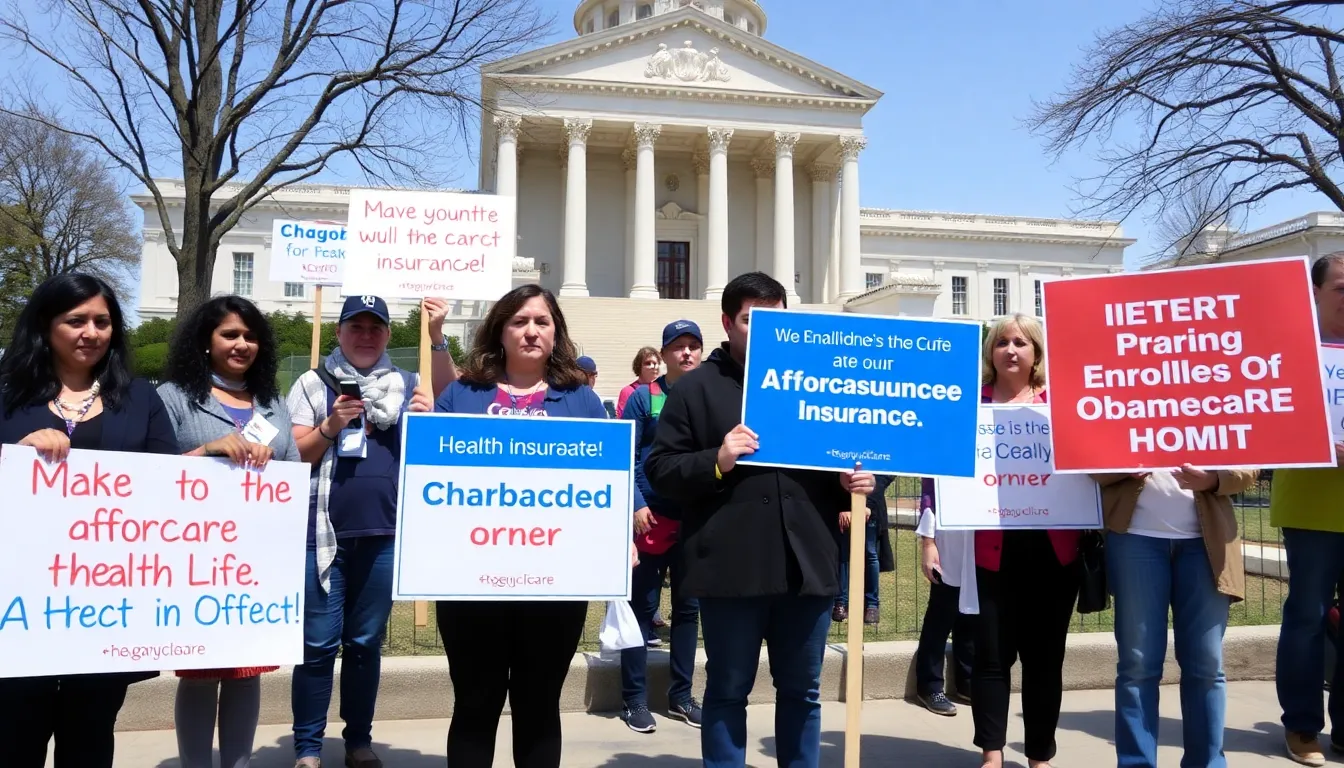
Historically, the ACA emerged from a long-standing debate over healthcare reform in the United States. Previous attempts, such as the Clinton health care plan in the 1990s, had failed to pass, largely due to political opposition and concerns over government involvement in healthcare. The ACA, however, gained traction amidst rising healthcare costs and public demand for reform, leading to its eventual passage with a Democratic majority in Congress.
Economically, the ACA was designed to curb rising healthcare costs by promoting preventive care and reducing emergency room visits. It introduced measures to hold insurance companies accountable, such as prohibiting them from denying coverage due to pre-existing conditions. However, despite these objectives, many Americans have faced increasing premiums and out-of-pocket expenses, leading to discontent and a decline in enrollment in recent years.
Key Milestones in the ACA’s Journey
Several key milestones have shaped the trajectory of the ACA since its inception. In 2014, the law’s major provisions took effect, resulting in millions gaining coverage through Medicaid expansion and health insurance exchanges. However, political opposition has remained strong, with numerous attempts to repeal or undermine the ACA, particularly during the Trump administration. The COVID-19 pandemic further complicated the landscape, highlighting both the importance of health coverage and the vulnerabilities within the system as economic pressures mounted.
As costs continue to rise, many individuals are reevaluating their healthcare options, leading to a significant drop in enrollment. This trend raises questions about the sustainability of the ACA and the future of healthcare in America, as lawmakers and citizens alike grapple with the balance between accessibility and affordability.
Key stakeholders and the implications of rising costs
The recent sharp decline in Obamacare enrollment can be attributed to a variety of factors, primarily revolving around rising costs. This situation affects a wide range of stakeholders, including individuals seeking health insurance, healthcare providers, insurance companies, and government entities. Each of these actors has distinct interests and concerns regarding the implications of increased costs on healthcare accessibility and affordability.
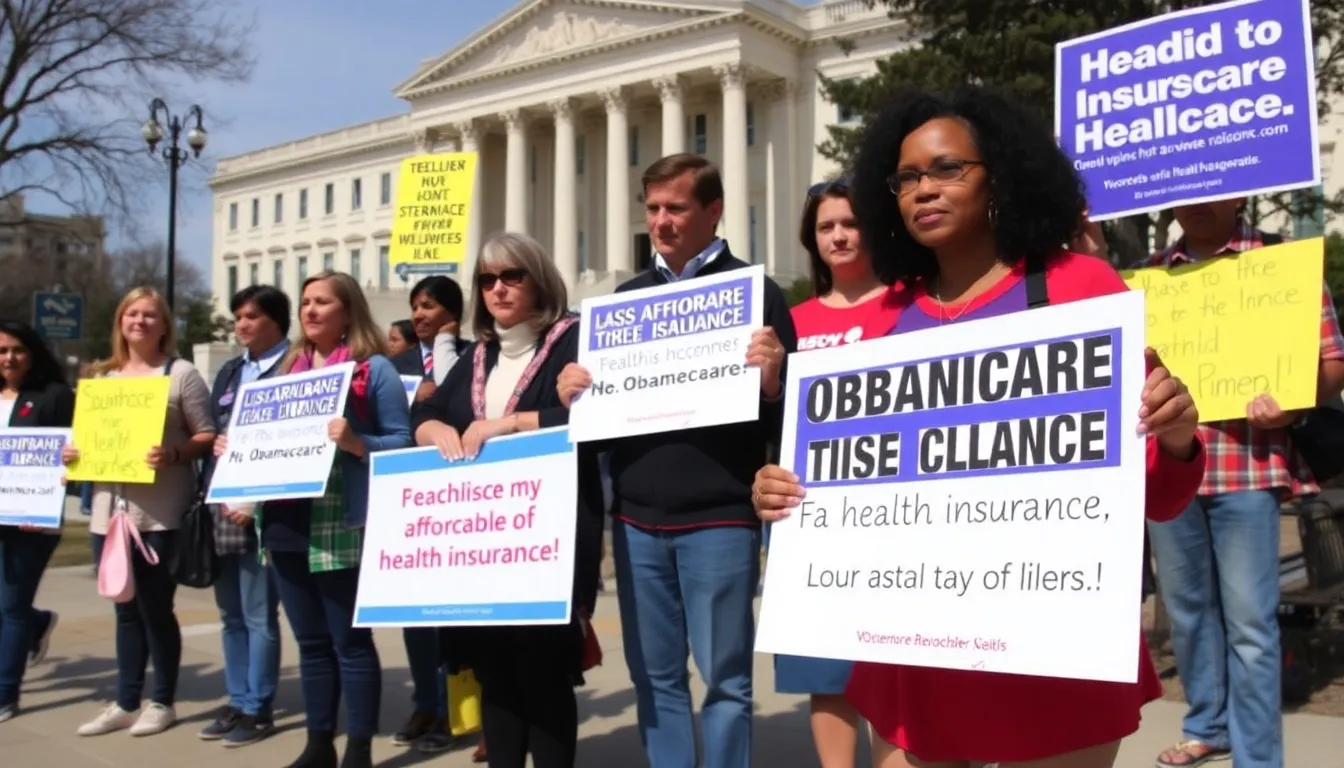
Individuals and families who rely on the Affordable Care Act (ACA) for health coverage face the most immediate impact. As premiums and out-of-pocket expenses rise, many may find themselves unable to afford necessary health insurance, leading to a potential increase in the uninsured population. This shift not only affects their personal health outcomes but also places additional strain on emergency services and public health systems.
Insurance companies, on the other hand, are grappling with the challenge of balancing profitability and affordability. Rising healthcare costs often lead insurers to increase premiums, which can drive away potential customers. This creates a conflict between the need to maintain a sustainable business model and the obligation to provide affordable coverage to consumers. The trade-offs faced by these companies can result in fewer choices for consumers, further complicating the enrollment landscape.
Government entities, including federal and state regulators, are also key stakeholders in this scenario. They must navigate the complex legal and economic implications of rising costs while fulfilling their mandate to ensure access to affordable healthcare, possibly by revisiting subsidies.
- Increased premiums: Higher costs may lead to decreased enrollment, particularly among low-income individuals.
- Insurance market stability: Insurers face pressures to maintain profitability while keeping coverage affordable.
- Government intervention: Potential policy changes could aim to mitigate the impact of rising costs on consumers.
- Public health implications: A rise in uninsured individuals can strain healthcare resources and affect overall public health.
- Long-term sustainability: The need for a balanced approach to ensure both affordable care and a viable insurance market.
Who is affected by the decline in enrollment
The recent sharp decline in Obamacare enrollment primarily impacts low- to middle-income families who rely on affordable healthcare coverage. As premiums and out-of-pocket costs continue to rise, many individuals and families may find themselves unable to afford necessary health services, leading to a potential increase in uninsured rates.
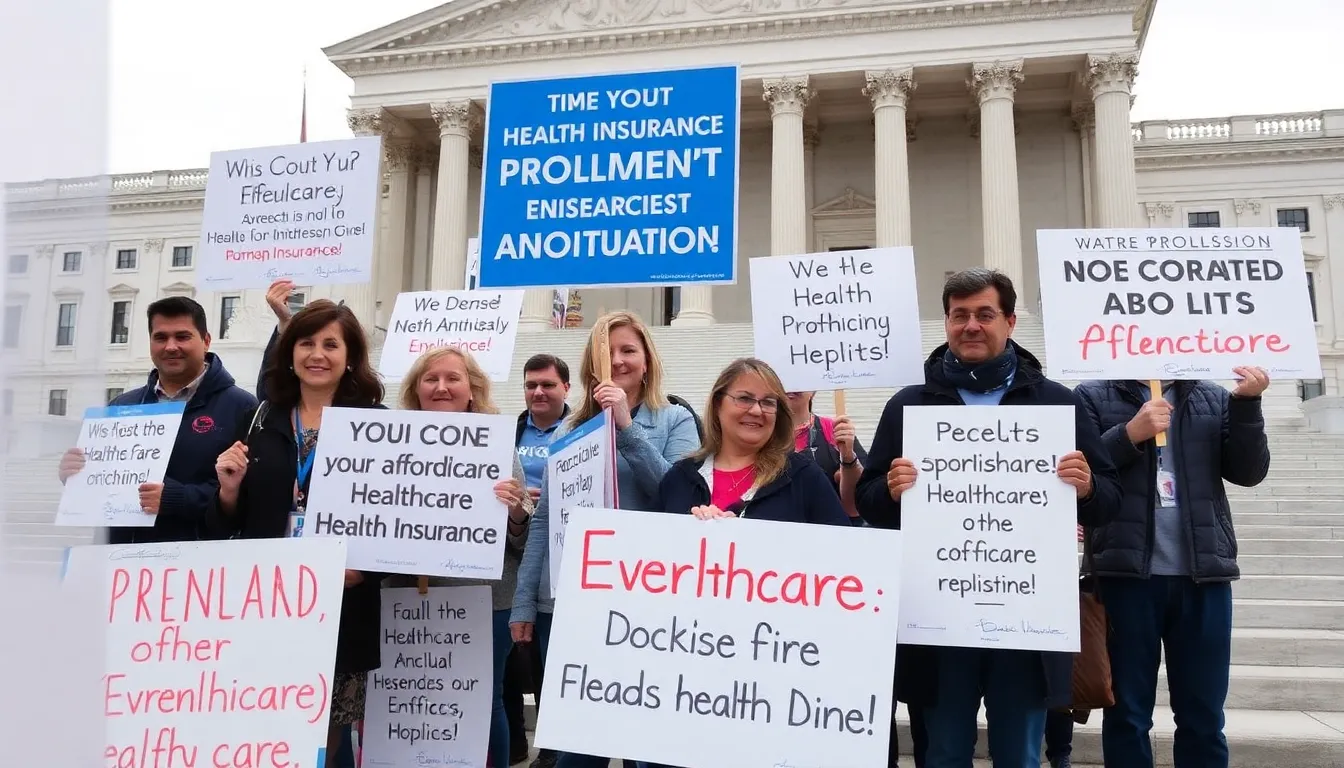
In addition to families, healthcare providers and insurers are also significantly affected. Hospitals and clinics may see a decrease in patient volume, which can strain their financial stability. Insurers may face challenges in maintaining a balanced risk pool, leading to further premium increases and potential exits from the market.
Regions with higher concentrations of low-income populations, particularly in rural areas, are likely to feel the effects more acutely. These areas often have fewer healthcare resources, making it even more challenging for residents to access care when they are uninsured or underinsured.
- Short-term impacts: Increased financial strain on families, leading to delayed medical care.
- Mid-term impacts: Potential rise in public health issues due to lack of preventive care.
- Opportunities: Growth in telehealth services and alternative insurance models may emerge as solutions.
While the decline in enrollment poses significant risks, it also opens the door for innovation in the healthcare sector. Companies that can provide cost-effective healthcare solutions or improve access to services may find new markets and opportunities for growth in the evolving landscape.
A: The enrollment has dropped primarily due to rising healthcare costs, which have made it difficult for many individuals to afford insurance premiums. A: Rising costs can lead to higher premiums and out-of-pocket expenses, discouraging individuals from enrolling in health plans. A: Healthcare providers may face challenges in maintaining patient volumes and revenue as fewer individuals are insured. A: Policymakers are exploring various options, including subsidies and reforms, to make healthcare more affordable and accessible. A: Low-income families may be disproportionately affected, as they often rely on affordable insurance options to access necessary healthcare services.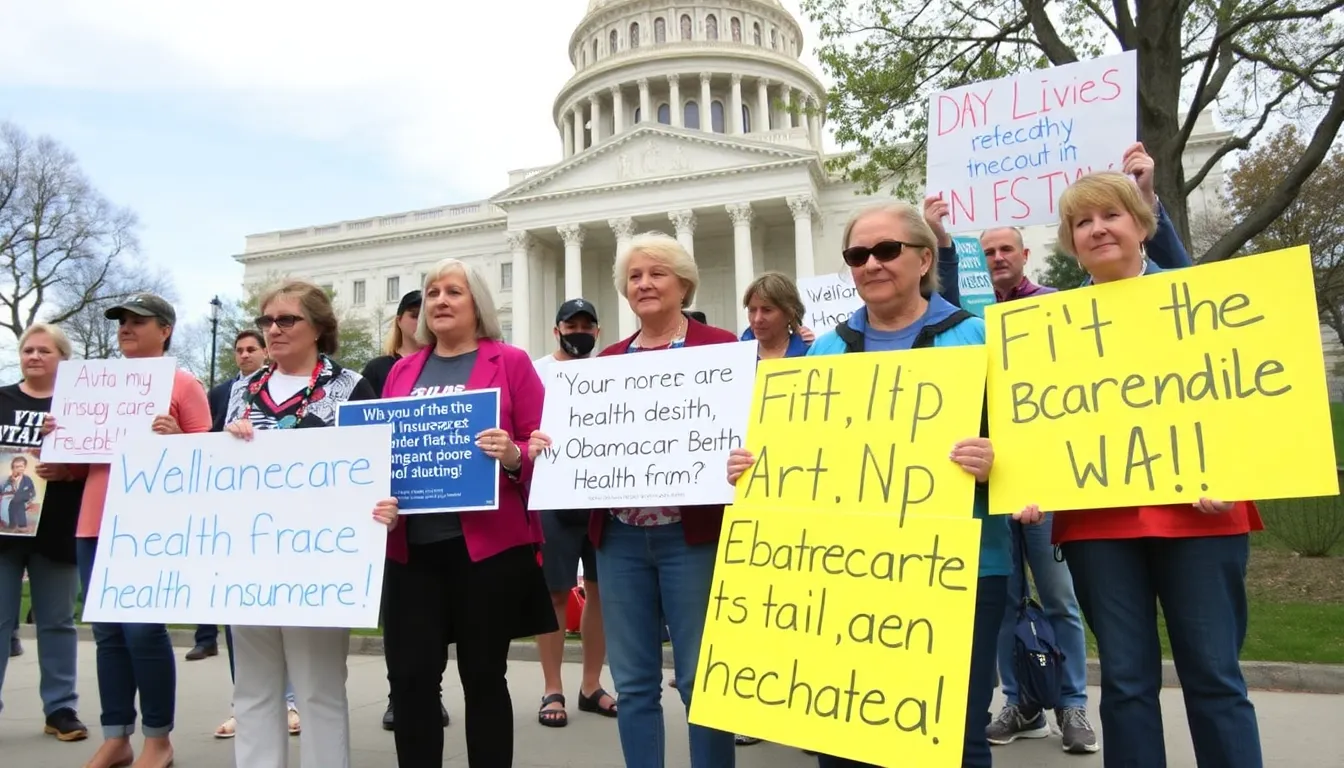
Frequently asked questions about Obamacare enrollment
Looking ahead: potential solutions and future outlook
The recent decline in Obamacare enrollment amid rising costs signals a critical juncture for both policymakers and consumers. As premiums and out-of-pocket expenses continue to escalate, the accessibility of affordable healthcare remains a pressing concern. Stakeholders must navigate these challenges while seeking to ensure that the foundational goals of the Affordable Care Act are upheld.
In the coming months, attention will likely focus on legislative efforts aimed at stabilizing the insurance markets and addressing affordability. Additionally, consumer behavior may shift as individuals reassess their healthcare options in light of financial pressures. The interplay between policy changes and market dynamics will be crucial in shaping the future landscape of health insurance in the United States.
- Monitor legislative developments: Keep an eye on potential reforms aimed at reducing costs and improving access to healthcare coverage.
- Watch for shifts in consumer choices: As costs rise, more individuals may opt for alternative coverage options, impacting traditional enrollment numbers.
- Evaluate the role of subsidies: Changes in federal or state subsidies could significantly influence affordability and enrollment trends.
- Assess market responses: Insurers may adjust their offerings in response to enrollment changes, which could lead to new plans or pricing strategies.
- Consider the long-term impact: The current enrollment decline could have lasting effects on the healthcare system, warranting ongoing analysis and attention.