
One of the key challenges faced by science communicators today is the proliferation of misinformation. With the rise of social media platforms, false narratives can spread rapidly, undermining public trust in scientific expertise. “Inside Science” addresses this issue by providing evidence-based reporting and expert insights, helping to counteract misleading information and promote scientific literacy among viewers.
In recent episodes, the program has tackled urgent topics such as the implications of artificial intelligence in everyday life and the latest developments in renewable energy technologies. These discussions not only highlight the importance of scientific innovation but also emphasize the ethical considerations that accompany such advancements. By engaging with these critical themes, “Inside Science” encourages audiences to reflect on the societal impacts of scientific progress.
Moreover, the program has adapted to changing audience preferences by incorporating interactive elements and diverse formats, including podcasts and online discussions. This evolution is essential for reaching younger demographics who consume information differently than previous generations. By embracing new media, “Inside Science” aims to enhance its outreach and maintain relevance in an increasingly digital world.
The role of BBC Inside Science in the media landscape
Since its inception in 2009, BBC Inside Science has carved a niche for itself within the broader media landscape by focusing on the intersection of science and society. The program, which airs weekly on BBC Radio 4, aims to demystify complex scientific concepts and present them in a format that is accessible to the general public. This initiative comes at a time when public understanding of science is increasingly critical, as issues such as climate change, public health, and technological advancements dominate global discourse.
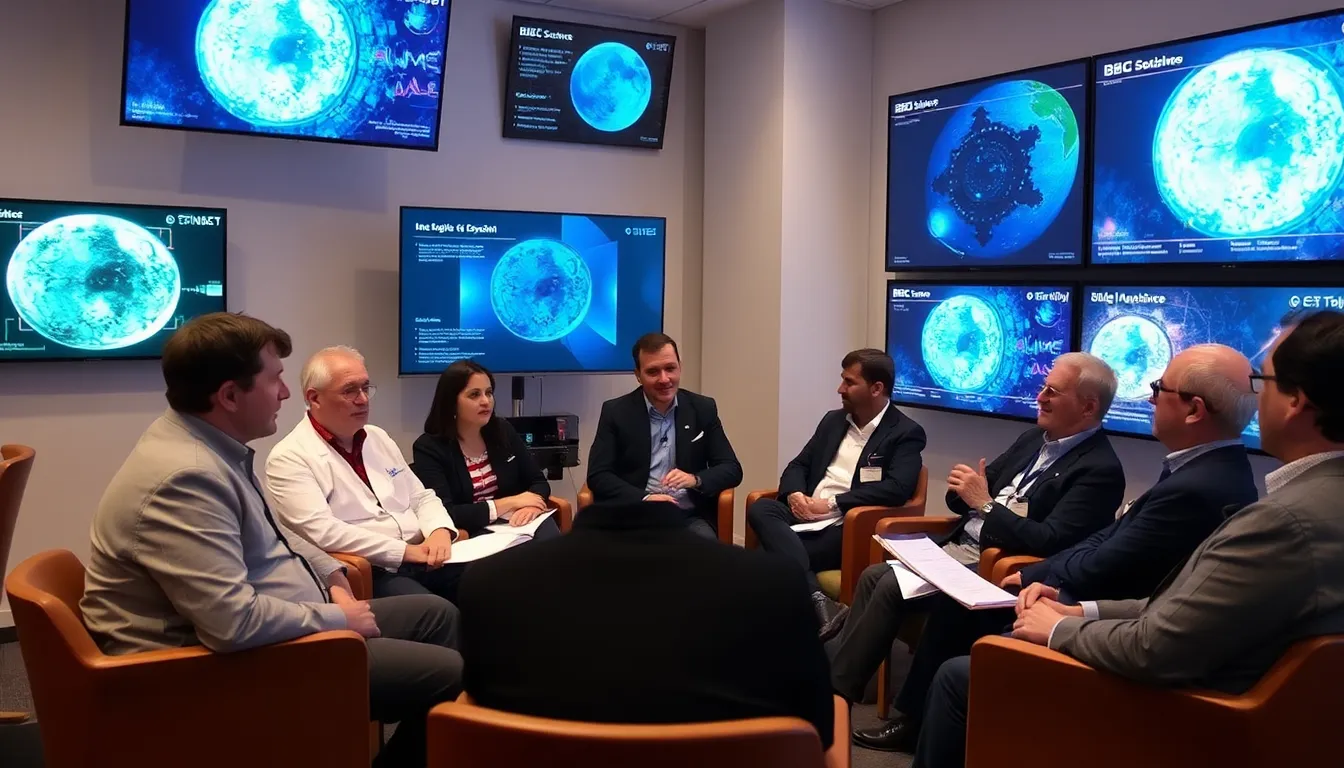
The historical context of BBC Inside Science can be traced back to the BBC’s long-standing commitment to educational programming. The broadcaster has a rich legacy of producing content that informs and educates audiences, dating back to the early 20th century. As scientific advancements accelerated in the late 20th and early 21st centuries, the need for a dedicated platform to discuss these developments became apparent. BBC Inside Science emerged as a response to this need, aiming to bridge the gap between scientists and the public.
Milestones in Science Communication
Key milestones in science communication have paved the way for programs like BBC Inside Science. The establishment of the Royal Society in 1660 marked one of the earliest efforts to promote scientific knowledge and discussion. In the 20th century, the rise of television brought science into living rooms, with programs like “The Ascent of Man” and “Cosmos” captivating audiences. These historical precedents set the stage for contemporary science communication, highlighting the importance of making science relatable and engaging.
In recent years, the political landscape has also influenced the role of science in media. Events such as the COVID-19 pandemic underscored the necessity for clear and accurate science communication, as misinformation proliferated. BBC Inside Science has played a crucial role in countering this misinformation by providing expert insights and fostering informed public discourse. By addressing contemporary issues and scientific controversies, the program has become a vital resource for listeners seeking to navigate the complexities of modern science.
Economically, the funding model of the BBC allows for independent journalism that is not driven by commercial interests. This unique position enables BBC Inside Science to prioritize informative content over sensationalism, fostering a culture of trust and reliability. As society continues to grapple with scientific challenges, the importance of platforms like BBC Inside Science will only grow, serving as a beacon of knowledge in an increasingly complex world.
Key stakeholders and issues surrounding science reporting
The landscape of science reporting is shaped by a diverse array of stakeholders, each with their own interests and motivations. Key actors include media organizations like the BBC, scientists and researchers, government agencies, and the public. The BBC, particularly through its program ‘Inside Science’, plays a crucial role in disseminating scientific knowledge, while scientists seek to communicate their findings to a broader audience. Government agencies often influence funding and regulatory policies that impact scientific research and its reporting.
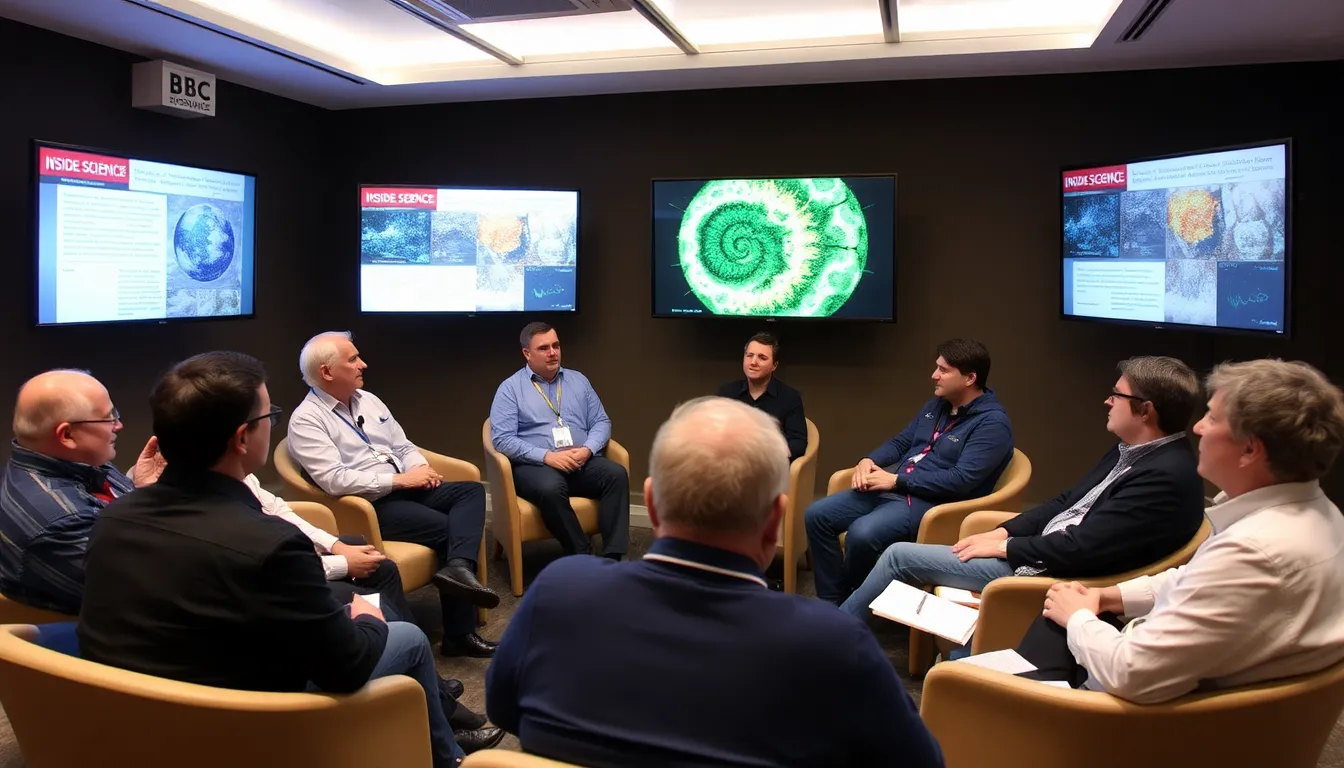
One of the primary conflicts arises from the balance between accurate reporting and the need for engaging content. Media organizations, including the BBC, are under pressure to attract viewers and listeners, which can lead to sensationalism or oversimplification of complex scientific topics. This trade-off can undermine public trust in science and lead to misinformation, highlighting the importance of responsible journalism in science reporting.
Additionally, economic issues play a significant role in shaping science reporting. Funding cuts to public broadcasting services can limit the resources available for in-depth science journalism. As a result, programs like ‘Inside Science’ may face challenges in delivering comprehensive coverage of scientific developments. This situation raises questions about the sustainability of quality science communication in an increasingly competitive media landscape.
- Public interest: The general public’s desire for accessible and understandable science can sometimes conflict with the complexities of scientific research.
- Regulatory influence: Government policies can dictate what scientific research is prioritized, impacting the topics covered in media.
- Funding challenges: Economic constraints on media organizations can affect the depth and quality of science reporting.
- Trust in media: The public’s trust in science reporting can be eroded by sensationalism or inaccuracies, affecting engagement with scientific issues.
In summary, the interplay between these stakeholders and the issues they face creates a dynamic environment for science reporting. Understanding these relationships is essential for recognizing the broader implications of how science is communicated to the public.
The influence of BBC Inside Science on public perception of science
BBC Inside Science plays a crucial role in shaping public understanding and appreciation of scientific advancements. Its audience spans various demographics, including students, educators, policymakers, and the general public. By making complex scientific topics accessible, the program influences how these groups perceive the relevance and importance of science in everyday life.
In the short term, the program enhances public engagement with science, leading to increased interest in STEM (Science, Technology, Engineering, and Mathematics) fields. This engagement can result in higher enrollment in science courses and greater participation in science-related events, benefiting educational institutions and organizations focused on promoting science literacy.

In the mid-term, the insights shared on BBC Inside Science can inform policy decisions, particularly in areas such as public health, environmental science, and technology regulation. Policymakers who consume the program’s content may be more inclined to support initiatives that prioritize scientific research and innovation, ultimately shaping the direction of funding and resource allocation.
- Risks: Misinformation may spread if the program is not critically engaged with, leading to public skepticism about scientific consensus.
- Opportunities: Increased public support for science can lead to more funding for research and development, fostering innovation and economic growth.
- Risks: Over-simplification of complex issues may result in misunderstandings about the implications of scientific findings.
- Opportunities: Enhanced collaboration between scientists and the public can lead to community-driven research initiatives.
Overall, the impact of BBC Inside Science extends beyond mere information dissemination; it actively shapes the landscape of public discourse surrounding science, influencing both individual and collective actions in society.
A: BBC Inside Science is a program that explores various scientific topics, aiming to enhance public understanding of science and its relevance. A: The program typically airs weekly, providing fresh insights and discussions on contemporary scientific issues. A: The show is hosted by knowledgeable presenters who are experts in the field of science communication, often featuring guest scientists. A: Yes, past episodes are available on the BBC website and various streaming platforms, allowing audiences to catch up on missed content. A: The program covers a wide range of topics, including recent scientific discoveries, environmental issues, and health-related research.
Frequently asked questions about BBC Inside Science
Insights and future outlook for science communication
The evolution of science communication, as highlighted by BBC Inside Science, underscores the necessity for clarity and engagement in conveying complex scientific concepts to the public. As the landscape of media continues to shift, the role of trusted platforms becomes increasingly vital in fostering informed discourse around scientific advancements and their implications for society.
Looking ahead, the integration of diverse media formats and interactive platforms will likely enhance audience engagement. This trend suggests that effective science communication will not only inform but also empower individuals to participate in scientific discussions and decision-making processes.
- Embrace multimedia storytelling: Utilizing various formats such as podcasts, videos, and articles can cater to different audience preferences and enhance understanding.
- Focus on clarity: Simplifying complex scientific ideas without diluting their essence is crucial for effective communication.
- Encourage public participation: Creating opportunities for audience interaction can foster a sense of community and shared responsibility in scientific discourse.
- Highlight real-world applications: Demonstrating how scientific advancements impact daily life can make the information more relatable and engaging.
- Monitor emerging trends: Keeping an eye on the evolving media landscape will help adapt communication strategies to meet audience expectations and needs.