
The elections saw a record voter turnout, with many citizens expressing their frustrations over issues such as inflation, corruption, and declining public services. For a deeper understanding of these economic challenges, you can read our article on Understanding the Impact of Recent Inflation Figures. Opposition parties, particularly those aligned with the united opposition coalition, capitalized on these sentiments, gaining ground in areas traditionally dominated by Fidesz.
Notably, the loss of Budapest’s mayoral seat and several district councils signifies a shift in the political dynamics of the capital. Analysts suggest that this could foreshadow further challenges for Fidesz in upcoming national elections, slated for 2024, as the party grapples with its diminishing popularity. This change in dynamics reflects a growing trend seen in other contexts, similar to the impact of societal changes and policy shifts.
This electoral defeat is not only a blow to Fidesz’s leadership but also raises questions about the future of Hungary’s democratic process. Observers are closely monitoring how the party will respond to this setback and whether it will lead to any significant changes in its strategy or policies moving forward.
Understanding the political landscape in Hungary
Hungary’s political landscape has undergone significant transformations since the fall of communism in 1989. The transition to a democratic system paved the way for multiple political parties to emerge, with the Hungarian Socialist Party (MSZP) becoming one of the dominant forces in the early years of democracy. However, the party’s popularity began to wane in the late 2000s due to economic challenges and allegations of corruption, which set the stage for the rise of the right-wing Fidesz party led by Viktor Orbán.
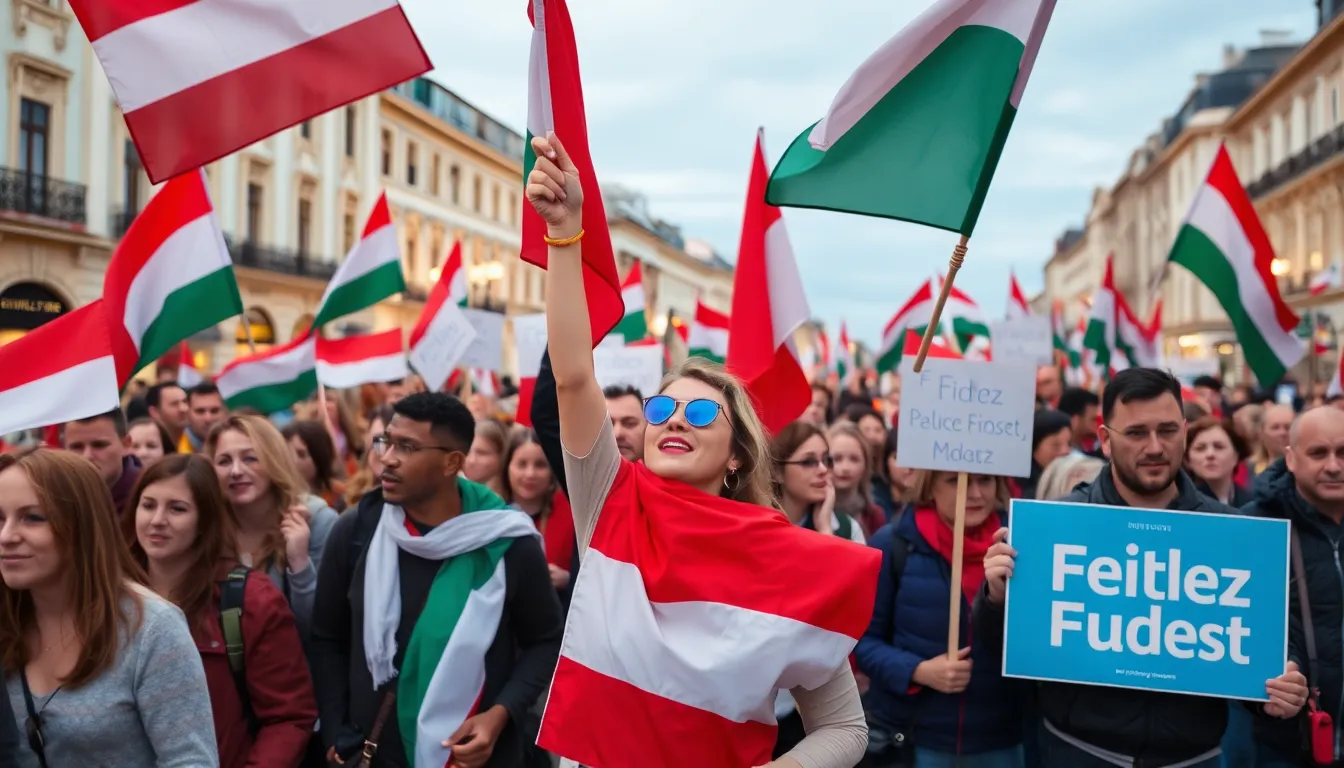
The 2010 parliamentary elections marked a turning point, as Fidesz secured a two-thirds majority, enabling it to implement sweeping constitutional changes and reshape the political framework of the country. This consolidation of power allowed Fidesz to exert significant control over the media, judiciary, and civil society, leading to accusations of authoritarianism and the erosion of democratic norms.
In the years that followed, the MSZP struggled to regain its footing amid a shifting political landscape characterized by the emergence of new parties, such as the far-right Jobbik and the leftist Politics Can Be Different (LMP). The economic crisis of 2008 and subsequent austerity measures further alienated voters from traditional parties, contributing to a growing sentiment of disillusionment with the political elite.
Key Milestones in Recent History
Several key events have shaped the current political climate in Hungary. The 2014 elections saw Fidesz maintain its majority, despite growing public discontent over issues like corruption and the handling of the refugee crisis in 2015. The 2018 elections further solidified Fidesz’s dominance, as the party capitalized on nationalist sentiments and the portrayal of migrants as a threat to national identity.
However, the recent local elections in 2019 and the 2022 parliamentary elections revealed cracks in Fidesz’s facade, as opposition parties began to unite against the ruling party. The recent electoral defeat of the MSZP in the 2023 polls signifies a critical juncture for the party, as it grapples with its identity and seeks to redefine its platform in a rapidly changing political environment.
Key stakeholders and issues surrounding the election results
The recent election results in Hungary have left the former ruling party, Fidesz, grappling with a significant loss. This outcome has not only affected the party but has also raised questions about the broader political landscape in Hungary. Several key stakeholders are involved, each with distinct interests and implications for the future of Hungarian politics. Notably, the handling of these shifts can be compared to the discussions surrounding MP’s push to address pressing issues, such as outlined in our article about banning forever chemicals.
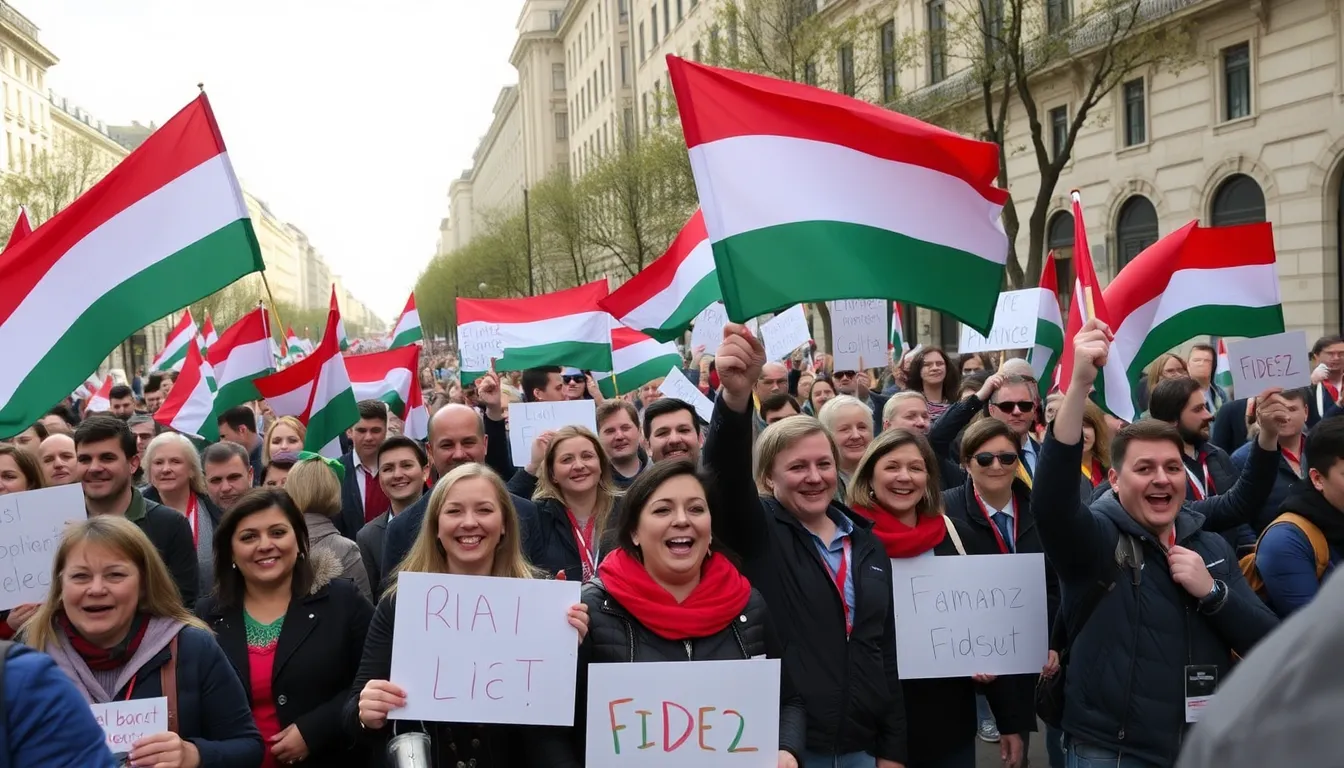
One of the primary actors is the Fidesz party itself, which has been in power for over a decade. Following their defeat, the party is faced with the challenge of regrouping and reassessing its strategies to regain public support. The internal dynamics within Fidesz may lead to conflicts between traditionalists and reformists, each advocating for different approaches to reconnect with the electorate.
Another crucial stakeholder is the opposition coalition that emerged victorious. This coalition, composed of various parties with differing ideologies, has a vested interest in maintaining unity to capitalize on their electoral success. However, the diverse nature of the coalition could lead to conflicts over policy priorities, governance strategies, and the ability to deliver on campaign promises.
- Public Sentiment: The electorate’s shift in sentiment reflects deeper societal issues, including dissatisfaction with governance, corruption, and economic conditions.
- Economic Implications: The election results may lead to changes in economic policies that could affect foreign investment and domestic markets.
- Legal Challenges: The election outcome might prompt legal scrutiny, especially concerning electoral fairness and campaign financing, raising questions about the integrity of the democratic process.
- International Relations: The new government’s stance on EU relations and foreign policy could shift significantly, impacting Hungary’s position within the European Union.
- Media and Public Discourse: The role of media in shaping public opinion and the narrative surrounding the election results will be critical in the coming months.
In summary, the aftermath of the election results in Hungary has set the stage for a complex interplay of interests among various stakeholders. The ability of these actors to navigate their differences and respond to the electorate’s demands will be pivotal in shaping the future political landscape of the country.
The implications of the election loss for the party and its supporters
The recent election defeat of Hungary’s former ruling party has reverberated across various segments of society. Supporters of the party, including its grassroots activists and loyal voters, are grappling with a sense of disillusionment and uncertainty about their political future. This loss particularly affects those in rural regions where the party had maintained a stronghold, leading to potential shifts in local governance and community initiatives.
Industries that have historically aligned with the party may also feel the impact. For instance, sectors such as construction and agriculture, which benefited from government contracts and subsidies, could face a slowdown as new policies are introduced. The shift in political power may result in a reallocation of resources, favoring emerging parties and potentially leaving traditional supporters in a vulnerable position.
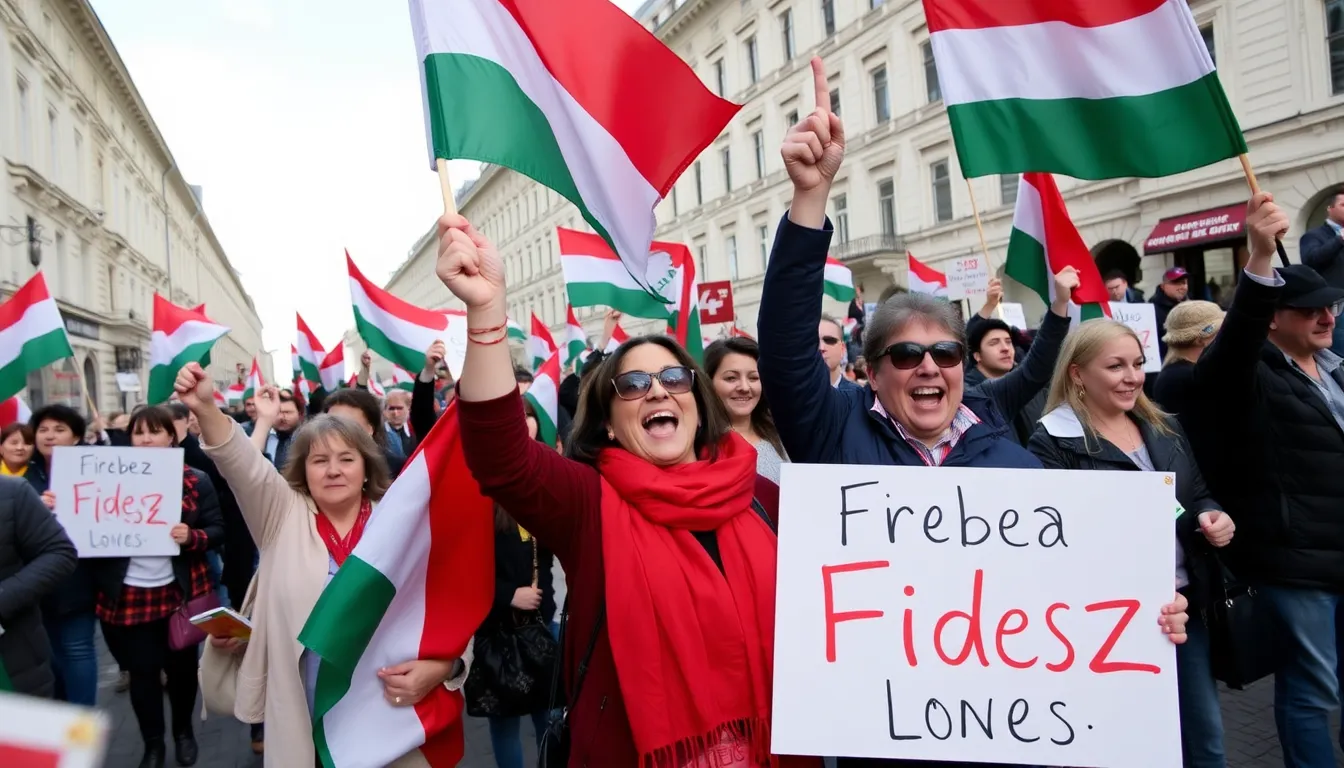
In the short term, daily life for many citizens may experience disruptions as the new administration implements its agenda. Policies that were previously in place, such as tax incentives for businesses and support for social programs, may be reevaluated. This uncertainty could lead to hesitance in consumer spending and investment, affecting local economies. However, there are also potential opportunities for innovation and new leadership to emerge from this political shift.
- Risks: Increased political instability, economic uncertainty, and loss of jobs in aligned sectors.
- Opportunities: New policies that could stimulate growth in different industries, potential for grassroots movements to gain traction.
In the mid-term, the party’s supporters may need to adapt to a changing political landscape. This could involve seeking new alliances or finding ways to engage with the current administration to ensure their voices are heard. As the former ruling party reflects on its strategies, there may be a chance for renewal and rebranding, potentially leading to a more inclusive approach that could attract a broader voter base in future elections.
A: Several factors contributed to the defeat, including public dissatisfaction with governance and the rise of opposition parties that resonated with voters. A: The public reaction has been mixed, with some celebrating the change while others express concern about the stability of the new political landscape. A: The party is likely to undergo a period of introspection and restructuring to address the issues that led to their loss and to reconnect with voters. A: It may influence Hungary’s international relations, particularly if the new government shifts its policies or alliances in response to public sentiment. A: This defeat could signal a shift in voter priorities, potentially altering the dynamics of future elections and party strategies.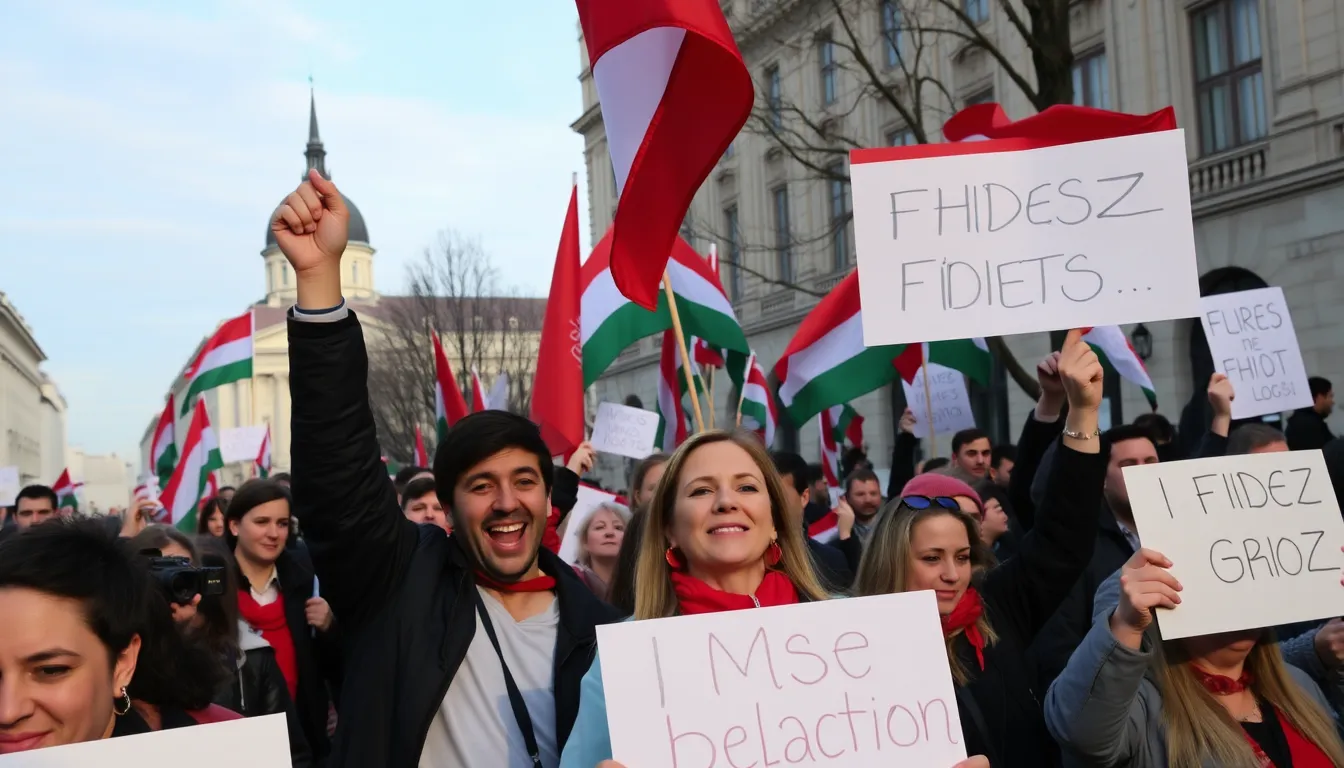
Frequently asked questions regarding the election outcome
Looking ahead: what the future holds for Hungary’s political scene
The recent electoral defeat of Hungary’s former ruling party has sent shockwaves through the political landscape, prompting a period of reflection and potential recalibration. As the party licks its wounds, the implications for both its future and the broader political climate are significant. The opposition’s success may signal a shift in public sentiment, raising questions about the effectiveness of current governance and the potential for new alliances to form.
As Hungary navigates this transitional phase, several key factors will shape the political discourse. The former ruling party’s ability to regroup and redefine its platform will be critical, while the opposition must also contend with the challenges of governance and maintaining public support. Observers should watch for emerging trends that could redefine Hungary’s political future.
- The former ruling party’s strategy for recovery will be crucial in determining its relevance in future elections.
- Public sentiment may continue to shift, influencing not only party dynamics but also policy priorities.
- Potential new coalitions among opposition parties could reshape the political landscape and challenge traditional power structures.
- Voter engagement and turnout trends will provide insights into the electorate’s evolving preferences and concerns.
- The international response to Hungary’s political changes may impact its domestic policies and relationships with European partners.