
As the co-founder of OpenAI, Musk has been vocal about his concerns regarding the potential risks associated with advanced AI systems. Meanwhile, Altman, the current CEO, is defending the organization’s practices and its commitment to responsible AI development, which has been a topic of interest in current debates. The courtroom drama highlights the contrasting perspectives on AI safety and governance from two influential leaders in the tech industry.
The trial is not just a legal battle; it is also a pivotal moment for the future of AI regulation and oversight. With numerous stakeholders, including policymakers and tech enthusiasts, closely monitoring the proceedings, the outcome could shape the landscape of AI development and its societal implications for years to come, especially for organizations like OpenAI.
Scheduled to unfold over the next several weeks, the trial is expected to feature testimonies from experts and key witnesses, shedding light on the intricacies of AI technology and the ethical dilemmas it presents. As the case progresses, it will likely influence public perception and regulatory approaches to artificial intelligence.
Understanding the background of OpenAI and its leadership
OpenAI was founded in December 2015 with the mission of ensuring that artificial general intelligence (AGI) benefits all of humanity. The organization was established by a group of prominent figures in the tech industry, including Elon Musk and Sam Altman, who aimed to advance digital intelligence in a way that is safe and aligned with human values. Over the years, OpenAI has made significant strides in AI research, leading to the development of groundbreaking models like GPT-3 and DALL-E.

The political landscape surrounding AI has evolved considerably since OpenAI’s inception. As AI technologies have become more integrated into various sectors, concerns about ethical implications, job displacement, and regulatory measures have intensified, leading to discussions similar to those surrounding healthcare regulations.
Economically, the rise of AI has created a competitive landscape where tech companies are racing to develop and deploy innovative solutions. OpenAI transitioned from a non-profit to a “capped-profit” model in 2019, allowing it to attract significant investments while still prioritizing its mission. This shift has sparked discussions about the commercialization of AI and the balance between profit motives and ethical considerations, especially given the potential societal impacts of AI technologies.
The Role of Leadership in OpenAI’s Evolution
Leadership decisions at OpenAI have been pivotal in shaping its trajectory. Elon Musk, known for his ambitious visions and ventures, played a crucial role in the organization’s early direction but stepped back from its board in 2018 to avoid any potential conflicts of interest with his other companies. Meanwhile, Sam Altman has emerged as a key figure in steering OpenAI towards its current path, emphasizing collaboration with other tech entities and governments to ensure safe AI deployment. Their contrasting leadership styles and philosophies reflect the broader tensions in the tech industry regarding innovation, responsibility, and the future of AI.
Key stakeholders and the major issues at stake
The ongoing trial involving Elon Musk and Sam Altman has drawn significant attention, highlighting various stakeholders with vested interests in the outcome. At the forefront are Musk and Altman themselves, both of whom are influential figures in the tech industry. Musk, the CEO of Tesla and SpaceX, has a long history of advocating for AI regulation, while Altman, the CEO of OpenAI, is focused on the safe and ethical development of artificial intelligence.
Another crucial stakeholder is OpenAI, the organization at the center of the trial. OpenAI’s mission to ensure that artificial general intelligence (AGI) benefits all of humanity places it in a unique position, balancing innovation with ethical considerations. The organization faces pressure from investors, policymakers, and the public to demonstrate accountability and transparency in its operations.
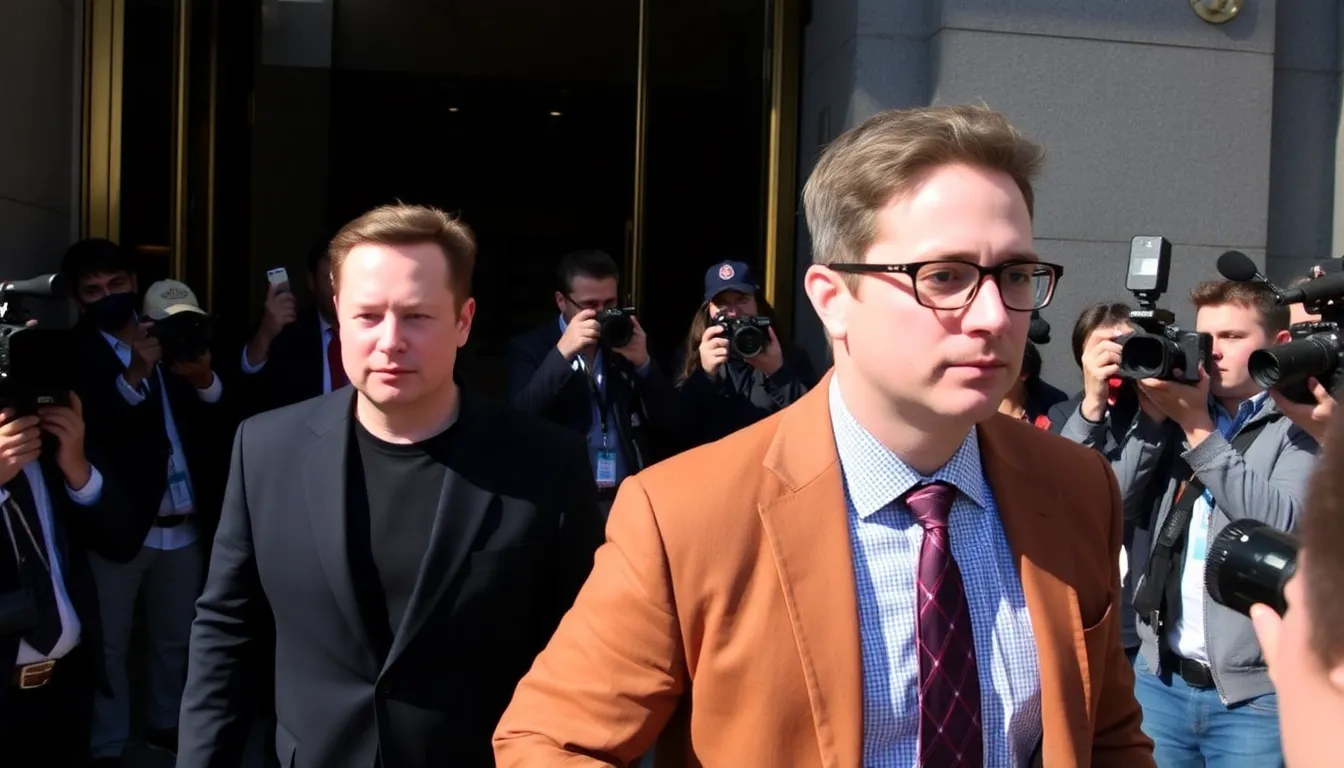
Additionally, government regulators and policymakers are important players in this scenario. As AI technologies rapidly evolve, there is an increasing need for comprehensive regulations that address potential risks and ethical dilemmas. The trial could influence future legislation regarding AI development and deployment, making it a critical moment for policymakers to engage with the implications of the case.
- Conflicts of Interest: Musk and Altman may have differing views on the direction of AI development, leading to potential conflicts in their approaches.
- Legal Implications: The trial could set precedents for how AI companies are held accountable for their technologies and decisions.
- Economic Stakes: The outcome may impact investor confidence in AI startups, affecting funding and innovation in the sector.
- Public Perception: The trial could shape public opinion on AI safety and ethics, influencing consumer trust in AI technologies.
- Global Impact: The results may have international ramifications, prompting other countries to reevaluate their own AI policies and regulations.
Potential impacts on the tech industry and society
The ongoing trial involving Elon Musk and Sam Altman has significant implications for various groups, industries, and regions. Tech companies, particularly those involved in artificial intelligence, are closely monitoring the developments, as the outcomes could set precedents for regulatory practices and innovation pathways. Startups and established firms alike may feel the ripple effects of any legal decisions regarding AI development and deployment.
In the short term, businesses in the tech sector may experience increased scrutiny and pressure to comply with evolving regulations. This could lead to a temporary slowdown in AI-related projects as companies reassess their strategies and ensure compliance with any new legal frameworks. Additionally, public sentiment towards AI technologies may shift, influencing consumer behavior and investment decisions.
In the mid-term, the trial could catalyze changes in public policy related to AI governance. Policymakers may be prompted to create clearer guidelines that balance innovation with ethical considerations, impacting how companies approach AI development. This could foster a more responsible AI landscape, but also create barriers for smaller players lacking the resources to navigate complex regulations.
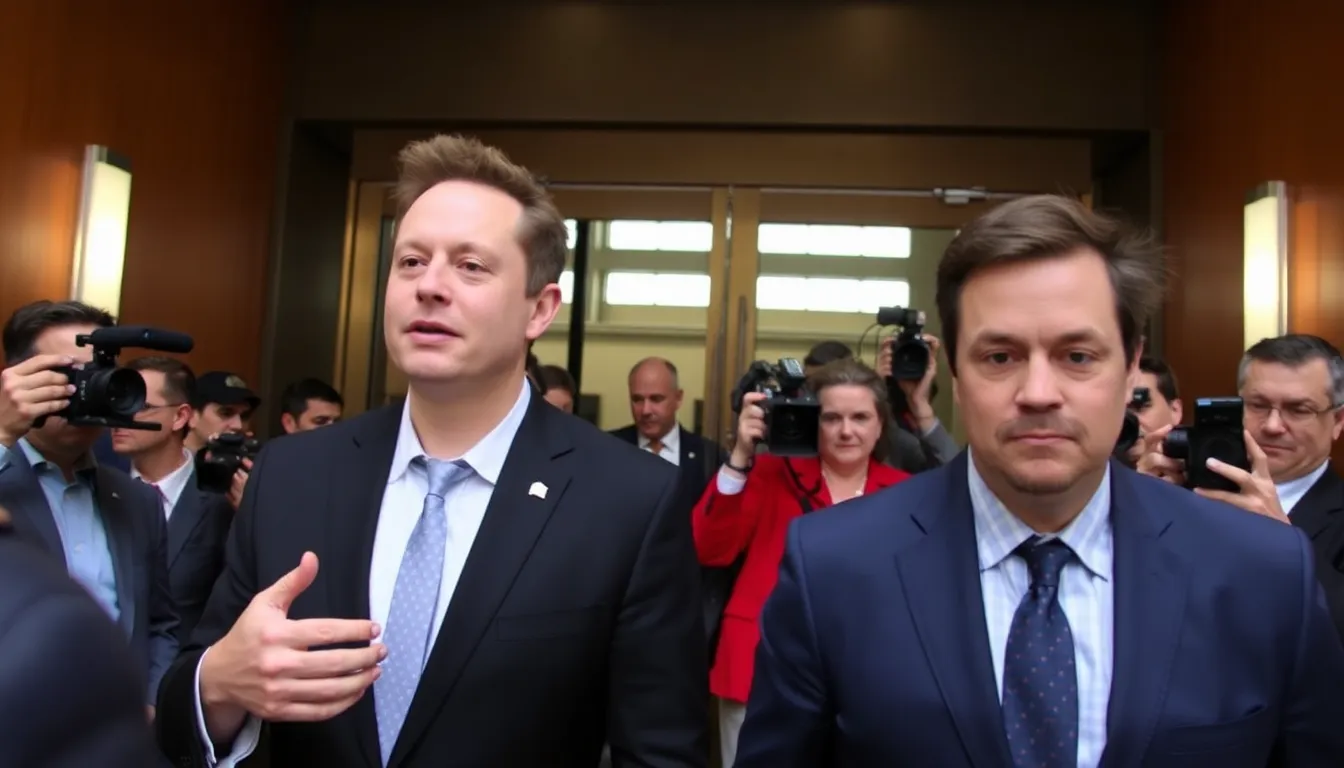
- Risks: Potential for increased regulation leading to compliance costs and stifled innovation.
- Opportunities: Emergence of new standards and best practices that enhance public trust in AI technologies.
- Community Impact: Local economies, especially in tech hubs like Oakland, may see shifts in talent and investment flows.
Moreover, the trial’s visibility could spark broader societal discussions about the ethical implications of AI, influencing how communities engage with technology. As public awareness grows, there may be greater demand for transparency and accountability from tech leaders, reshaping the relationship between companies and their users.
A: The trial will primarily address the ethical and legal implications of AI technologies developed by OpenAI, particularly in relation to accountability and transparency. A: Elon Musk, as a co-founder of OpenAI, and Sam Altman, as its CEO, represent the intersection of innovation and responsibility in AI development, making their involvement crucial to the case. A: Depending on the verdict, the trial could set important precedents for AI regulations, influencing how companies approach ethical AI development in the future. A: The trial is scheduled to take place in Oakland, with specific dates to be confirmed as the legal proceedings unfold. A: Many people are concerned about the implications of AI on privacy, security, and employment, and they are looking to this trial for clarity on these issues.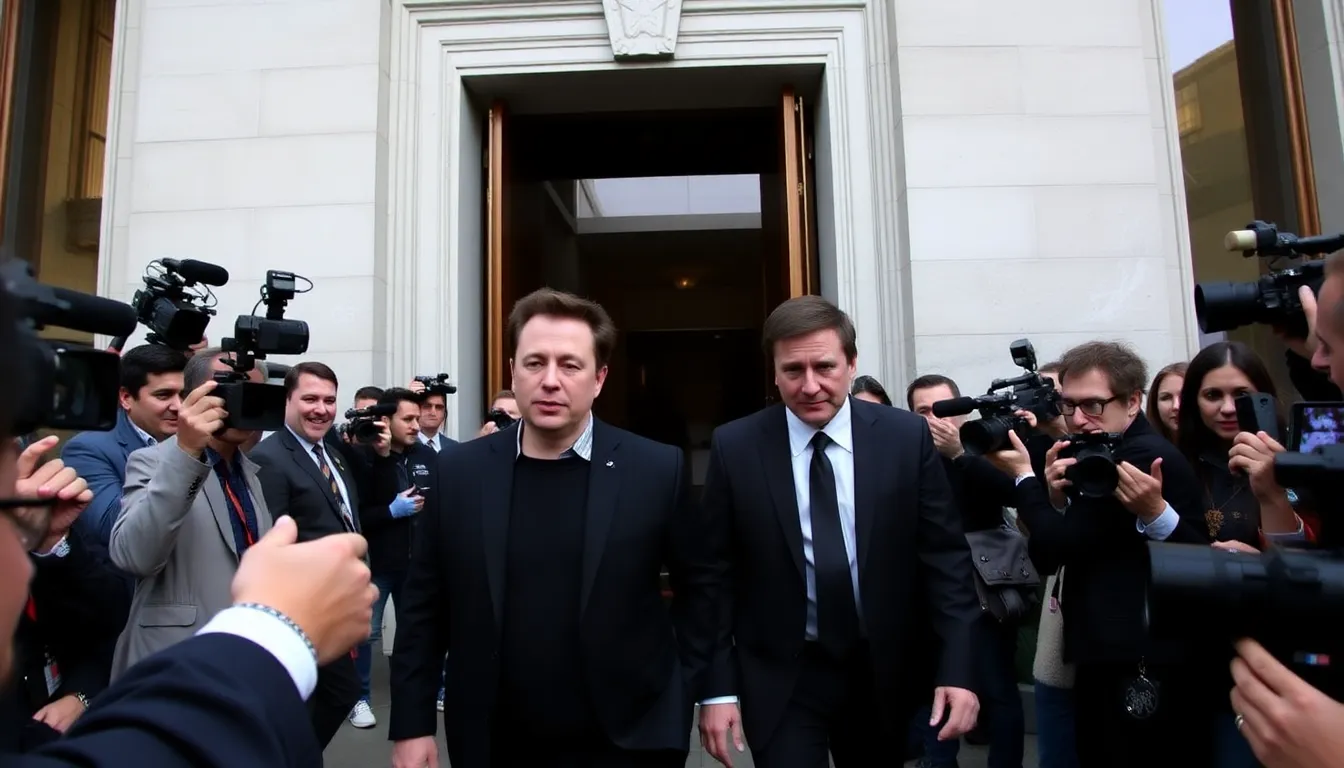
Frequently asked questions about the trial
Key takeaways and future implications of the trial
The ongoing trial involving Elon Musk and Sam Altman marks a pivotal moment in the evolution of artificial intelligence governance. As the case unfolds, it highlights the complexities surrounding accountability and ethical considerations in AI development. The implications of this trial extend beyond the courtroom, potentially shaping industry standards and regulatory frameworks that govern AI technologies.
Observers should pay close attention to how the outcomes may influence public perception of AI, as well as the potential for increased scrutiny on tech giants. The dialogue initiated by this trial could set precedents for future legal frameworks and ethical guidelines in AI, impacting not only the companies involved but also the broader landscape of technology innovation.
- Expect heightened scrutiny on AI accountability and ethical practices in tech companies.
- Watch for potential changes in regulatory frameworks that may emerge from the trial’s outcomes.
- Consider the impact on public trust in AI technologies and how companies will address these concerns.
- Monitor the responses from other tech leaders regarding the trial’s implications for their own practices.
- Look for shifts in investment and funding strategies within the AI sector as a reaction to the trial’s findings.