
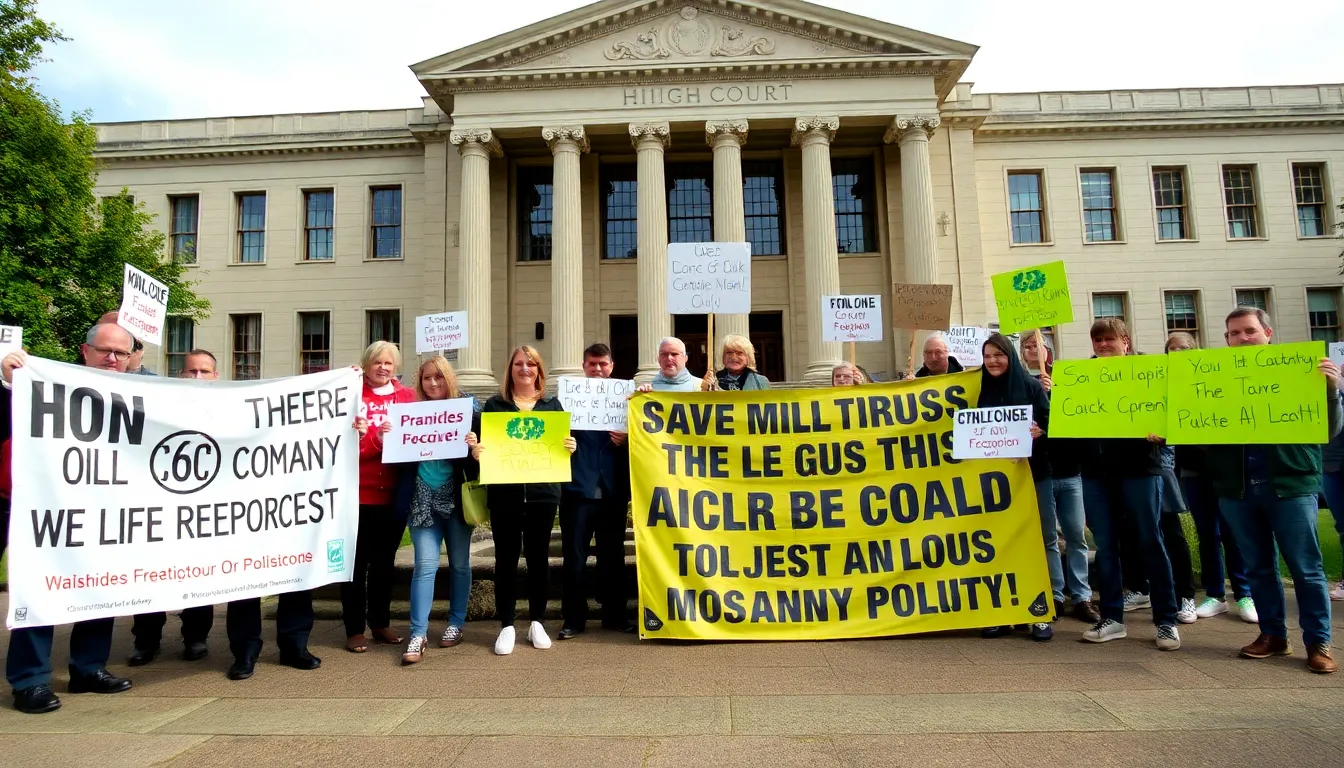
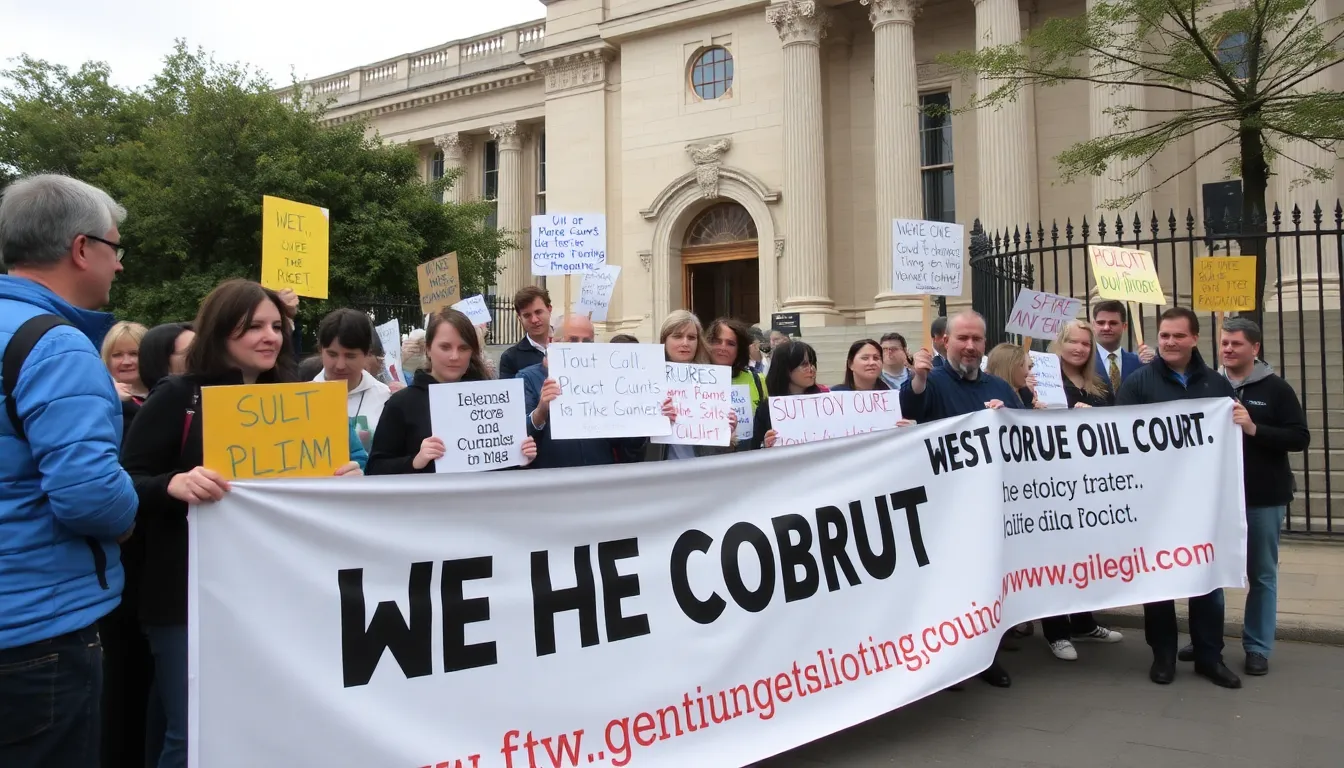
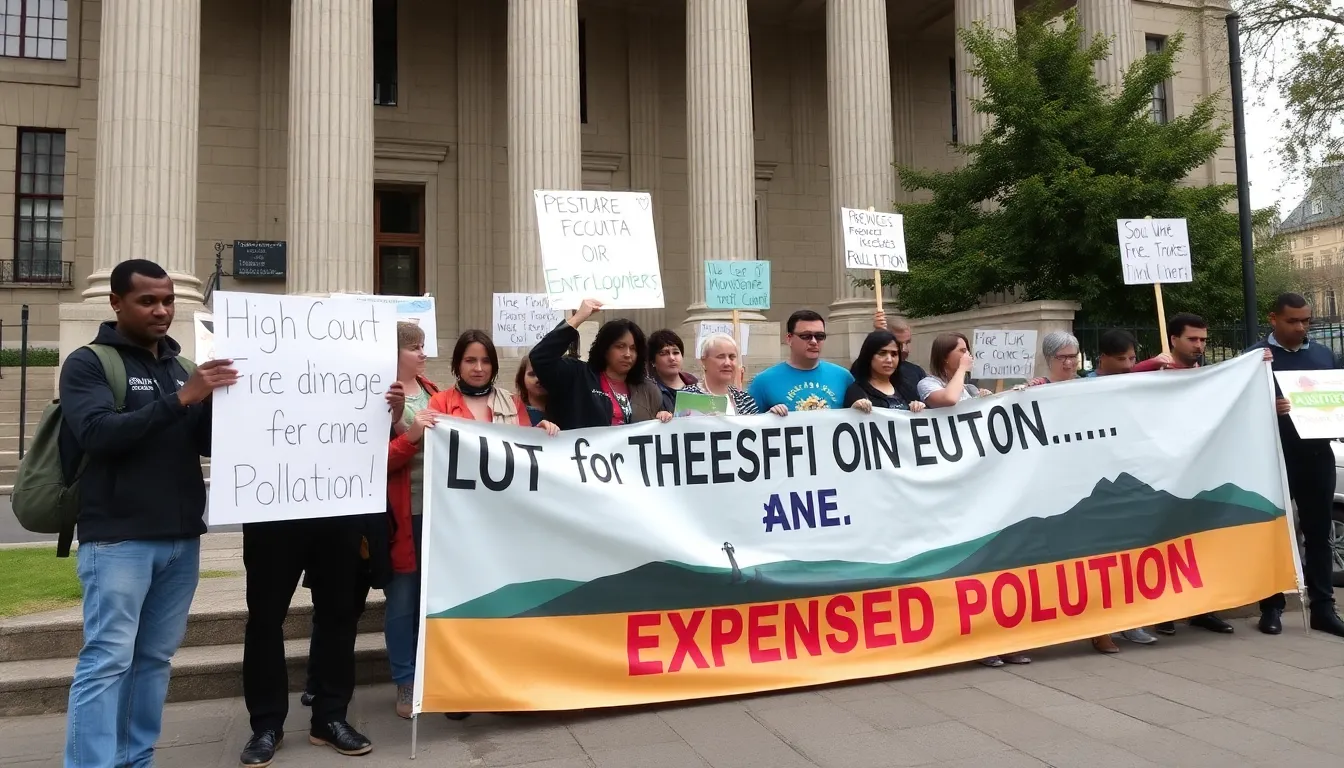
The legal proceedings began in early October 2023, with a coalition of environmental groups and affected communities seeking damages for the alleged pollution. The plaintiffs argue that the oil company’s activities have not only harmed the environment but have also adversely affected the health and livelihoods of local residents. This case is one of many where communities are advocating for their rights to clean environments, reflecting a larger trend in environmental justice.
This case is particularly noteworthy as it highlights the growing trend of legal actions aimed at holding corporations accountable for environmental degradation. The outcome of this claim could set a significant precedent, influencing future cases and potentially leading to stricter regulations on industrial practices in the UK.
As the court hearings unfold, the implications of this case extend beyond the immediate parties involved. It raises critical questions about corporate responsibility, the effectiveness of current environmental laws, and the role of civil society in advocating for environmental justice.
Background on environmental pollution issues in the UK
The United Kingdom has a long and complex history with environmental pollution, dating back to the Industrial Revolution in the late 18th century. As factories and industries flourished, the air and waterways became increasingly contaminated, leading to severe public health crises and environmental degradation. The Great Smog of 1952 in London, which resulted in thousands of deaths, served as a wake-up call that led to the Clean Air Act of 1956, marking the beginning of more stringent environmental regulations in the UK.
Over the years, various political and social movements have emerged, advocating for cleaner environments and stricter regulations on pollutants. The establishment of the Environment Agency in 1996 was a significant milestone aimed at protecting and enhancing the environment in England and Wales. However, despite these efforts, cases of environmental pollution have continued to arise, often linked to large corporations and industrial practices that prioritize profit over ecological responsibility. This ongoing struggle highlights the critical need for legal frameworks that support environmental advocacy.
Recent Developments in Environmental Legislation
In recent years, the UK government has made commitments to reduce carbon emissions and address climate change, culminating in the legally binding target to reach net-zero emissions by 2050. However, enforcement of environmental laws has often been criticized as insufficient, leading to public outcry and legal challenges against companies accused of causing significant harm to the environment. The current case, which has reached the High Court, represents a culmination of growing public awareness and legal scrutiny surrounding corporate environmental responsibility, echoing sentiments found in other pressing environmental issues.
This high-profile case is not just about pollution; it reflects broader societal concerns regarding corporate accountability and the right of communities to seek redress for environmental damage. As the UK grapples with its environmental legacy, this claim could set a precedent for future litigation and regulatory frameworks, emphasizing the need for robust protections against pollution and a sustainable approach to economic growth.
Key stakeholders and major issues involved in the case
The case surrounding the UK’s largest ever environmental pollution claim has brought together a diverse group of stakeholders, each with their own interests and perspectives. The primary actors include the affected communities, environmental advocacy groups, the company accused of pollution, and government regulatory bodies. Understanding their roles and interests is crucial to grasping the complexities of this legal battle.
At the forefront are the local communities who allege that their health and environment have been severely impacted by the pollution. Their primary interest lies in seeking justice and compensation for damages incurred. These communities are often represented by environmental advocacy groups that aim to amplify their voices and ensure accountability from the responsible parties.
The company implicated in the pollution claim faces significant legal and financial stakes. Their interest revolves around defending their practices and mitigating potential damages that could arise from the lawsuit. The outcome of this case could set a precedent for environmental accountability and corporate responsibility in the UK, making it a critical issue for businesses operating in environmentally sensitive sectors.
Government regulatory bodies are also key stakeholders in this scenario. Their role is to enforce environmental laws and ensure compliance among corporations. They face the challenge of balancing economic interests with environmental protection, which can lead to conflicts, especially when significant economic contributions from the accused company are at stake.
- Community Health Risks: Allegations of health impacts on local populations due to pollution.
- Corporate Accountability: The need for companies to be held responsible for environmental harm.
- Regulatory Oversight: The effectiveness of government regulations in preventing pollution.
- Economic Implications: Potential economic fallout for the company and local economies depending on it.
- Legal Precedents: The case may influence future environmental litigation and corporate practices.
Potential impacts on communities and the environment
The UK’s largest environmental pollution claim, now reaching the High Court, is poised to affect a wide range of groups, from local communities to large industries. The areas surrounding the pollution sites, particularly in industrial regions, are likely to bear the brunt of both immediate and long-term consequences. Residents in these areas may experience health risks due to exposure to pollutants, while businesses that rely on clean environments may face operational challenges.
In the short term, communities may see disruptions in daily life as legal proceedings unfold. Local businesses, especially those in tourism and agriculture, could suffer from reduced foot traffic and consumer confidence. The potential for increased regulation and scrutiny on industries involved in pollution could lead to operational changes, affecting their profitability and employment levels.
Mid-term impacts may include shifts in local policies aimed at environmental protection. Governments might allocate more resources to monitor pollution levels and enforce stricter regulations, which could lead to increased costs for industries. However, this could also create opportunities for businesses specializing in environmental technologies and sustainable practices.
- Health risks: Increased incidence of respiratory issues and other health problems for local residents.
- Economic disruptions: Local businesses may face reduced income and job losses.
- Regulatory changes: Stricter environmental laws could reshape industry standards.
- Investment in green technologies: Potential growth for companies focused on sustainability and pollution mitigation.
As the case progresses, the ripple effects on both the environment and economy will become clearer, highlighting the balance between accountability and the need for sustainable development. Communities may rally for stronger protections, while industries may need to adapt to an evolving landscape of environmental responsibility.
A: The claim is based on allegations that a major corporation has caused extensive environmental damage, affecting local communities and ecosystems. A: The case involves affected residents, environmental groups, and the corporation accused of the pollution. A: The outcome could set a significant precedent for future environmental claims and corporate responsibility in the UK. A: Depending on the ruling, it could lead to stricter environmental regulations and increased accountability for corporations. A: The hearing is scheduled for next month, with significant public interest surrounding the proceedings.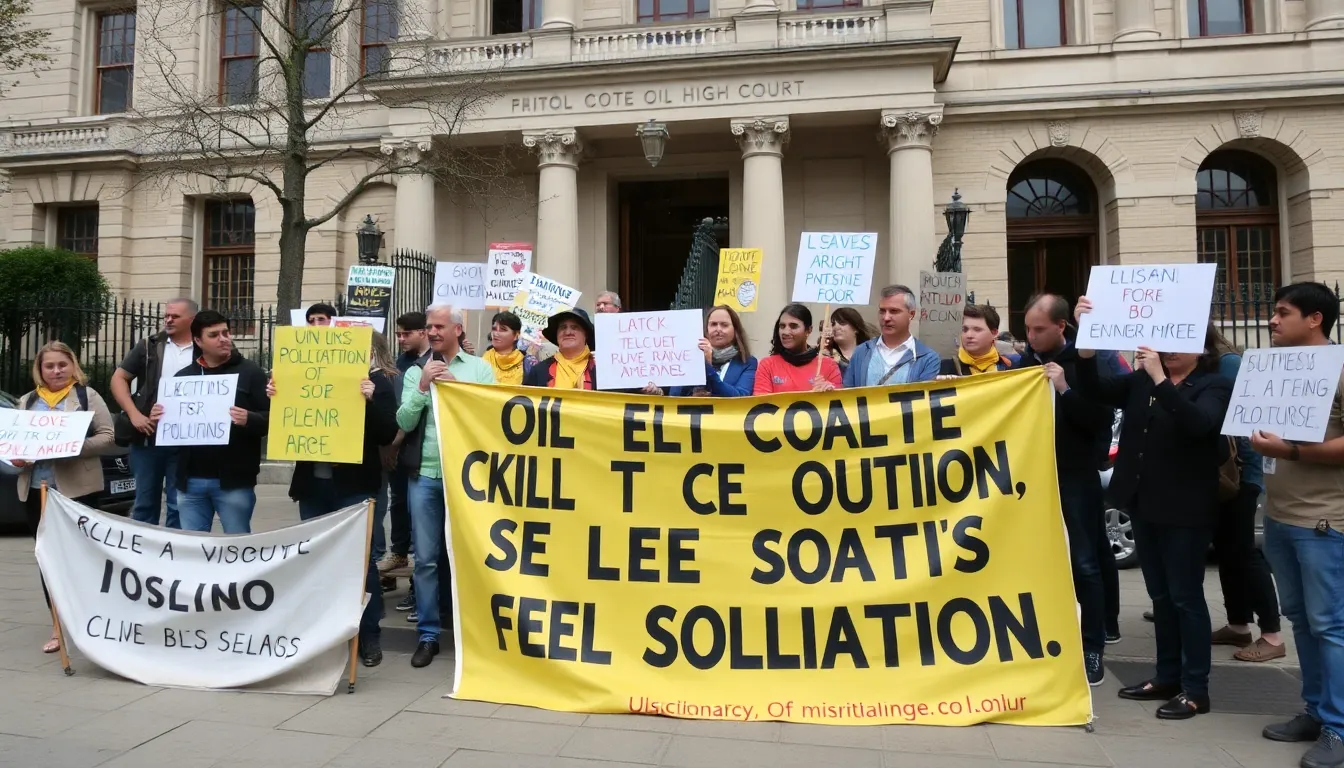
Frequently asked questions about the pollution claim
Key takeaways and future outlook on environmental claims
The recent High Court case concerning the UK’s largest environmental pollution claim marks a significant moment in the legal landscape surrounding environmental issues. As the court deliberates on the implications of this case, it is likely to set precedents for future claims, influencing how corporations approach their environmental responsibilities. This case not only highlights the growing public concern over environmental degradation but also underscores the potential for legal recourse as a means of holding polluters accountable.
Stakeholders, including businesses, environmental advocates, and policymakers, should closely monitor the outcomes of this case. The implications extend beyond the immediate parties involved, potentially reshaping regulatory frameworks and encouraging more robust environmental protections. The outcome could also inspire similar claims and legal actions in other jurisdictions, reflecting a broader trend towards accountability for environmental harm.
- Increased Accountability: Companies may face heightened scrutiny and pressure to adopt sustainable practices to avoid legal repercussions.
- Legal Precedents: The ruling could establish important legal precedents that influence future environmental litigation.
- Public Awareness: Growing public awareness and activism around environmental issues may lead to more claims and demands for corporate responsibility.
- Regulatory Changes: Expect potential shifts in regulations as the government responds to the outcomes of this landmark case.
- Corporate Reputation: Businesses may need to reassess their environmental strategies to maintain public trust and mitigate legal risks.