
In recent months, platforms like Spotify have faced increasing pressure from musicians who argue that AI music could dilute the authenticity of the listening experience. Notable artists, including Grimes and Nick Cave, have publicly expressed their views on the subject, emphasizing the need for transparency and ethical considerations in the use of AI in music production. As these discussions evolve, the absence of a filtering option on Spotify remains a contentious point, which has significant implications for the future of music streaming and industry dynamics.
The issue gains further complexity as AI technology continues to advance, with tools capable of producing music that closely mimics established genres and styles. This has led to concerns about copyright infringement and the potential for AI-generated tracks to flood streaming services, making it harder for independent artists to gain visibility. Spotify’s current approach appears to prioritize a broad catalog over curated authenticity, raising questions about its long-term strategy.
Industry analysts suggest that Spotify’s decision not to introduce an AI music filter could be tied to its business model, which relies heavily on user engagement and content diversity. By maintaining a wide array of music, including AI-generated tracks, the platform may aim to attract a larger audience. However, this strategy may alienate certain segments of its user base who seek a more curated listening experience.
The rise of AI music and its relevance in the industry
The music industry has undergone significant transformations over the past few decades, with technological advancements playing a pivotal role. The emergence of artificial intelligence (AI) in music production and composition has sparked a new wave of creativity, allowing for the generation of music that can mimic human styles or create entirely new sounds. This evolution raises essential questions about the nature of creativity, ownership, and the value of human artistry in a landscape increasingly influenced by algorithms.

Historically, the introduction of digital tools in music production began in the late 20th century, with synthesizers and computer software enabling artists to explore new sonic possibilities. However, the advent of AI music took this concept to a new level, as algorithms can now analyze vast datasets of existing music to generate new compositions. This capability has led to the proliferation of AI-generated tracks across streaming platforms, including Spotify, which has become a battleground for traditional musicians and AI-generated content.
The economic implications of AI music
The economic landscape of the music industry is also shifting due to AI. Major labels and independent artists alike are exploring AI as a means to reduce production costs and increase output. As AI-generated music becomes more prevalent, questions arise regarding royalties and compensation for human artists. The absence of a filter for AI music on platforms like Spotify can be seen as a reflection of the industry’s struggle to adapt to these changes, balancing the interests of human creators with the efficiency and novelty that AI offers.
Furthermore, the political discourse surrounding copyright and intellectual property rights has intensified as AI-generated music challenges existing frameworks. As artists and lawmakers grapple with the implications of AI in creative fields, Spotify’s decision to forgo a filter for AI music may suggest a reluctance to disrupt the status quo or a belief in the potential of AI to coexist with traditional music creation.
As the debate continues, the lack of a filter for AI music on streaming platforms like Spotify may signal a broader acceptance of AI as a legitimate contributor to the music landscape, while also highlighting the complexities of defining authorship and authenticity in an age of digital reproduction.
Key stakeholders and the debate over AI music
The emergence of AI-generated music has sparked a complex discussion involving various stakeholders, each with distinct interests. At the forefront are music streaming platforms like Spotify, which are navigating the integration of AI music while maintaining user satisfaction and content diversity. Additionally, artists and musicians are concerned about the implications of AI on their creative work and income, as AI-generated tracks can potentially saturate the market.
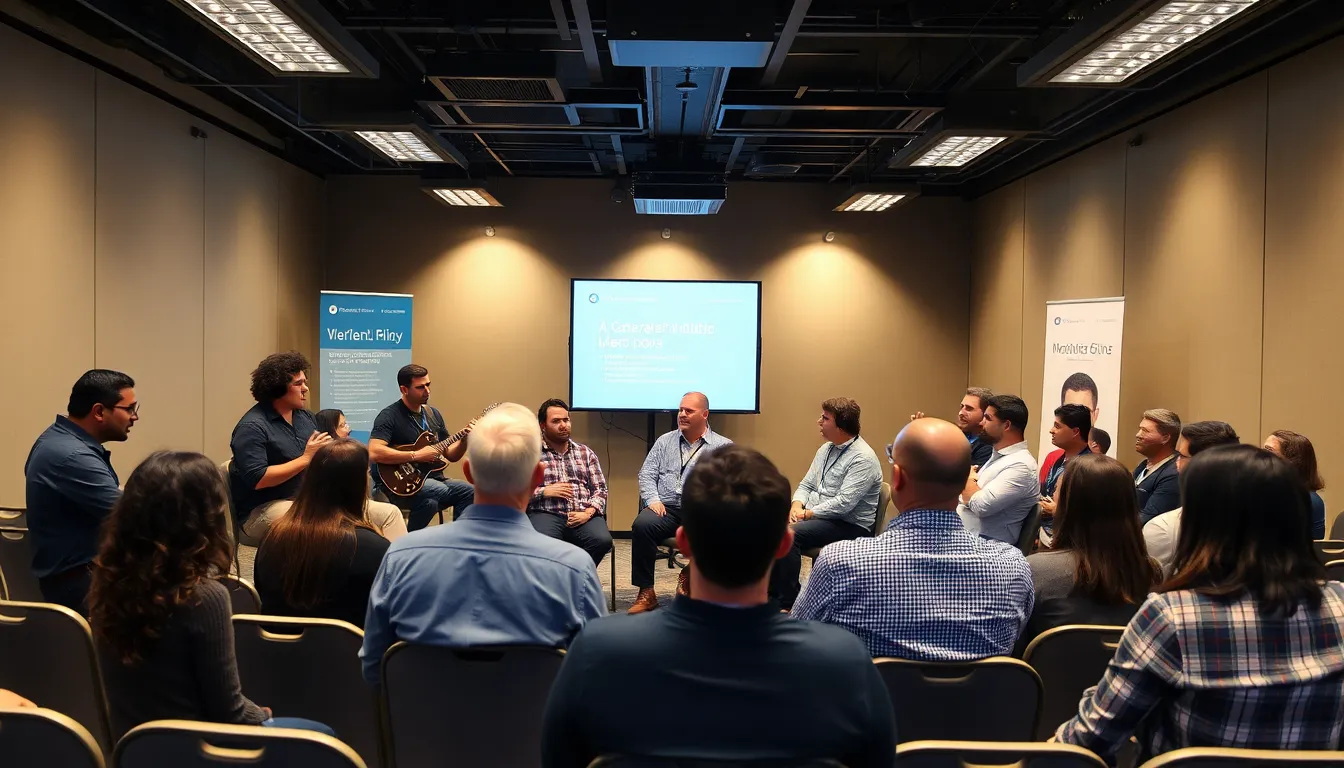
Another key player in this debate is the technology sector, particularly companies that develop AI music software. These firms advocate for the use of AI as a tool to enhance creativity and provide new opportunities for artists. However, their interests may conflict with those of traditional musicians who fear being overshadowed by AI capabilities.
Legal frameworks also play a crucial role in this discussion. Current copyright laws may not adequately address the nuances of AI-generated content, leading to potential disputes over ownership and royalties. Governments and regulatory bodies are thus faced with the challenge of updating legislation to protect both creators and consumers in an evolving digital landscape.
- Market saturation: The influx of AI music could overwhelm listeners, making it harder for human artists to gain visibility.
- Copyright issues: Ambiguities in copyright law regarding AI-generated music raise questions about who owns the rights to such works.
- Consumer preferences: Users may have varying opinions on AI music, influencing Spotify’s decisions on content curation.
- Artist livelihoods: Musicians worry that AI-generated music could diminish their earning potential and creative opportunities.
- Technological advancement: The rapid development of AI tools poses both opportunities and challenges for the music industry.
Who is affected by the lack of an AI music filter?
The absence of a dedicated filter for AI-generated music on platforms like Spotify impacts several key groups, including artists, consumers, and industry stakeholders. Musicians and songwriters face a unique challenge as AI music production becomes more prevalent. The ease of creating music through AI tools can dilute the market, making it harder for human artists to gain visibility and revenue, further complicating the landscape of music creation and distribution.
Consumers are also affected, as they may find it increasingly difficult to distinguish between authentic human-created music and AI-generated tracks. This confusion can lead to a diminished listening experience, where the emotional and creative nuances of human artistry are overshadowed by algorithmically produced content. In the short term, listeners might enjoy a broader variety of music, but over time, they may yearn for the authenticity of human expression.
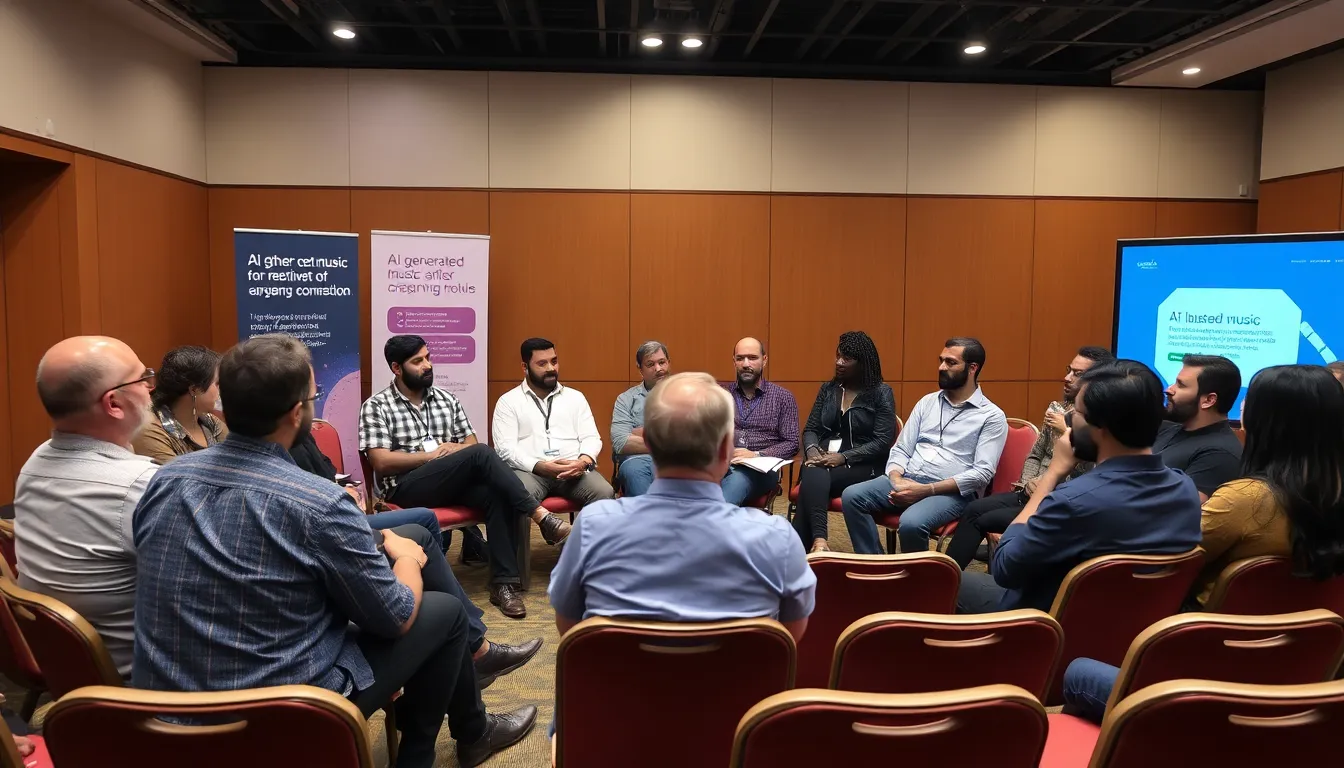
From a business perspective, music labels and streaming services face both risks and opportunities. The rise of AI music could lead to a decrease in demand for traditional music production, impacting jobs within the industry. However, it also opens new avenues for innovation, allowing companies to explore unique collaborations between human artists and AI systems. This duality poses a significant challenge for policy-makers looking to regulate the evolving landscape of music creation.
- Short-term impacts: Increased variety of music but potential confusion among listeners.
- Mid-term impacts: Possible decline in traditional music careers and changes in revenue models.
- Risks: Erosion of artistic integrity and market saturation with low-quality AI music.
- Opportunities: New collaborations and innovative music experiences for consumers.
Regions with a strong music industry presence, such as the United States and Europe, may feel these effects more acutely. As AI technology evolves, the need for clear guidelines and support for human artists becomes increasingly vital to ensure a balanced and sustainable music ecosystem.
A: Spotify has not implemented a filter for AI music due to the complexities of defining what constitutes AI-generated content and the potential backlash from artists. A: Currently, there are no official announcements regarding the introduction of a filter for AI music, but user feedback may influence future updates. A: AI music can create competition for traditional artists, leading to concerns about originality and revenue distribution within the music industry. A: AI music can offer unique sounds and styles, providing listeners with a diverse range of options that may not be available from human artists. A: As of now, Spotify does not have a specific labeling system for AI-generated tracks, making it difficult for users to distinguish them.
Frequently Asked Questions about AI music on Spotify
Future outlook on AI music and Spotify’s role
As the landscape of music consumption evolves, Spotify’s decision to not include a filter for AI-generated music reflects broader trends in the industry. The platform is at a crossroads, balancing user preferences with the innovative potential of AI in music creation. This choice may influence how listeners engage with both traditional and AI-generated content, shaping the future of music curation and discovery.
Moreover, the implications of this decision extend beyond user experience. As AI music continues to gain traction, Spotify’s approach could set a precedent for other streaming services, prompting discussions around authenticity, creativity, and the role of technology in artistic expression. Observing how users respond to AI music will be critical in determining the platform’s future strategies.
- Monitor user engagement metrics to understand the impact of AI music on listening habits.
- Watch for potential shifts in content creation as artists adapt to the presence of AI-generated music.
- Consider the implications for copyright and intellectual property as AI music becomes more prevalent.
- Stay alert to competitive responses from other streaming platforms regarding AI music integration.
- Evaluate the ongoing dialogue about the authenticity of music in the age of AI and its effects on consumer trust.