
Local artisans, who have historically relied on steady production and sales, are now grappling with fluctuating costs and reduced demand. Reports indicate that many small-scale glass manufacturers have seen a decline in orders, with some businesses reporting a drop of up to 30% in sales over the past year. This downturn threatens not only the livelihoods of workers but also the cultural heritage associated with glassmaking in the region.
Furthermore, the impact of the current situation extends beyond economics; it also raises concerns about the sustainability of the industry. As production slows, there is a risk of losing skilled artisans who may seek employment in other sectors. The potential loss of traditional glassmaking techniques could have long-term implications for India’s cultural identity and craftsmanship.
Efforts are underway to address these challenges, with local government initiatives aimed at providing financial support to affected businesses. However, the effectiveness of these measures remains to be seen, as the global situation continues to evolve. Stakeholders in the glass industry are calling for greater collaboration and innovation to navigate these turbulent times and secure a more stable future.
Understanding the background of the conflict affecting the industry
The glass industry in India, particularly centered in regions like Firozabad, has a rich history that dates back to the Mughal era. This area became a hub for glassmaking due to its abundant raw materials and skilled artisans who passed down their craft through generations. Over the years, the industry evolved, adapting to both domestic and international markets, but it has always been sensitive to external influences, including geopolitical conflicts and events like the ongoing conflict in regions such as Ukraine.
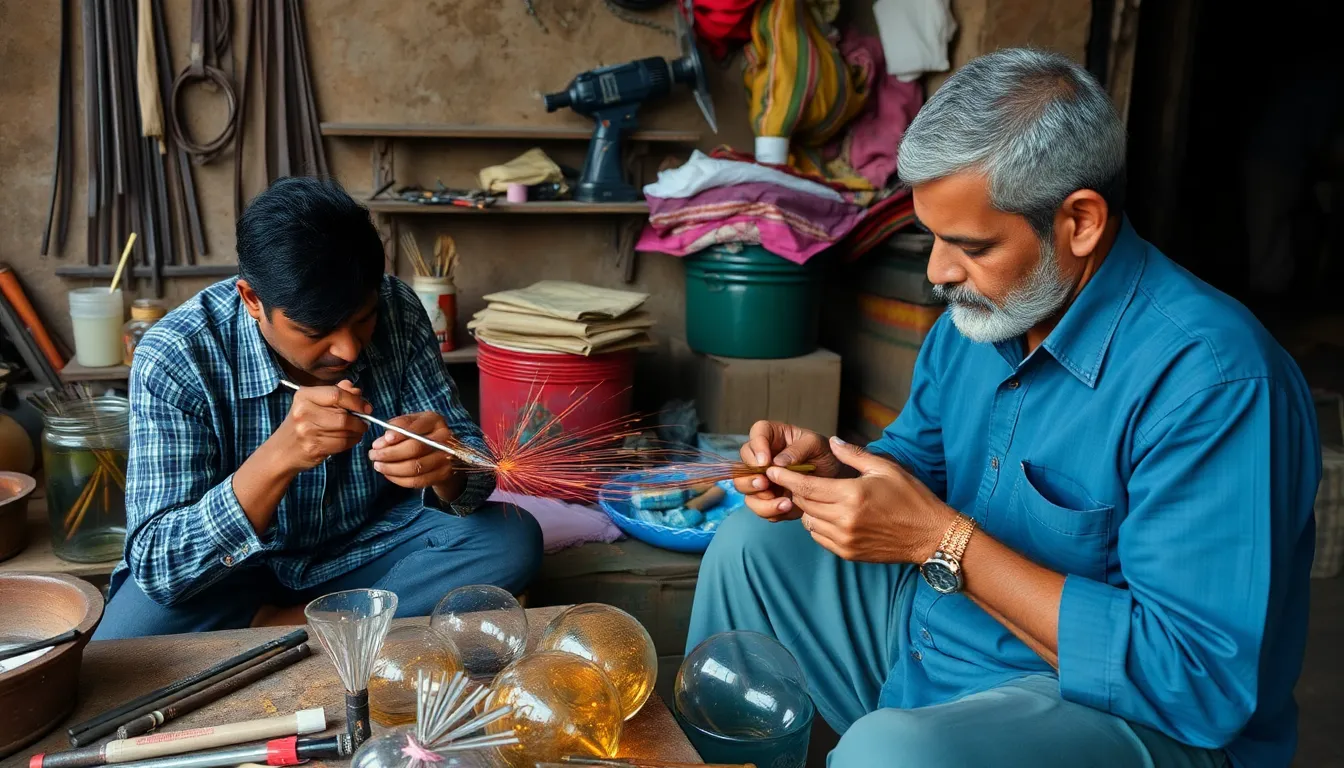
In recent years, the ongoing conflict in regions such as the Middle East has had ripple effects on global supply chains, including those that supply raw materials essential for glass production in India. As tensions escalate, the availability and cost of these materials fluctuate, impacting local manufacturers who rely on consistent supply for their operations. This has raised concerns among glassmakers in India, who fear that prolonged conflicts could jeopardize their livelihoods.
The Economic Impact of Global Conflicts
Historically, the Indian glass industry has faced challenges from both domestic policies and international events. For instance, the imposition of tariffs and trade restrictions during global economic downturns has previously hampered growth. The current geopolitical instability is reminiscent of past crises, where similar disruptions led to significant economic strain on local industries. As the conflict persists, the potential for increased costs and reduced demand for glass products is a looming threat that could reshape the landscape of this traditional industry, much like issues faced in other sectors affected by international strife.
Moreover, the socio-economic fabric of regions like Firozabad is deeply intertwined with the glass industry. Thousands of families depend on this sector for their livelihoods. The threat posed by external conflicts not only jeopardizes jobs but also affects the cultural heritage associated with glassmaking. As artisans struggle to maintain their craft amidst rising costs and decreasing demand, the very identity of these communities hangs in the balance.
Key stakeholders and issues in the glass manufacturing sector
The glass manufacturing sector in India, particularly in regions like Firozabad, is facing significant challenges due to a faraway conflict that threatens both livelihoods and production capabilities. Understanding the key stakeholders involved, as well as the complex issues at play, is crucial for grasping the broader implications of this situation.
One of the primary stakeholders is the local glass manufacturers, who rely heavily on stable supply chains and access to raw materials. Their interests are centered around maintaining production levels and ensuring the sustainability of their businesses. However, disruptions caused by the conflict may lead to shortages and increased costs, threatening their operational viability.
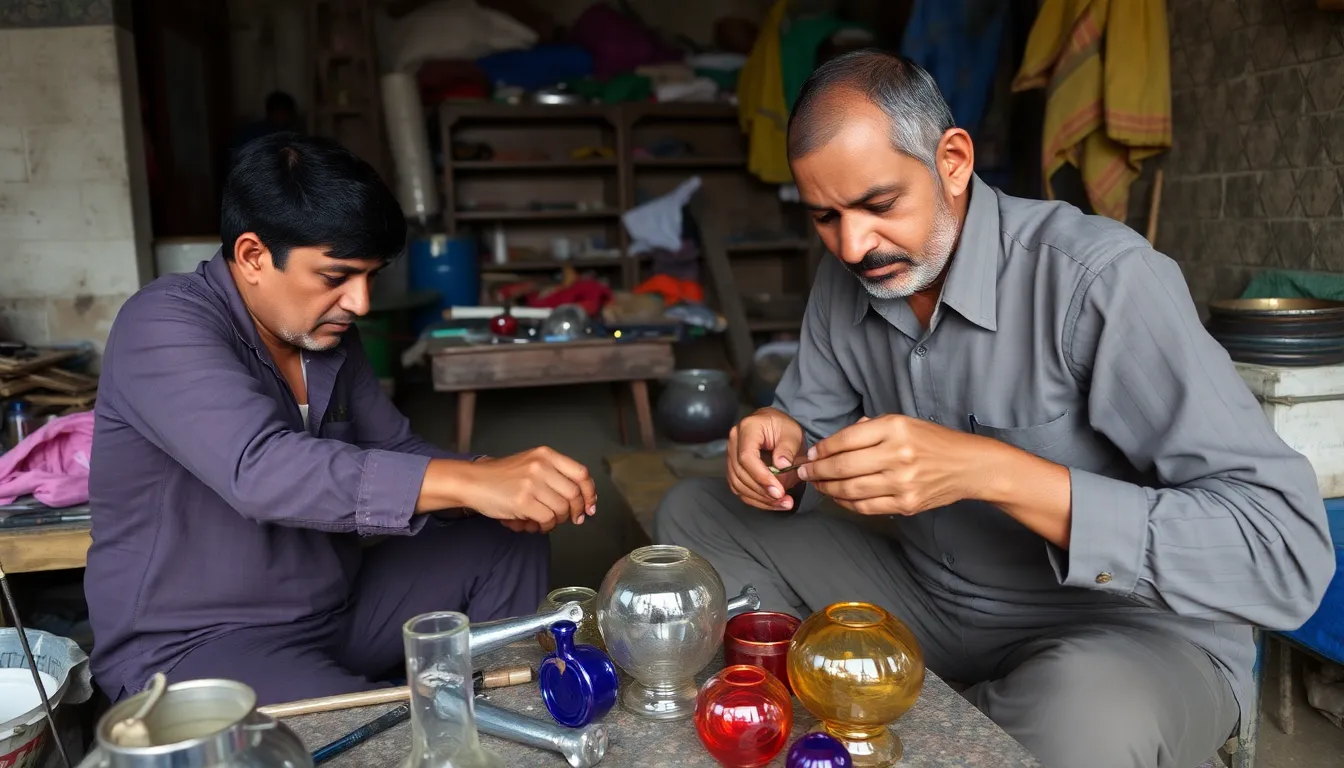
Another important actor is the Indian government, which has a vested interest in protecting domestic industries and ensuring job security for millions of workers in the glass sector. The government may face trade-offs between supporting local manufacturers and addressing international relations that could be affected by the ongoing conflict.
Additionally, international buyers and suppliers play a crucial role in this scenario. Their interests often revolve around cost-effectiveness and reliability of supply. As tensions rise, they may seek alternative sources, further complicating the dynamics for Indian glass manufacturers.
- Supply Chain Disruptions: The conflict may lead to interruptions in the supply of essential raw materials.
- Economic Impact: Rising costs could result in increased prices for consumers and reduced competitiveness.
- Labor Concerns: Job security for thousands of workers in the glass industry is at risk due to potential factory closures.
- Government Policies: The need for supportive policies to mitigate the impact of the conflict on local industries.
- International Relations: The conflict could affect trade agreements and partnerships critical to the glass sector.
How the conflict impacts local communities and the market
The ongoing conflict in a distant region has far-reaching consequences for India’s glass manufacturing hub, particularly in the state of Gujarat. This area is home to numerous small and medium-sized enterprises (SMEs) that rely heavily on imported raw materials and international markets. As tensions escalate, these businesses face significant disruptions that threaten their operations and the livelihoods of countless workers.
Among the groups most affected are local artisans and laborers who depend on the glass industry for their income. The potential for supply chain interruptions could lead to increased costs of production, forcing many to reduce their workforce or even shut down entirely. The ripple effect can be seen in related sectors, such as transportation and retail, where reduced glass production means fewer sales and lower demand for services.
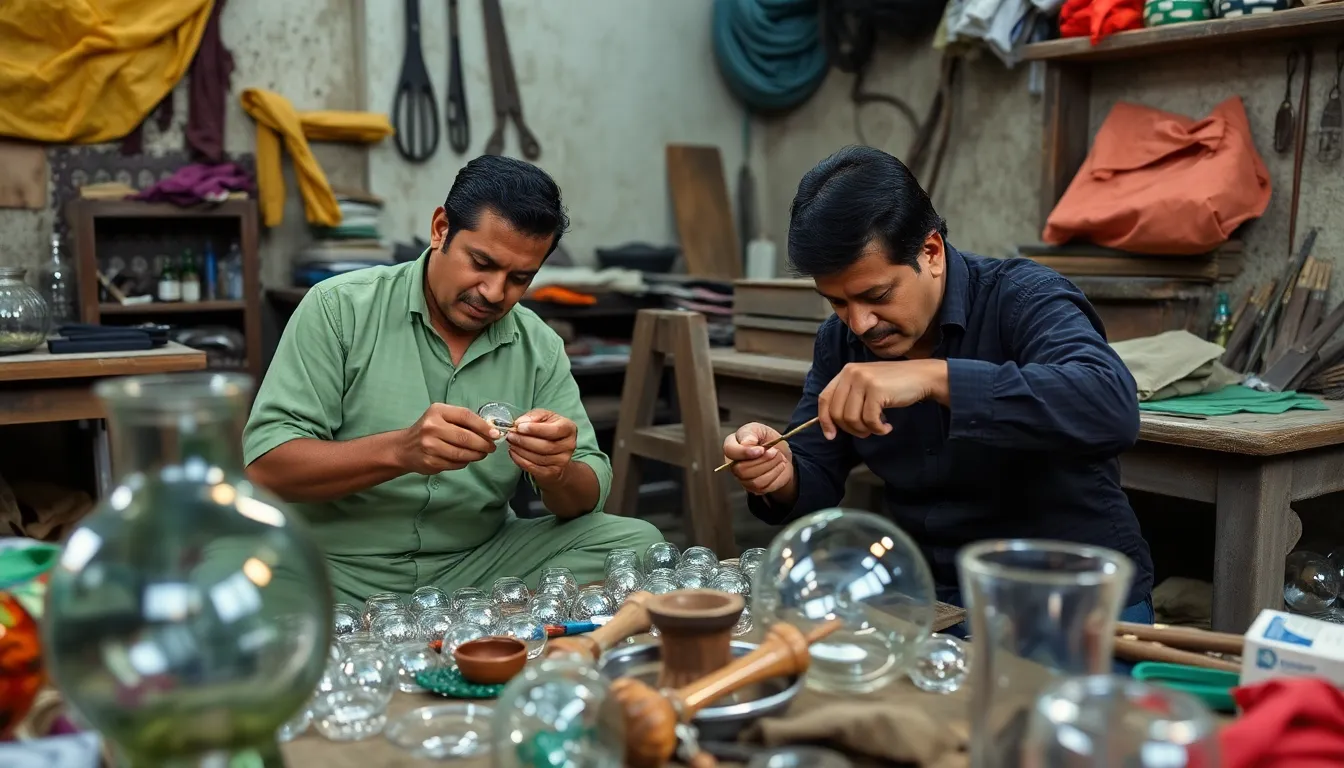
In the short term, businesses may experience delays in receiving essential materials, leading to a slowdown in production. This could result in increased prices for consumers, as manufacturers may pass on the costs associated with sourcing materials from alternative suppliers. Additionally, uncertainty in the market can deter investment, stalling growth opportunities for new entrants in the glass industry.
In the mid-term, the conflict may prompt local businesses to explore alternative markets or diversify their product offerings to mitigate risks. This shift could lead to innovation and the development of new glass products that cater to different consumer needs. However, the ongoing instability poses significant challenges, including the potential for long-term economic decline in the region if conditions do not improve.
- Disruption of supply chains affecting production timelines.
- Increased production costs leading to higher consumer prices.
- Job losses among local artisans and workers in the glass sector.
- Potential for innovation and diversification in product offerings.
- Long-term economic decline if conflict persists.
A: The conflict has disrupted supply chains, leading to shortages of materials and increased costs for artisans. Many are struggling to maintain their livelihoods as orders decline. A: Various local organizations are working to provide financial assistance and resources to affected artisans, while government initiatives are being discussed to stabilize the market. A: The resolution timeline remains uncertain as negotiations are ongoing. The situation is fluid, and its impact on the glass hub will depend on future developments. A: If the conflict continues, it could lead to a significant decline in the glass market, affecting not just local artisans but also international trade relationships.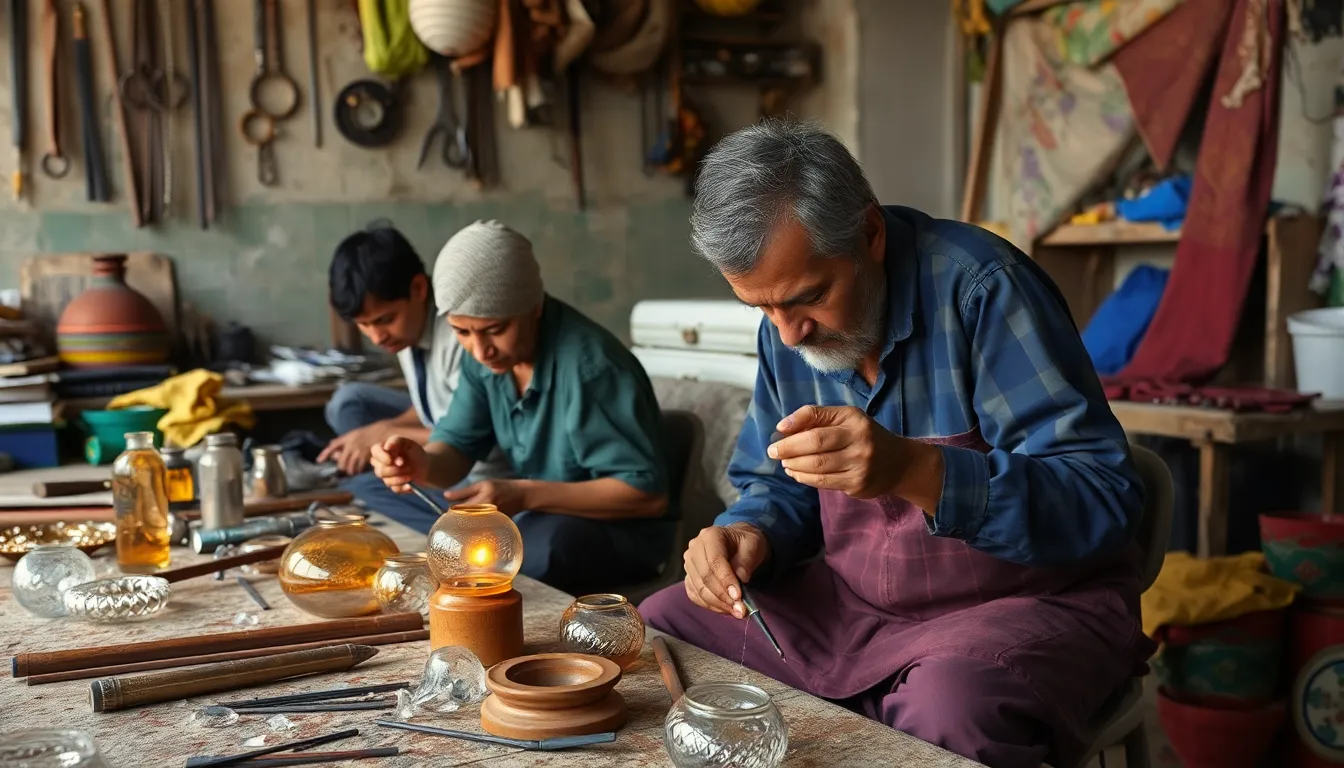
Frequently asked questions about the glass industry and the conflict
Insights and outlook for the future of the glass hub
The ongoing conflict, while geographically distant, has significant repercussions for India’s glass industry, particularly in regions heavily reliant on exports. As global supply chains become increasingly intertwined, disruptions in one area can lead to cascading effects elsewhere. The glass hub must navigate these challenges carefully, balancing local production needs with the realities of international trade dynamics.
Looking ahead, stakeholders in the glass sector should remain vigilant about geopolitical developments and their potential impact on raw material availability and export markets. Proactive measures, such as diversifying supply sources and exploring new markets, could mitigate risks and enhance resilience in an uncertain landscape.
- Monitor global trade policies and their implications for the glass industry.
- Invest in domestic production capabilities to reduce dependency on volatile international markets.
- Explore alternative markets to sustain export levels amidst geopolitical tensions.
- Enhance collaboration within the industry to share resources and information effectively.
- Stay informed about technological advancements that could improve efficiency and reduce costs.