
The court heard testimonies from several victims, detailing the abuse they suffered at the hands of Chasing Horse. His actions, which date back to the early 2000s, have raised significant concerns regarding the safety and protection of vulnerable individuals within the entertainment industry, a topic that has been explored in depth in our article about judicial accountability for survivors.
This case has garnered widespread media attention, highlighting the ongoing issues of sexual violence and exploitation in Hollywood. Advocacy groups have praised the verdict as a step towards justice, while also calling for more stringent measures to prevent such abuses in the future, similar to the efforts discussed in our coverage of lawmakers confronting key issues.
Chasing Horse’s conviction is seen as part of a larger movement to hold individuals accountable for their actions, particularly in light of the #MeToo movement. As the legal proceedings unfold, many are watching closely to see how this case may influence future legal actions against similar offenses, reflecting the sentiments shared in discussions around cultural shifts that are vital for justice.
Background on Nathan Chasing Horse and the allegations
Nathan Chasing Horse, a former actor best known for his role in the film “Dances with Wolves,” has faced serious allegations that have culminated in a significant legal outcome. His case highlights broader issues of sexual assault within the entertainment industry and the challenges that victims face when seeking justice. The historical context of such allegations reveals a pattern of abuse that has often gone unreported or unpunished, particularly when the accused hold positions of power or fame.
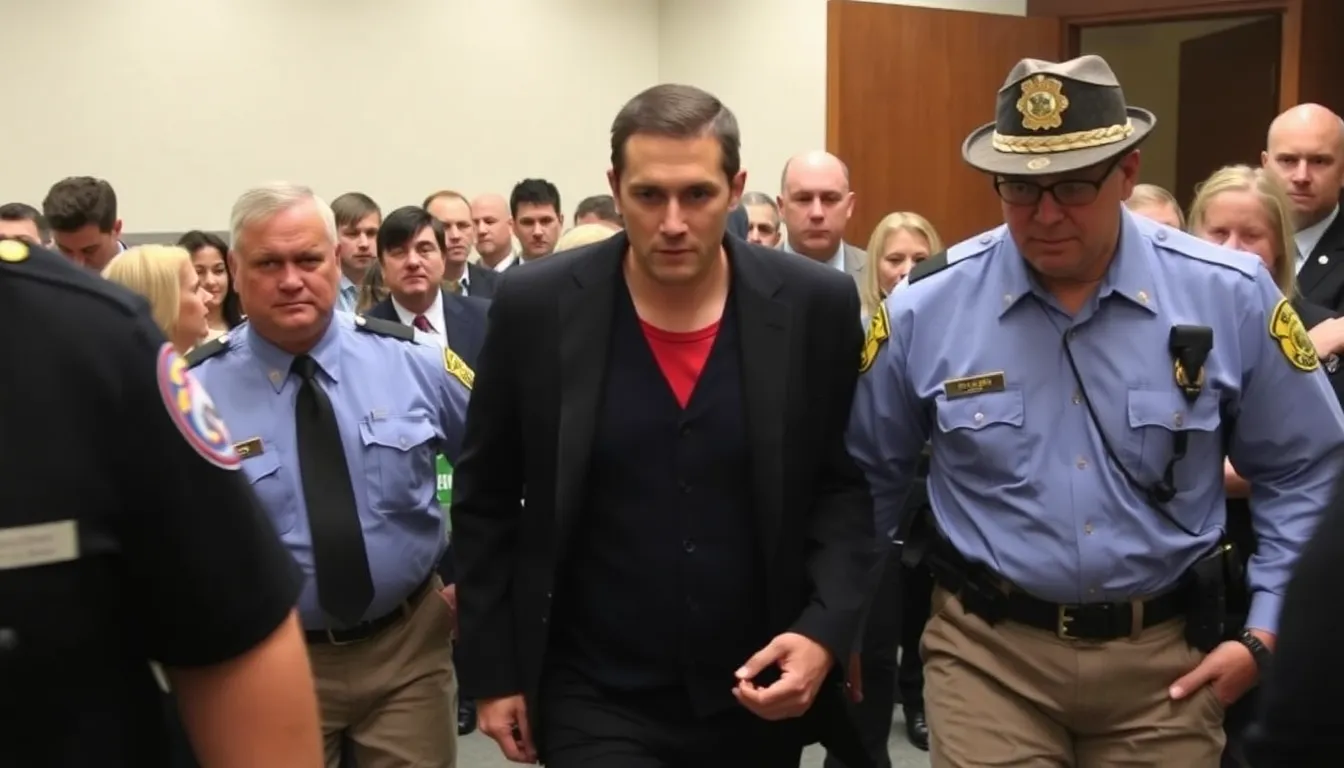
The allegations against Chasing Horse began to surface in early 2022, when multiple women came forward with claims of sexual assault and manipulation. These accusations were not isolated incidents; they were part of a troubling trend where individuals in the entertainment industry have exploited their status to prey on vulnerable individuals. The legal proceedings against Chasing Horse have drawn attention to the systemic failures that allow such behavior to persist, as well as the cultural shifts that are finally encouraging victims to speak out.
Historical Context of Sexual Assault Cases
Historically, cases of sexual assault have often been dismissed or minimized, particularly in communities where cultural stigmas discourage victims from coming forward. The #MeToo movement has played a pivotal role in changing this narrative, empowering survivors to share their stories and seek accountability. Chasing Horse’s sentencing to at least 37 years in prison marks a significant milestone in the ongoing fight against sexual violence, signaling that even high-profile individuals are not above the law.
Moreover, the legal ramifications of Chasing Horse’s actions reflect a growing societal intolerance for sexual misconduct. As more survivors gain the courage to report their experiences, the legal system has begun to adapt, with harsher penalties being imposed on offenders. This shift is crucial in fostering an environment where victims feel supported and believed, ultimately contributing to a cultural change that prioritizes safety and justice.
In conclusion, the case of Nathan Chasing Horse serves as a reminder of the pervasive nature of sexual assault and the importance of continued advocacy for survivors. The legal outcomes not only impact the lives of the accused and their victims but also resonate throughout society, influencing how future cases may be handled and perceived.
Understanding the implications of the case on victims and the industry
The conviction of Nathan Chasing Horse, a former actor known for his role in the film “Dances with Wolves,” has sent shockwaves through both the entertainment industry and the communities of his victims. This case highlights the ongoing struggle against sexual violence and the systemic issues that allow such abuse to persist. The interests of various stakeholders, including the victims, the film industry, and legal authorities, intersect in complex ways.

Victims of sexual assault often seek justice and accountability, which this case has partially fulfilled through the lengthy sentence imposed on Chasing Horse. However, the emotional and psychological toll on survivors remains significant. Many victims may feel a renewed sense of vulnerability, questioning the safety of their environments and the effectiveness of support systems in place. This case could encourage more survivors to come forward, but it also underscores the fear of retaliation and stigma that often accompanies such disclosures.
The film industry, represented by studios and organizations advocating for safer workplaces, faces critical challenges as it navigates the fallout from this case. The industry must address its past failures to protect individuals from abuse, which may involve implementing stricter policies and fostering a culture of accountability. As public scrutiny increases, studios may also face economic repercussions if they are perceived as complicit in allowing abusive behavior to go unchecked.
- Legal ramifications: The case could set precedents for how sexual assault cases are prosecuted in the entertainment industry.
- Economic impact: The industry may experience financial losses as public sentiment shifts against those associated with abusers.
- Support for victims: Increased attention may lead to better resources and support systems for survivors of sexual violence.
- Public awareness: This case may raise awareness about the prevalence of sexual assault and the importance of believing and supporting victims.
- Industry reform: Calls for reform may lead to changes in how the industry handles allegations of misconduct.
In conclusion, the case of Nathan Chasing Horse serves as a critical juncture for discussions around sexual violence, accountability, and reform within the entertainment industry. The impacts of this case will likely resonate for years to come, influencing not only legal practices but also societal attitudes towards victims and perpetrators alike.
The broader impact of the sentencing on survivors of sexual assault
The sentencing of former actor Nathan Chasing Horse to at least 37 years for sexual assault resonates deeply within various communities, particularly among survivors of sexual violence. This case highlights the ongoing struggles faced by victims in seeking justice and the societal attitudes that often hinder their voices from being heard. The impact extends beyond individual survivors to touch upon broader societal and cultural dynamics.
In the immediate aftermath of this sentencing, survivors may experience a mix of emotions ranging from relief to renewed trauma. The case could encourage more individuals to come forward with their own experiences, potentially leading to an increase in reported cases of sexual assault. This shift may put additional pressure on law enforcement and the judicial system to address these cases with greater urgency and sensitivity.

In the mid-term, the entertainment industry could face scrutiny regarding its handling of allegations against individuals in positions of power. Organizations may be prompted to reevaluate their policies on sexual misconduct, leading to more robust mechanisms for reporting and addressing such issues. This could foster a safer environment for performers and crew members, but it may also result in increased costs for training and compliance.
- Survivors gaining confidence to report incidents.
- Increased demand for legal and psychological support services.
- Potential changes in industry policies regarding sexual misconduct.
- Heightened public awareness and advocacy for survivors’ rights.
While there are risks associated with increased reporting, such as potential backlash or victim-blaming, there are also opportunities for community engagement and support. Advocacy groups may see a surge in interest and donations, which can enhance their capacity to provide resources and education. Additionally, this case may serve as a catalyst for broader societal change, encouraging conversations around consent and accountability.
A: Nathan Chasing Horse was charged with multiple counts of sexual assault, including offenses against minors. The charges stemmed from incidents that occurred over several years. A: He has been sentenced to at least 37 years in prison, which reflects the severity of his crimes and their impact on the victims. A: This case may encourage other survivors of sexual assault to come forward, knowing that justice can be served. It highlights the importance of addressing such issues in society. A: During the trial, there were no indications that he expressed remorse for his actions, which has been a point of concern for many observers. A: The victims may seek support through counseling and advocacy groups, and some may pursue civil actions against Chasing Horse for damages.
Frequently asked questions about the case
Key takeaways and future implications of the case
The sentencing of Nathan Chasing Horse marks a significant moment in the ongoing fight against sexual violence, particularly within vulnerable communities. This case highlights the importance of accountability, as it underscores the judicial system’s commitment to addressing such offenses decisively. The repercussions of this case extend beyond the individual, prompting a broader societal reflection on the mechanisms of support and justice for survivors of abuse.
As discussions around sexual assault continue to evolve, this case serves as a reminder of the necessity for systemic changes in both legal frameworks and community support systems. It raises critical questions about prevention, education, and the resources available for those affected by similar crimes.
- The case reinforces the need for comprehensive support systems for survivors of sexual assault.
- It highlights the importance of community awareness and education to prevent future incidents.
- The judicial response may encourage more survivors to come forward and seek justice.
- Future policies may focus on stricter regulations and oversight in vulnerable communities.
- This situation could lead to increased advocacy for legislative reforms aimed at protecting victims.