
One key factor contributing to this trend is the Chinese government’s support for sports and fitness initiatives, which has spurred investment in local brands. Events like the 2022 Winter Olympics in Beijing showcased not only the country’s athletic talent but also its homegrown sportswear, highlighting the importance of understanding the impact of recent inflation figures. This visibility has helped brands like Li-Ning gain traction, with sales reportedly increasing by over 30% in the past year.
Additionally, Chinese brands are leveraging e-commerce and social media platforms to reach younger consumers. Collaborations with popular influencers and athletes have enhanced their appeal, particularly among the Gen Z demographic. For instance, Anta’s partnership with NBA star Klay Thompson has generated significant buzz and sales, highlighting the effectiveness of targeted marketing strategies that can be observed in the recent trends seen in various sectors.
Moreover, the global supply chain disruptions caused by the COVID-19 pandemic have presented an opportunity for Chinese brands to capture market share. As Nike and Adidas face challenges in production and distribution, local brands are able to respond more swiftly to consumer demands, further solidifying their position in the marketplace.
As the competitive landscape continues to evolve, the success of these Chinese brands could reshape the dynamics of the global sportswear industry. With their growing influence, they are not only challenging established players but also redefining consumer expectations and preferences in sports apparel.
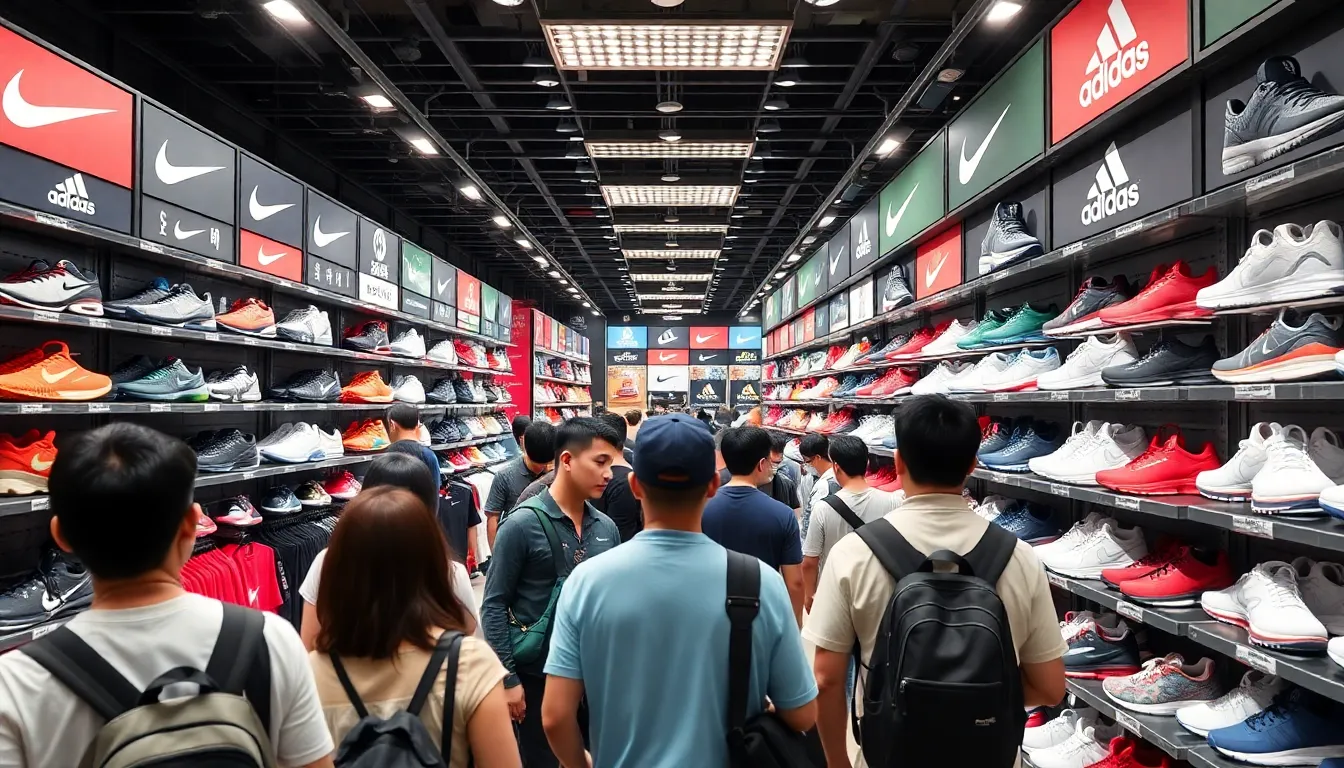
The evolution of Chinese sports brands in the global market
Over the past few decades, Chinese sports brands have undergone a significant transformation, evolving from domestic manufacturers to global competitors. This shift can be traced back to the economic reforms initiated in the late 1970s, which opened China’s market to foreign investment and encouraged local entrepreneurship. Brands like Li-Ning and Anta started as domestic players focused primarily on the local market, but they have gradually expanded their reach and influence on the international stage.
One key milestone in this evolution was the 2008 Beijing Olympics, which showcased China’s growing stature in the global arena. The event not only highlighted the country’s athletic prowess but also provided a platform for Chinese sports brands to gain visibility. Li-Ning, for instance, made headlines by sponsoring various athletes and even creating an extravagant opening ceremony performance, which helped solidify its reputation as a serious contender in the sportswear industry.
In recent years, the rise of e-commerce and social media has further accelerated the global ambitions of Chinese brands. With platforms like Alibaba and WeChat, these companies have leveraged digital marketing strategies to reach international consumers more effectively. This has allowed them to not only promote their products but also to engage with younger demographics who are increasingly interested in sports and fitness, similar to the shifting entertainment landscape portrayed in Sandra Bullock’s stunning return.
Challenges and Opportunities
Despite their growth, Chinese sports brands face significant challenges in competing with established giants like Nike and Adidas. Issues such as brand perception, quality control, and navigating international markets can hinder their progress. However, the increasing focus on innovation and sustainability presents an opportunity for these brands to differentiate themselves. By investing in research and development, as well as adopting eco-friendly practices, Chinese sports brands can carve out a unique niche in the global market.
Key stakeholders and their strategies in the sportswear industry
The competition in the sportswear industry is increasingly dominated by a few key players, with Nike and Adidas historically holding significant market shares. However, emerging Chinese brands are beginning to challenge this duopoly, introducing innovative products and aggressive marketing strategies. Understanding the main stakeholders involved is crucial to grasping the dynamics of this evolving market.
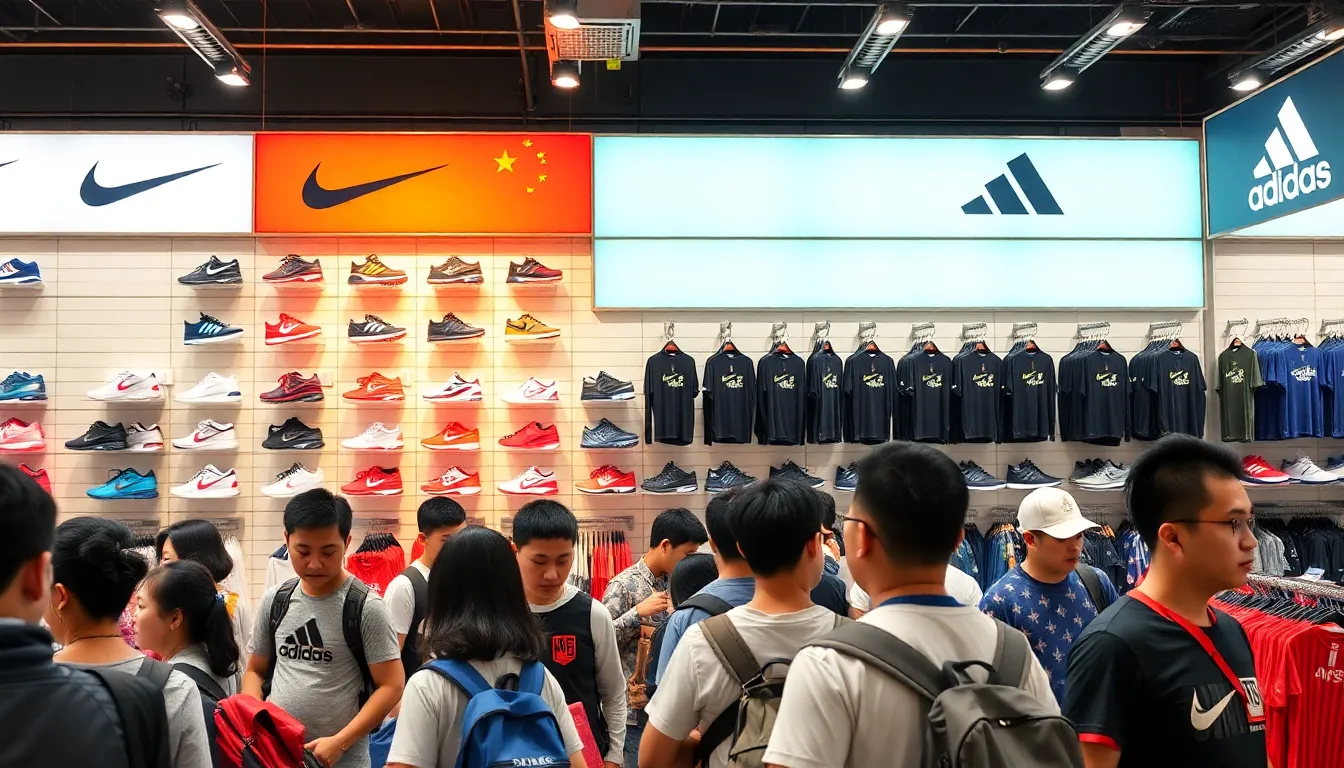
Key stakeholders include the Chinese sports brands, which are primarily motivated by the desire to capture market share both domestically and internationally. These brands often leverage their understanding of local consumer preferences and employ cost-effective production strategies to offer competitive pricing. Additionally, partnerships with local athletes and influencers enhance their visibility and credibility in the market.
- Chinese Brands: Focus on innovation and affordability.
- Nike and Adidas: Aim to maintain brand loyalty and market dominance through premium offerings.
- Consumers: Seek high-quality products that reflect personal values, such as sustainability and performance.
Governments also play a pivotal role in this landscape. The Chinese government supports local brands through favorable policies and subsidies, promoting national pride and economic growth. In contrast, Western governments may impose tariffs and trade barriers that can affect the competitiveness of these brands in global markets.
Legal issues surrounding intellectual property rights are significant in this sector. Chinese brands often face allegations of copying designs from established Western companies, which can lead to costly legal battles. This not only impacts brand reputation but also influences consumer perception and trust.
Moreover, economic factors such as fluctuating currency values and global supply chain disruptions can create challenges for all stakeholders involved. As the industry continues to evolve, the interplay between these stakeholders will shape the future landscape of the sportswear market.
Market implications for consumers and competitors
The emergence of the Chinese sports brand as a formidable competitor to established giants like Nike and Adidas is set to impact various stakeholders across the global market. Consumers, businesses, and even policymakers will find themselves navigating a changing landscape as this brand gains traction. The effects will be felt in multiple regions, particularly in Asia, where local brands are increasingly resonating with consumers.
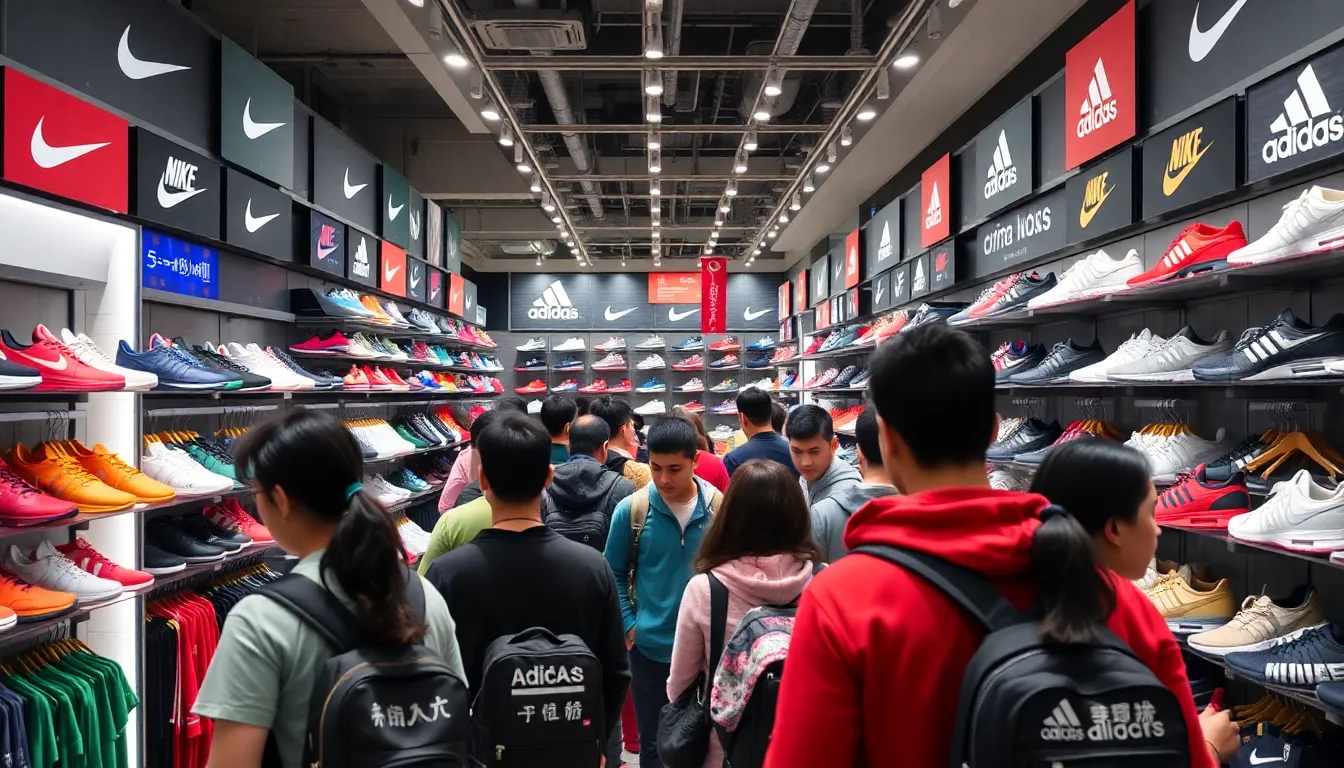
In the short term, consumers may experience a shift in pricing dynamics as competition intensifies. The entry of a strong local player could lead to lower prices and more innovative product offerings. This could benefit price-sensitive consumers who are looking for quality sportswear without the premium price tag associated with global brands. Additionally, the increased competition may encourage brands to enhance their marketing strategies, leading to more engaging and localized advertising campaigns.
Mid-term impacts may include changes in supply chain dynamics and retail strategies. As the Chinese brand scales up, it may forge new partnerships with local manufacturers and distributors, reshaping how products are delivered to consumers. This could lead to a more sustainable model that prioritizes local resources and labor, which would resonate well with environmentally conscious consumers.
- Opportunities for consumers: Greater choice and affordability in sportswear.
- Risks for established brands: Potential loss of market share and brand loyalty.
- Impact on local economies: Job creation and investment in local manufacturing.
However, the rise of the Chinese brand also poses risks. Established players may resort to aggressive marketing tactics or price wars, which could lead to a race to the bottom in terms of quality and ethical manufacturing practices. Additionally, if the Chinese brand fails to maintain high standards, it could tarnish the reputation of not just itself but also the broader category of sports apparel from the region.
A: The brand is called Li-Ning, which has gained significant attention for its innovative designs and marketing strategies. A: Li-Ning is leveraging unique marketing campaigns, collaborations with athletes, and a focus on local culture to attract consumers. A: While still smaller than Nike and Adidas, Li-Ning has been steadily increasing its market share, particularly in Asia. A: Yes, Li-Ning has signed several high-profile athletes and influencers to promote its products, enhancing its visibility. A: The brand faces challenges such as brand recognition in Western markets and competition from established players.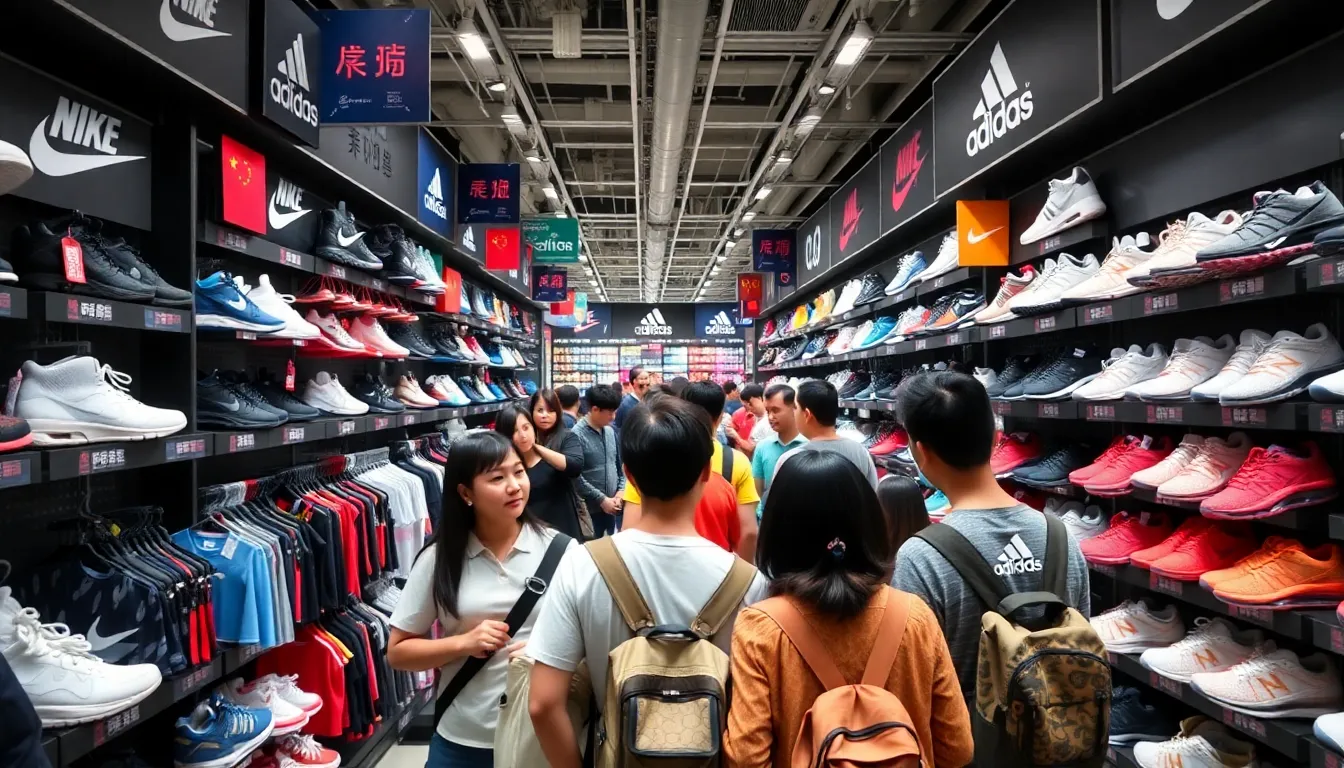
Frequently asked questions about the new competitor
Future outlook for the Chinese sports brand and its rivals
The rise of the Chinese sports brand presents a formidable challenge to established giants like Nike and Adidas. With its innovative approach to product design and marketing, the brand is not only capturing market share but also reshaping consumer expectations in the athletic wear sector. As it continues to expand its global footprint, the competitive landscape is likely to evolve, prompting traditional players to reassess their strategies in order to maintain relevance.
Looking ahead, the interplay between consumer preferences and brand positioning will be crucial. The Chinese brand’s emphasis on local culture and sustainability may resonate more with younger consumers, while its aggressive pricing strategy could attract budget-conscious shoppers. Observing how these dynamics unfold will be key for stakeholders in the industry.
- Monitor consumer sentiment: Pay attention to shifts in consumer preferences towards sustainability and local culture, as these could influence brand loyalty.
- Pricing strategies: Watch for competitive pricing moves from both the Chinese brand and its rivals, which could alter market dynamics significantly.
- Innovation in product offerings: Keep an eye on how the Chinese brand leverages technology and design to differentiate itself in the crowded sportswear market.
- Global expansion efforts: Track the brand’s international growth strategies and their impact on market share against established competitors.