
Trump took to social media to express his discontent, stating that Kimmel should be “immediately fired” by Disney and ABC for what he described as a “despicable call to violence.” This response highlights the ongoing tensions between political figures and the entertainment industry, particularly in the context of late-night comedy, which often critiques public figures. The recent clash can be compared to historical instances where public figures faced backlash for their comments.
The backlash against Kimmel has also drawn attention to the broader issue of how humor can intersect with sensitive topics, such as personal loss and public perception. Critics argue that jokes about public figures should be approached with caution, especially when they touch on personal tragedies. This incident serves as a reminder of the fine line comedians must navigate in their routines, similar to previous controversies in the realm of political satire.
As the situation unfolds, it remains to be seen how Disney and ABC will respond to Trump’s demands. The controversy raises questions about accountability in comedy and the responsibilities of media organizations in moderating content that may provoke strong reactions from the public and political figures alike, much like the scrutiny faced by other comedians in the past.
Understanding the background of the joke and its implications
The recent comments made by Donald Trump regarding Jimmy Kimmel’s joke about Melania Trump have reignited conversations about the boundaries of comedy and political discourse in the United States. As a former president, Trump’s statements carry significant weight and reflect broader tensions surrounding public figures and the media’s portrayal of them. Kimmel’s joke, which many viewed as inappropriate, has been interpreted by Trump as a “despicable call to violence,” illustrating how humor can intersect with serious political and social issues.
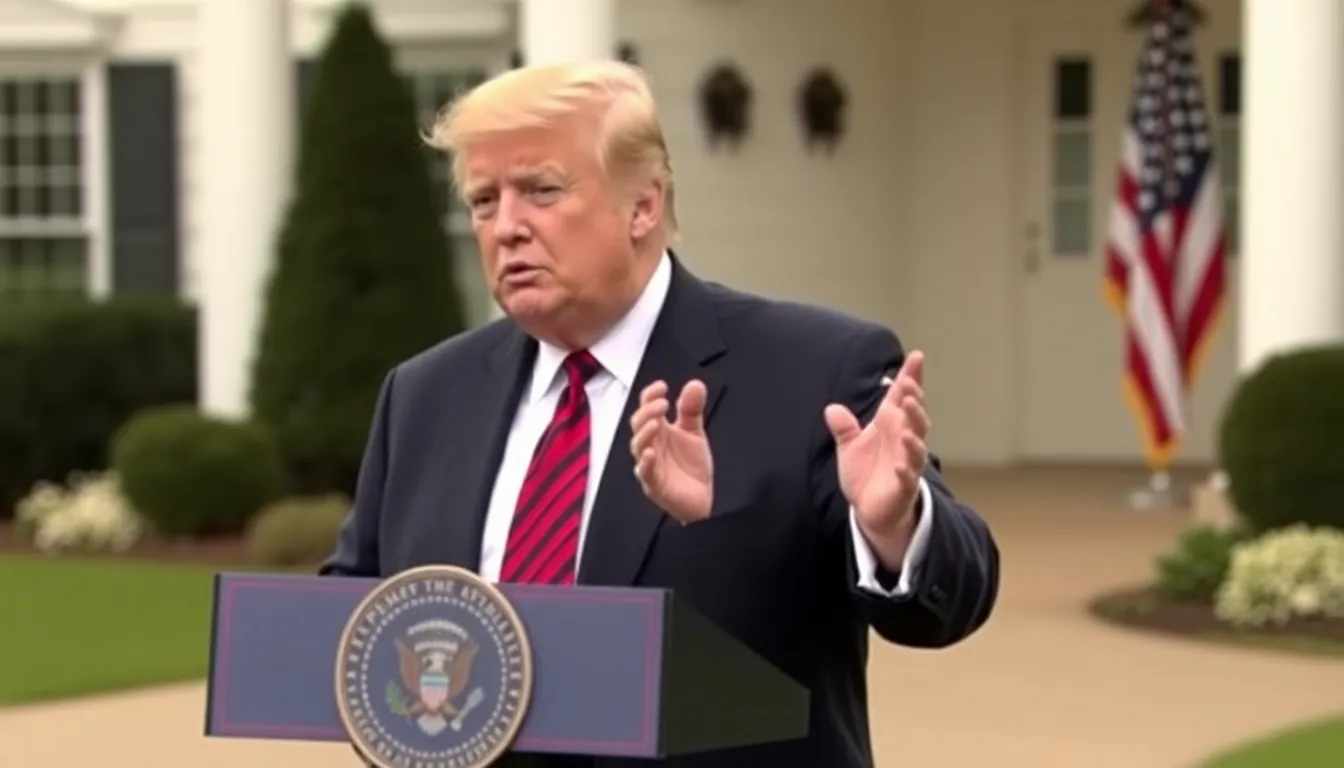
Historically, the relationship between comedians and politicians has been complex. Comedians often use satire to critique those in power, a tradition that dates back centuries. However, in recent years, this relationship has been exacerbated by the polarized political climate in the U.S. The rise of social media has amplified the reach of both comedians and political figures, allowing for rapid dissemination of jokes and reactions, often leading to public outcry and calls for accountability.
Trump’s reaction to Kimmel’s joke is not an isolated incident but part of a larger pattern where public figures respond vehemently to perceived slights. This trend can be traced back to previous controversies involving comedians and politicians, such as Michelle Wolf’s performance at the 2018 White House Correspondents’ Dinner, which drew criticism from the Trump administration. Such events highlight the delicate balance comedians must strike between humor and sensitivity, especially when addressing topics related to personal tragedies or the families of public figures.
The Role of Media in Shaping Public Perception
Media coverage plays a crucial role in shaping public perception of both political figures and comedians. The framing of Kimmel’s joke and Trump’s response in news outlets can influence how audiences interpret the situation. In an era where soundbites and viral moments dominate, the context surrounding such jokes often gets lost, leading to misunderstandings and heightened tensions. This dynamic illustrates the ongoing struggle between free speech, artistic expression, and the potential for harm that can arise from public commentary.
Analyzing the reactions from stakeholders in the media and politics
In the wake of Donald Trump’s condemnation of Jimmy Kimmel’s recent comments about Melania Trump, several key stakeholders have emerged, each with distinct interests and perspectives. Donald Trump, as a former president and prominent political figure, aims to maintain his influence and protect his family’s image. His call for Kimmel’s firing reflects a broader strategy to mobilize his base and reinforce narratives around perceived media bias and personal attacks against him and his family.
On the other side, Jimmy Kimmel represents a segment of the entertainment industry that often engages in political satire. His remarks, although controversial, are part of a long tradition of comedians using humor to critique public figures. Kimmel’s interest lies in maintaining creative freedom and the ability to comment on political issues, even at the risk of backlash from powerful figures like Trump.
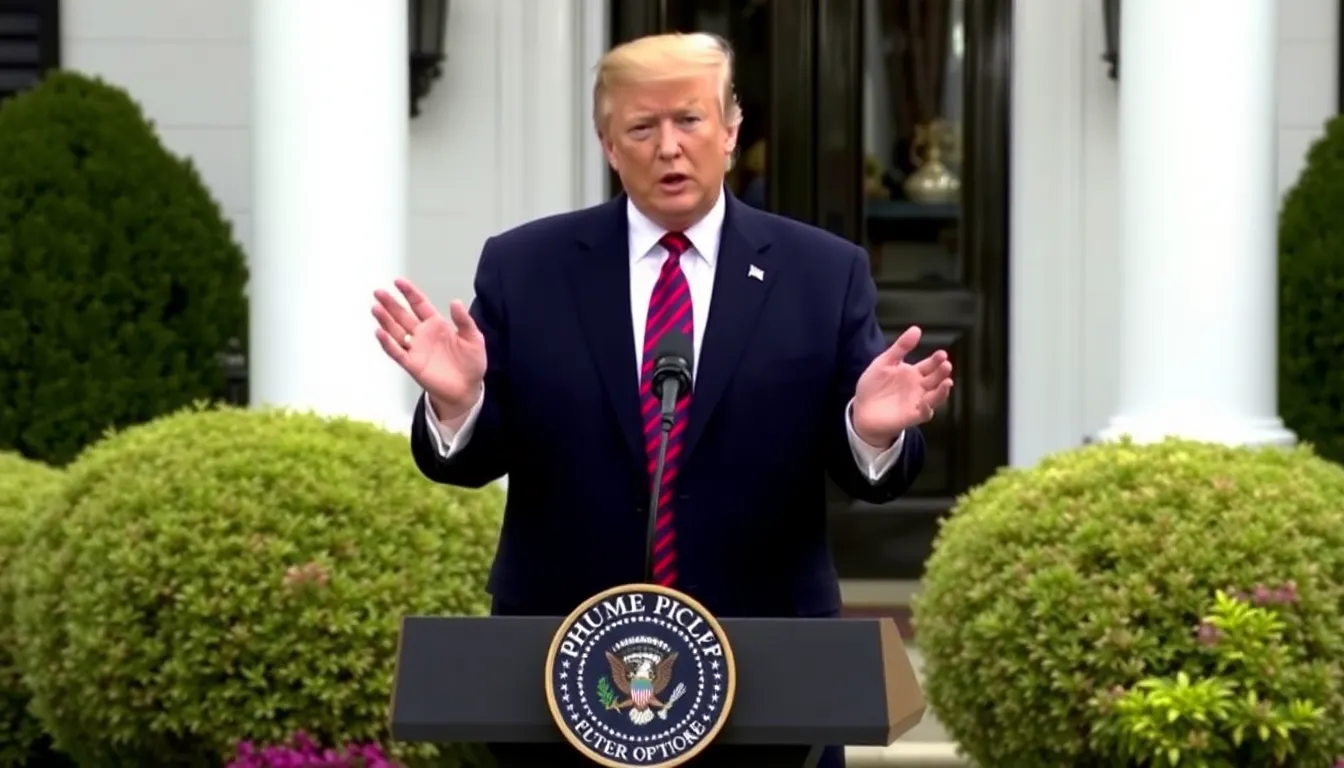
Disney and ABC, as Kimmel’s employers, face a complex situation. They must balance their commitment to artistic expression with the potential fallout from Trump’s comments. The interests of these organizations include protecting their brand reputation, managing viewer reactions, and navigating the advertising landscape, which can be sensitive to public controversies. The decision-making process will likely involve weighing the potential impact on viewership against the principles of free speech and creative expression.
- Political Mobilization: Trump’s comments may serve to energize his supporters, framing Kimmel’s joke as an attack on conservative values.
- Media Accountability: Calls for accountability in media practices may arise, with supporters arguing that humor should not cross into personal attacks.
- Free Speech vs. Accountability: The conflict between creative freedom in comedy and accountability for harmful rhetoric is central to this issue.
- Corporate Response: Disney and ABC’s response could set a precedent for how media companies handle similar controversies in the future.
- Public Sentiment: The reaction from the public and viewers will influence how organizations navigate this controversy going forward.
Exploring the potential impact on Disney and ABC
The recent remarks by Donald Trump regarding Jimmy Kimmel have sparked significant conversations across various sectors, particularly affecting the entertainment industry and media companies like Disney and ABC. The backlash from Trump’s statement may influence public perception and viewer engagement, impacting ratings and advertising revenues.
In the short term, Disney and ABC may experience heightened scrutiny from both supporters and detractors of Trump. This could lead to a polarized audience, where some viewers rally behind Kimmel while others call for his dismissal. The immediate effects might include fluctuations in viewership numbers, which could affect advertising rates and partnerships.
In the mid-term, the situation could prompt Disney and ABC to reassess their programming strategies and content guidelines. This may result in a shift towards more politically neutral content or increased engagement with social issues to maintain a broader audience appeal. There is a potential risk of alienating certain viewer demographics, which could impact long-term brand loyalty.
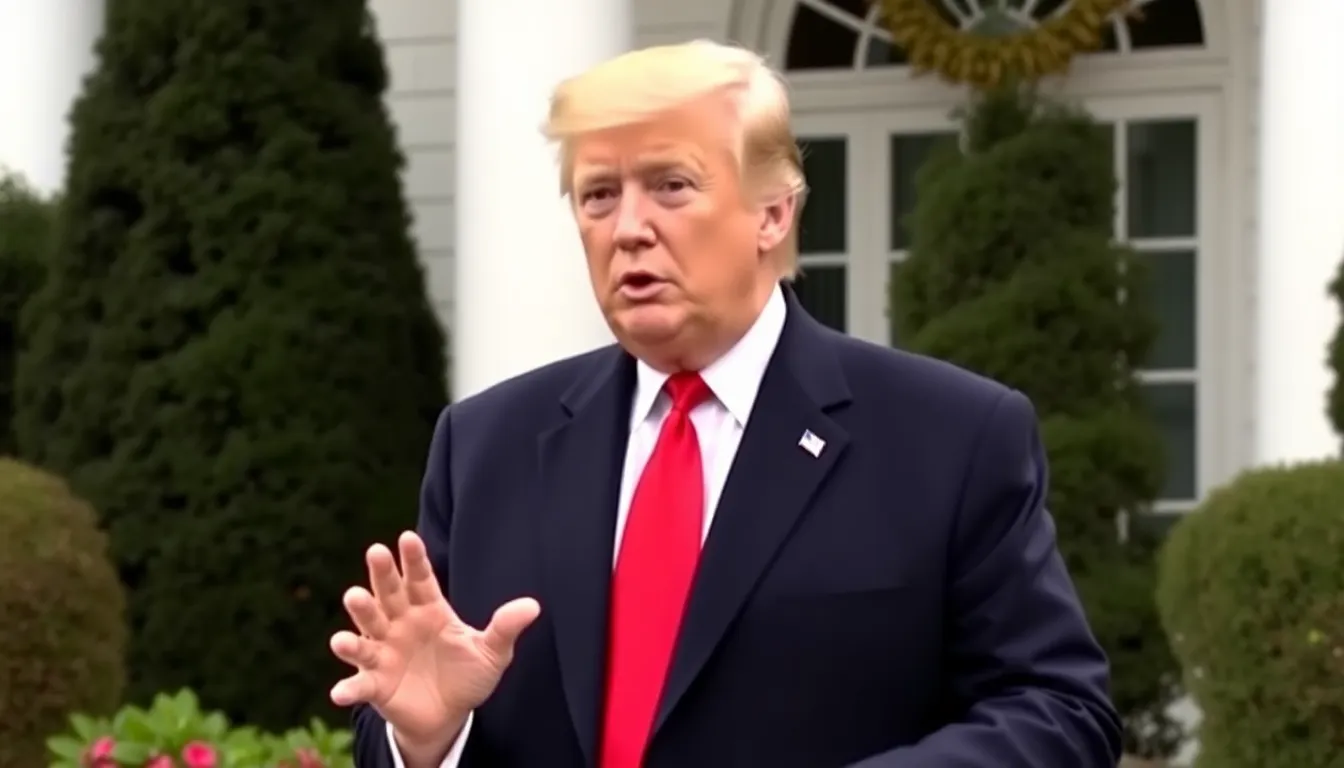
- Risks: Potential loss of viewership and advertising revenue.
- Risks: Increased polarization among audiences.
- Opportunities: Strengthening of brand identity through advocacy or social engagement.
- Opportunities: Potential for new content that addresses social issues and resonates with viewers.
Moreover, this situation may influence broader discussions within the media landscape about humor, political commentary, and the responsibilities of public figures. Companies may find themselves navigating a complex environment where public opinion can shift rapidly, creating both challenges and opportunities for growth and engagement.
A: Jimmy Kimmel made a joke that was perceived as offensive towards Melania Trump, prompting backlash from Donald Trump. A: Trump labeled Kimmel’s joke as a despicable call to violence, arguing that it crossed a line and should not be tolerated. A: Public reactions have been mixed, with some supporting Trump’s call for action while others defend Kimmel’s right to joke. A: The incident could lead to increased scrutiny of Kimmel’s show and potentially impact Disney’s public image. A: Yes, similar incidents have occurred in the past where public figures faced backlash over jokes about sensitive topics.
Frequently asked questions regarding the incident
Key takeaways and future implications of the controversy
The recent comments made by Donald Trump regarding Jimmy Kimmel have sparked significant discussion about the boundaries of humor and the responsibilities of public figures. Trump’s call for Kimmel’s dismissal from Disney and ABC highlights the ongoing tension between political discourse and entertainment, especially in an era where social media amplifies reactions and consequences in real-time. This incident serves as a reminder of the powerful influence that media personalities wield and the potential repercussions of their words, particularly when they touch on sensitive subjects.
As the situation unfolds, it is crucial to consider how this controversy may impact not only Kimmel’s career but also the broader landscape of late-night television and political commentary. The reactions from both the public and industry leaders will likely shape future interactions between politics and entertainment.
- Monitor the response from Disney and ABC regarding Kimmel’s status and any potential changes in programming or content guidelines.
- Observe how this incident influences the tone and topics of late-night comedy moving forward, particularly in relation to political figures.
- Consider the implications for public figures who engage in humor that may be perceived as insensitive, and the potential backlash they may face.
- Watch for shifts in audience sentiment towards political satire and its role in public discourse, especially in the context of rising polarization.
- Evaluate how this controversy may affect Trump’s political capital and his relationship with media outlets as the 2024 election approaches.