
The involvement of Pakistan as a mediator underscores its strategic position in the region, as it seeks to bolster its role as a facilitator of dialogue. Pakistani officials have expressed optimism about the potential for these discussions to pave the way for improved relations and stability in the region, which has been marked by conflict and mistrust. For more on international diplomacy efforts, check out the article on Irish government fuel support.
Key stakeholders in the negotiations include high-ranking officials from both the US and Iran, with a focus on addressing issues such as nuclear agreements and sanctions. The outcomes of these talks could have far-reaching implications, not only for US-Iran relations but also for broader regional security and economic stability.
As the host country, Pakistan aims to leverage this opportunity to enhance its diplomatic standing and foster closer ties with both Washington and Tehran. The negotiations are being closely monitored by global powers, highlighting the significance of Islamabad’s role in facilitating dialogue in a complex and often volatile geopolitical landscape.
Historical background of US-Iran relations
The relationship between the United States and Iran has been fraught with tension and conflict since the mid-20th century. A pivotal moment occurred in 1953 when a CIA-backed coup overthrew Iran’s democratically elected Prime Minister, Mohammad Mossadegh. This event marked the beginning of a long-standing animosity between the two nations, as it led to the establishment of the autocratic regime of Shah Mohammad Reza Pahlavi, which lasted until the 1979 Iranian Revolution.
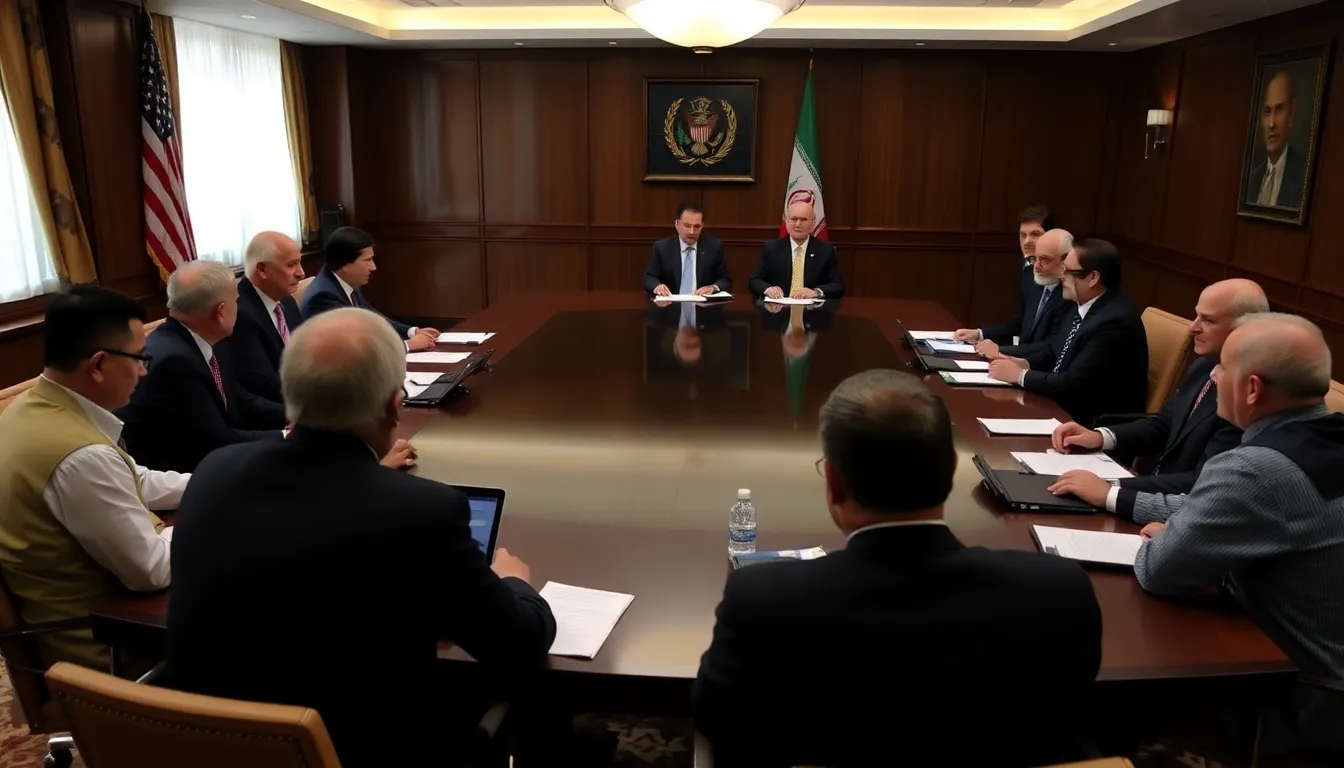
The 1979 revolution resulted in the overthrow of the Shah and the establishment of the Islamic Republic under Ayatollah Khomeini. This dramatic shift in governance was accompanied by the seizure of the US Embassy in Tehran and the taking of American hostages, which further soured relations. The ensuing decades saw a series of sanctions and diplomatic isolation imposed by the US on Iran, particularly following Iran’s nuclear program developments in the early 2000s.
In 2015, a significant milestone was reached with the signing of the Joint Comprehensive Plan of Action (JCPOA), an agreement aimed at curbing Iran’s nuclear ambitions in exchange for relief from economic sanctions. However, the US withdrawal from the agreement in 2018 under President Donald Trump reignited tensions, leading to a series of confrontations and a deteriorating security situation in the region.
Recent Developments and the Path to Negotiations
In recent years, both nations have expressed a desire to re-engage in dialogue, influenced by shifting geopolitical dynamics and the impact of sanctions on Iran’s economy. The Biden administration’s approach has included a willingness to return to negotiations regarding the nuclear deal, while Iran has shown a readiness to discuss its broader regional activities. The upcoming negotiations in Islamabad represent a critical opportunity for both countries to address longstanding issues and potentially reshape their relationship, much like how Artemis II aims to redefine space exploration.
Key stakeholders and issues in the negotiations
The upcoming negotiations between Iran and the United States in Islamabad represent a pivotal moment in international relations, with several key stakeholders involved. The primary actors include the governments of Iran and the United States, each with distinct interests that shape their positions in the talks. Additionally, regional powers and international organizations, such as the European Union and the United Nations, play significant roles in facilitating dialogue and promoting stability in the region.
Iran’s government, led by President Ebrahim Raisi, aims to lift economic sanctions that have crippled its economy and to secure recognition of its nuclear program’s legitimacy. The Iranian leadership is particularly focused on economic revitalization and gaining access to international markets, which have been restricted due to longstanding tensions with the U.S. and its allies.
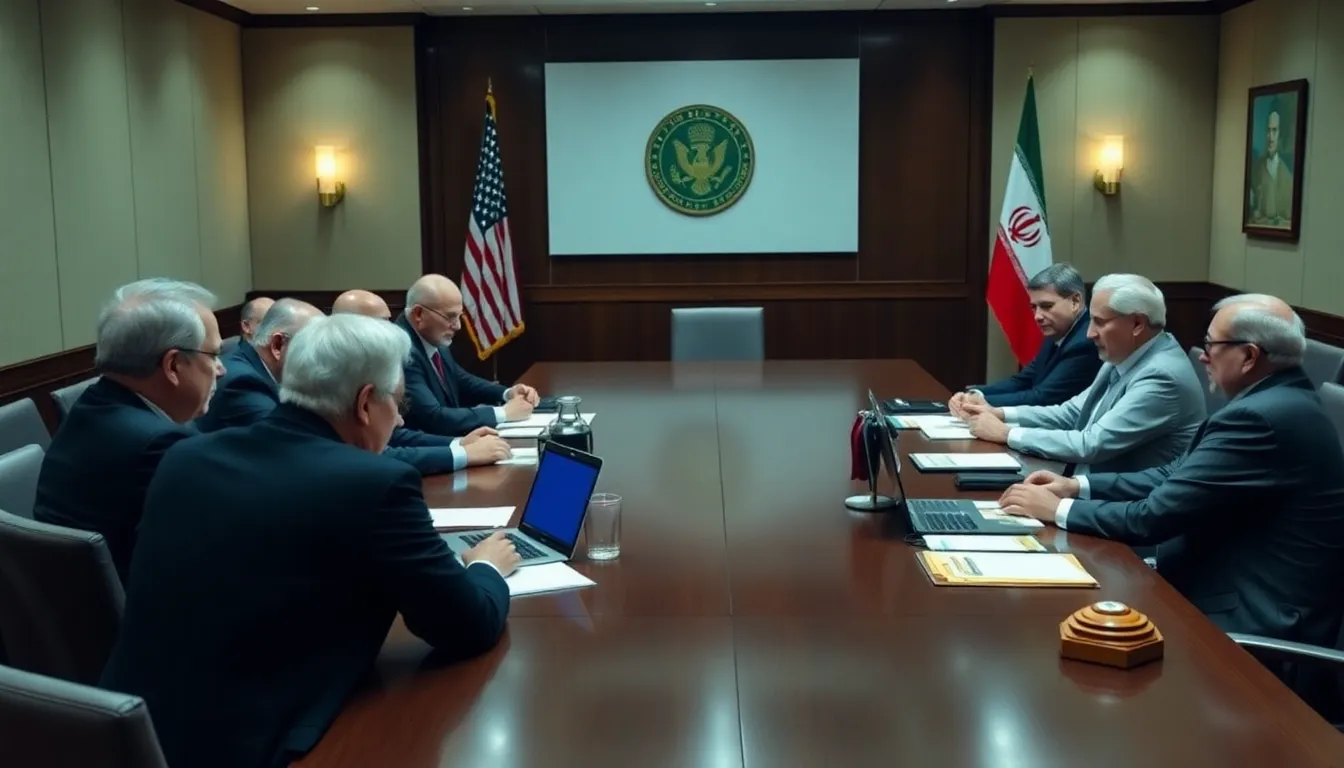
On the other hand, the U.S. government, under President Joe Biden, seeks to ensure that Iran does not develop nuclear weapons while also addressing broader regional security concerns, including Iran’s influence in the Middle East. The U.S. is particularly invested in negotiating terms that would prevent Iran from advancing its missile program and supporting militant groups across the region.
- Economic Sanctions: The lifting of sanctions on Iran is a critical issue, with potential trade-offs involving Iran’s nuclear commitments.
- Nuclear Proliferation: Ensuring Iran’s compliance with nuclear non-proliferation is a primary concern for the U.S. and its allies.
- Regional Stability: The negotiations will also address Iran’s role in conflicts in Syria, Yemen, and Iraq, which affects neighboring countries’ security.
- International Relations: The involvement of other nations, particularly those in Europe and the Middle East, will influence the dynamics of the negotiations.
- Domestic Pressures: Both governments face internal pressures that could impact their negotiation strategies and outcomes.
As these negotiations unfold, the interplay between these stakeholders and their interests will shape the future of U.S.-Iran relations and broader geopolitical stability in the region. The outcome will depend not only on the willingness of both sides to compromise but also on the influence of external actors and the evolving international landscape, similar to the shifting narratives explored in the recent revelations about Freida McFadden.
Potential impacts on regional stability and global markets
The upcoming negotiations between Iran and the United States in Islamabad are poised to have significant ramifications across various groups and industries. Key stakeholders include governments in the Middle East, energy markets, and international businesses that rely on stable diplomatic relations. The outcomes of these discussions could redefine alliances and alter trade dynamics in the region.
In the short term, local economies in Islamabad and surrounding areas may experience a boost due to increased diplomatic activity. Hotels, restaurants, and transportation services are likely to see heightened demand as delegates and media flock to the city. However, the potential for protests or unrest surrounding the negotiations could pose risks to businesses and daily life.
Mid-term impacts may extend to the energy sector, particularly oil and gas markets. A successful negotiation could lead to the lifting of sanctions on Iran, resulting in increased oil supplies and potentially lower prices globally. Conversely, failure to reach an agreement might exacerbate tensions, leading to price volatility and impacting energy-dependent economies.
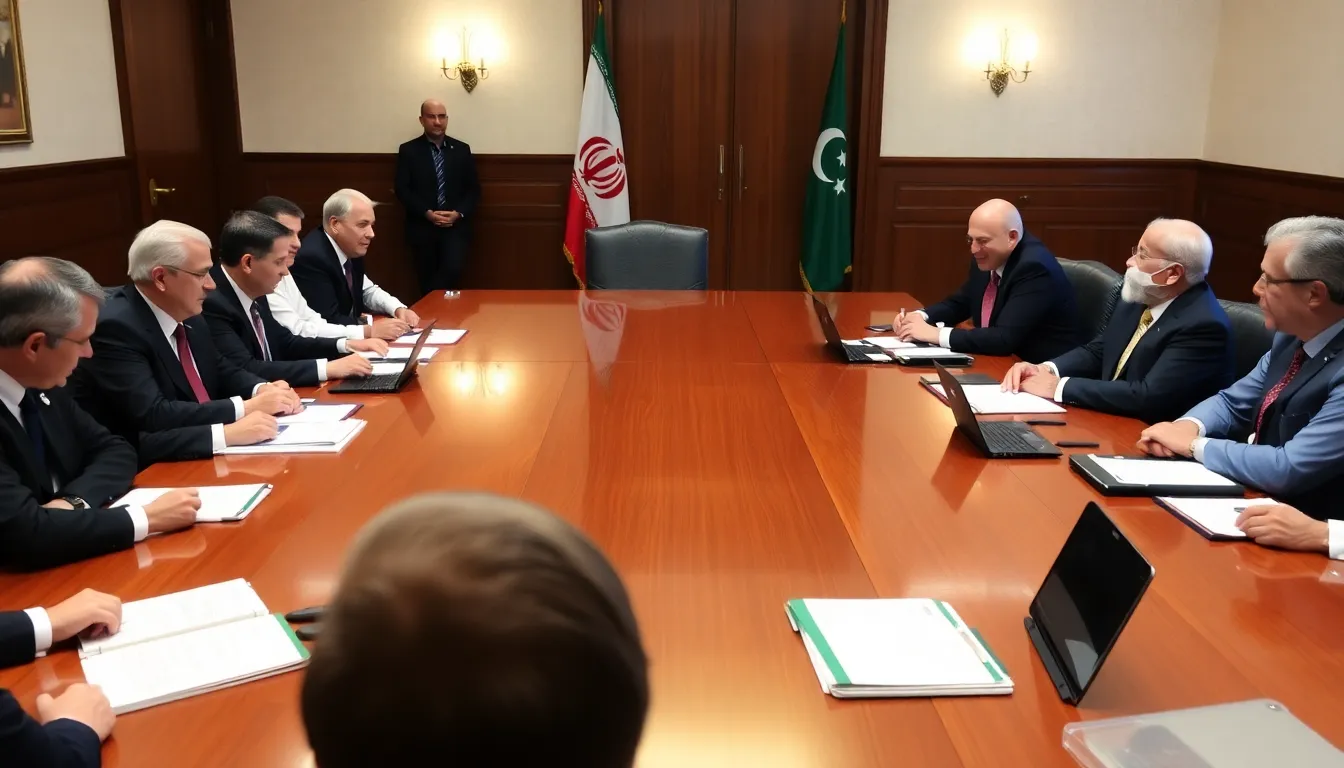
- Increased diplomatic activity: Boost for local businesses in Islamabad.
- Potential oil market shifts: Possible stabilization or volatility in global energy prices.
- Regional security concerns: Heightened risks of unrest or conflict affecting daily life.
- International relations: Redefining alliances and trade agreements in the Middle East.
Overall, while the negotiations present opportunities for economic growth and improved relations, they also carry significant risks that could impact various sectors and the daily lives of individuals in the region and beyond. The balance between these factors will be crucial in determining the overall outcome of this historic dialogue.
A: The primary goals include addressing nuclear concerns, reducing tensions, and establishing a framework for future cooperation. A: Islamabad is seen as a neutral ground that can facilitate dialogue between the two nations, given its strategic position and diplomatic relations. A: Potential outcomes may include a new agreement on nuclear activities, easing of sanctions, and improved diplomatic ties. A: Successful negotiations could lead to increased stability in the region, while failure may exacerbate existing tensions. A: Other countries, especially those in the region and global powers, may act as mediators or provide support to either side.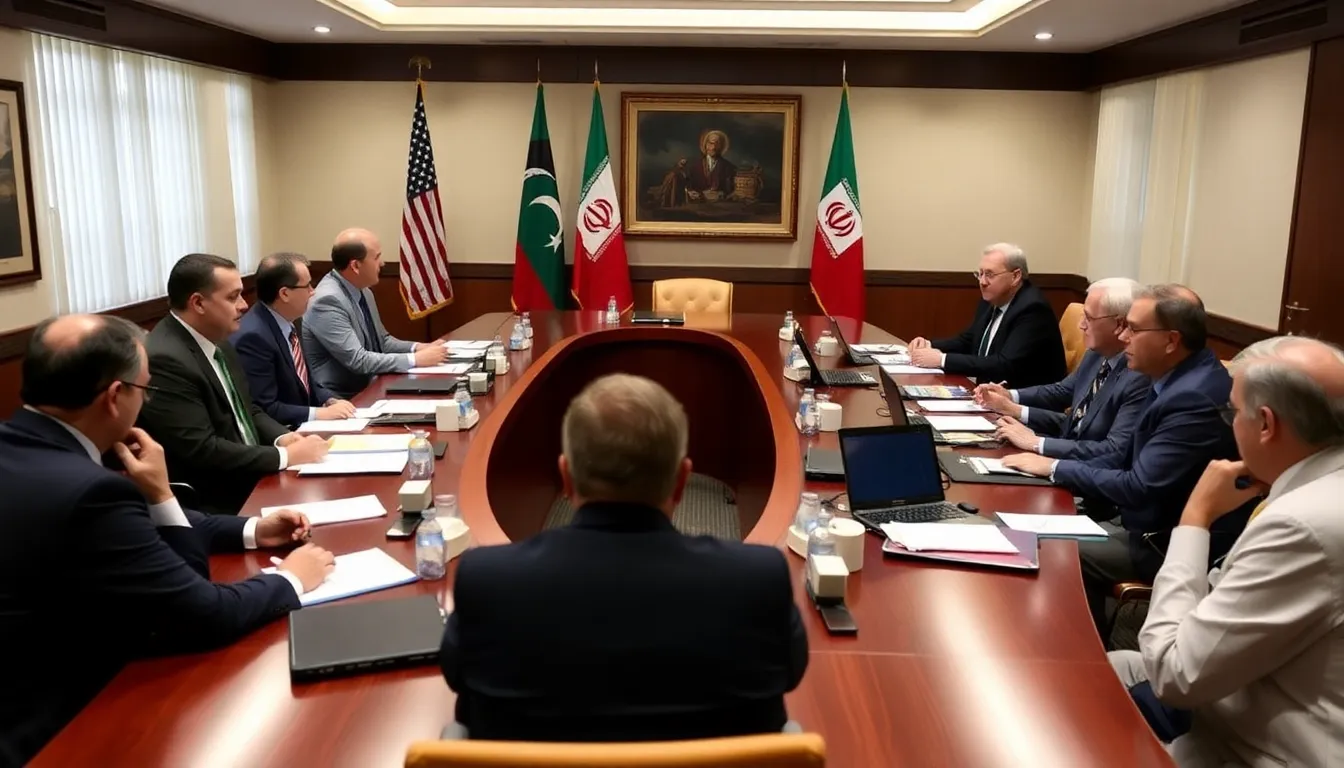
Frequently asked questions about the negotiations
Outlook on the future of US-Iran relations
The upcoming negotiations in Islamabad represent a pivotal moment in US-Iran relations, with the potential to reshape diplomatic dynamics in the region. As both nations engage in dialogue, the outcomes could influence not only bilateral ties but also broader geopolitical stability in the Middle East.
Key factors to observe include the willingness of both parties to compromise on long-standing issues, the role of regional allies, and the impact of public sentiment within each country. These negotiations could set a precedent for future engagements, highlighting the importance of diplomacy in resolving conflicts.
- Watch for potential agreements on nuclear non-proliferation that could ease tensions.
- Monitor the reactions of regional allies, as their support or opposition could significantly affect negotiations.
- Consider the implications of domestic political pressures in both the US and Iran that may influence the negotiation outcomes.
- Assess how these talks may impact economic sanctions and trade relations between the two countries.
- Keep an eye on the role of international organizations in facilitating or mediating the discussions.