
The ongoing hearings involve various stakeholders, including religious groups, women’s rights activists, and legal experts, each presenting their perspectives on the implications of such rulings. The court’s decision could set a significant precedent regarding gender equality and religious practices in India, where temple entry has been a contentious issue for decades.
As the hearings progress, the justices are considering the balance between religious freedoms and women’s rights. The outcome of this case is particularly crucial in a country where cultural and religious identities often intersect with legal frameworks, potentially reshaping societal norms surrounding gender and access to religious spaces.
The Supreme Court’s decision is expected to be delivered in the coming months, drawing attention not only from within India but also from international observers concerned about gender equality and human rights. This case exemplifies the ongoing struggle for women’s rights in India, highlighting the need for legal reforms in traditionally conservative practices.
Understanding the historical context of temple access in India
Access to temples in India has long been a contentious issue, deeply intertwined with the country’s social fabric, religious practices, and historical injustices. The roots of this controversy can be traced back to ancient texts and traditions that often dictated who could enter sacred spaces. In many cases, these rules were influenced by caste hierarchies and gender roles, leading to the exclusion of women and marginalized communities from entering certain temples.
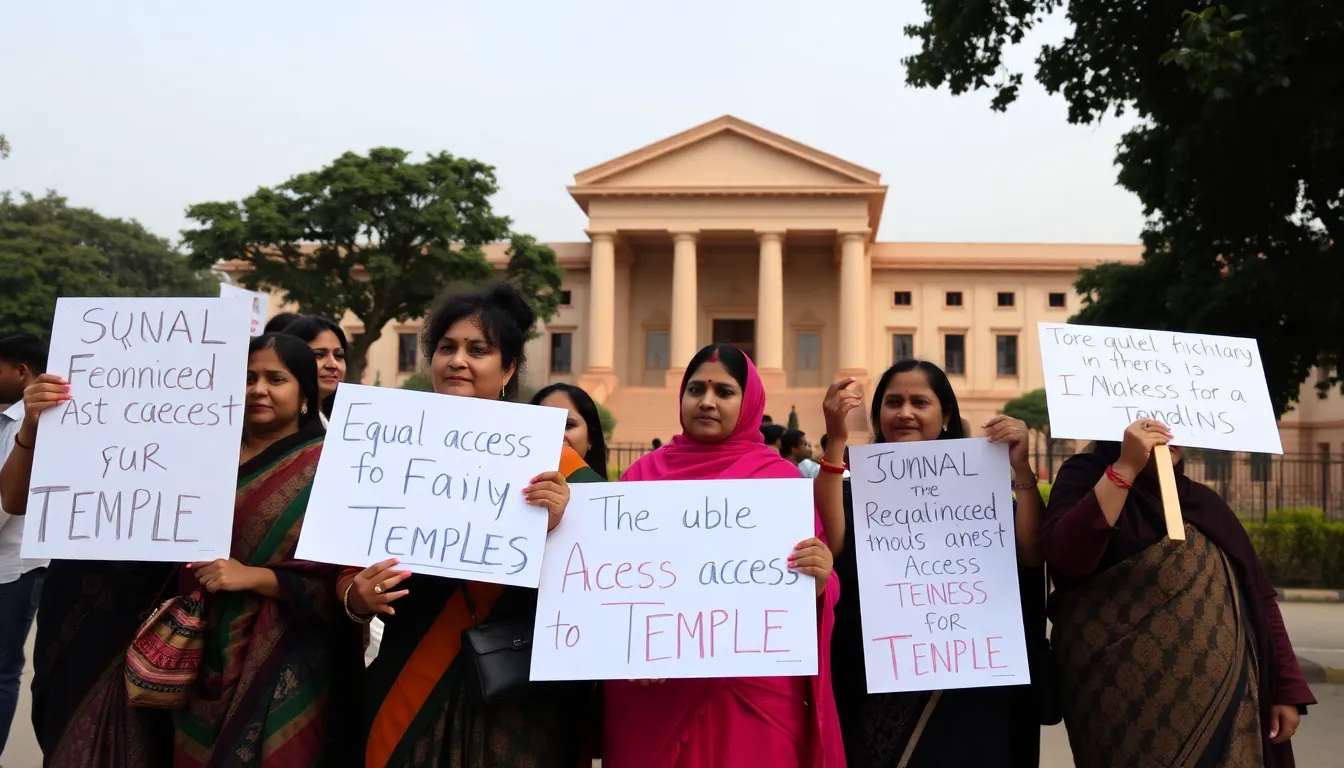
In the modern era, the struggle for women’s rights in India has gained momentum, particularly since the 20th century. Landmark movements and legal battles have sought to challenge discriminatory practices. For instance, the 2018 Supreme Court ruling that allowed women of all ages to enter the Sabarimala temple in Kerala marked a significant milestone in this fight, as it confronted centuries-old traditions that restricted women’s access based on age and menstrual status.
Political and Social Dynamics
The political landscape in India has also played a crucial role in shaping the discourse around temple access. Various political parties have leveraged religious sentiments to consolidate their voter bases, often complicating the issue of women’s rights. The backlash against the Sabarimala ruling highlighted the intersection of religion and politics, as many groups protested against the court’s decision, arguing it infringed on their religious beliefs.
Economically, the debate over temple access is linked to broader discussions about women’s empowerment and equality in India. Women’s participation in religious practices is often seen as a reflection of their status in society. As India continues to evolve, the push for gender equality within religious institutions reflects a larger societal shift towards inclusivity and reform.
As the Supreme Court hears challenges to its earlier rulings, the outcomes may set significant precedents for future cases involving religious access and gender rights, potentially reshaping the relationship between tradition and modernity in India.
Key stakeholders and issues surrounding the temple entry ruling
The ongoing legal debates surrounding women’s entry into temples in India involve a diverse array of stakeholders, each with distinct interests and positions. The primary actors include religious organizations, women’s rights groups, the Indian judiciary, and the government. Each of these entities plays a crucial role in shaping the discourse and outcomes of this significant socio-religious issue.
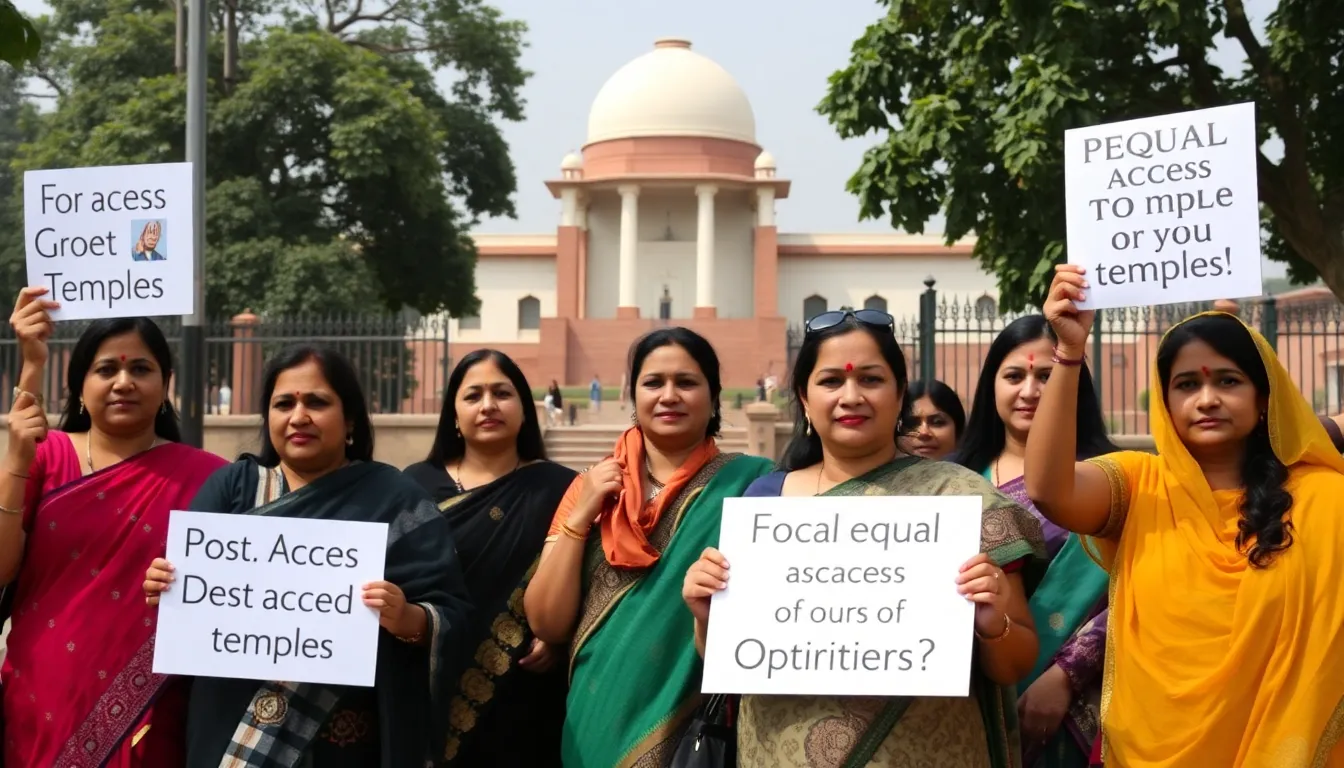
Religious organizations, particularly those managing temples, often argue that traditional practices and beliefs should be upheld. They claim that restricting women’s entry is rooted in religious customs and spiritual beliefs, which they believe should not be altered by contemporary legal frameworks. This perspective highlights the tension between religious freedom and gender equality.
On the other hand, women’s rights groups advocate for equal access to religious spaces, framing the issue as one of gender discrimination and human rights. They argue that allowing women to enter temples is essential for achieving broader societal equality and challenging entrenched patriarchal norms. This conflict raises critical questions about the role of the state in regulating religious practices and protecting individual rights.
- Legal Precedents: The Indian judiciary has historically navigated complex cases involving religious practices and women’s rights, setting precedents that could influence future rulings.
- Public Sentiment: The issue has sparked widespread public debate, with varying opinions across different demographics, influencing political and social dynamics.
- Government Involvement: The role of the government in mediating these conflicts raises questions about secularism and the state’s responsibility to uphold constitutional rights.
- Economic Implications: The temple economy, which relies on donations and tourism, may be impacted by changes in entry policies, affecting local communities and stakeholders.
As the Supreme Court hears challenges to the ruling, the interplay between these stakeholders will continue to shape the evolving landscape of women’s rights and religious freedom in India. The outcomes of this case could have far-reaching implications, not only for the individuals directly involved but also for societal norms and legal frameworks surrounding gender equality in the country.
The impact of the ruling on women and religious practices
The ongoing legal challenges to the ruling on women’s entry into temples in India have far-reaching implications for various groups, including women, religious communities, and the tourism industry. The outcome of this case could redefine societal norms and practices surrounding gender and religion, impacting millions across the nation.
In the short term, women seeking to enter temples may experience heightened tensions within their communities, as traditionalists may resist changes to longstanding customs. This could lead to protests or pushback from certain religious factions, affecting local harmony and community relations. Additionally, businesses that rely on temple tourism may see fluctuations in visitor numbers, as some may choose to avoid temples embroiled in controversy.
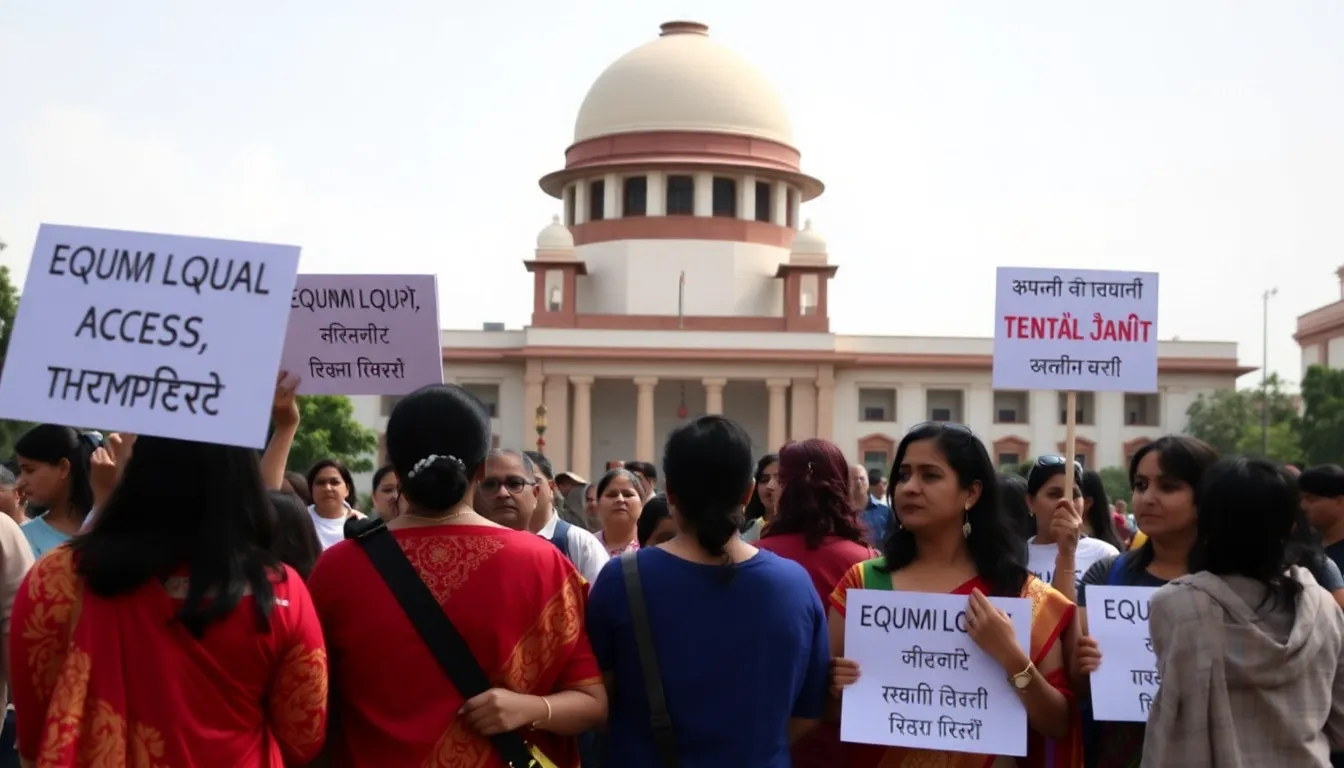
In the mid-term, the ruling could prompt a reevaluation of policies related to gender equality in religious spaces. If the court rules in favor of women’s entry, it may encourage other religious institutions to reconsider their own practices, leading to broader societal shifts. This could empower women, fostering a sense of agency and participation in religious and cultural life.
- Women: Empowerment and increased access to spiritual spaces.
- Religious communities: Potential divisions and debates over traditional practices.
- Tourism industry: Fluctuations in visitor numbers affecting local economies.
- Policy makers: Opportunities to promote gender equality in religious contexts.
However, there are also risks associated with the ruling. Resistance from conservative elements may lead to social unrest or backlash against women who assert their rights. Furthermore, if the ruling does not favor women’s entry, it could perpetuate existing inequalities and discourage future efforts towards gender inclusivity in religious practices.
A: The Supreme Court is actively hearing challenges to a previous ruling that permits women to enter certain temples. The case has garnered significant public attention and debate. A: The ruling is controversial because it touches on deeply rooted cultural and religious beliefs regarding gender roles within certain communities. A: Many women have welcomed the ruling as a step towards gender equality, while others express concerns about potential backlash from conservative groups. A: Religious institutions may face pressure to adapt their practices in accordance with the ruling, which could lead to changes in how they operate.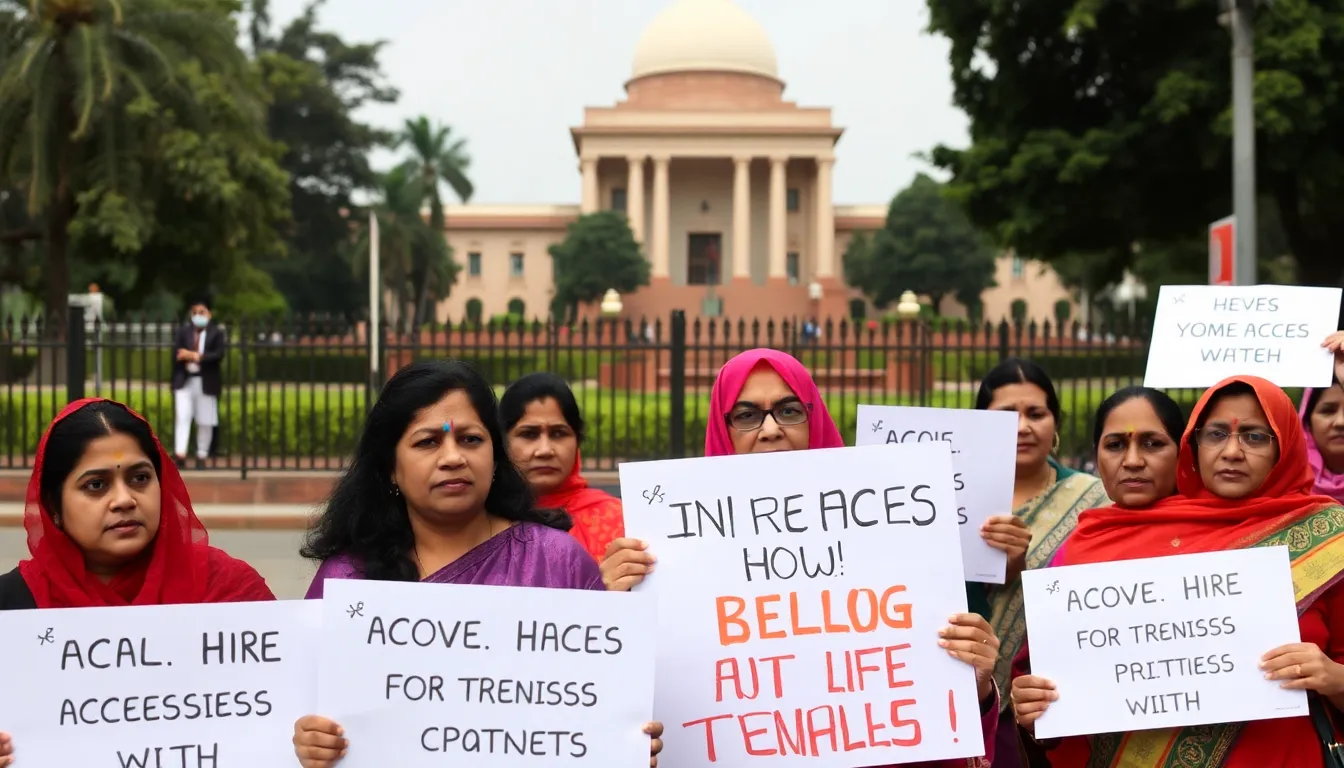
Frequently asked questions about the court’s ruling
Insights on the future of women’s access to temples
The ongoing legal challenges regarding women’s entry into temples highlight a significant intersection of tradition, gender rights, and religious freedom in India. As the Supreme Court deliberates on these issues, the outcomes could set important precedents not only for religious practices but also for broader societal norms concerning gender equality. The implications of this case will resonate beyond the immediate context of temple access, influencing future legal interpretations and societal attitudes towards women’s rights in various spheres.
As stakeholders on all sides await the court’s decision, it is essential to consider the potential shifts in public sentiment and policy that may arise. The ruling could either reinforce traditional practices or pave the way for more inclusive interpretations of religious rights, reflecting a changing landscape in the struggle for gender equality within the framework of Indian society.
- Monitor the Supreme Court’s ruling for its potential to reshape women’s rights within religious contexts.
- Watch for public reactions and grassroots movements that may emerge in response to the court’s decision.
- Consider the implications for other religious practices and institutions that may face similar challenges regarding gender access.
- Evaluate how this case might influence future legislation aimed at advancing gender equality in India.
- Observe the role of media and social platforms in shaping public discourse around women’s rights and religious freedoms.