
Capcom revealed that the total prize pool for the 2024 CPT season is set at $1 million, a stark decrease from the $5 million allocated for the 2023 season. This reduction has sparked widespread discussions within the community, with many questioning the implications for player participation and the overall growth of the competitive scene. For more insights on community reactions, check out the article on how the Smash community reacted to competitive gaming disparities.
Prominent figures in the FGC, including top players and tournament organizers, have voiced their disappointment on social media platforms. They argue that lower prize pools could deter aspiring players from pursuing competitive gaming as a viable career path, ultimately impacting the game’s longevity and community engagement. This sentiment echoes similar concerns raised in the esports industry regarding financial viability.
As the CPT season approaches, the FGC is calling for transparency from Capcom regarding the decision-making process behind the prize pool adjustments. Many hope that further discussions will lead to a reevaluation of the financial support provided for competitive events, ensuring a more robust and sustainable future for Street Fighter tournaments.
Understanding the background of Capcom’s prize pool decisions
The competitive gaming landscape has evolved significantly over the past decade, with major publishers like Capcom playing a pivotal role in shaping the esports scene. Historically, the prize pools for tournaments have been a reflection of both the popularity of the game and the financial backing from sponsors and publishers. In the case of Capcom, their Street Fighter series has been a cornerstone of fighting games since its inception, attracting a dedicated player base and a vibrant competitive community.
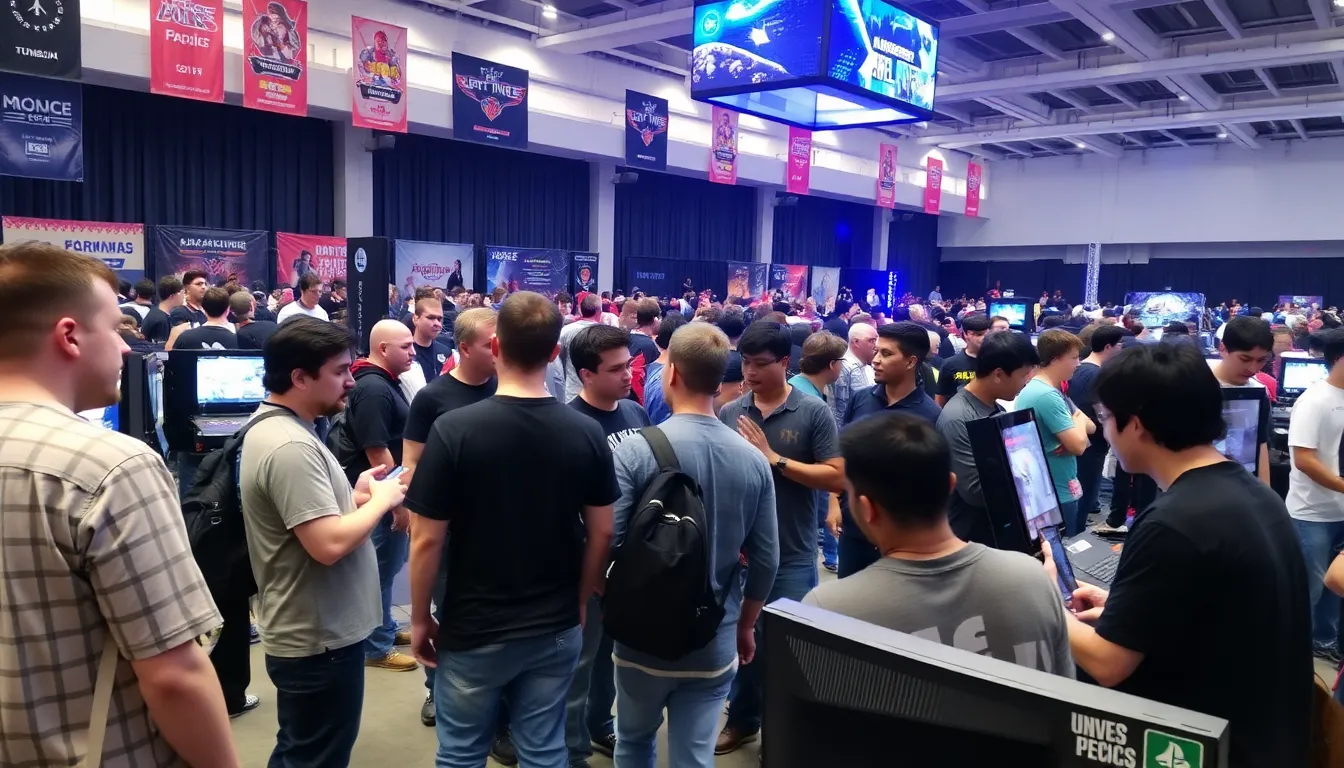
However, the recent announcement of low prize pools for the Street Fighter 6 Capcom Pro Tour (CPT) has raised eyebrows among fans and competitors alike. This decision comes at a time when other esports titles are boasting multi-million dollar prize pools, leading to questions about Capcom’s commitment to its competitive scene. The contrast has sparked discussions within the community about the sustainability of the esports ecosystem and the role of publishers in supporting their games.
The Evolution of Esports Prize Pools
Over the years, the esports industry has witnessed a dramatic increase in prize money, largely driven by crowdfunding initiatives, sponsorships, and the growing viewership of competitive gaming. Games like Dota 2 and League of Legends have set benchmarks with their massive prize pools, often exceeding several million dollars. In this context, Capcom’s relatively modest offerings for Street Fighter 6 appear to be a significant departure from the trend, raising concerns about the potential impact on player motivation and tournament participation.
Moreover, economic factors such as the global pandemic have influenced the financial strategies of many companies, including Capcom. With significant shifts in revenue streams and an increased focus on digital content, the allocation of funds towards tournament prize pools may have been deprioritized. This situation underscores the complex interplay between economic realities and the expectations of a passionate gaming community that has long championed the Street Fighter brand, similar to the evolving strategies seen in the case of sponsors within the esports ecosystem.
As the competitive gaming community voices its dissatisfaction, it is essential to consider the historical context of Capcom’s support for esports. While the company has made strides in promoting competitive play through events and sponsorships, the current climate raises critical questions about the future of the Street Fighter series in the esports arena. The community’s response to these prize pool decisions may ultimately shape Capcom’s strategies moving forward, highlighting the need for a more robust investment in the competitive scene.
Key stakeholders and their views on the prize pool situation
The recent announcement by Capcom regarding the low prize pools for the Street Fighter 6 Capcom Pro Tour (CPT) tournaments has stirred significant reactions among various stakeholders in the gaming community. Key actors include Capcom, professional players, esports organizations, and fans, each with unique perspectives on the implications of this decision.
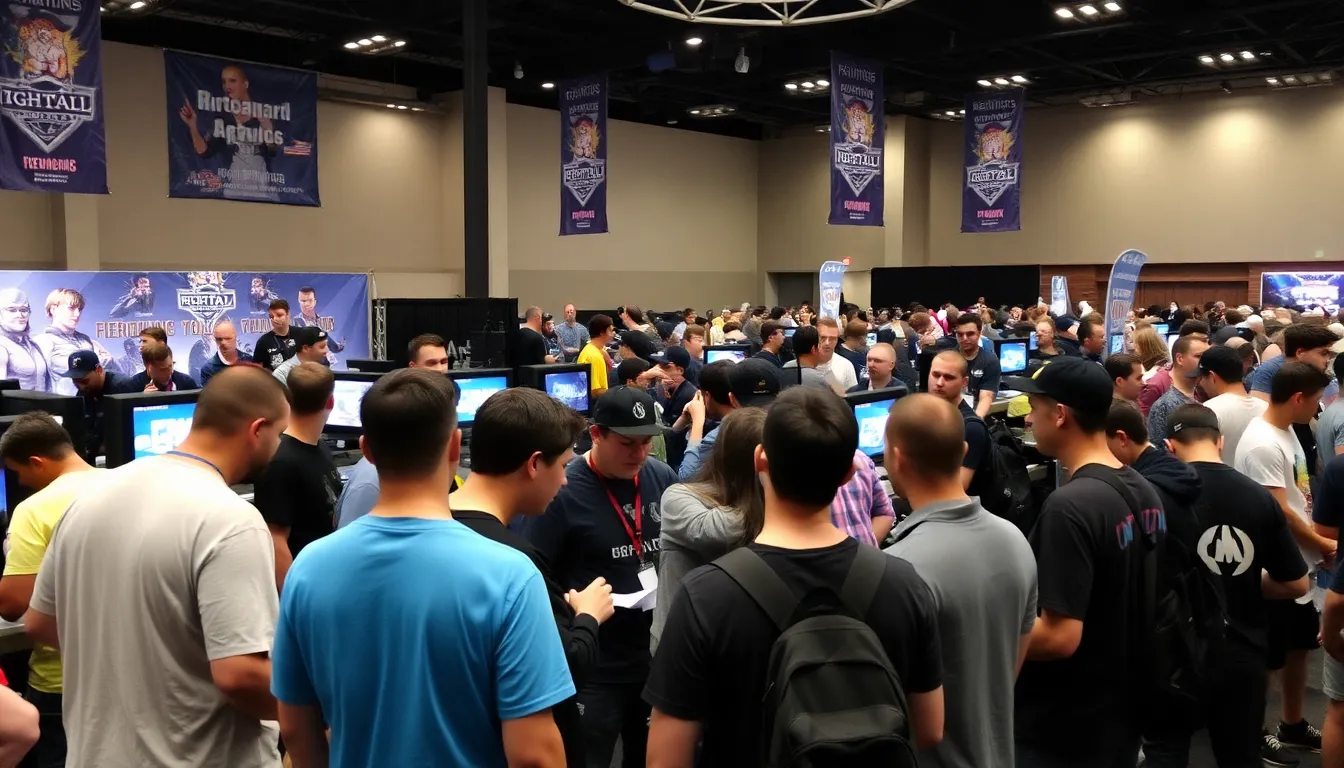
Capcom, as the game developer and organizer of the CPT, has a vested interest in maintaining a sustainable business model while promoting competitive play. However, the low prize pools may be seen as a lack of commitment to the esports community. This could affect their reputation among players and fans, leading to concerns about the long-term viability of the competitive scene for Street Fighter 6.
Professional players are particularly vocal about the impact of prize pool sizes on their careers. Many rely on tournament winnings as a source of income, and lower prizes can discourage participation in events. This situation raises questions about the economic viability of pursuing a career in esports, especially for emerging players who may struggle to gain recognition and support.
- Economic Pressure: The reduced prize pools may compel players to seek alternative revenue streams, impacting their focus on competitive play.
- Organizational Response: Esports organizations may need to reassess their sponsorship and support strategies for players, potentially leading to fewer opportunities.
- Fan Reaction: The community’s disappointment with Capcom’s decision could influence fan engagement and viewership, which are crucial for the success of the CPT.
Additionally, the broader esports ecosystem is affected by these developments. Sponsors and advertisers may reconsider their investments in the CPT if they perceive a decline in player participation or audience interest. This could create a ripple effect, leading to further reductions in funding for tournaments and events, ultimately impacting the growth of the esports industry as a whole.
The implications for players and the competitive gaming landscape
The announcement of low prize pools for the Street Fighter 6 Capcom Pro Tour (CPT) tournaments has sent shockwaves through the fighting game community (FGC). Players, sponsors, and event organizers are among the groups most affected by this decision. The reduced financial incentives may discourage emerging talent from pursuing competitive gaming as a viable career path, potentially stunting the growth of the FGC.
In the short term, players may experience increased frustration and disappointment, leading to a decline in participation rates at tournaments. This could result in fewer events being organized, as sponsors may be less inclined to invest in a scene that appears less lucrative. Additionally, the diminished prize pools may force some players to reconsider their commitment to the game, impacting their daily lives and financial stability.
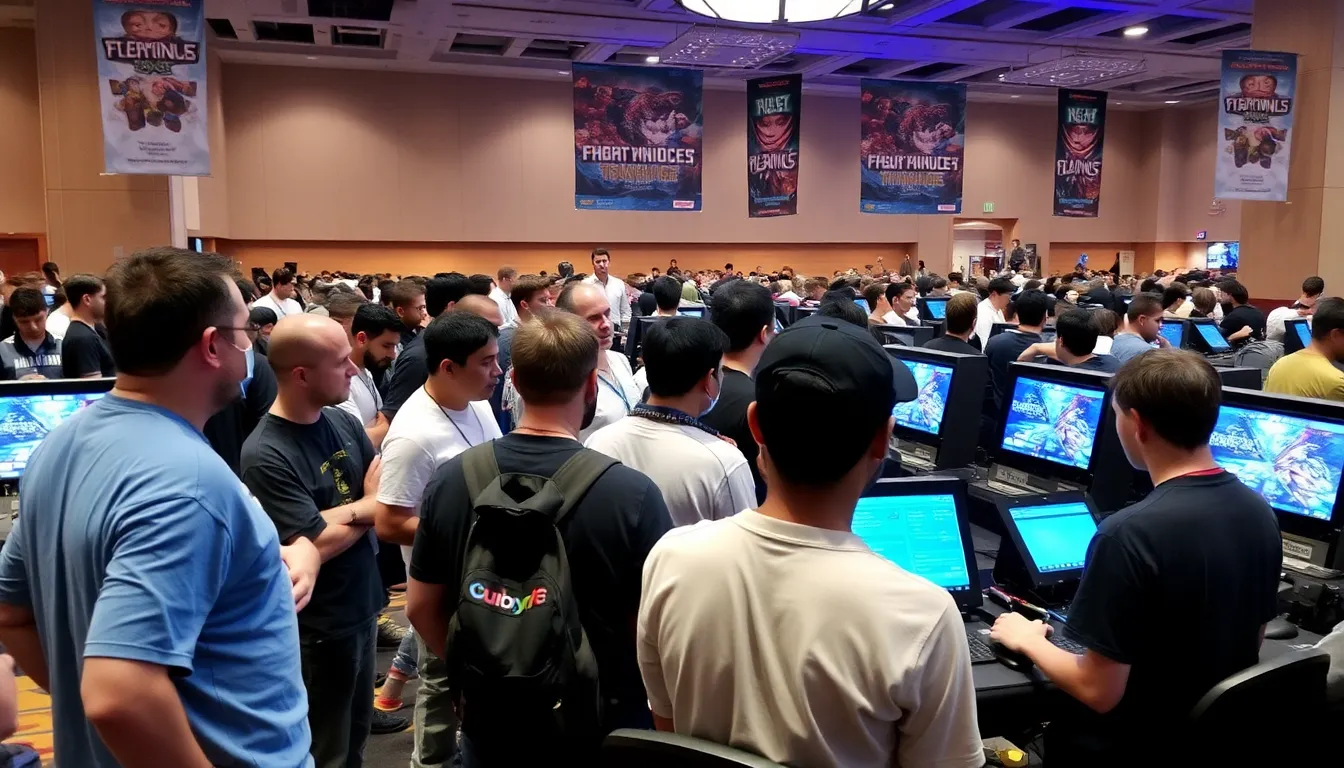
In the mid-term, the consequences could extend beyond individual players to the broader gaming industry. The FGC relies on a vibrant ecosystem of players, sponsors, and streaming platforms. A decline in participation could lead to reduced viewership, which in turn might affect advertising revenue for events and platforms that host Street Fighter content. This could create a ripple effect, impacting jobs and business opportunities within the industry.
- Risks: Decreased player engagement, lower tournament attendance, reduced sponsorship opportunities.
- Opportunities: Potential for grassroots movements to emerge, increased focus on community-driven events, and a chance for alternative games to gain traction.
Overall, while the immediate effects of Capcom’s decision may seem detrimental, there exists a possibility for the FGC to adapt and innovate in response. The community’s resilience could lead to new models of support and engagement that might ultimately strengthen the competitive landscape in unexpected ways.
A: The low prize pools have been attributed to various factors, including budget constraints and changes in sponsorship deals. Capcom has not provided a detailed explanation, which has led to speculation within the community. A: Professional players may find it challenging to justify their participation in tournaments with lower financial incentives. This could lead to a decline in competitive participation and affect their livelihoods. A: The FGC has expressed significant disappointment and concern, with many community members calling for Capcom to reconsider its approach to prize distribution in order to support competitive players. A: Currently, there are no official announcements from Capcom regarding plans to increase the prize pools. The community is hopeful for future adjustments based on feedback. A: The current prize pools for Street Fighter 6 are considerably lower than those for previous titles in the franchise, which has raised eyebrows among fans and competitors alike.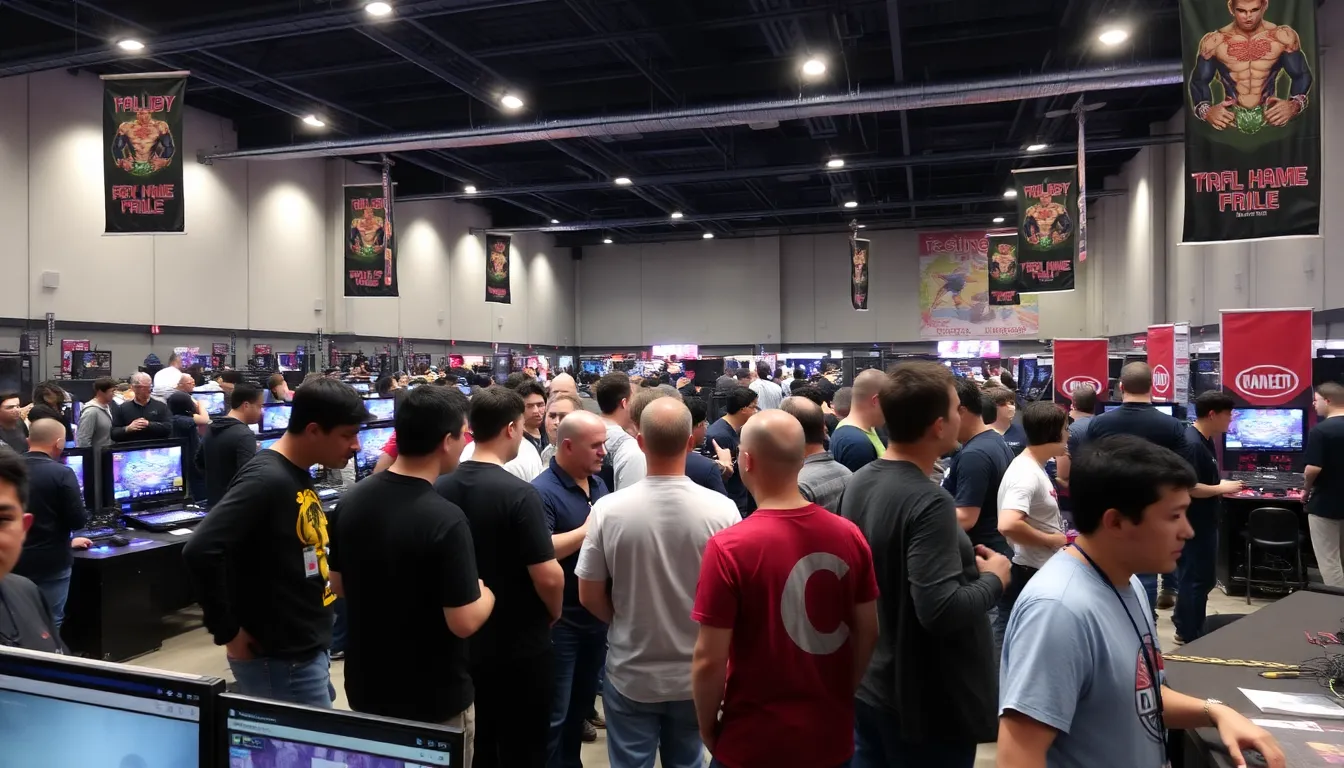
Frequently asked questions about the prize pool controversy
Looking ahead: potential outcomes and key takeaways
The recent backlash from the fighting game community (FGC) regarding Capcom’s decision to implement low prize pools for Street Fighter 6 CPT tournaments raises significant questions about the future of competitive gaming and its financial viability. As the FGC continues to express its dissatisfaction, it is crucial to consider the implications of these prize pools on player motivation, community engagement, and the overall competitive landscape.
Moving forward, stakeholders within the FGC, including players, sponsors, and tournament organizers, will need to reassess their strategies and expectations. The response from Capcom could set a precedent for how other developers approach financial support for esports, potentially influencing the sustainability of competitive scenes across various titles.
- Community Response: Watch for increased grassroots initiatives as players seek alternative funding and support systems to sustain their competitive endeavors.
- Developer Engagement: Capcom’s future actions may reveal its commitment to the FGC, impacting player loyalty and participation in official events.
- Sponsorship Dynamics: The situation may lead to shifts in how sponsors engage with the FGC, possibly prioritizing tournaments with higher financial incentives.
- Player Retention: Low prize pools could result in talent migration to other games or platforms, affecting the competitive integrity of Street Fighter 6.
- Long-term Viability: The sustainability of the competitive scene will depend on how effectively developers balance community expectations with financial realities.