
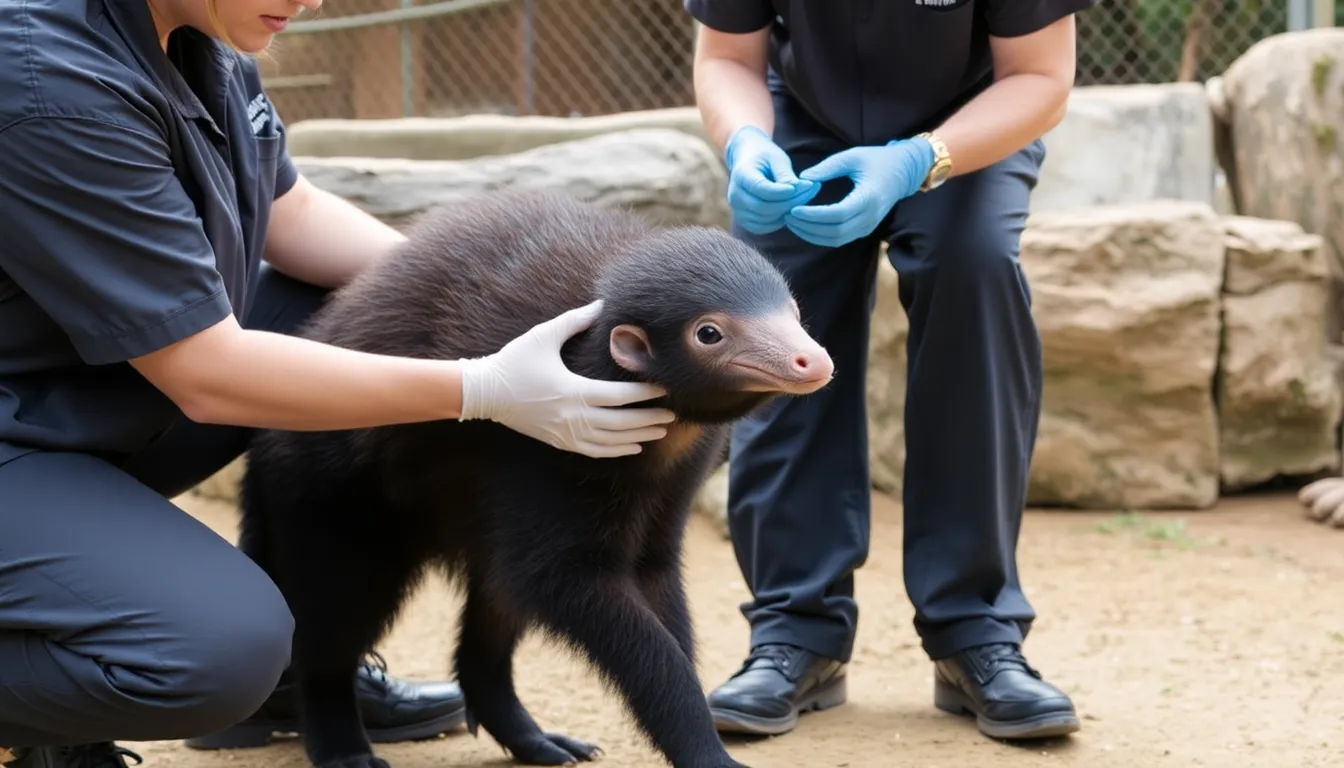
The pup, born to a mother named Bella and a father named Max, is currently being cared for by the zookeepers, who are monitoring its health and development closely. Visitors to the zoo will soon have the opportunity to see the pup as it becomes more active and begins to explore its surroundings.
Zoo officials highlighted the importance of breeding programs in preserving endangered species, emphasizing that each new birth contributes to the genetic diversity and sustainability of the population.
In addition to the pup’s birth, the zoo is launching an educational campaign to raise awareness about the threats faced by giant anteaters and the importance of habitat conservation. This initiative aims to engage the public and encourage support for wildlife protection efforts.
Understanding the vulnerable status of giant anteaters
The giant anteater, known scientifically as Myrmecophaga tridactyla, has been classified as a vulnerable species by the International Union for Conservation of Nature (IUCN). This classification is primarily due to habitat loss, hunting, and human encroachment on their natural environments. Historically, these unique mammals roamed vast areas of Central and South America, but their populations have been steadily declining over the past few decades.
One of the main drivers of this decline is deforestation, particularly in regions like the Brazilian Cerrado and the Atlantic Forest. As agriculture and urban development expand, the habitats of giant anteaters are fragmented, making it increasingly difficult for them to find food and mates. In addition to habitat destruction, they are also threatened by road traffic and poaching, as their distinctive fur can be valuable in illegal wildlife trade.
Conservation efforts and milestones
Efforts to protect giant anteaters have gained momentum in recent years, with various organizations and governments implementing conservation programs. One significant milestone was the establishment of protected areas in key habitats, which serve as sanctuaries for these animals. Additionally, public awareness campaigns have been launched to educate communities about the importance of preserving biodiversity and the role of giant anteaters in their ecosystems.
Moreover, breeding programs in zoos around the world play a crucial role in the conservation of giant anteaters, reminding everyone of the initiatives like recent births that are vital in the fight against extinction.
As the plight of giant anteaters continues to unfold, it serves as a reminder of the delicate balance between human development and wildlife conservation. The birth of the pup not only brings hope for the species but also emphasizes the ongoing need for collaborative efforts to ensure their survival in the wild.
The significance of breeding programs for endangered species
Breeding programs for endangered species, such as the recent birth of a giant anteater pup at the local zoo, play a crucial role in conservation efforts. These programs often involve collaboration among various stakeholders, including zoos, wildlife conservation organizations, and government agencies. Each of these actors has distinct interests that shape the landscape of wildlife conservation.
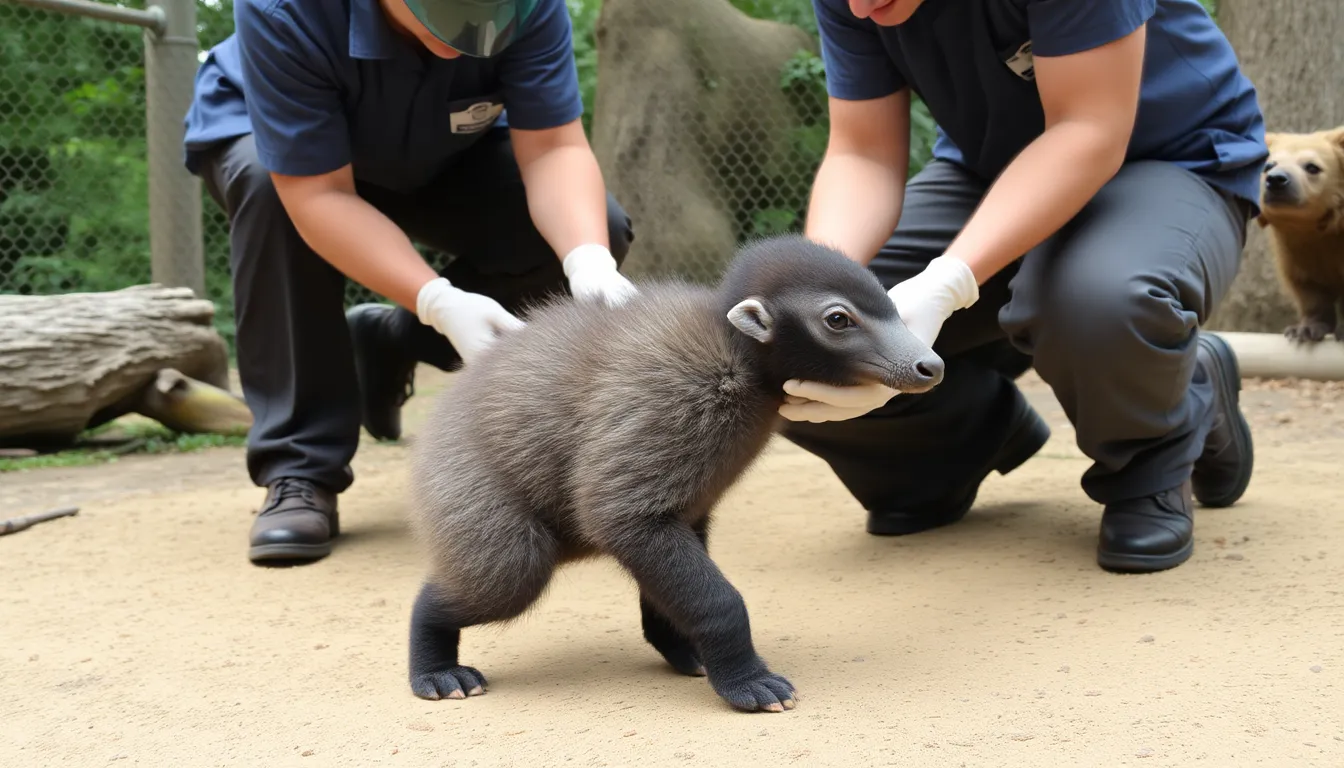
Zoos, like the one that welcomed the giant anteater pup, aim to educate the public about endangered species and foster a connection between humans and wildlife. Their interest lies in not only preserving species but also in attracting visitors, which can enhance funding for conservation initiatives. Wildlife conservation organizations, on the other hand, focus on broader ecological impacts and species recovery. They often advocate for habitat protection and sustainable practices to ensure the long-term survival of species in the wild.
Government agencies are also key players in this arena, as they regulate wildlife protection laws and allocate funding for conservation efforts. Their interests may include maintaining biodiversity, fulfilling international commitments to protect endangered species, and balancing economic development with environmental preservation. However, conflicts can arise between these stakeholders, particularly when it comes to resource allocation and differing priorities.
- Resource Allocation: Limited funding may lead to competition among zoos and conservation organizations for grants and sponsorships.
- Public Perception: Zoos may face scrutiny regarding animal welfare, impacting their ability to attract visitors and funding.
- Habitat Conservation: The need for habitat protection can conflict with land development interests, leading to tensions between conservationists and developers.
- Legal Framework: Compliance with international conservation laws can impose restrictions on breeding programs and animal transfers.
- Education vs. Entertainment: The challenge of balancing educational initiatives with the entertainment aspect of zoos can affect public engagement and support.
Overall, the successful breeding of the giant anteater pup highlights the interconnectedness of various stakeholders in the conservation landscape.
How the birth of the pup affects conservation efforts
The recent birth of a vulnerable giant anteater pup at the local zoo has significant implications for various groups and industries. Conservation organizations, wildlife enthusiasts, and educational institutions are particularly affected by this event. The birth highlights the importance of species preservation and can galvanize support for conservation initiatives aimed at protecting endangered species.
In the short term, the zoo can expect an increase in visitor numbers, as people are drawn to see the new pup. This boost in attendance can lead to higher revenue for the zoo, which may then be reinvested into further conservation efforts and educational programs. Local businesses, such as restaurants and shops near the zoo, may also benefit from increased foot traffic as visitors explore the area.
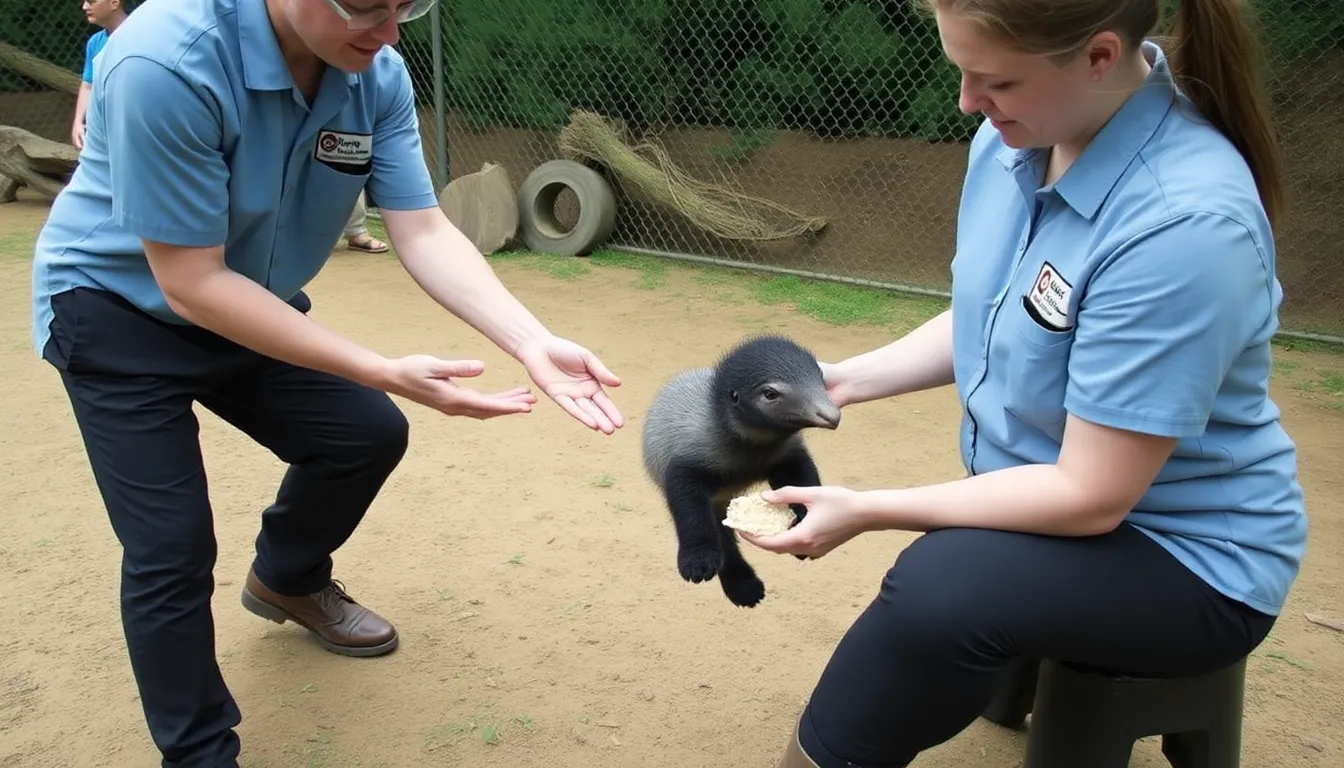
In the mid-term, the birth of the pup may influence policies related to wildlife conservation and habitat protection. Local governments might be encouraged to allocate more resources toward conservation programs or create partnerships with zoos and wildlife organizations. This could lead to enhanced legal protections for the giant anteater’s natural habitat, benefiting not only the species but also the ecosystem as a whole.
- Increased awareness: The event can raise public consciousness about the plight of vulnerable species.
- Economic boost: Local businesses may experience increased sales due to zoo visitors.
- Policy changes: Potential for stronger conservation policies and habitat protection initiatives.
- Educational opportunities: The zoo can enhance its educational outreach programs based on the pup’s birth.
However, there are risks associated with the increased attention on the giant anteater. If the public’s interest wanes after the initial excitement, funding for ongoing conservation efforts may diminish. Additionally, any negative publicity surrounding the care of the animals could impact the zoo’s reputation and, consequently, its financial stability.
A: Giant anteaters are currently classified as vulnerable due to habitat loss and poaching. Conservation efforts are crucial to their survival. A: You can support conservation organizations, participate in awareness campaigns, and visit zoos that focus on breeding programs. A: The main threats include habitat destruction from agriculture, road construction, and illegal hunting. A: Giant anteater pups typically stay with their mothers for about six months before becoming independent. A: Giant anteaters primarily feed on ants and termites, using their long snouts and tongues to extract them from mounds.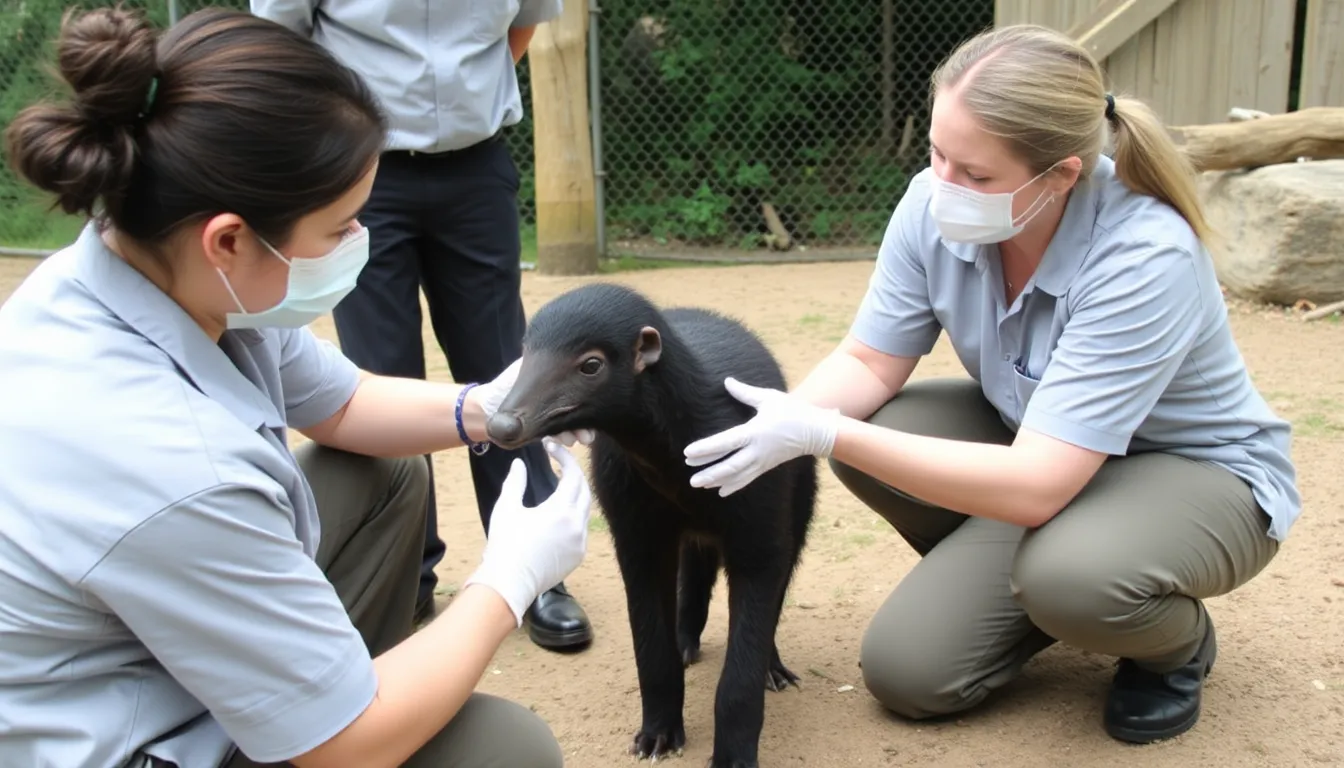
Frequently asked questions about the giant anteater pup
Key takeaways and future outlook for giant anteater conservation
The recent birth of a vulnerable giant anteater pup at the local zoo highlights both the challenges and opportunities in conservation efforts for this species. With their populations declining due to habitat loss and human activity, the successful breeding of anteaters in captivity serves as a critical step towards ensuring their survival. This event not only raises awareness about the plight of giant anteaters but also emphasizes the importance of conservation programs that focus on habitat preservation and public education.
<pAs the zoo continues to monitor the pup's development, it serves as a reminder of the interconnectedness of wildlife conservation and community involvement. The engagement of the public in conservation efforts can significantly influence the future of vulnerable species like the giant anteater.
- Increased public awareness can drive support for conservation initiatives and funding.
- Successful breeding programs may lead to reintroduction efforts in their natural habitats.
- Continued habitat protection is crucial to mitigate threats from urbanization and agriculture.
- Educational programs can foster a deeper understanding of the ecological role of giant anteaters.
- Monitoring and research on the pup’s growth will provide valuable insights into the species’ needs in captivity and the wild.