
The designation comes as part of a broader initiative to promote regional cuisines and support local economies. Yamagata’s unique take on ramen, characterized by its rich broth and locally sourced ingredients, sets it apart from other regions. For more on how culinary trends shape local economies, check out this article. The city has been hosting various ramen festivals and events to celebrate this culinary distinction, further solidifying its status.
This recognition is expected to boost tourism and stimulate economic growth in the region. Local businesses are preparing to capitalize on the increased interest, with plans to offer ramen tours and tasting experiences. The city aims to create a sustainable ramen culture that not only honors tradition but also embraces innovation.
As Yamagata embraces its new title, it faces the challenge of maintaining quality and authenticity amidst growing popularity. The community is committed to preserving its unique ramen identity while also welcoming new influences. This balance will be crucial in ensuring that Yamagata remains a beloved destination for ramen lovers in the years to come.
The historical significance of ramen in Yamagata
Yamagata, a prefecture located in the Tohoku region of Japan, has long been recognized for its rich agricultural produce and stunning natural landscapes. However, it is the city’s deep-rooted connection to ramen that has recently propelled it into the spotlight as the ‘capital’ of this beloved noodle dish. The history of ramen in Yamagata dates back to the early 20th century, when Chinese immigrants introduced the dish to Japan, and it quickly adapted to local tastes and ingredients. For an interesting read on another innovative approach to attracting global interest, see this article.
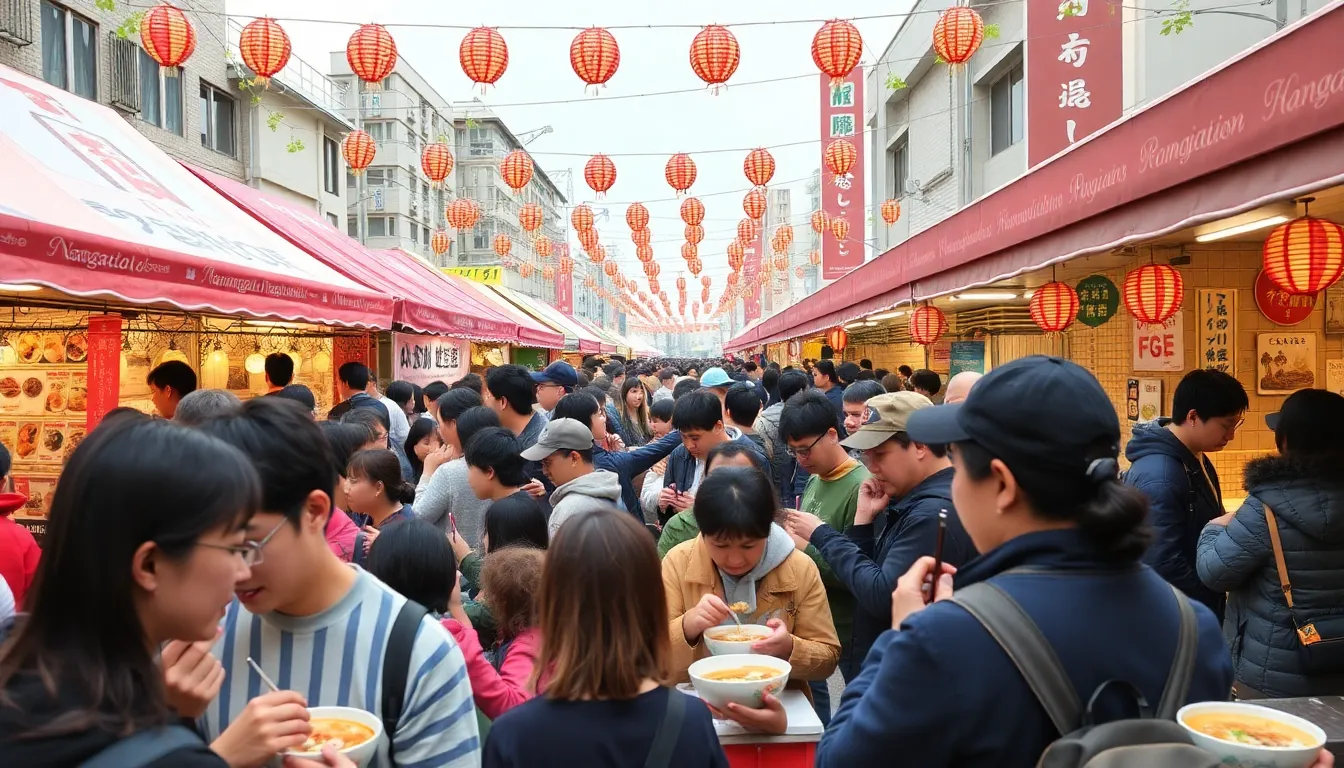
In the post-World War II era, as Japan underwent rapid urbanization and economic growth, ramen shops began to proliferate across the country. Yamagata’s unique take on ramen, characterized by its rich, hearty broth and distinctive toppings, began to gain popularity. The local ingredients, such as Yamagata’s renowned pork and high-quality noodles, played a crucial role in shaping the region’s ramen identity.
Key milestones in Yamagata’s ramen journey
One of the pivotal moments in Yamagata’s ramen history was the establishment of the Yamagata Ramen Association in the early 2000s. This organization aimed to promote local ramen culture and support ramen shops in the region. Through various events and competitions, the association has helped to elevate Yamagata’s ramen on a national scale, drawing attention from food enthusiasts and tourists alike.
In recent years, Yamagata has hosted numerous ramen festivals, showcasing the diverse styles and flavors of ramen available in the area. These events not only celebrate the culinary heritage of Yamagata but also serve as a platform for local businesses to thrive in the competitive food scene. The growing recognition of Yamagata as a ramen hub has further solidified its status and contributed to the local economy, attracting visitors who seek to experience authentic Japanese ramen.
As Yamagata continues to embrace its ramen culture, the city stands as a testament to the enduring appeal of this dish. The combination of historical influences, local ingredients, and community efforts has transformed Yamagata into a vibrant center for ramen lovers, highlighting the significance of food in shaping regional identity and pride.
Key stakeholders in Yamagata’s ramen industry and their roles
The ramen industry in Yamagata is a complex ecosystem involving various stakeholders, each with distinct interests and influences. The primary actors include local ramen shop owners, the Yamagata Prefectural Government, noodle manufacturers, and food tourism organizations. Each of these groups plays a crucial role in promoting and sustaining the region’s ramen culture. For a deeper understanding of how local economies interact with large-scale projects, consider reading this piece.
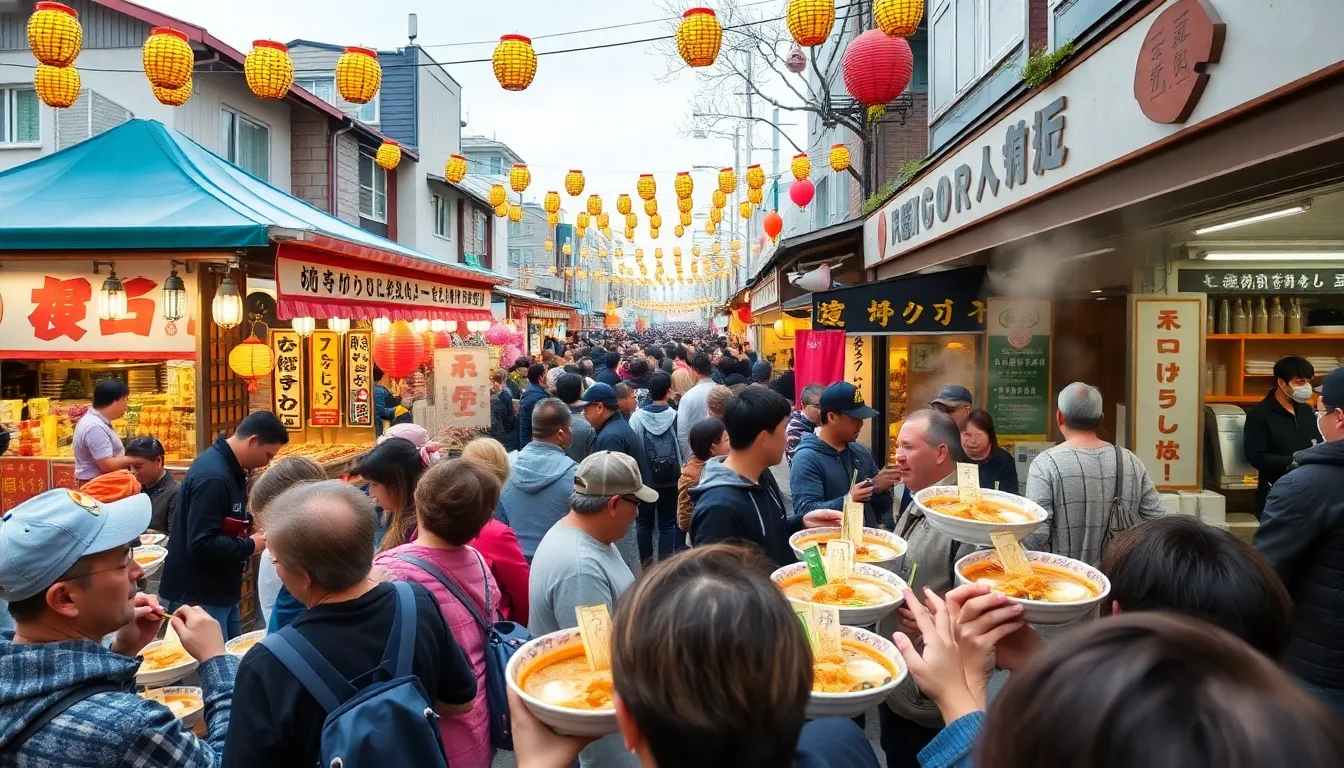
Local ramen shop owners are at the forefront of this culinary scene. They not only serve as the face of Yamagata’s ramen but also drive local economies by attracting both residents and tourists. Their interests revolve around maintaining high-quality ingredients, innovative recipes, and effective marketing strategies to enhance their visibility in a competitive market.
The Yamagata Prefectural Government is another key player, aiming to bolster the region’s identity as a ramen capital. Their interests include promoting tourism, supporting local businesses, and preserving culinary traditions. The government often engages in initiatives that highlight Yamagata’s unique ramen offerings, which can lead to increased foot traffic and regional pride.
- Conflicts may arise between traditional ramen practices and modern culinary trends, impacting the authenticity of local dishes.
- Economic pressures from rising ingredient costs could affect the pricing strategies of local ramen shops.
- Legal issues may surface regarding food safety regulations, which could impact how ramen is prepared and served.
- Competition from other regions claiming ramen superiority may create trade-offs in marketing efforts.
Noodle manufacturers also play a vital role, supplying the essential ingredients that define Yamagata’s ramen. Their interests lie in ensuring consistent quality and supply while managing production costs. This relationship between manufacturers and ramen shops is crucial, as it directly influences the taste and reputation of the ramen served.
Lastly, food tourism organizations are instrumental in promoting Yamagata as a destination for ramen enthusiasts. Their focus is on creating events, tours, and marketing campaigns that showcase the local ramen culture. Balancing the interests of local businesses with broader tourism goals can sometimes lead to tensions, particularly when it comes to maintaining the authenticity of the ramen experience.
How this status affects local businesses and tourism
The designation of Yamagata as the ‘capital’ of ramen is set to influence various groups, particularly local ramen shops, tourism agencies, and food-related businesses. This recognition not only elevates the city’s profile but also attracts both domestic and international visitors eager to experience its renowned noodle culture.
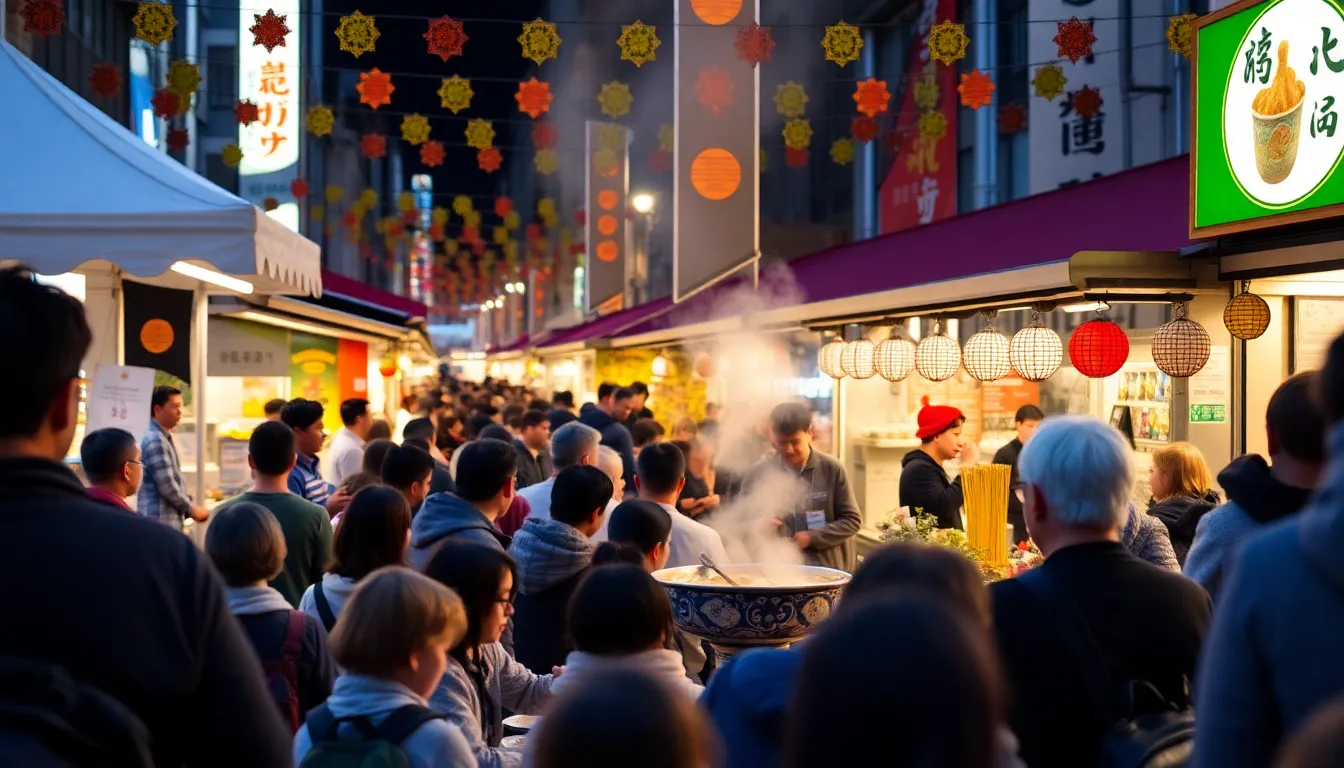
In the short term, local businesses, especially restaurants and food stalls, are likely to see an increase in foot traffic as ramen enthusiasts flock to Yamagata. This surge in visitors can lead to higher sales and the potential for new business ventures, such as ramen-themed tours or culinary experiences. Additionally, local farmers and suppliers may benefit from increased demand for ingredients specific to ramen production.
However, the mid-term impacts could also present challenges. As popularity rises, there is a risk of over-commercialization, which may dilute the authenticity of local ramen offerings. Furthermore, the influx of tourists could strain local infrastructure, necessitating policy adjustments in urban planning and resource allocation to ensure sustainable growth.
- Opportunities: Increased tourism revenue and new business ventures.
- Risks: Over-commercialization of local cuisine and infrastructure strain.
- Impact on policy: Need for urban planning to accommodate growth.
Moreover, the ramen capital status could inspire local government initiatives aimed at promoting Yamagata’s culinary heritage. This may include festivals, marketing campaigns, and partnerships with culinary schools to enhance the city’s reputation as a destination for food lovers.
A: Being designated as the ramen capital highlights Yamagata’s unique ramen culture and encourages tourism and local business growth. It recognizes the city’s diverse ramen offerings and culinary heritage. A: The local community has embraced this status with enthusiasm, organizing events and festivals to celebrate ramen. Many restaurants are also promoting their unique recipes to attract visitors. A: Yes, Yamagata is known for its unique styles of ramen, including Yamagata-style ramen which features a rich soy sauce broth and is often topped with local ingredients. A: Tourists can explore ramen shops, participate in ramen tasting tours, and attend local ramen festivals to fully experience the city’s culinary offerings. A: Yes, the recognition is expected to boost the local economy by increasing tourism, creating jobs in the food industry, and encouraging local businesses to thrive.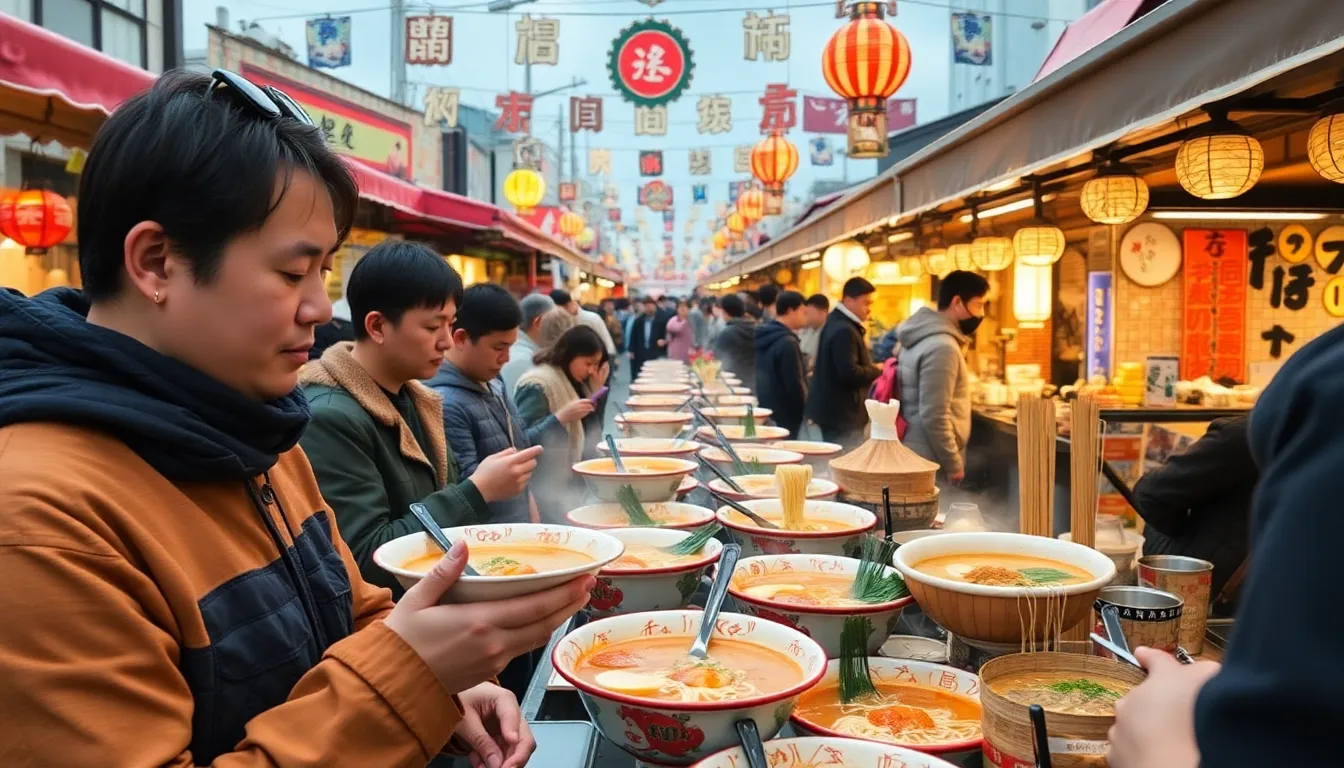
Frequently asked questions about Yamagata’s ramen capital status
Future outlook for Yamagata’s ramen culture and tourism
The designation of Yamagata as the ‘capital’ of ramen not only elevates the city’s culinary status but also presents a unique opportunity for tourism and local economy. As ramen enthusiasts from across Japan and beyond flock to the city, Yamagata can leverage this interest to enhance its cultural offerings and attract a diverse range of visitors. The integration of ramen into local festivals and events could further solidify its identity as a culinary destination.
Moreover, the emphasis on quality and regional variations in ramen could encourage local businesses to innovate, creating new dining experiences that cater to both traditionalists and adventurous eaters. As the ramen culture evolves, it will be essential for Yamagata to maintain its authenticity while also embracing modern trends to stay relevant in the competitive food tourism market.
- Monitor the growth of ramen-themed events and festivals, which could serve as a catalyst for increased tourism.
- Watch for collaborations between local ramen shops and international chefs, potentially leading to new fusion dishes that attract a broader audience.
- Evaluate the impact of social media on promoting Yamagata’s ramen culture, as visual platforms can significantly enhance its visibility.
- Consider the sustainability practices of local ramen shops, which may become a focal point for environmentally conscious consumers.
- Observe how Yamagata’s ramen identity influences local agriculture, as demand for specific ingredients may lead to new farming trends.