

How India’s model compares with global initiatives
The effectiveness of employment guarantee schemes in other countries provides a point of comparison for MGNREGA. Various nations have initiated similar programs, each tailored to their unique socio-economic landscape. For example: Venezuela’s oil policies offer insights into how resource management can impact employment.

- Brazil: The Bolsa Família program offers financial aid to poor families, alongside a conditional employment scheme.
- South Africa: The Expanded Public Works Programme provides temporary employment for unemployed individuals, focusing on community development.
- Germany: The Jobcenter offers integration programs for unemployed persons, facilitating employment opportunities and vocational training.
The inherent differences in these schemes highlight a key aspect: while MGNREGA has a sustainable framework through legal guarantee, many other initiatives rely heavily on government budgets and are not constitutionally mandated. This raises questions similar to those surrounding Australia’s recent legislative shifts in response to social needs.

Significant outcomes and services under MGNREGA
The implementation of MGNREGA has led to notable improvements in rural livelihoods and community welfare. Key outcomes include: Increased awareness of community programs during events can also foster a sense of collective responsibility.

- Poverty Reduction: The scheme has contributed significantly to reducing poverty levels in rural areas by providing a safety net.
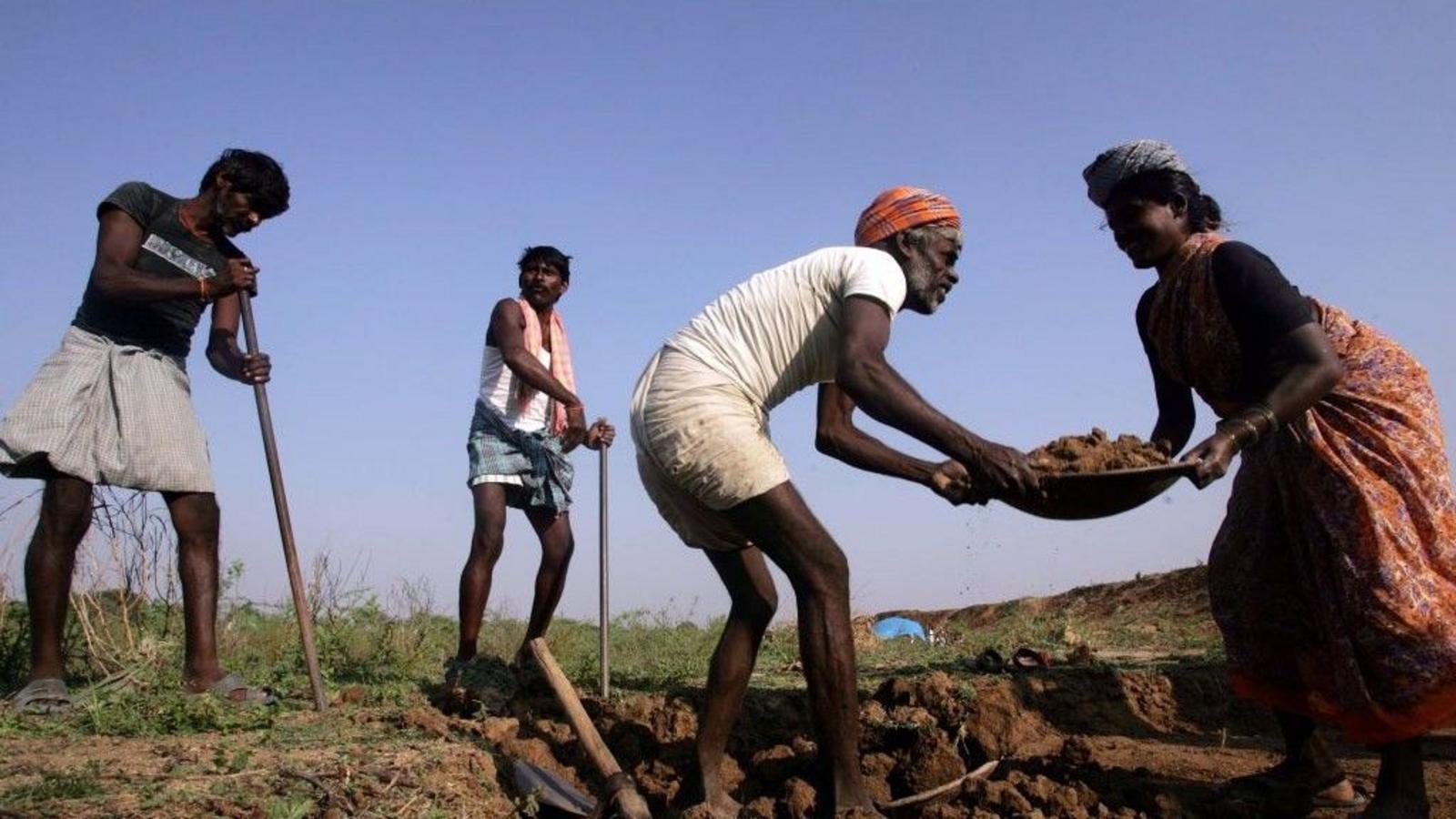
- Women Empowerment: With 55% of the workforce being women, MGNREGA has encouraged gender equality in wage employment.
- Infrastructure Development: The employment generated under the scheme has led to improvements in rural infrastructure, impacting agriculture and community services.
However, many challenges remain, which threaten the long-term success of this ambitious model.

Strategies for effectively utilizing the jobs guarantee framework
To combat its current challenges, several strategies could reinforce the jobs guarantee framework:

- Enhancing Awareness: Ensuring that rural households are aware of their rights under the scheme is crucial for participation.
- Streamlining Processes: Simplifying bureaucratic procedures can encourage timely employment provision and reduce discrepancies.
- Capacity Building: Training programs can help create a skilled workforce ready to take on diverse job opportunities.
Implementing these strategies can help adapt MGNREGA to current demands while also addressing emerging economic realities.
Key considerations and risks associated with the scheme
While MGNREGA has highlighted the importance of guaranteed employment, several risks loom over its future:
- Political Shifts: As election cycles change and government priorities shift, commitment to the scheme may waver.
- Funding Constraints: With rising government debts, adequate funding for the scheme becomes a pressing concern.
- Public Perception: Any perception of inefficiency and corruption can diminish trust in government programs.
Addressing these issues is vital for maintaining the integrity and effectiveness of the jobs guarantee scheme.
Exploring common questions about India’s employment scheme
Frequently asked questions about India’s jobs guarantee scheme
A: The primary objective of MGNREGA is to provide at least 100 days of wage employment to every rural household, thereby enhancing livelihood security.
A: MGNREGA significantly empowers rural women by providing them access to employment opportunities, contributing to their economic independence and social status.
A: Yes, criticisms include bureaucratic delays, underfunding, and lack of awareness among beneficiaries, which often hinder its effectiveness.
Looking ahead at the future of India’s jobs guarantee framework
The role of MGNREGA in shaping employment policies both nationally and globally remains significant. As the world grapples with economic uncertainty and evolving job markets, India’s experience with MGNREGA serves as a vital case study. The need for resilience in employment schemes is paramount, particularly in adapting to new challenges while sustaining the core objectives of providing secure livelihoods. Optimistic future strategies must prioritize inclusivity, efficiency, and continuous reform to ensure that India’s jobs guarantee scheme does not only survive but thrives as a beacon for similar initiatives worldwide.