
One of the key suggestions from the IEA is to embrace remote work wherever feasible. With many companies having successfully transitioned to work-from-home models during the COVID-19 pandemic, the agency argues that continuing this practice can significantly reduce energy demand associated with commuting and office operations. This shift not only conserves energy but also contributes to lower carbon emissions, akin to the findings in Exploring the Current Trends in Inside Health.
In addition to promoting remote work, the IEA is encouraging drivers to adopt more fuel-efficient habits. By driving more slowly and avoiding rapid acceleration, individuals can improve their vehicle’s fuel efficiency, thereby conserving energy. These behavioral changes are particularly relevant as countries face rising fuel costs, making it essential for consumers to seek ways to minimize their energy expenditure, similar to navigating the current oil supply shock.
The recommendations highlight the interconnectedness of individual actions and broader energy goals. As governments and organizations work to implement policies aimed at energy conservation, public participation will be crucial in achieving these objectives. The urgency of the situation underscores the need for collective responsibility in addressing the ongoing energy challenges faced globally.
Background on the global energy situation
The global energy landscape has undergone significant transformations over the past few decades, influenced by a combination of political, economic, and environmental factors. The reliance on fossil fuels has historically dominated energy consumption, leading to increased greenhouse gas emissions and contributing to climate change. As awareness of these issues grew, calls for a transition to renewable energy sources gained momentum, particularly in the wake of international agreements like the Paris Agreement in 2015.
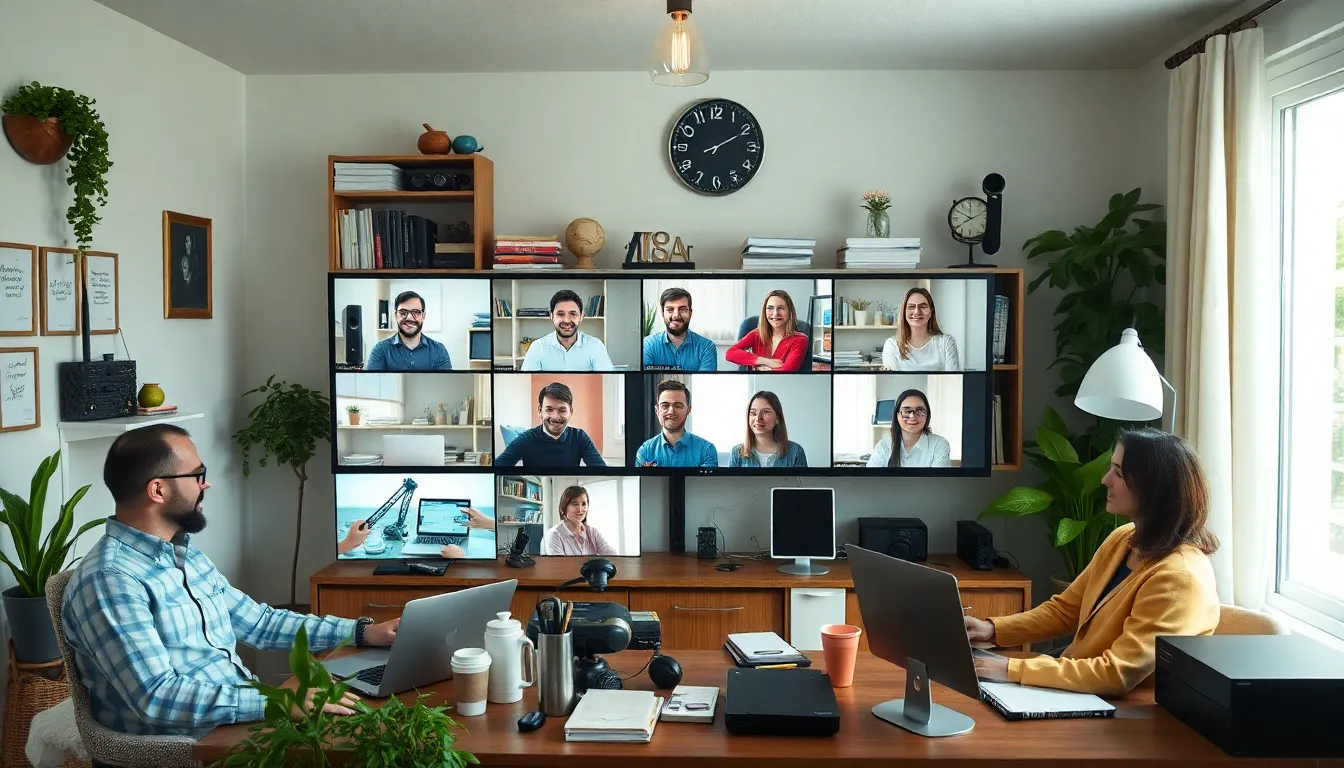
In recent years, geopolitical tensions, particularly in energy-rich regions, have further complicated the global energy situation. Events such as the conflict in Ukraine have highlighted the vulnerabilities of countries dependent on imported fossil fuels. As energy prices surged, governments and organizations began to seek alternative strategies to mitigate the impact of energy shortages and rising costs. This context has led to increased advocacy for energy conservation measures, including recommendations for individuals to work from home and drive more slowly.
The Rise of Remote Work
The COVID-19 pandemic accelerated the adoption of remote work, prompting a reevaluation of traditional workplace norms. Many organizations discovered that employees could maintain productivity outside of the office, leading to a lasting shift in work culture. This transition not only reduced commuting emissions but also highlighted the potential for significant energy savings at both individual and organizational levels, reflecting trends seen in Exploring the Modern Tech Life Experience.
In addition to remote work, the global body’s recommendation to drive more slowly is rooted in research indicating that lower speeds can lead to reduced fuel consumption and emissions. This approach is seen as a practical measure that individuals can adopt to contribute to energy savings during a time of heightened concern over energy security and environmental sustainability. Collectively, these efforts reflect a growing recognition of the need for behavioral changes to address the ongoing energy crisis.
Key stakeholders and their roles in energy conservation
The call to work from home and drive more slowly as measures to save energy involves a variety of stakeholders, each with distinct interests and influences. The primary actors include government agencies, environmental organizations, businesses, and individuals. Each of these groups plays a crucial role in shaping the dialogue around energy conservation and implementing effective strategies.
Government agencies are often at the forefront of promoting energy-saving initiatives. Their interests lie in reducing overall energy consumption, lowering greenhouse gas emissions, and meeting international climate commitments. Policies encouraging remote work and slower driving speeds can be seen as direct interventions aimed at achieving these goals. However, the enforcement of such policies may face challenges, including public resistance and the need for supporting infrastructure.
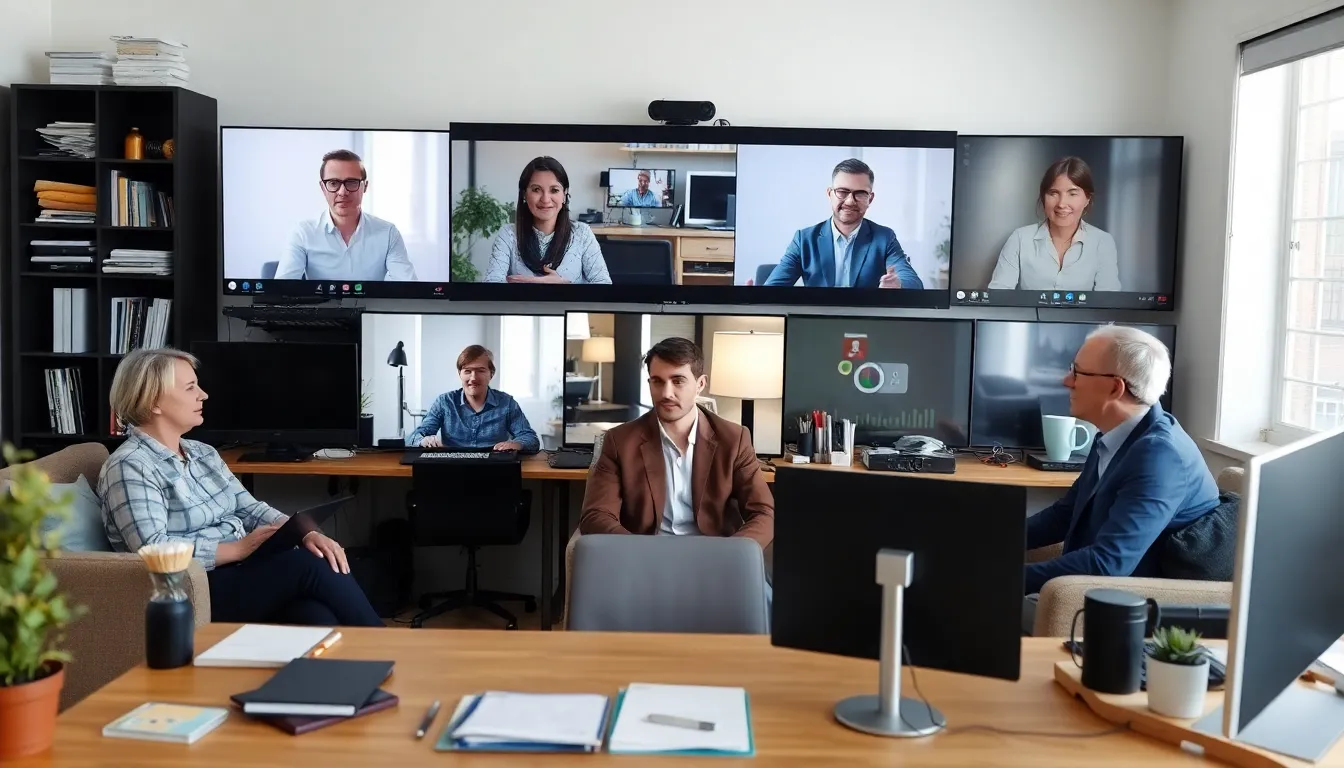
Environmental organizations advocate for sustainable practices and often push for stronger regulations to combat climate change. Their role is to raise awareness about the benefits of energy conservation, including the potential for reduced pollution and improved public health. However, they may encounter conflicts with businesses that prioritize economic growth over environmental concerns. This tension can lead to trade-offs between immediate economic interests and long-term sustainability goals.
- Businesses may resist work-from-home policies due to concerns about productivity and employee monitoring.
- Individuals may have mixed reactions, balancing the benefits of reduced commuting against potential isolation and work-life balance challenges.
- Legal issues may arise regarding the enforcement of speed regulations, particularly in regions with varying traffic laws.
- Economic implications include potential shifts in urban planning and infrastructure investment as remote work becomes more normalized.
- Public perception and acceptance of these measures will significantly influence their effectiveness and implementation.
In summary, the intersection of interests among these stakeholders highlights the complexity of promoting energy conservation through work-from-home policies and driving behavior changes. The ongoing dialogue must consider the diverse perspectives and potential conflicts that arise as society seeks to balance energy efficiency with economic and social realities.
Effects on workers and the economy
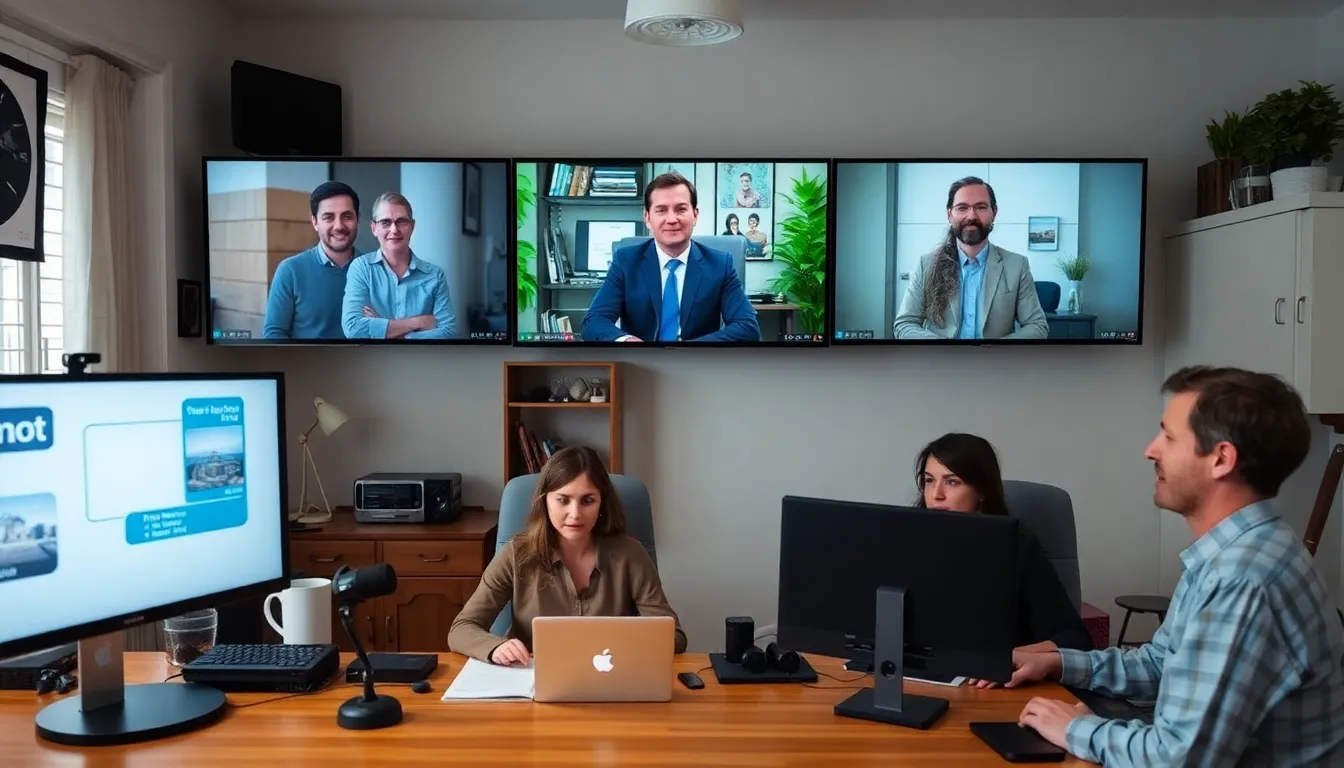
The recent call from a global body to work from home and drive more slowly has significant implications for various groups, industries, and regions. Workers in sectors that can accommodate remote work, such as technology, finance, and professional services, are likely to benefit from increased flexibility. Conversely, industries reliant on physical presence, such as retail, hospitality, and manufacturing, may face challenges as consumer behaviors shift.
In the short term, the push for remote work could lead to a decrease in operational costs for businesses, allowing them to allocate resources more efficiently. However, companies that thrive on in-person interactions may experience a decline in productivity and collaboration, potentially impacting innovation. Additionally, urban areas may see reduced traffic congestion and pollution, benefiting local communities.
Mid-term impacts could include changes in urban planning and transportation policies as cities adapt to new commuting patterns. There might be a growing emphasis on sustainable practices, leading to investments in green technologies and infrastructure. However, this transition may also pose risks, such as increased economic disparity between regions that can easily adapt to remote work and those that cannot.
- Risks: Economic disparity, productivity loss in sectors reliant on in-person work.
- Opportunities: Cost savings for businesses, increased focus on sustainability.
- Short-term impacts: Changes in consumer behavior, reduced traffic congestion.
- Mid-term impacts: Urban planning shifts, potential for new job markets in green technologies.
Ultimately, the call to work from home and drive more slowly highlights the need for a balanced approach that considers both the immediate benefits and the long-term consequences for society and the economy.
A: Working from home reduces commuting, which can significantly lower fuel consumption and emissions. This is particularly important during energy crises. A: Driving at lower speeds can improve fuel efficiency, as vehicles tend to consume more fuel at higher speeds. Slower driving also contributes to reduced emissions. A: Various global organizations, including energy agencies and environmental groups, are advocating for these practices to combat rising energy costs and climate change. A: Some companies offer flexible work arrangements and may provide stipends for home office setups. This can help employees save on commuting costs. A: Individuals can contribute by adopting energy-efficient practices, such as using public transport, carpooling, and reducing unnecessary travel.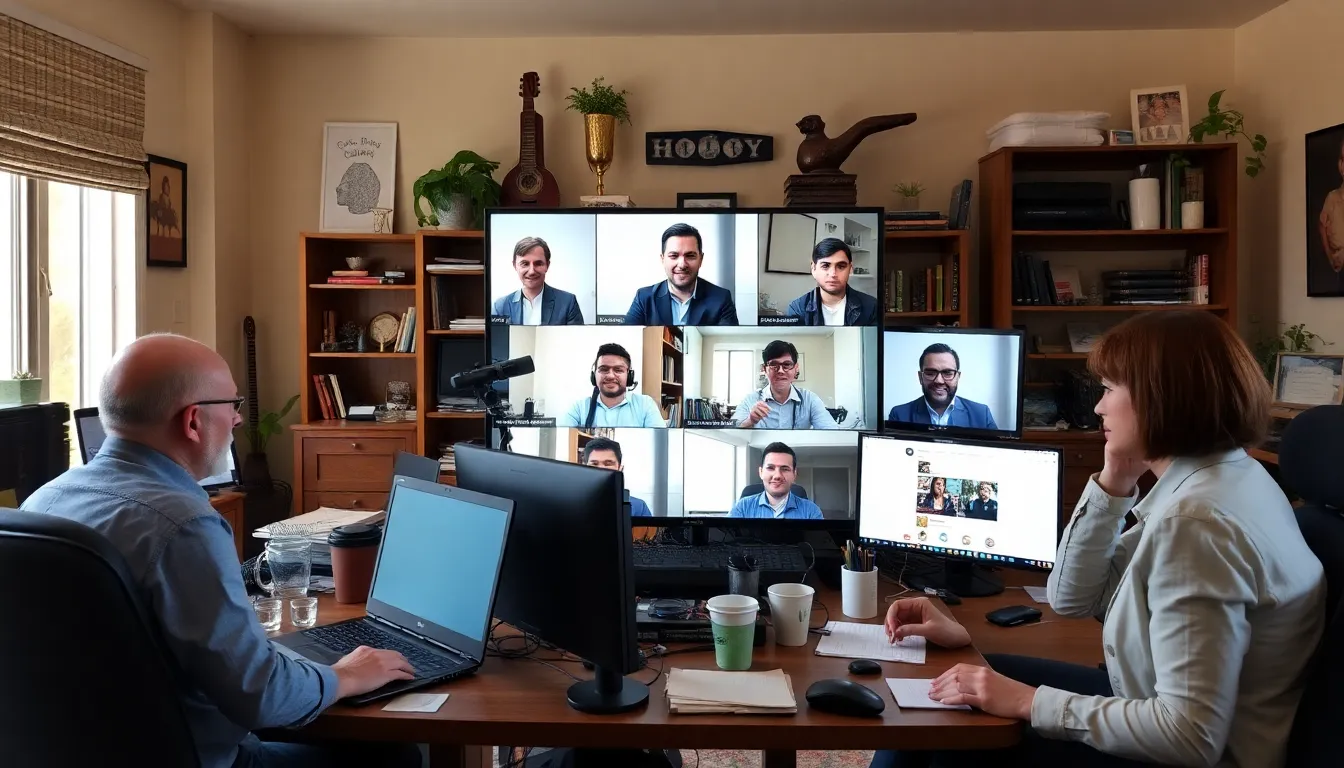
Frequently asked questions about energy conservation measures
Key takeaways and future outlook on energy usage
The call for working from home and adopting slower driving habits reflects a growing recognition of individual actions in contributing to energy conservation. As global energy demands continue to rise, these recommendations highlight the potential for collective change through personal choices. The implications extend beyond immediate energy savings, influencing long-term sustainability practices and shaping future policies.
Monitoring the effectiveness of these measures will be crucial. As more individuals adopt flexible work arrangements and adjust their driving patterns, the cumulative impact on energy consumption can provide valuable insights into the feasibility of broader initiatives aimed at reducing carbon footprints.
- Work-from-home policies may become more permanent, leading to reduced energy consumption in office buildings.
- Slower driving habits can significantly decrease fuel consumption, encouraging a shift towards more eco-friendly transportation options.
- Increased awareness of personal energy usage can drive community-level initiatives for sustainability.
- Potential for policy changes as governments observe the positive impacts of these individual actions on energy conservation.
- Technological advancements may support remote work and energy-efficient driving, creating new opportunities for innovation in these areas.