
The Prime Minister’s presence at the event was intended to demonstrate support for the Muslim community; however, he was met with heckling from attendees who expressed dissatisfaction with the government’s policies. Many voiced concerns over various issues, including immigration, climate change, and social equity, highlighting a growing sense of frustration among constituents.
This confrontation underscores the challenges faced by the Albanese government in addressing the diverse needs of Australia’s population. As the country navigates complex socio-political landscapes, the reactions at the mosque serve as a reminder of the heightened expectations placed on political leaders to respond effectively to community grievances.
Furthermore, the incident reflects broader national conversations about inclusivity and representation within Australian society. As the Prime Minister continues to engage with different communities, the reactions from the public may influence future policy decisions and the government’s approach to fostering unity in a multicultural nation.
Understanding the significance of Ramadan and community relations
Ramadan is a holy month for Muslims around the world, marked by fasting, prayer, and reflection. In Australia, where a diverse population includes a significant number of Muslims, Ramadan serves as a crucial time for community bonding and cultural expression. Events held during this period are not only religious observances but also opportunities for interfaith dialogue and understanding among various cultural groups. The significance of these gatherings often extends beyond spiritual practices, highlighting the intricate relationship between politics and community dynamics.
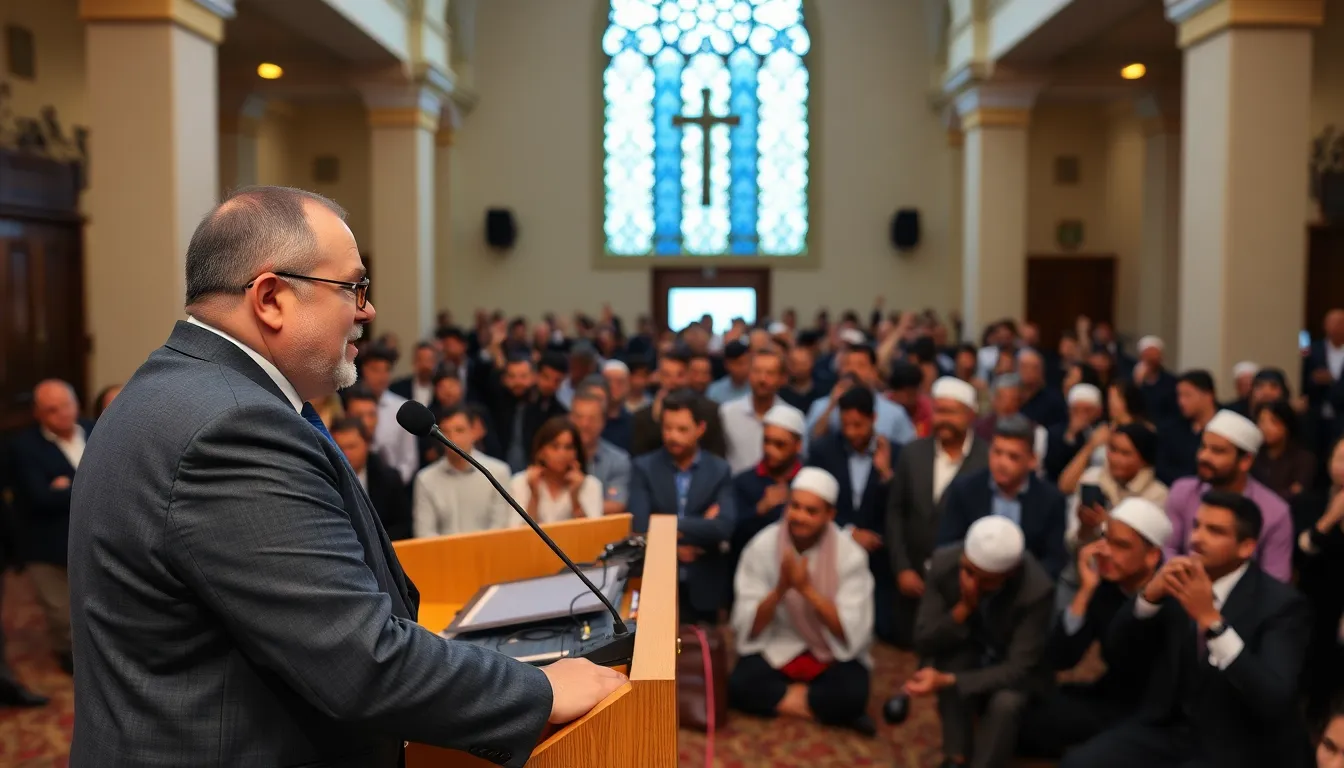
In recent years, Australia has seen a rise in political discourse surrounding immigration and multiculturalism, often influenced by global events and domestic policies. The Muslim community, in particular, has found itself at the center of debates regarding national identity and social cohesion. Incidents of discrimination and Islamophobia have prompted calls for greater inclusivity and understanding, making events like the Ramadan gatherings essential in fostering dialogue and breaking down barriers, as noted in discussions surrounding national identity.
The heckling of the Prime Minister during a Ramadan event in Sydney reflects broader tensions within Australian society. This incident underscores the frustrations felt by some community members regarding government policies and their perceived lack of support for multiculturalism. It serves as a reminder of the complexities involved in balancing political agendas with the needs and sentiments of diverse communities. Such events can become flashpoints for expressing dissatisfaction with political leadership and policies that are seen as exclusionary or insensitive.
Key milestones in community relations
Historically, Australia has experienced various milestones that have shaped its approach to multiculturalism. The introduction of the Racial Discrimination Act in 1975 marked a significant step towards protecting the rights of individuals from racial vilification. However, subsequent events, such as the rise of anti-immigrant sentiment and the implementation of stricter immigration policies, have challenged this progress. The heckling incident at the mosque can be viewed as a culmination of these ongoing tensions, reflecting a community grappling with its place in a rapidly changing social landscape.
Key stakeholders and underlying issues surrounding the event
The recent heckling of Australia’s Prime Minister at a Ramadan event in Sydney has highlighted several key stakeholders and the complex issues that surround them. The main actors in this situation include the Prime Minister, the Muslim community, local government authorities, and broader Australian society. Each of these stakeholders has distinct interests and concerns that contribute to the unfolding narrative.
Firstly, the Prime Minister represents the federal government and is tasked with maintaining public order and fostering community relations. His interest lies in promoting inclusivity and demonstrating support for multiculturalism, especially during significant cultural events like Ramadan. However, the heckling indicates a disconnect between government actions and community sentiments, raising questions about the effectiveness of current policies aimed at integration and support for minority groups.
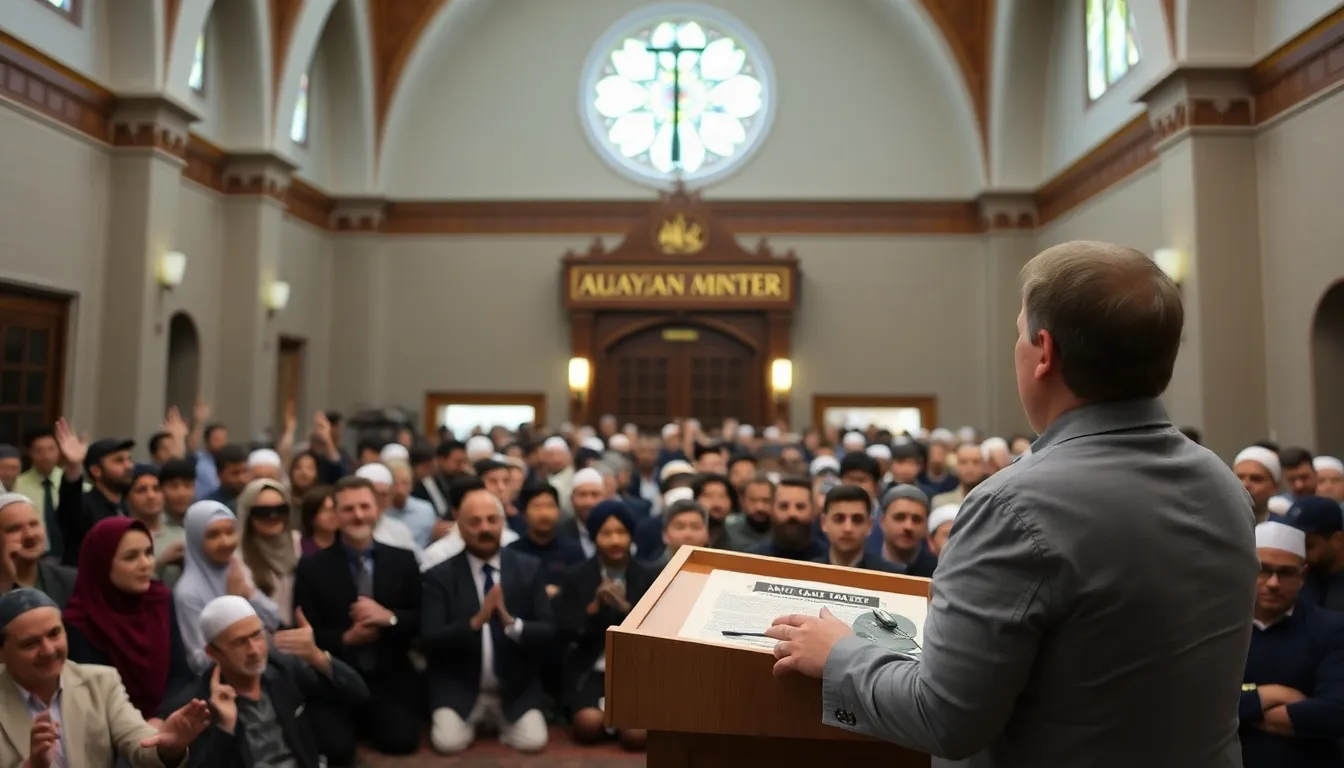
The Muslim community, particularly those attending the mosque event, has a vested interest in being heard and respected. Their response to the Prime Minister, marked by heckling, reflects frustrations regarding perceived neglect or misrepresentation of their issues within the political sphere. This incident underscores a broader struggle for recognition and rights among minority groups in Australia, highlighting the ongoing tensions surrounding immigration, religious freedom, and social cohesion.
Local government authorities also play a critical role in this scenario, as they are responsible for managing community relations and ensuring public safety during events. Their challenge lies in balancing the interests of diverse community groups while also addressing any potential unrest that may arise from political actions or public sentiments. This requires navigating complex legal frameworks regarding freedom of speech and assembly, which can sometimes clash with the need for maintaining order.
- Public Sentiment: The incident reflects a growing discontent among certain community segments towards government policies.
- Legal Implications: Freedom of speech versus the need for respectful discourse during public events poses legal challenges.
- Community Relations: The event may strain relationships between the government and minority communities, impacting future policy discussions.
- Political Repercussions: The heckling could influence public opinion and political capital for the Prime Minister and his party.
- Social Cohesion: The incident raises questions about the state of social cohesion in a multicultural society like Australia.
Reactions from the community and potential political ramifications
The recent heckling of Australia’s Prime Minister at a Ramadan event in Sydney has sparked significant reactions across various community groups, particularly among Muslim Australians and political commentators. The incident has highlighted underlying tensions regarding government policies and their impact on multicultural communities, which may influence public sentiment and voter behavior in upcoming elections.
In the short term, local businesses, especially those catering to the Muslim community, may experience fluctuations in customer engagement. Events like Ramadan are typically a time for increased patronage, but the negative publicity surrounding the Prime Minister’s visit could deter some community members from participating in similar events or supporting businesses associated with them. Additionally, this incident may prompt a reevaluation of local security measures at community events to ensure safety and comfort for attendees.
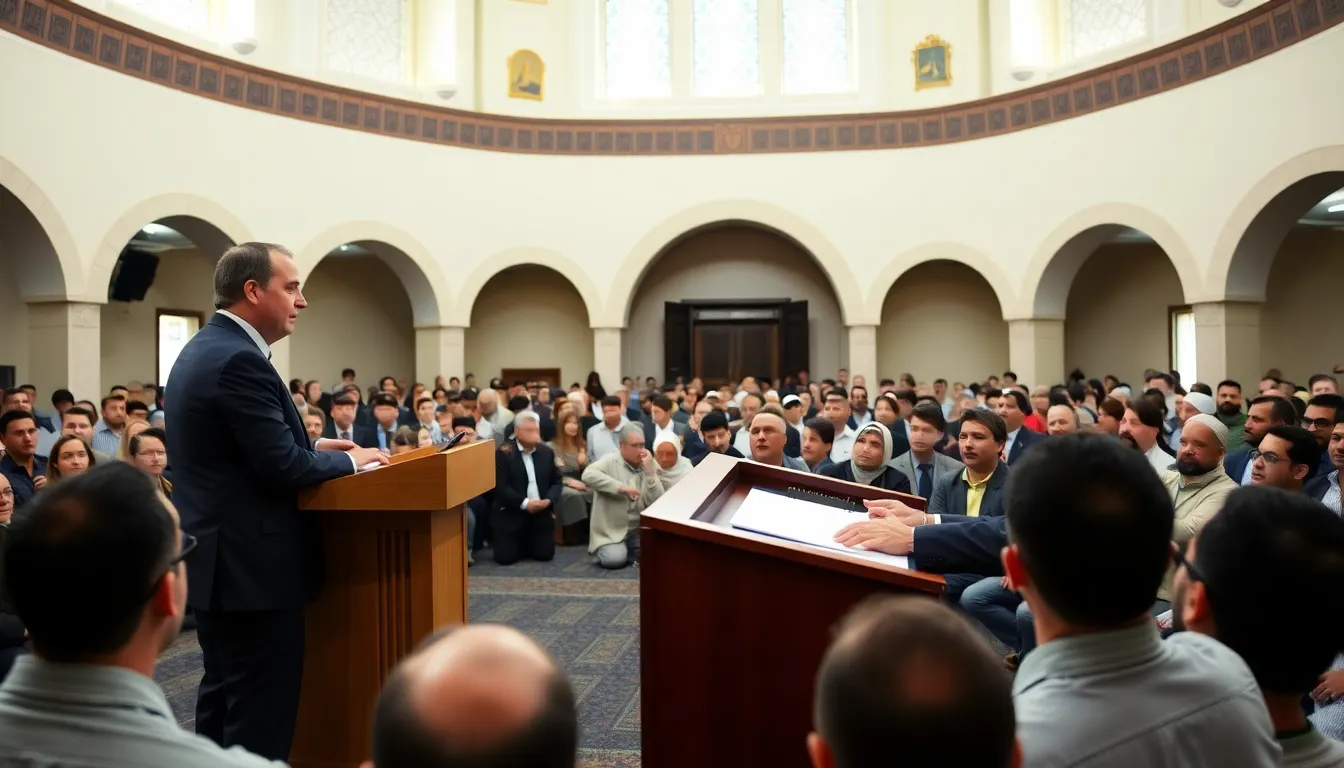
In the mid-term, the political ramifications could lead to a shift in policy focus, particularly regarding immigration and community relations. The government may feel pressured to address concerns raised by the Muslim community, potentially resulting in new initiatives aimed at fostering inclusivity. However, there is also a risk of backlash from other groups who may perceive such initiatives as preferential treatment, leading to further polarization.
- Community Impact: Increased tensions among multicultural groups.
- Business Impact: Potential decline in patronage for local businesses during Ramadan.
- Policy Impact: Possible shift towards more inclusive government initiatives.
- Security Concerns: Heightened security measures at community events.
Despite the risks, there are opportunities for dialogue and engagement between the government and the Muslim community. This incident could serve as a catalyst for constructive conversations about representation and policy, potentially leading to stronger community relations and a more cohesive approach to multiculturalism in Australia.
A: The heckling stemmed from community frustrations regarding government policies and perceived neglect of local issues. A: The Prime Minister acknowledged the concerns raised but emphasized the importance of dialogue and understanding. A: This incident may strain relations between the government and the Muslim community, highlighting the need for improved communication. A: The heckling could impact public perception and voter sentiment, especially in areas with significant Muslim populations. A: The government has indicated plans to engage more actively with community leaders to address ongoing issues.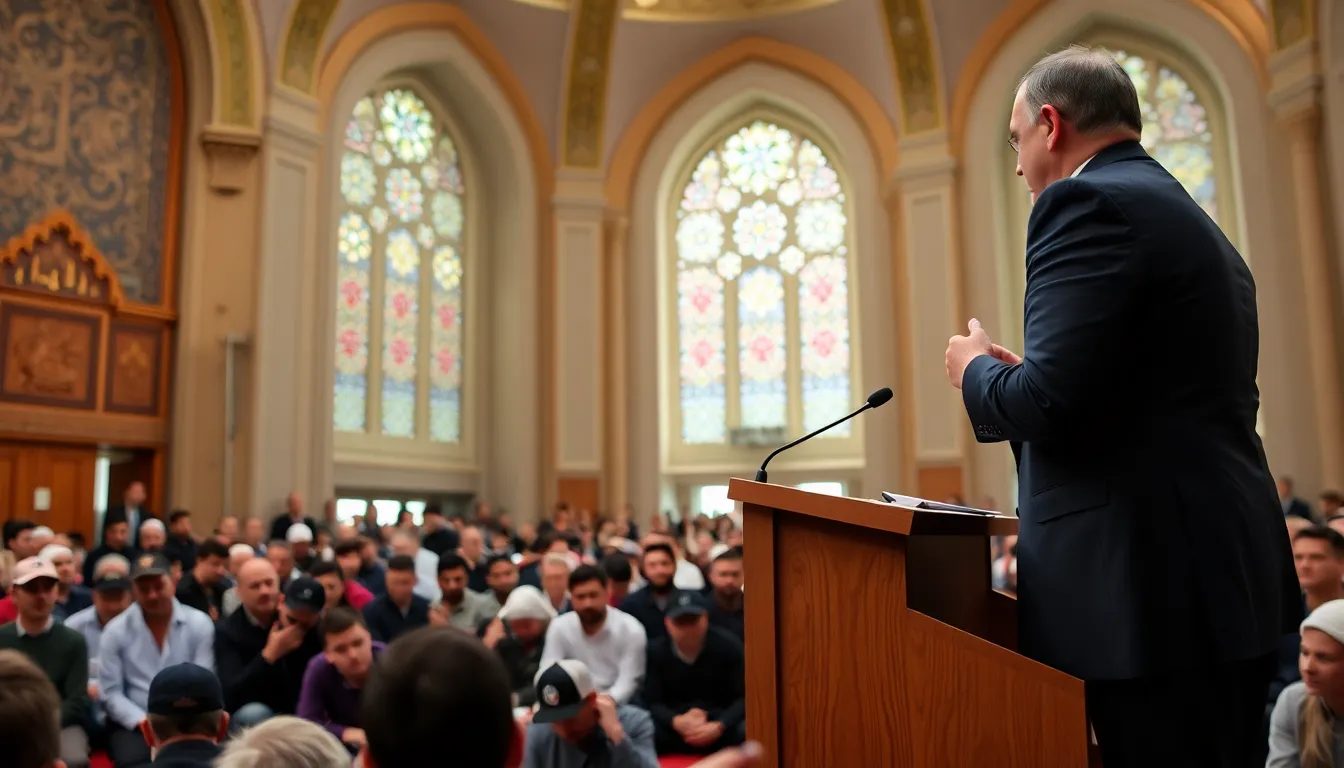
Frequently asked questions about the incident
Key takeaways and future implications for community relations
The recent incident involving Australia’s Prime Minister being heckled at a Ramadan event in Sydney highlights the ongoing tensions between political leadership and community sentiments, particularly within multicultural settings. This event serves as a reminder of the importance of dialogue and understanding in fostering positive relationships among diverse groups in Australia.
As the nation navigates its multicultural landscape, the reactions to such incidents will likely shape future political engagements and community outreach efforts. It is essential for leaders to remain attuned to the voices of all constituents, ensuring that their policies and actions reflect a commitment to inclusivity and respect.
- Increased focus on community engagement initiatives by political leaders to address concerns directly.
- Potential rise in grassroots movements advocating for better representation of minority voices in politics.
- Heightened scrutiny of government policies affecting multicultural communities, leading to potential policy reforms.
- Opportunities for interfaith dialogue and collaboration to bridge gaps between communities.
- Monitoring public sentiment as a key factor in shaping future electoral strategies and campaigning approaches.