
The arrests were made under the auspices of the Australian Federal Police (AFP) and the Australian Security Intelligence Organisation (ASIO), who have been closely monitoring individuals returning from conflict zones. The women, aged between 25 and 30, are suspected of having participated in activities supporting Islamic State, which has been designated a terrorist group by the Australian government.
This incident highlights ongoing challenges faced by Australia in managing the risks associated with returnees from overseas conflicts. Authorities are now tasked with assessing the threat posed by these individuals, as well as the broader implications for community safety. The situation has sparked a renewed debate about the effectiveness of counter-terrorism measures and the reintegration of former combatants into society.
The Australian government has emphasized its commitment to maintaining public safety while also adhering to legal processes. As investigations continue, the focus remains on ensuring that any potential threats are addressed, while also considering the rights of those detained. This case is part of a larger pattern of arrests linked to individuals returning from conflict zones, indicating a persistent issue within the realm of national security.
The background of Australian citizens joining extremist groups
In recent years, Australia has witnessed a concerning trend of its citizens traveling to conflict zones, particularly Syria and Iraq, to join extremist groups such as the Islamic State (IS). This phenomenon can be traced back to the rise of IS in the early 2010s, when the group capitalized on the chaos of the Syrian civil war and the instability in Iraq to establish a self-declared caliphate, attracting foreign fighters from around the world, including Australia.
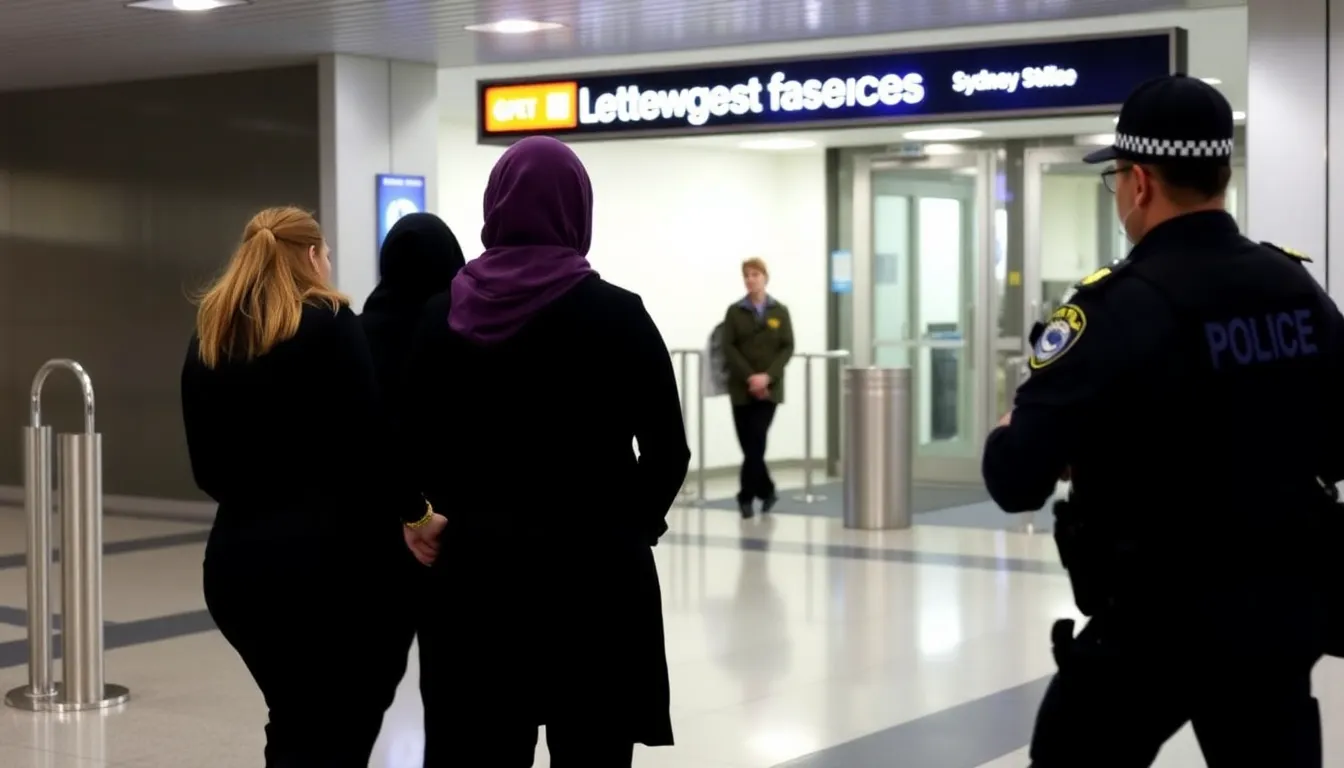
The motivations behind these individuals joining such groups are complex and multifaceted. Many are driven by ideological beliefs, seeking to participate in what they perceive as a holy war. Others are influenced by social factors, such as a sense of belonging or camaraderie with like-minded individuals. The allure of adventure and the romanticized notion of fighting for a cause also play significant roles in their decision-making process.
Australia’s response to this issue has evolved over the years, marked by key legislative changes aimed at countering the threat posed by returning foreign fighters. In 2014, the Australian government raised its terrorism threat level and implemented measures to prevent citizens from traveling to conflict zones, including legal provisions allowing for the cancellation of passports and monitoring of individuals suspected of planning to join extremist groups.
Key milestones in counter-terrorism efforts
Several high-profile cases have highlighted the challenges faced by Australian authorities in managing the return of foreign fighters. The arrests of individuals linked to IS have prompted discussions about the effectiveness of rehabilitation programs and the need for comprehensive strategies to reintegrate returnees into society. The ongoing debate surrounding national security, civil liberties, and the balance between prevention and rehabilitation continues to shape Australia’s approach to this pressing issue.
Examining the implications for national security and community safety
The recent arrest of three women linked to the Islamic State upon their return from Syria has raised significant concerns among various stakeholders, including government agencies, law enforcement, and local communities. These arrests highlight the ongoing challenges Australia faces in managing the risks associated with returning foreign fighters and their associates.
One of the primary actors in this scenario is the Australian government, which has a vested interest in maintaining national security and public safety. The government must balance the need to uphold the rule of law and human rights with the imperative to protect citizens from potential threats posed by individuals with extremist ties.
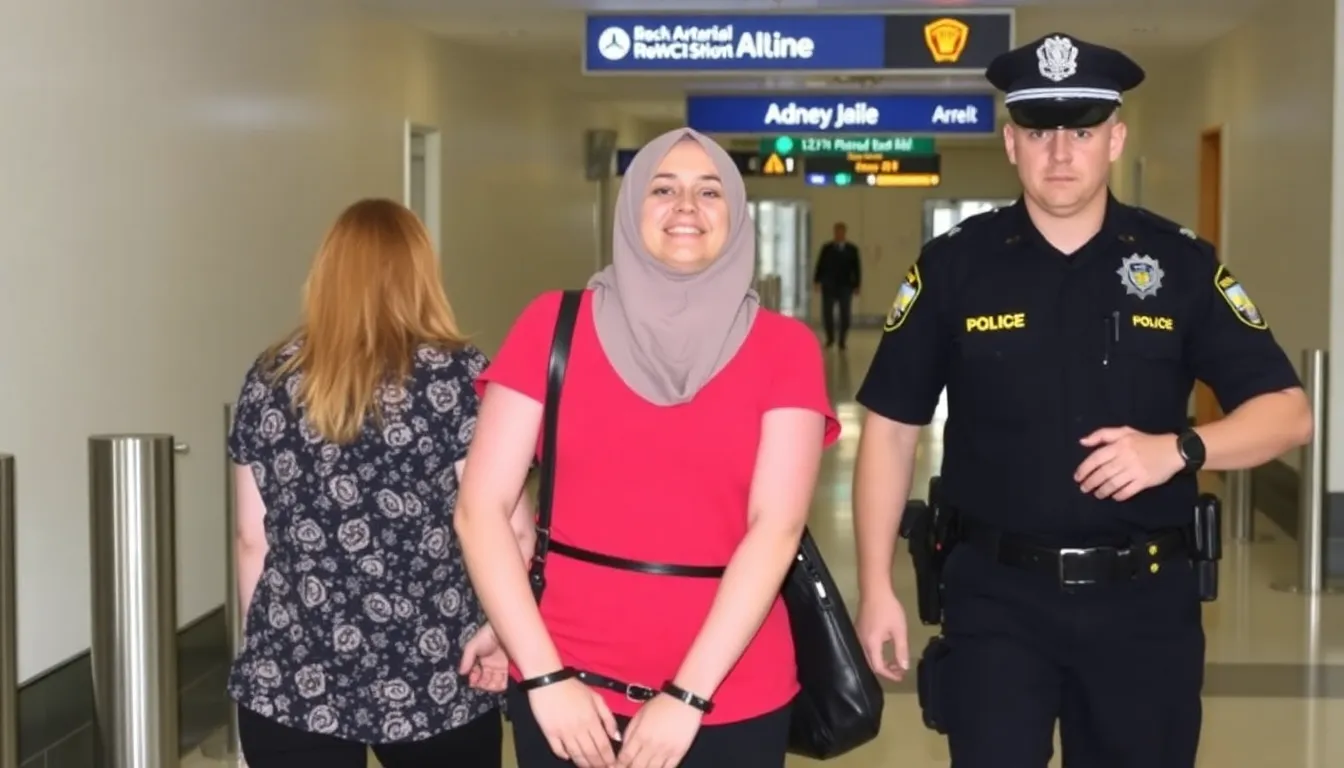
Law enforcement agencies, including the Australian Federal Police, are also key players in this situation. Their role involves not only the apprehension of individuals suspected of terrorism-related activities but also the implementation of preventive measures to deter future incidents. This includes monitoring and rehabilitation programs aimed at reintegrating former extremists into society, which presents its own set of challenges.
- Community Concerns: Local communities may experience heightened anxiety about safety and security, leading to potential stigmatization of returned individuals and their families.
- Legal Framework: The legal implications of these arrests involve navigating complex anti-terrorism laws and ensuring that due process is followed, which can be contentious.
- International Relations: The arrests may affect Australia’s diplomatic relations with countries in the Middle East, particularly those from which these individuals returned.
- Public Sentiment: There is a risk of public backlash against perceived leniency towards returnees, which could influence future policy decisions.
- Resource Allocation: Law enforcement and government agencies may need to allocate additional resources to address the potential rise in domestic extremism.
Overall, the situation underscores the complex interplay of national security, legal considerations, and community dynamics that Australian authorities must navigate in addressing the challenges posed by returning foreign fighters and their networks.
The potential consequences for local communities and law enforcement
The recent arrest of three women linked to the Islamic State upon their return from Syria has significant implications for local communities in Australia. These events not only raise concerns about national security but also affect the social fabric of neighborhoods that may harbor returning individuals with extremist ties, as highlighted in discussions about the challenges faced by communities. Communities may experience heightened anxiety and fear, leading to increased vigilance and potential stigmatization of certain groups.
Law enforcement agencies are likely to face immediate pressures as they navigate the complexities of monitoring and managing individuals associated with extremist organizations. This can lead to an increase in resource allocation for surveillance and community outreach programs aimed at preventing radicalization. The need for enhanced training and coordination among various law enforcement branches will also be crucial in addressing the potential threats posed by returning foreign fighters.
In the short term, businesses in affected areas may see fluctuations in customer behavior, as some individuals may avoid places perceived as being associated with returning extremists. This could lead to economic impacts, particularly in sectors like retail and hospitality. Conversely, there may be opportunities for industries focused on security, such as cybersecurity firms and private security services, to expand their offerings in response to heightened concerns.
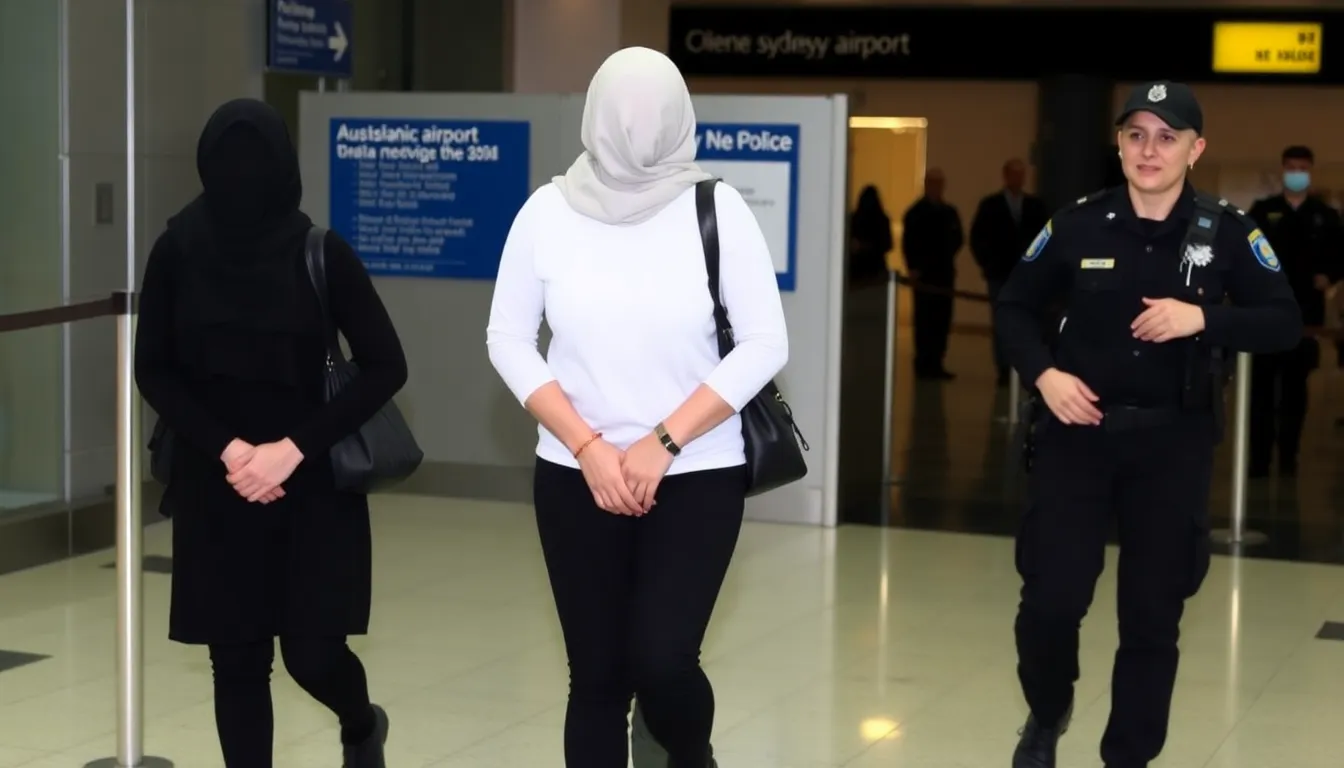
- Increased law enforcement activity: Greater presence and engagement in communities to ensure safety.
- Potential economic impact: Changes in consumer behavior affecting local businesses.
- Opportunities for security firms: Demand for enhanced security solutions may rise.
- Community engagement: Initiatives aimed at fostering trust and resilience may emerge.
In the mid-term, the ongoing discourse surrounding these arrests could influence public policy, particularly in areas related to immigration, counter-terrorism, and community integration. Policymakers may prioritize initiatives that address the root causes of radicalization and promote social cohesion. This could lead to the development of programs focusing on education and community support, creating a more inclusive environment for all residents.
A: The women were arrested due to their links to the Islamic State and concerns about their potential threat to national security upon returning from Syria. A: They may face charges related to terrorism, including supporting a terrorist organization and other related offenses. A: This incident may prompt a review of Australia’s counter-terrorism strategies and policies regarding returning foreign fighters. A: Various government and non-government organizations offer support programs aimed at preventing radicalization and promoting community resilience. A: The Australian government maintains a strict approach towards returning fighters, emphasizing the need for public safety and legal accountability.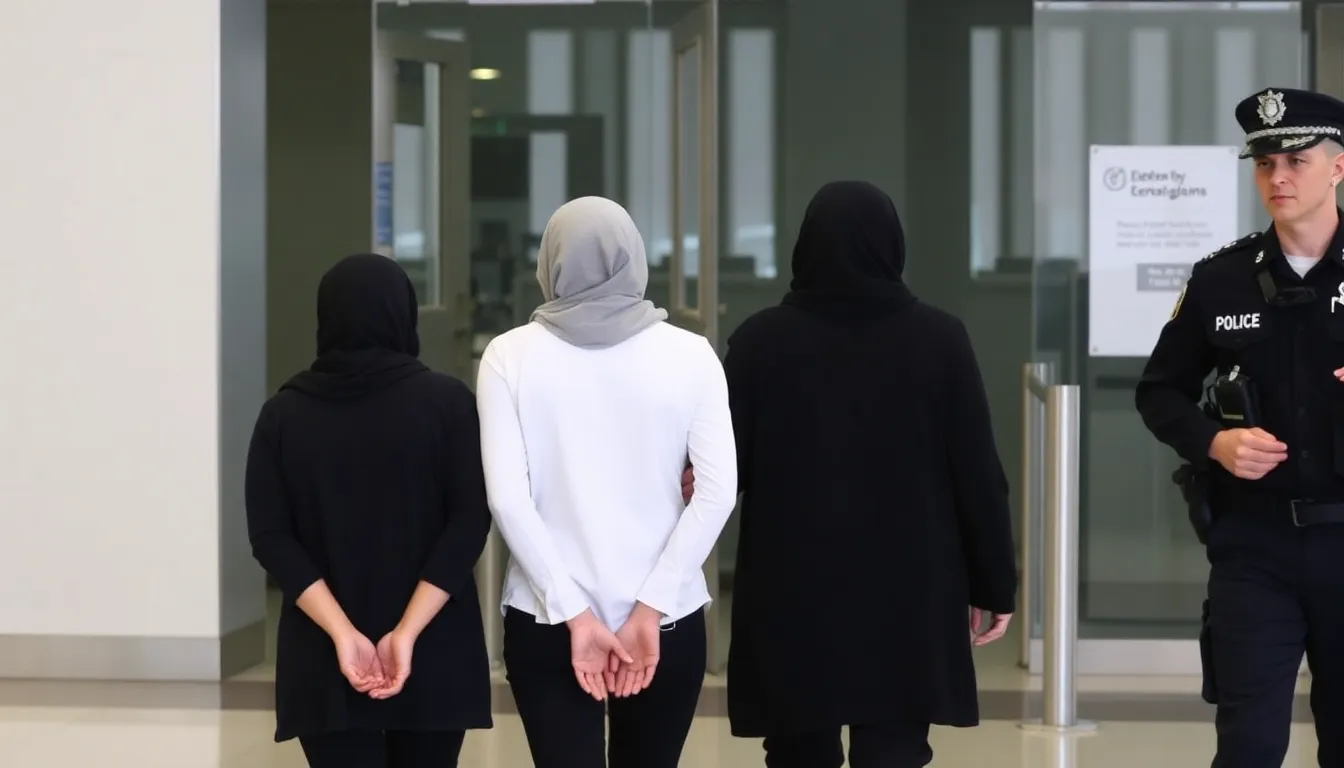
Frequently asked questions about the arrests
Key takeaways and future implications of the arrests
The recent arrests of three women linked to the Islamic State upon their return from Syria highlight ongoing concerns regarding domestic security and the challenges of reintegration for individuals with extremist ties. These developments may prompt a reevaluation of counter-terrorism strategies and community safety measures, as authorities grapple with the implications of returning foreign fighters and their associates.
As Australia continues to navigate the complexities of radicalization and extremism, it is crucial to monitor the legal proceedings and potential outcomes of these cases. The responses from both government and community organizations will play a significant role in shaping public perception and policy moving forward.
- Increased scrutiny on returnees from conflict zones may lead to enhanced monitoring and support programs.
- Legal ramifications could set precedents for future cases involving individuals with extremist affiliations.
- Community engagement initiatives may become pivotal in preventing radicalization and fostering social cohesion.
- The situation underscores the need for ongoing dialogue about the balance between security and civil liberties.
- Future policy adjustments may focus on rehabilitation efforts for those who have been radicalized.