
During the outbreak, a total of 12 individuals were confirmed to have contracted the hantavirus, with three fatalities reported. Health authorities swiftly implemented containment measures, including quarantine protocols and extensive testing, to prevent further spread of the virus. The rapid response was crucial in managing the situation and ensuring the safety of those on board and the surrounding communities.
The W.H.O. emphasized the importance of ongoing surveillance and preparedness for future outbreaks, highlighting that hantaviruses can pose serious health risks. The agency also noted that the outbreak underscored the need for enhanced communication and collaboration between international health organizations and local authorities to effectively address emerging infectious diseases.
As of now, all affected individuals have received appropriate medical care, and the ship is undergoing thorough sanitation processes before resuming its voyages. The incident serves as a reminder of the potential dangers associated with zoonotic diseases and the necessity for vigilance in monitoring and controlling such outbreaks in the future.
Understanding the background of the MV Hondius hantavirus outbreak
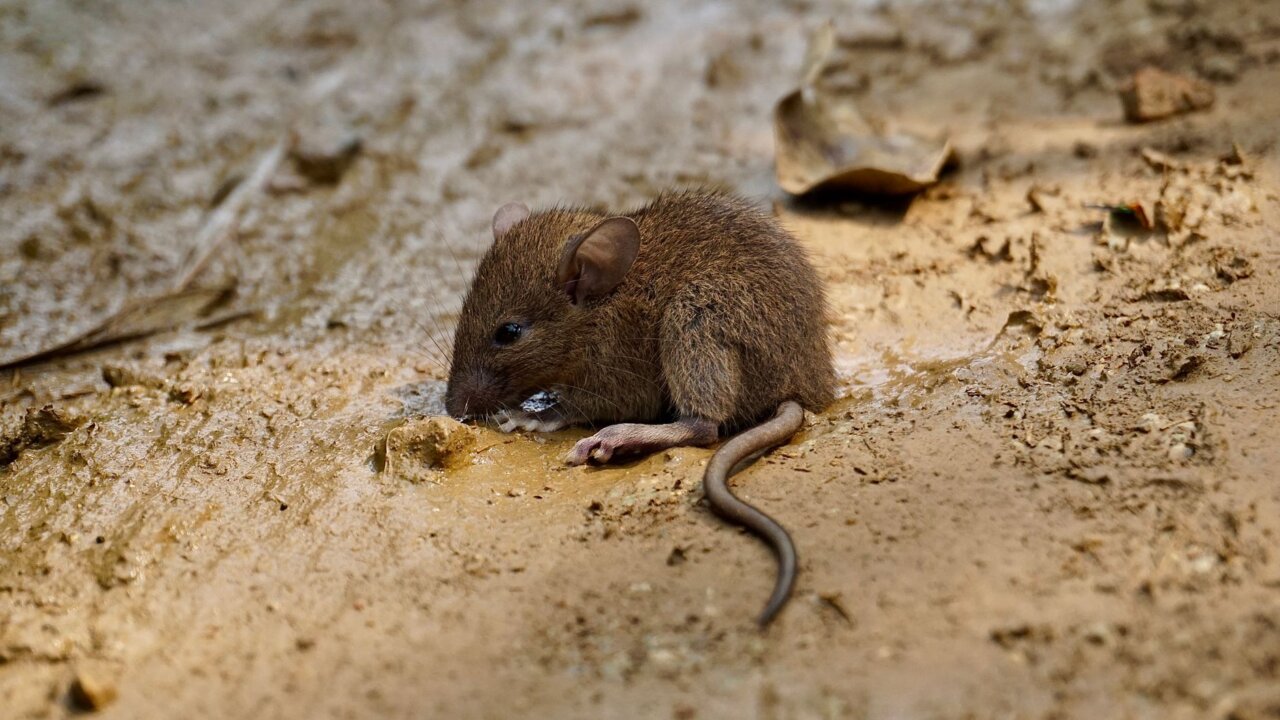
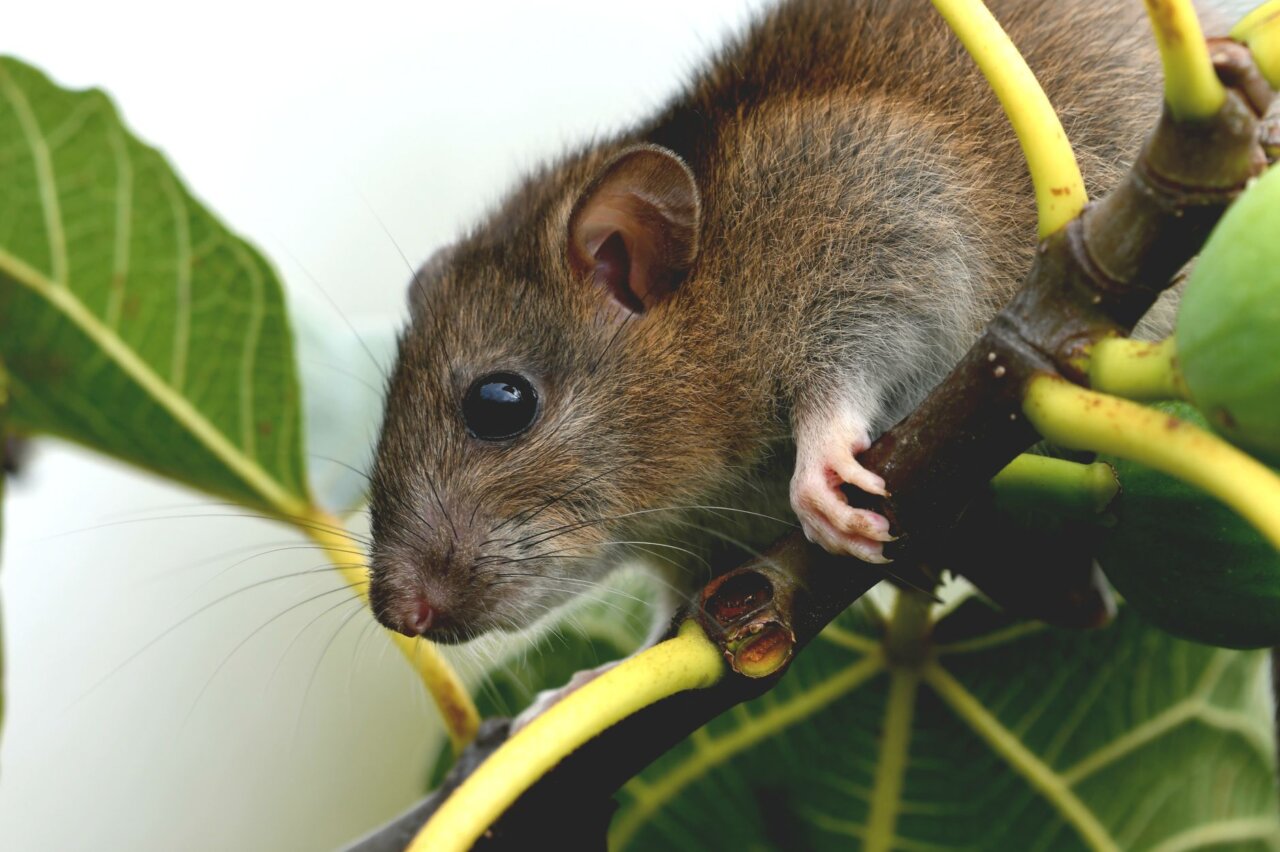
The MV Hondius hantavirus outbreak serves as a stark reminder of the complex interplay between human activity and emerging infectious diseases. Hantaviruses, primarily transmitted by rodent populations, have been documented since the 1950s, with outbreaks linked to environmental changes, such as deforestation and urbanization, which increase human-rodent interactions. The MV Hondius, a polar expedition vessel, became the epicenter of this outbreak, highlighting how travel and tourism can inadvertently facilitate the spread of zoonotic diseases.
Historically, hantavirus outbreaks have been associated with specific ecological conditions. The Sin Nombre virus, discovered in the United States in the early 1990s, was linked to a surge in deer mouse populations following an increase in rainfall. Similarly, the MV Hondius outbreak was exacerbated by unique environmental factors in the region, including climate variations and changes in rodent behavior. These ecological insights underscore the importance of monitoring wildlife populations and their habitats to predict potential outbreaks.
The Role of Global Travel and Tourism
The rise of global travel and tourism has significantly impacted the transmission dynamics of infectious diseases. The MV Hondius, operating in remote areas, attracted a diverse group of passengers, raising concerns about the potential spread of hantavirus beyond its initial outbreak zone. The World Health Organization (WHO) has emphasized the need for robust surveillance systems and health protocols in the tourism sector to mitigate such risks. This incident has prompted discussions on how to balance tourism with public health safety, particularly in vulnerable ecological regions.
In response to the outbreak, health authorities implemented immediate containment measures, including contact tracing and health screenings for passengers and crew. The WHO’s declaration that the outbreak is over reflects successful interventions and the importance of rapid response in controlling infectious diseases. However, the incident serves as a critical case study for future preparedness, highlighting the need for ongoing research into the ecological factors that drive hantavirus transmission and the role of human behavior in disease outbreaks.
Key stakeholders and issues surrounding the outbreak’s management
The recent outbreak of the Hantavirus associated with the MV Hondius has drawn attention from various stakeholders, each with distinct interests and concerns. The World Health Organization (W.H.O.) has played a central role in coordinating the global response, focusing on public health safety and the dissemination of accurate information. Their primary interest lies in controlling the outbreak and preventing future occurrences, which involves collaboration with national health authorities and local communities.

Governments of countries affected by the outbreak have a vested interest in managing the health crisis to protect their citizens and maintain public trust. They face the challenge of balancing immediate health responses with economic considerations, as measures to contain the virus may impact tourism and trade. Additionally, local health departments are often on the front lines, tasked with implementing W.H.O. guidelines while addressing community concerns and misinformation.
Another key stakeholder is the scientific community, which seeks to understand the virus’s transmission dynamics and develop effective prevention strategies. Researchers and epidemiologists are focused on studying the outbreak’s origins and patterns, which can inform future public health policies. However, conflicts may arise between scientific recommendations and political decisions, particularly when economic pressures influence health policy.
- Public Health Agencies: Focus on outbreak containment and health education.
- Local Communities: Concerned about health risks and economic impact on local businesses.
- International Organizations: Aim for global health security and coordinated response efforts.
- Researchers: Need access to data and support for studies on the virus.
- Governments: Balancing health measures with economic stability and public perception.
Legal issues also play a role in the management of the outbreak. Liability concerns may arise if public health measures are deemed insufficient or if there are failures in communication regarding risks. Moreover, the enforcement of health regulations can lead to tensions between individual rights and collective safety measures. These complexities underscore the importance of a well-coordinated response that considers both health and legal frameworks.
The impact of the outbreak on local populations and health systems
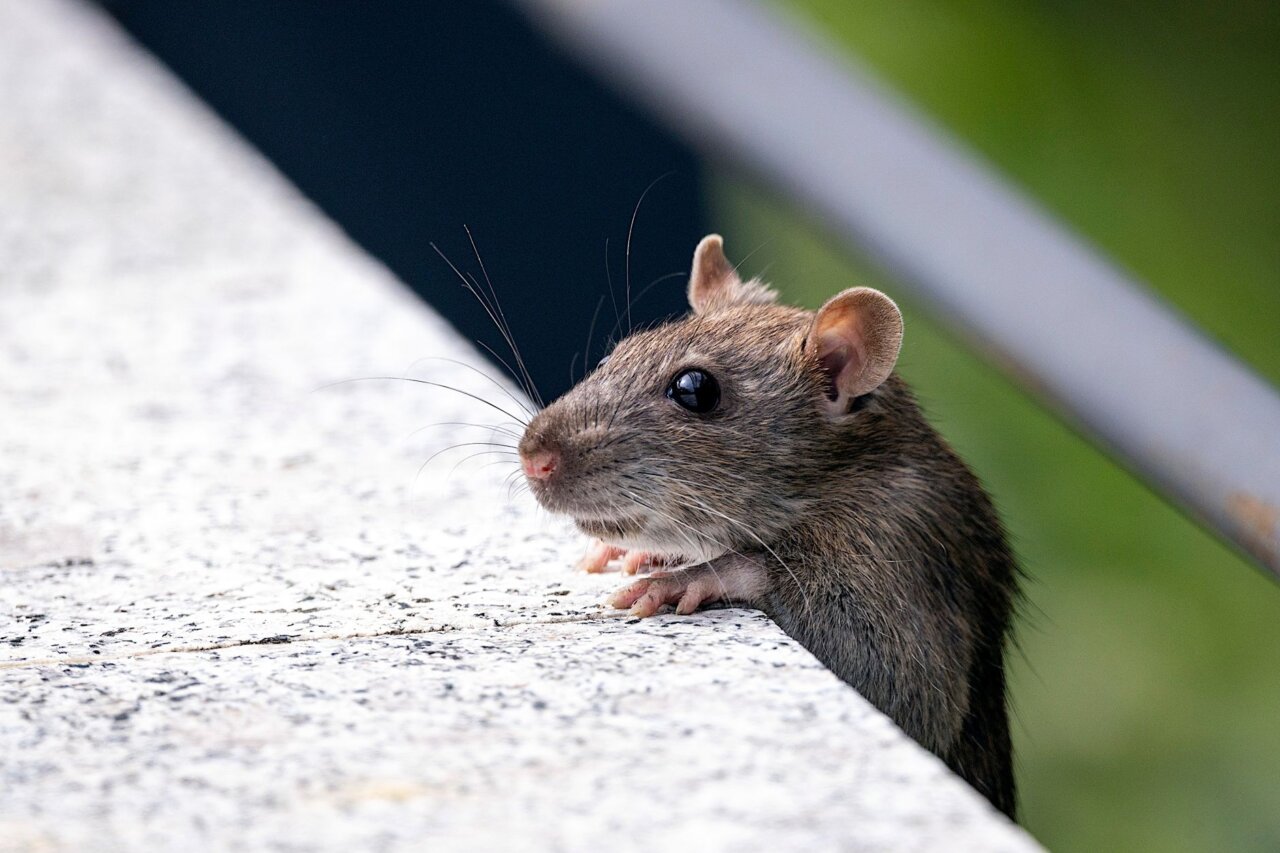
The recent outbreak of the MV Hondius Hantavirus has left a significant mark on various communities, particularly in rural areas where rodent populations are more prevalent. Vulnerable groups, including the elderly and those with pre-existing health conditions, have been disproportionately affected. The heightened fear and health risks have led to increased anxiety and stress among local populations, impacting their overall well-being.
Industries such as agriculture and tourism have also felt the repercussions. Farmers, already struggling with supply chain issues, faced additional challenges due to labor shortages caused by illness and fear of contagion. Similarly, the tourism sector, which relies heavily on outdoor activities in regions prone to rodent exposure, has seen a decline in visitors, adversely affecting local economies.
In the short term, daily life has been disrupted as communities implement stricter health measures and awareness campaigns to combat the virus. Schools and public spaces have had to adapt by enhancing sanitation protocols and educating the public on prevention strategies. In the mid-term, there may be policy shifts towards more robust public health infrastructure to prepare for future outbreaks, leading to potential funding increases for health services.

- Health Risks: Increased incidence of hantavirus infections, particularly among high-risk populations.
- Economic Impact: Declines in agricultural productivity and tourism revenue.
- Policy Changes: Potential for new health regulations and increased funding for public health initiatives.
- Community Awareness: Heightened awareness of zoonotic diseases and their prevention.
While the outbreak presents significant challenges, it also opens doors for innovation in public health strategies and community resilience. The focus on prevention and education may lead to long-term benefits in health outcomes and economic stability as communities learn to adapt and respond more effectively to health crises.
A: Hantavirus is a viral infection transmitted primarily through rodent droppings, urine, or saliva. It can cause severe respiratory issues in humans. A: During the MV Hondius outbreak, several cases were reported, but the exact number has varied as the situation evolved. A: Authorities implemented strict health protocols, including quarantine measures and public health education to prevent further transmission. A: Yes, the outbreak may have long-term impacts on public health policies and community awareness regarding hantavirus and similar diseases. A: Individuals should avoid contact with rodents, ensure proper sanitation, and seek medical attention if they experience symptoms associated with hantavirus.
Frequently asked questions about the hantavirus outbreak
Key takeaways and future outlook on hantavirus management
The recent declaration by the World Health Organization that the deadly MV Hondius hantavirus outbreak is over marks a significant milestone in global health management. However, this situation underscores the necessity for ongoing vigilance and preparedness against future outbreaks. Understanding the factors that contributed to this outbreak provides valuable lessons for public health officials and communities alike.
As we move forward, it is crucial to enhance surveillance systems, promote public awareness about hantavirus transmission, and invest in research for effective treatments and vaccines. The interconnection between environmental factors and disease emergence highlights the importance of a holistic approach to health that encompasses both human and ecological well-being.
- Strengthening surveillance and rapid response systems is essential to detect and control future hantavirus outbreaks.
- Public education campaigns can significantly reduce the risk of hantavirus transmission by informing communities about prevention measures.
- Research into vaccines and treatments for hantavirus should be prioritized to mitigate the impact of potential future outbreaks.
- Collaboration between health agencies and environmental organizations can help address the ecological factors contributing to disease emergence.
- Continued monitoring of rodent populations and their habitats will be vital in preventing future hantavirus incidents.