
The incident occurred around 3 PM local time when the plane struck the building, which houses several offices and residential units. Fortunately, initial reports indicate that there were no fatalities among the building’s occupants, although several individuals sustained minor injuries during the chaotic evacuation that followed the crash.
This event has raised significant concerns regarding aviation safety and security protocols in urban areas. Authorities are currently investigating the circumstances surrounding the crash, including the pilot’s background and any potential mental health issues that may have influenced his decision. The incident has also sparked discussions about the regulations governing small aircraft operations near densely populated regions.
In a statement, local officials emphasized the importance of understanding the underlying causes of such incidents to prevent future occurrences. As investigations continue, the story is drawing attention not only for its dramatic nature but also for the broader implications it poses for urban safety and aviation regulations in China.
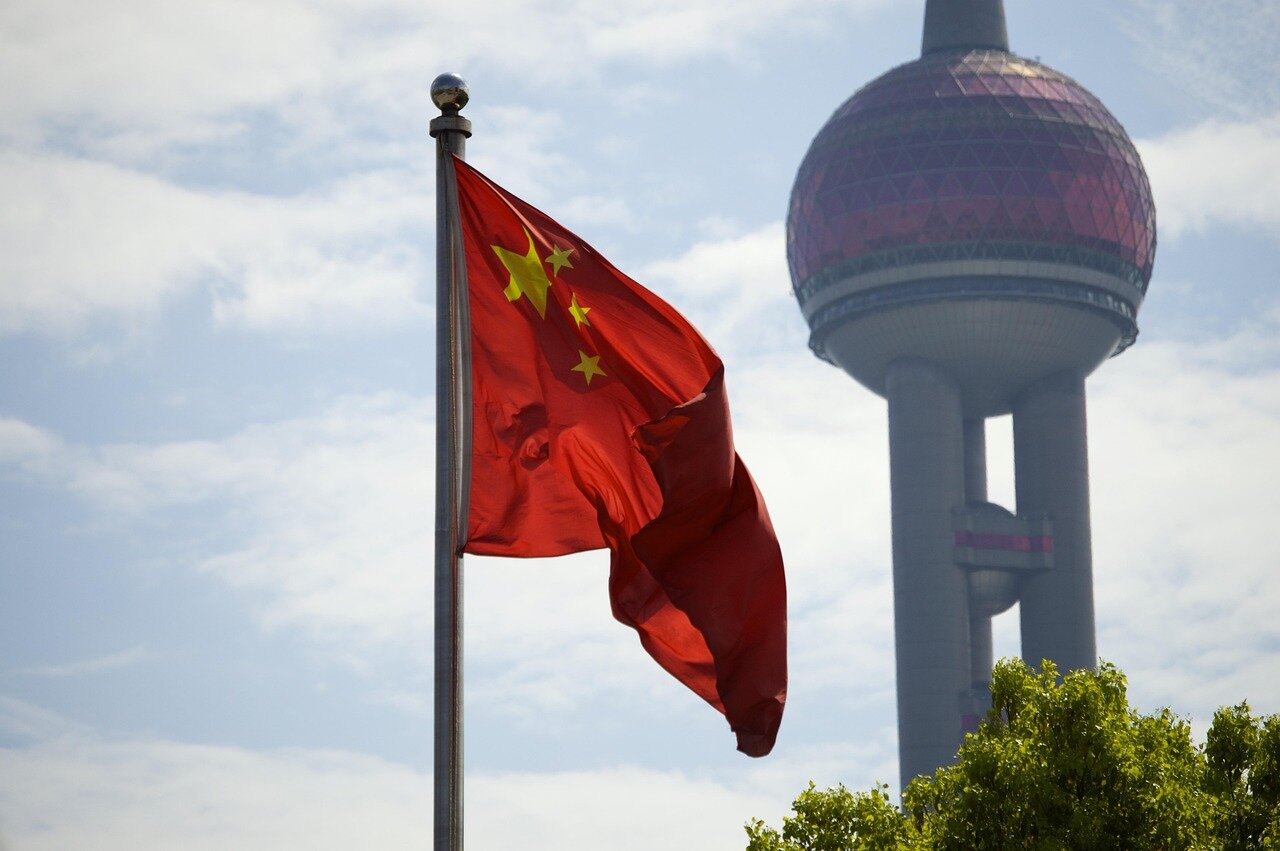
Understanding the circumstances surrounding the crash
The recent incident involving a small plane crashing into a skyscraper in China has raised significant concern and curiosity among the public. This event is not just a standalone occurrence; it reflects a complex interplay of historical, political, and social factors that have shaped aviation safety and urban security in the country. The pilot’s claim of acting for ‘personal reasons’ adds another layer of intrigue, prompting questions about individual mental health and the regulatory environment surrounding private aviation in China.
Historically, China’s rapid urbanization has led to the construction of numerous high-rise buildings, particularly in major cities like Beijing and Shanghai. This urban landscape has evolved alongside significant economic growth, which has increased air traffic and the presence of private aircraft. However, the country’s aviation regulations have struggled to keep pace with this growth, leading to concerns about safety protocols and the psychological evaluation of pilots. The incident has reignited discussions about the adequacy of these regulations and the need for stricter oversight.
The Role of Mental Health in Aviation
The mental health of pilots has become a focal point in discussions about aviation safety worldwide. Past incidents, including the tragic Germanwings flight crash in 2015, have highlighted the potential dangers posed by pilots suffering from mental health issues. In China, where societal stigma around mental health remains prevalent, the lack of open dialogue and support can exacerbate these problems. The pilot’s actions in this case may reflect a broader issue that needs to be addressed within the aviation industry, particularly regarding the support systems available for individuals in high-pressure roles.
Moreover, the Chinese government’s approach to handling crises has often involved a mix of transparency and control. While officials have provided information about the crash, there is also a tendency to manage public perception carefully. This incident may lead to increased scrutiny of both the pilot’s background and the broader implications for aviation safety in China, prompting potential reforms in how mental health is addressed among pilots.

As the investigation unfolds, it is essential to consider the historical context of aviation in China, the socio-political climate surrounding mental health, and the regulatory frameworks that govern air travel. Understanding these elements will be crucial in comprehending the full implications of this tragic event and preventing similar occurrences in the future.
Examining the implications of the pilot’s actions
The recent incident involving a small plane crashing into a skyscraper in China has raised significant concerns among various stakeholders, including government authorities, aviation organizations, and the general public. The pilot’s assertion that the crash was motivated by ‘personal reasons’ adds layers of complexity to the situation, prompting a closer examination of the underlying issues, including aviation regulations that govern air travel.
Key actors in this scenario include the Chinese government, which is responsible for ensuring public safety and maintaining order; aviation regulatory bodies that oversee air traffic and safety protocols; and the families of those affected by the crash, who may seek accountability and answers. Each of these stakeholders has distinct interests that may conflict with one another.
Among the primary issues at play are:

- Public Safety: The incident raises questions about the safety measures in place for both aviation and urban environments, leading to potential regulatory changes.
- Legal Accountability: Determining the pilot’s liability and whether mental health factors played a role can lead to complex legal proceedings.
- Economic Impact: The crash could have repercussions for local businesses and the aviation sector, affecting insurance claims and economic stability.
- Media Sensation: The incident has drawn significant media attention, which may influence public perception and government response.
- Psychological Factors: Understanding the pilot’s motivations could lead to discussions about mental health support within high-stress professions.
As investigations unfold, the interplay between these stakeholders and the various issues will shape the narrative surrounding the incident. The need for a balanced approach that considers the interests of all parties involved will be crucial in addressing the aftermath of this tragic event.
The potential effects on public safety and aviation regulations
The recent incident involving a small plane crashing into a skyscraper in China has raised significant concerns regarding public safety and aviation regulations. Various groups, including local residents, business owners, and aviation authorities, are likely to feel the repercussions of this event. The aviation industry, in particular, may face increased scrutiny as regulators assess existing safety protocols and procedures.
In the short term, urban areas near the crash site may experience heightened security measures and a temporary sense of unease among residents. Local businesses could see a dip in foot traffic as people become more cautious about safety in high-rise buildings. Additionally, emergency services and law enforcement will be on high alert, potentially diverting resources away from other community needs.
Mid-term impacts may include revisions to aviation regulations, particularly concerning small aircraft operations in urban environments. Authorities might implement stricter licensing requirements for pilots and enhanced oversight of flight paths in densely populated areas. This could lead to a downturn in recreational flying activities, affecting flight schools and small aircraft rental companies.

- Public Safety: Increased anxiety among residents in urban areas.
- Aviation Regulations: Potential tightening of regulations for small aircraft.
- Business Impact: Local businesses may experience reduced customer traffic.
- Emergency Services: Strain on resources as security measures are heightened.
While the risks are significant, there may also be opportunities for innovation in safety technologies and urban planning. Companies specializing in aviation safety equipment could see increased demand for their products, and urban developers might explore new designs for skyscrapers that enhance safety features. Additionally, this incident may spark discussions on the integration of drones and other aerial vehicles, leading to advancements in regulations and technology that could benefit the industry in the long run.
A: The pilot stated that the crash was motivated by personal reasons, although specific details have not been disclosed. A: Initial reports indicate that there were no casualties, but investigations are ongoing to assess any potential injuries. A: The Chinese government has launched an investigation into the crash and is reviewing aviation safety protocols. A: This incident raises serious concerns about aviation safety and may lead to stricter regulations and oversight in the industry. A: While aviation incidents are relatively rare in China, this crash highlights the need for continuous monitoring and improvement in safety measures.
Frequently asked questions about the incident
Key takeaways and future outlook on aviation safety
The recent incident involving a pilot crashing a small plane into a skyscraper in China raises significant concerns regarding aviation safety and mental health in the industry. While the motivations behind such actions are still being investigated, the implications for regulatory bodies, airlines, and mental health support systems are profound. This event underscores the necessity for enhanced protocols to identify and address potential risks associated with pilot mental health.
As the aviation sector continues to recover from the impacts of the pandemic, it is crucial to prioritize safety measures that encompass not only technical and operational standards but also the psychological well-being of those operating aircraft. The industry must remain vigilant in adapting to emerging challenges and ensuring that all stakeholders are equipped to handle similar situations in the future.
- Increased focus on mental health: Airlines may need to implement more robust mental health screening and support programs for pilots and crew members.
- Regulatory scrutiny: Aviation authorities may enhance regulations surrounding pilot assessments to prevent similar incidents.
- Public perception: The incident could lead to heightened public concern regarding aviation safety, prompting airlines to improve communication and transparency.
- Training protocols: There may be a push for revising training protocols to better prepare pilots for handling personal crises.
- Technological advancements: The industry might explore new technologies for monitoring pilot behavior and mental health indicators in real-time.