
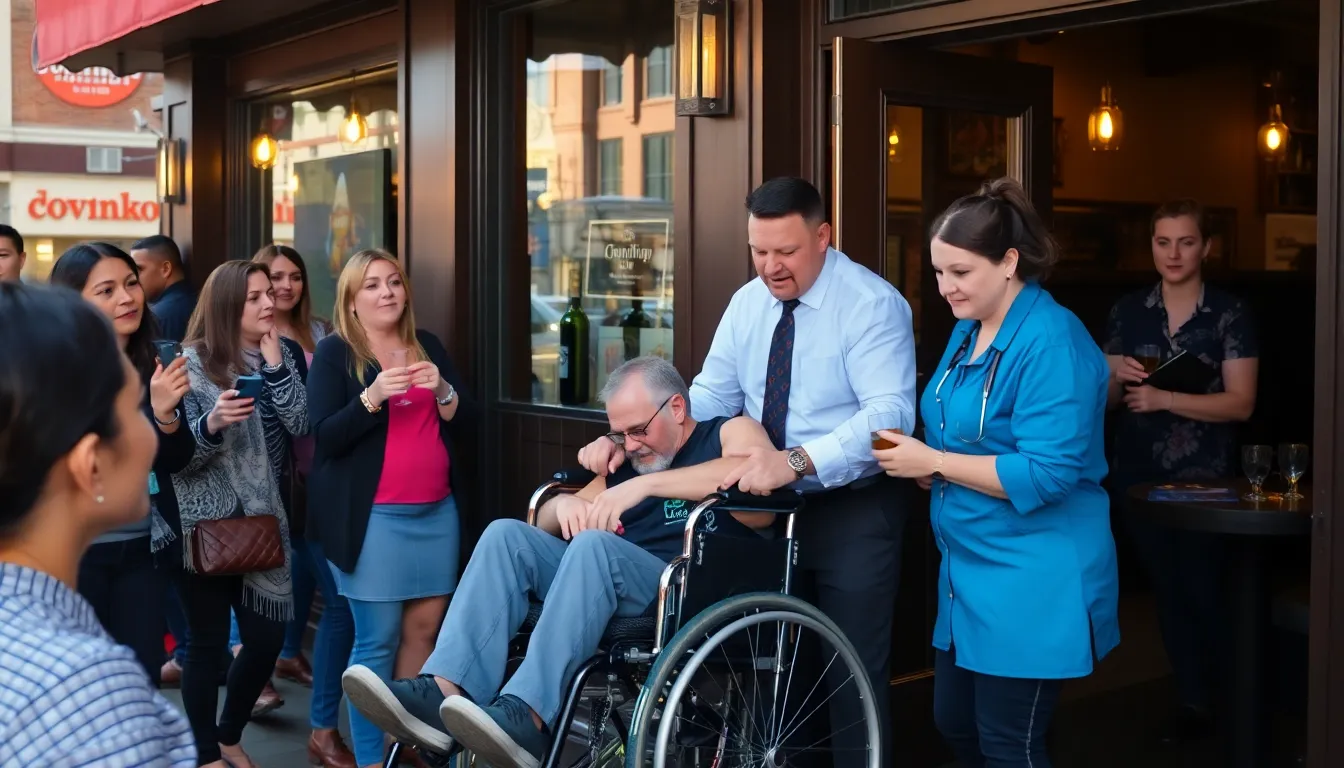
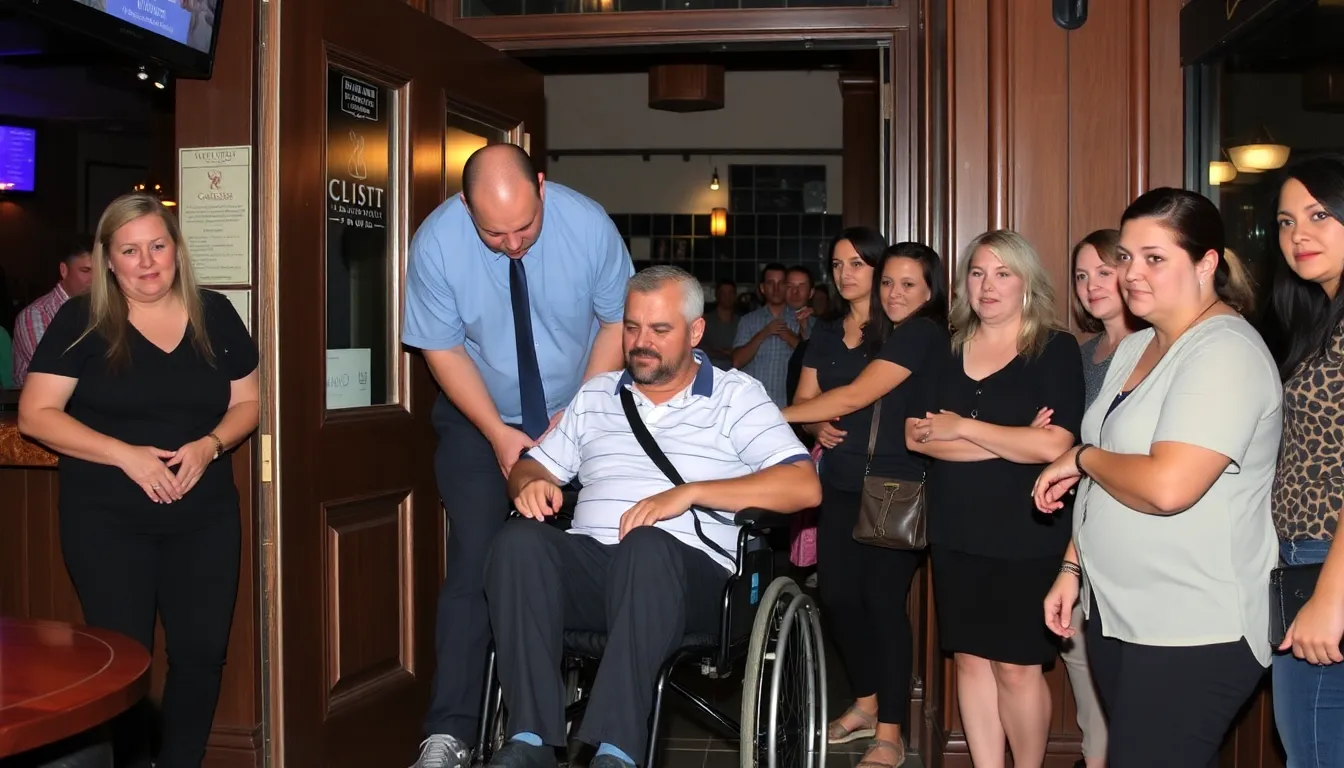
Witnesses reported that the individual was enjoying an evening out when staff members informed them that their wheelchair was not permitted in the establishment. This action not only violated the patron’s rights but also raised questions about the bar’s compliance with the Americans with Disabilities Act (ADA), which mandates that public spaces be accessible to all individuals.
The bar’s management has since issued a statement claiming that the removal was a misunderstanding, attributing it to a lack of awareness regarding accessibility policies. However, many advocates argue that such incidents reveal a deeper systemic issue regarding the treatment of individuals with disabilities in public spaces.
As discussions continue online and in local forums, this incident serves as a reminder of the importance of creating inclusive environments. The situation has prompted calls for increased training for staff in hospitality settings to ensure that all patrons feel welcome and respected, regardless of their mobility needs.
Understanding the challenges faced by individuals with disabilities in public venues
In recent years, the conversation surrounding accessibility for individuals with disabilities has gained momentum, yet many still face significant barriers in public spaces. The Americans with Disabilities Act (ADA), enacted in 1990, was a landmark legislation aimed at eliminating discrimination against individuals with disabilities and ensuring their right to access public venues.
Historically, societal attitudes towards individuals with disabilities have been shaped by stigma and misunderstanding. This has contributed to a culture where accessibility is often viewed as an afterthought rather than a necessity. Economic factors also play a role; many small businesses struggle to afford the modifications required to meet accessibility standards, which can lead to a reluctance to accommodate individuals with disabilities. This financial strain can result in a lack of awareness or disregard for the legal obligations imposed by the ADA.
Key milestones in the fight for disability rights include the establishment of organizations advocating for accessibility and the passage of various laws aimed at protecting these rights. Notable events, such as the 504 Sit-in in 1977, where activists occupied federal buildings to demand enforcement of Section 504 of the Rehabilitation Act, highlight the ongoing struggle for equitable treatment. Such actions have paved the way for greater awareness and, ultimately, policy changes, yet many challenges remain.
The impact of social attitudes on accessibility
Social attitudes towards disability can significantly influence the implementation of accessibility measures in public venues. Negative perceptions can perpetuate discrimination, resulting in environments that are unwelcoming or hostile to individuals with disabilities. Awareness campaigns and advocacy efforts are crucial in changing these attitudes, fostering a more inclusive society where everyone has the right to participate fully in public life.
Examining the stakeholders involved in accessibility issues
In the case of individuals facing discrimination due to accessibility barriers, such as being denied entry to a bar because of a wheelchair, several key stakeholders play a significant role. These include the affected individuals, bar owners, local governments, advocacy groups, and the general public. Each of these actors has distinct interests and perspectives on the issue of accessibility.
Individuals who use wheelchairs or have other disabilities are primarily concerned with their right to access public spaces without facing discrimination. Their interests revolve around equality, inclusion, and the ability to enjoy social activities without barriers. This group often finds themselves advocating for their rights and seeking legal recourse when faced with discrimination.
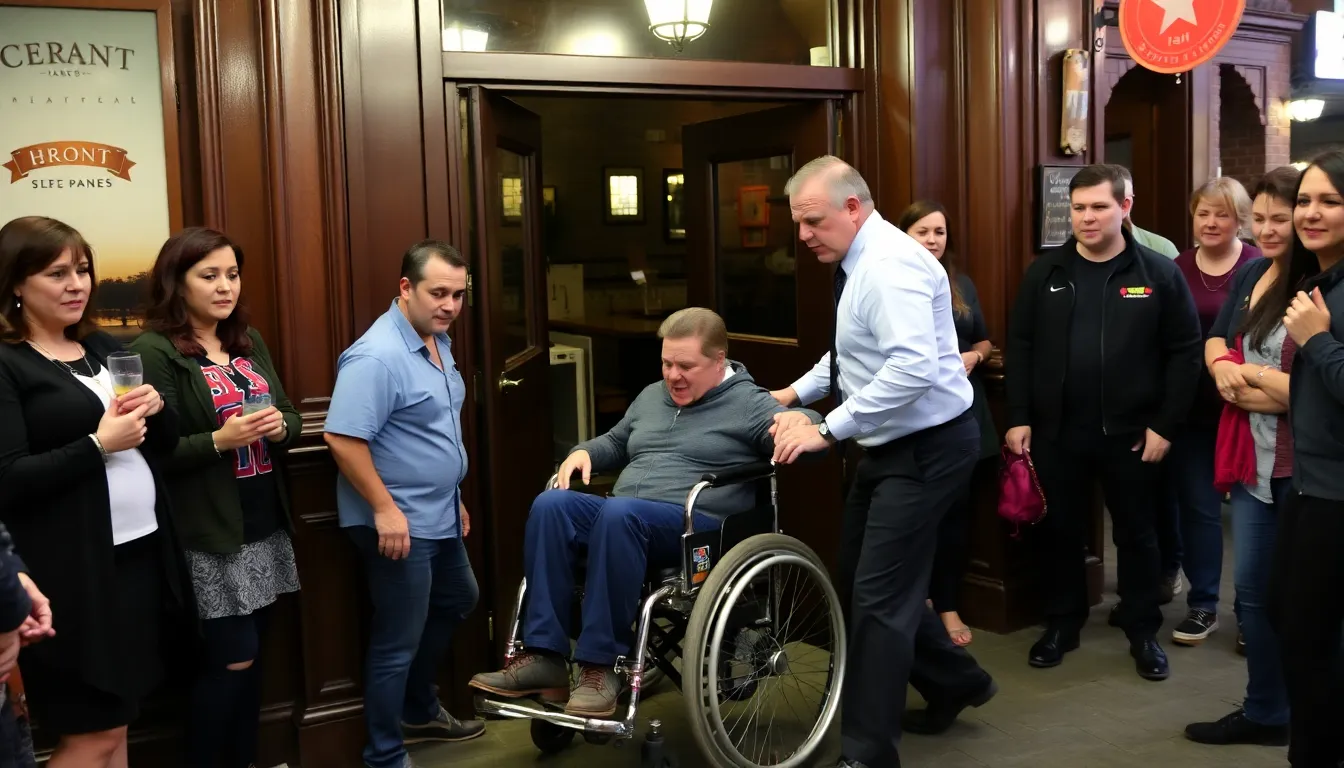
Bar owners and managers have a vested interest in maintaining their business while also complying with local accessibility laws. They may face conflicts between the costs associated with making their establishments accessible and the potential loss of customers due to accessibility issues. Some may argue that retrofitting facilities can be financially burdensome, leading to trade-offs between profitability and compliance.
Local governments are responsible for enforcing accessibility regulations and ensuring that public spaces are compliant with laws such as the Americans with Disabilities Act (ADA). They face the challenge of balancing economic growth and business interests with the need for inclusivity.
- Legal issues: Discrimination against individuals with disabilities can lead to lawsuits and fines for businesses that fail to comply with accessibility laws.
- Economic considerations: Bar owners must weigh the costs of making their establishments accessible against potential profits from a broader customer base.
- Advocacy efforts: Disability advocacy groups play a crucial role in raising awareness and pushing for stronger enforcement of accessibility standards.
- Public perception: The general public’s views on disability rights can influence business practices and local government policies.
- Social responsibility: Businesses are increasingly recognizing their role in promoting inclusivity, which can enhance their reputation and customer loyalty.
The broader implications for the disabled community and public establishments
The incident of being kicked out of a bar due to a wheelchair highlights significant challenges faced by individuals with disabilities. This situation not only affects the individuals directly involved but also has broader implications for various groups, including the disabled community, public establishments, and society at large.
In the short term, individuals with disabilities may experience feelings of exclusion and discrimination, leading to a decrease in their participation in social activities. Public establishments, on the other hand, risk losing potential customers and facing negative publicity, which can impact their reputation and revenue. The incident may also prompt immediate discussions around accessibility standards and the need for better training for staff in handling such situations.
In the mid-term, the ramifications could lead to increased advocacy for policy changes that enforce stricter accessibility regulations for public spaces. Businesses may be compelled to invest in better facilities and training, which could improve their customer base and enhance brand loyalty among consumers who value inclusivity. However, there are risks involved; establishments that fail to adapt may face legal repercussions and a decline in patronage.
- Increased awareness of accessibility issues in public spaces.
- Potential for policy reforms to improve disability rights.
- Economic impact on businesses that do not comply with accessibility standards.
- Opportunities for businesses to enhance their image by embracing inclusivity.
- Risks of backlash from the disabled community against non-compliant establishments.
Ultimately, the incident serves as a catalyst for broader discussions about inclusivity and the responsibility of public establishments to cater to all members of society, fostering a more equitable environment for everyone.
A: Individuals with disabilities are protected under the Americans with Disabilities Act, which mandates accessibility in public accommodations. This includes ensuring that facilities are accessible to those using wheelchairs. A: Bars can improve accessibility by ensuring proper wheelchair access, providing adequate seating options, and training staff on how to assist patrons with disabilities. A: If someone faces discrimination, they should document the incident, report it to management, and consider filing a complaint with local authorities or advocacy groups. A: Yes, there are numerous organizations dedicated to promoting accessibility and advocating for the rights of individuals with disabilities, such as the National Council on Independent Living. A: Accessibility is crucial for businesses as it not only complies with legal requirements but also expands their customer base and fosters an inclusive environment.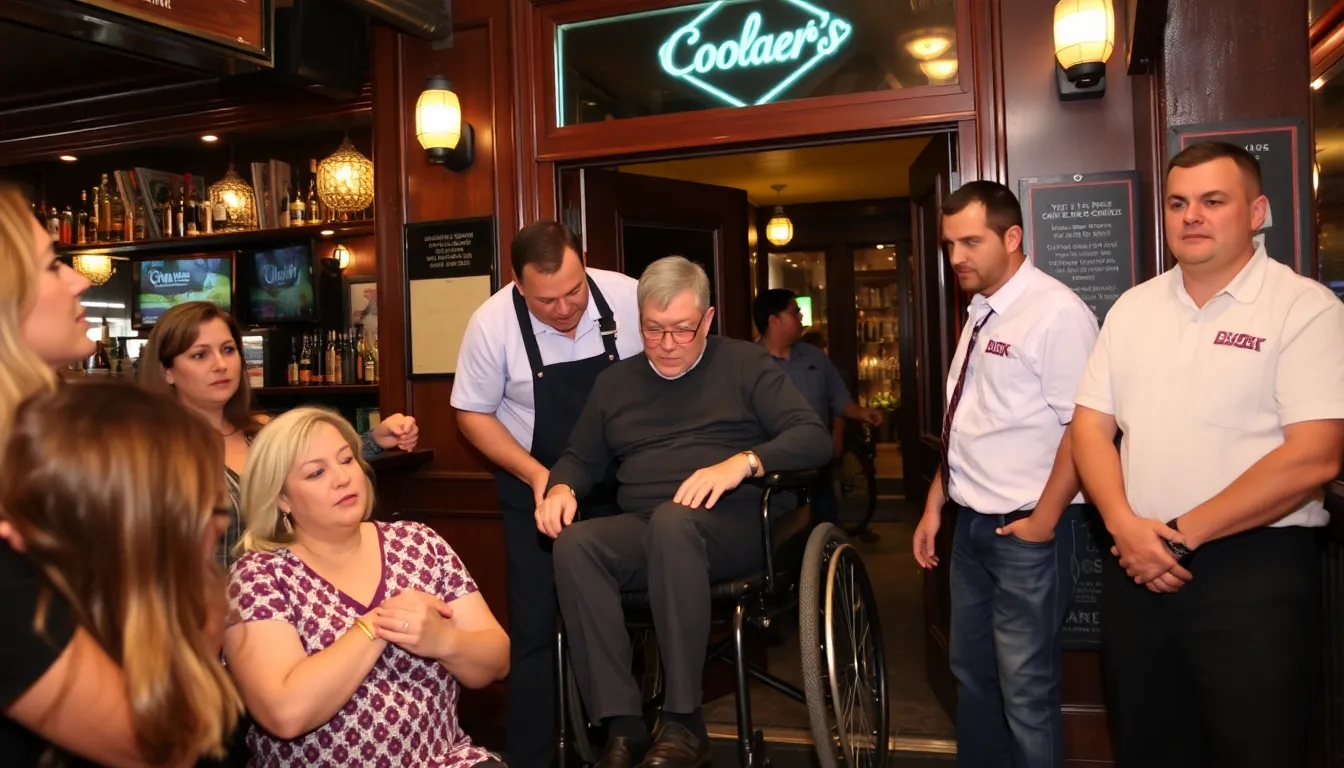
Frequently Asked Questions about wheelchair accessibility in bars
Key takeaways and future outlook on accessibility in nightlife
The experiences shared highlight significant gaps in accessibility within nightlife venues, a sector often overlooked in discussions about inclusivity. The incident of being denied entry due to the presence of a wheelchair underscores the urgent need for bars and clubs to reassess their policies and physical environments to ensure they cater to all patrons.
As society becomes increasingly aware of the importance of inclusivity, nightlife establishments must adapt to meet the needs of individuals with disabilities. This shift not only promotes equality but also expands their customer base, fostering a more diverse and vibrant atmosphere.
- Nightlife venues should conduct regular accessibility audits to identify and rectify barriers for patrons with disabilities.
- Training staff on inclusivity and disability awareness can enhance customer service and create a welcoming environment.
- Engaging with the disabled community for feedback can lead to more effective and meaningful changes in venue policies and infrastructure.
- Implementing clear communication about accessibility options can help patrons feel more comfortable and informed when planning their visits.
- Legislative support for accessibility standards can drive compliance and encourage venues to prioritize inclusivity in their operations.