
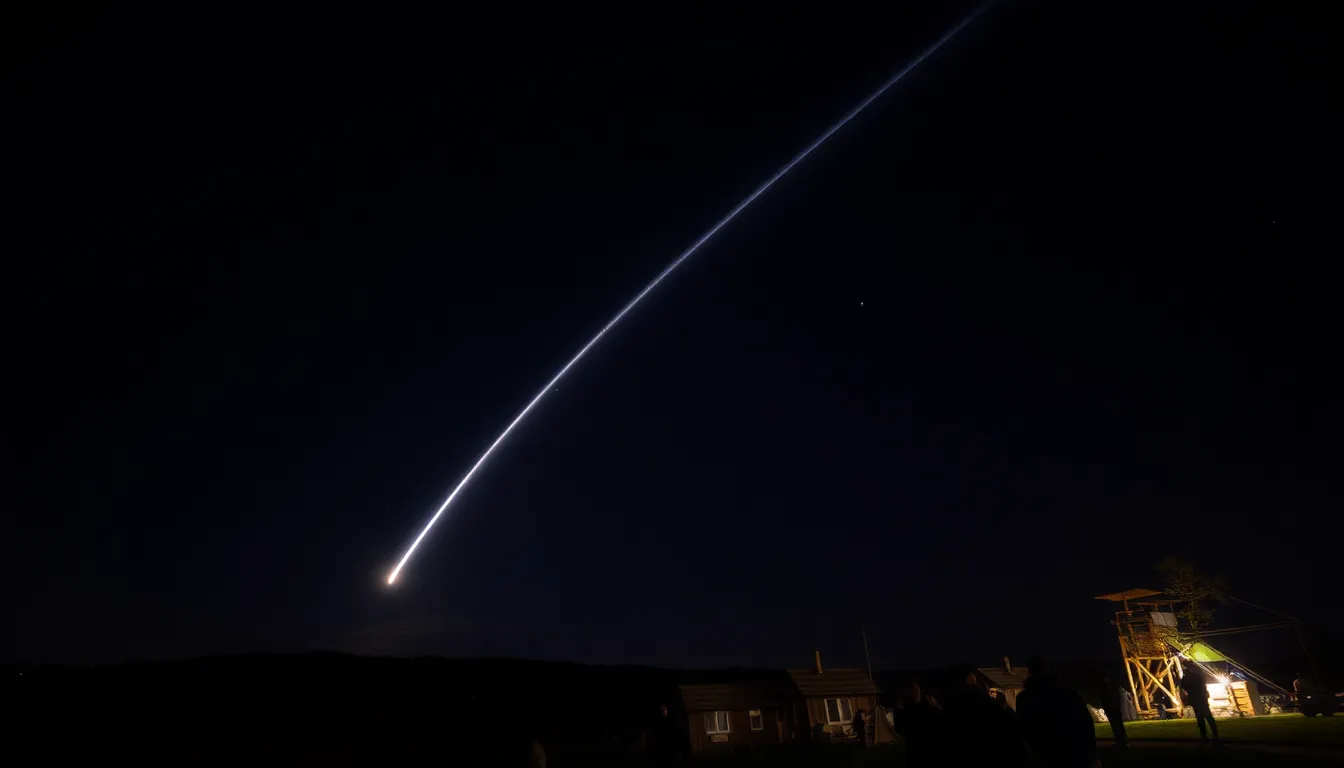
The meteor, believed to be part of the annual Orionid meteor shower, was particularly notable for its brightness and visibility across multiple states, including Texas, Oklahoma, and Arkansas. The Orionids, which peak in mid-October, are known for their fast-moving meteors and are caused by debris from Halley’s Comet. This year’s display has been enhanced by favorable weather conditions, allowing for clearer skies.
These occurrences help researchers understand more about the composition of meteoroids and their behavior as they enter Earth’s atmosphere, similar to the insights gained in economic studies that analyze different forces at play.
As the videos circulate on social media, they have generated discussions about the importance of public engagement with astronomy and the natural phenomena occurring around us. Events like this not only captivate the public’s imagination but also encourage a greater appreciation for the universe and our place within it. The excitement surrounding this meteor sighting is a reminder of the wonders of space that can often go unnoticed in everyday life.
Understanding the phenomenon of meteors and their visibility
Meteors, often referred to as “shooting stars,” are the bright streaks of light that occur when a meteoroida small fragment of rock or metal from spaceenters the Earth’s atmosphere at high speeds. As these meteoroids collide with air molecules, they heat up and produce a luminous trail that can be seen from the ground. The visibility of meteors can vary greatly based on several factors, including the time of day, weather conditions, and the density of the atmosphere.
For instance, the establishment of meteor showers, such as the Perseids and the Leonids, has provided a framework for predicting when and where these events will occur, highlighting the importance of public interest in astronomy, much like how stories can shape perceptions.
The impact of technology on meteor observation
The advent of technology, particularly dashcam and smartphone cameras, has revolutionized the way meteors are captured and shared. In the past, witnessing a meteor was often a fleeting moment, but now, with the ability to record and broadcast these occurrences, the phenomenon has gained a new level of visibility. This has not only sparked interest in astronomy but has also contributed to a growing community of meteor enthusiasts who share their sightings online, often leading to collaborative efforts in tracking and studying these events.
Economically, the increasing visibility of meteors has also influenced tourism in certain regions known for their clear night skies. Events like meteor showers attract visitors, boosting local economies and promoting awareness of astronomical events. As more people become engaged in the observation of meteors, the intersection of science, technology, and tourism continues to evolve, highlighting the significance of these celestial displays in contemporary society.
The significance of dashcam footage in documenting celestial events
Dashcam footage has emerged as a crucial tool in the documentation of rare celestial phenomena, such as meteors. This technology allows everyday drivers to capture extraordinary events that may otherwise go unnoticed. The increasing prevalence of dashcams has opened up new avenues for both amateur and professional astronomers to study these occurrences, providing valuable data that can enhance our understanding of meteor activity and its implications.
Key stakeholders in this context include individual dashcam users and scientific organizations, which draws parallels to how different sectors, like sports, organize themselves, as seen in football teams.
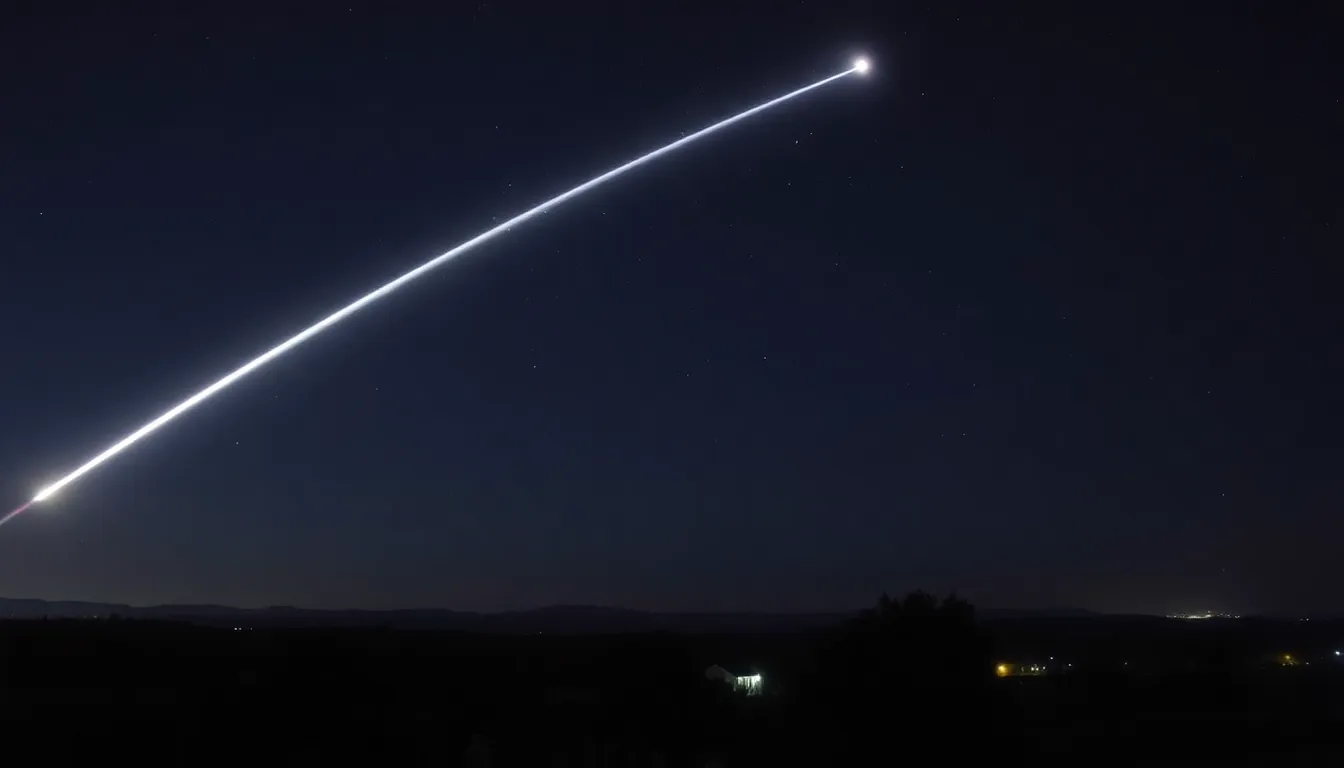
However, the rise of dashcam footage as a source of celestial documentation brings with it several conflicts and trade-offs. For instance, while the footage can provide valuable information, there are concerns regarding privacy and the potential misuse of data. Additionally, the reliability of dashcam recordings can vary, raising questions about the accuracy of the information being shared.
- Data Accuracy: The quality and reliability of dashcam footage can differ significantly, which may affect scientific analysis.
- Privacy Concerns: The widespread use of dashcams raises issues related to the recording of individuals and private property.
- Public Safety: Government agencies may need to balance the benefits of monitoring meteors with the need to protect citizens’ privacy.
- Community Engagement: The involvement of amateur astronomers can foster greater community interest in science and celestial events.
In summary, while dashcam footage serves as a valuable resource for documenting meteors, it also introduces a complex landscape of interests and challenges. Stakeholders must navigate these issues to maximize the benefits of this technology while addressing the potential drawbacks.
How meteor sightings influence public interest in astronomy
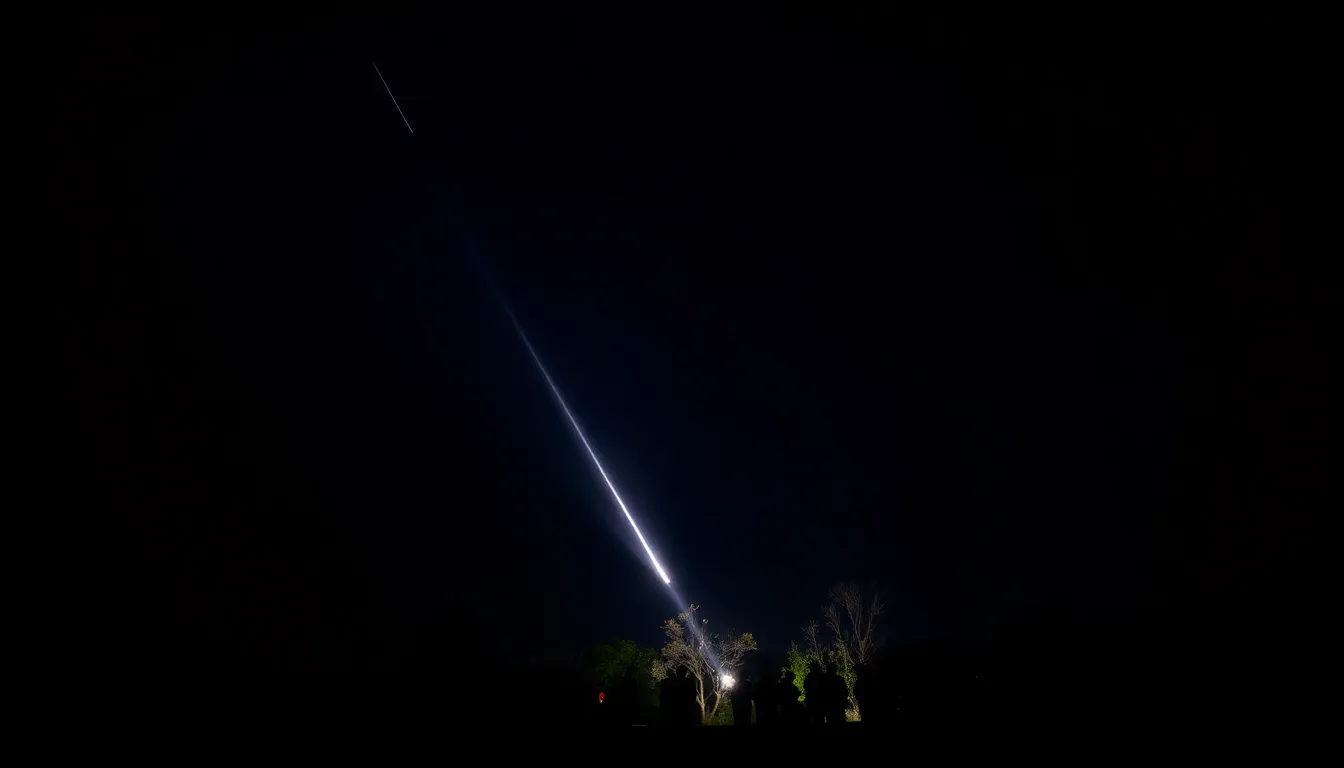
The recent dashcam footage of a meteor streaking across the sky has captivated audiences and reignited interest in astronomy. This phenomenon affects various groups, including amateur astronomers, educational institutions, and the scientific community. The spectacle not only draws attention from enthusiasts but also piques the curiosity of the general public, leading to increased engagement with astronomical events.
In the short term, local businesses in regions where the meteor was visible may experience an uptick in foot traffic as people gather to discuss the event. Planetariums and science centers could see a rise in attendance as they host special events and lectures related to meteors and space exploration. Additionally, social media platforms are likely to experience a surge in posts and discussions, further amplifying public interest.
In the mid-term, educational institutions may recognize the opportunity to integrate meteor sightings into their curricula, enhancing science education and promoting STEM fields. This could lead to increased funding for astronomy-related programs and initiatives. Furthermore, the scientific community may benefit from heightened public interest, resulting in more support for research and funding dedicated to studying meteors and their implications.
- Increased public engagement: More people may attend astronomy events and lectures.
- Boost for local economies: Businesses could see higher sales from increased tourism and event attendance.
- Educational opportunities: Schools may enhance their science programs to include meteor-related topics.
- Research funding: Potential for increased donations and grants for scientific research.
However, there are also risks associated with heightened interest. Misinformation about meteors and their impacts could spread, leading to unnecessary panic or misconceptions. Additionally, increased enthusiasm for meteor sightings may lead to overcrowding at popular viewing locations, potentially resulting in safety concerns. Balancing public interest with accurate information will be crucial in the aftermath of such events.
A: A meteor is a small celestial body that enters the Earth’s atmosphere and burns up, creating a bright streak of light. This phenomenon is often referred to as a shooting star. A: Meteor sightings are relatively common, especially during meteor showers when numerous meteors can be seen in a short period. However, individual sightings can vary based on location and time. A: If you see a meteor, enjoy the moment! You can report your sighting to local astronomy clubs or online platforms that track such events. A: Generally, meteors are not dangerous as they burn up in the atmosphere. However, larger meteors, known as meteoroids, can potentially reach the Earth’s surface and cause damage. A: Yes, dashcam footage can provide valuable data for scientists studying meteors, helping them understand their frequency, size, and trajectory.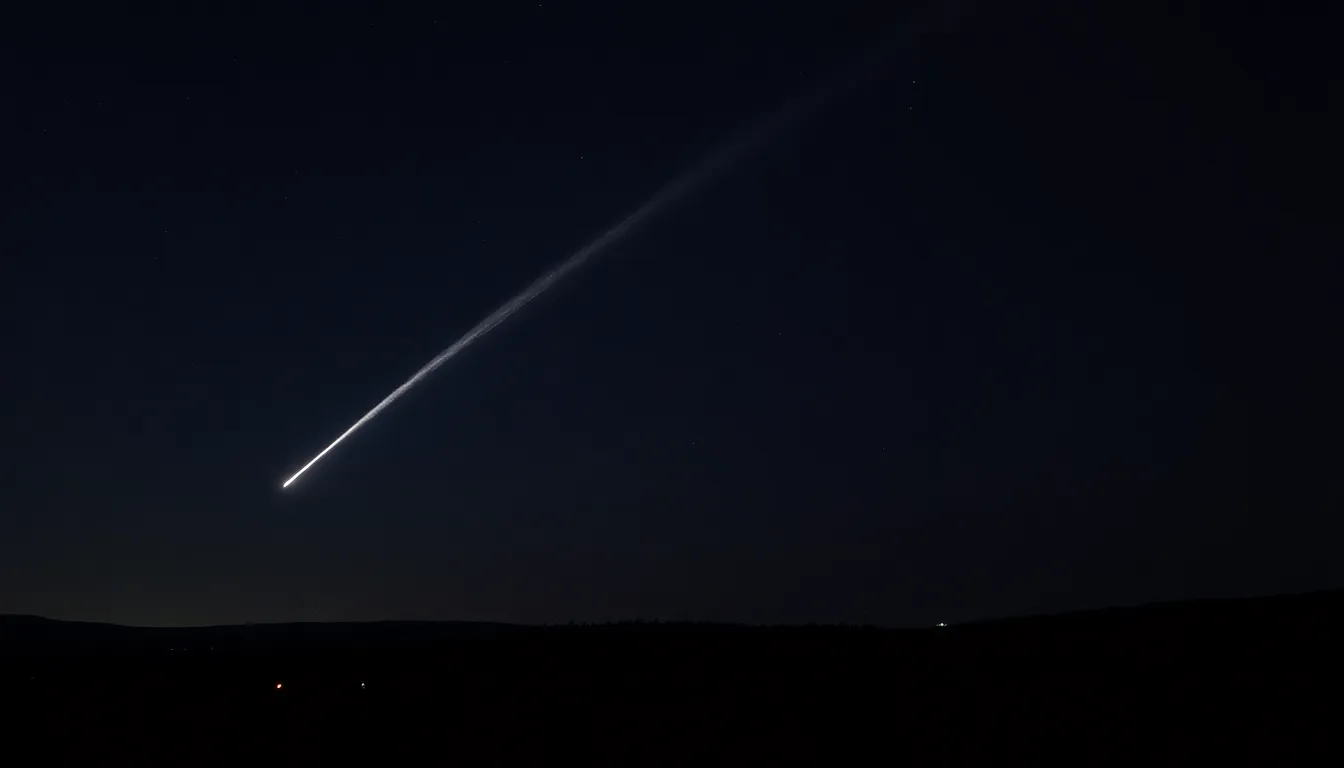
Frequently asked questions about meteors
Key takeaways and future implications of meteor sightings
The recent dashcam footage of a meteor streaking across the sky serves as a reminder of the dynamic nature of our universe. Such events not only captivate our imagination but also highlight the importance of monitoring and understanding celestial phenomena. As technology advances, the ability to capture and analyze these occurrences will improve, offering valuable insights into the behavior of meteors and their potential impact on Earth.
Moreover, increased public interest in meteor sightings may lead to greater investment in astrophysical research and education. This could enhance our preparedness for future celestial events and foster a deeper appreciation for the science behind them.
- Advancements in technology will enhance our ability to detect and analyze meteors.
- Increased public interest may drive funding for space research and education initiatives.
- Understanding meteor behavior can improve safety measures for potential impacts.
- Public engagement in astronomy can inspire future generations of scientists.
- Collaboration among global observatories may lead to more comprehensive data sharing.