
The impacts of these wetter winters are profound, affecting communities, infrastructure, and ecosystems. For instance, cities like New Orleans and Houston have faced significant challenges, with flooding causing extensive damage to homes and businesses. In January 2023, California experienced severe flooding that resulted in evacuations and road closures, highlighting the vulnerability of urban areas to extreme weather. Learn more about the importance of coastal protection during such events.
Climate scientists attribute this trend to a combination of climate change and natural variability. Warmer temperatures lead to increased evaporation, which can enhance rainfall intensity. The Intergovernmental Panel on Climate Change (IPCC) warns that as global temperatures rise, such extreme weather patterns are likely to become more common, putting additional pressure on already strained infrastructure and emergency services.
Local governments are beginning to adapt their policies in response to these changes. Many municipalities are investing in improved drainage systems and flood defenses, while others are reevaluating land use planning to mitigate the risks associated with flooding. As these wetter winters become a persistent reality, the need for proactive measures to safeguard communities will only grow.
The historical context of winter weather patterns
Winter weather patterns have undergone significant changes over the past century, largely influenced by climate change and urban development. Historically, winters were characterized by consistent cold temperatures and predictable snowfall, allowing communities to prepare for seasonal disruptions. However, the late 20th and early 21st centuries have seen an increase in extreme weather events, including wetter winters and more frequent flooding.
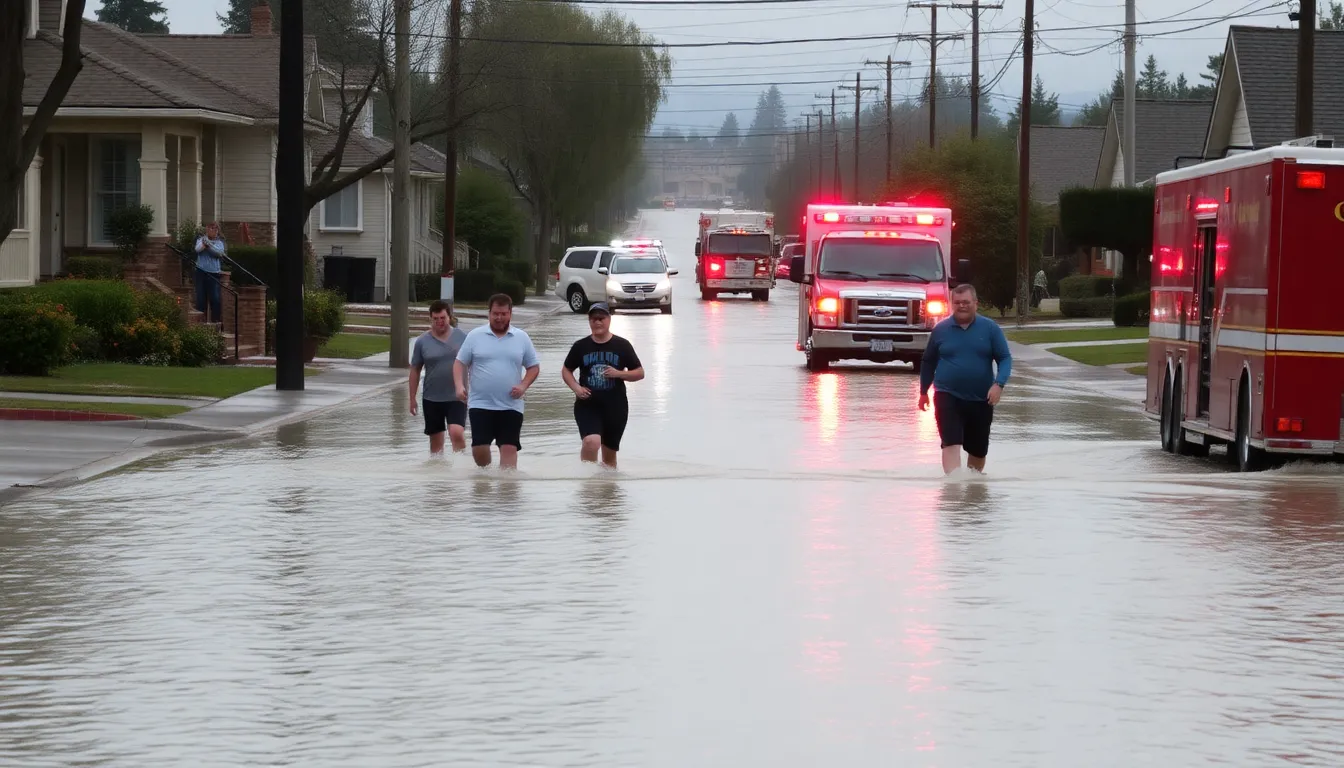
One key milestone in understanding these shifts occurred in the 1970s when scientists began to document the effects of global warming on weather patterns. The rise in average temperatures has led to increased precipitation, with studies showing that warmer air holds more moisture. This phenomenon has contributed to the trend of wetter winters, particularly in regions that were previously accustomed to drier conditions.
Political and economic implications
The political landscape has also been shaped by these changing weather patterns. Governments have been forced to reevaluate infrastructure and disaster preparedness plans to address the increasing frequency of flooding. Economic impacts are profound, as communities face rising costs related to damage from extreme weather events and the need for enhanced drainage systems. Additionally, abandoned oil tankers can exacerbate the economic and environmental costs of such disasters.
Socially, the implications of wetter winters extend to public health and safety. Communities that experience frequent flooding often struggle with issues such as waterborne diseases and displacement. The historical context of these weather patterns reveals a growing need for public awareness and proactive measures to mitigate the impacts of climate change on winter weather, especially with regard to displacement issues faced by vulnerable populations.
Key stakeholders and their perspectives on flooding
As climate change intensifies, wetter winters and frequent flooding have emerged as pressing concerns for various stakeholders. Understanding the interests and perspectives of these actors is crucial in addressing the challenges posed by increased precipitation and its consequences.
Local governments are often at the forefront of managing flooding risks. Their primary interest lies in protecting communities and infrastructure. They may advocate for improved drainage systems and flood defenses, but often face budget constraints and competing priorities. Additionally, local authorities must navigate the complex landscape of regulations and public expectations, which can lead to conflicts over resource allocation.
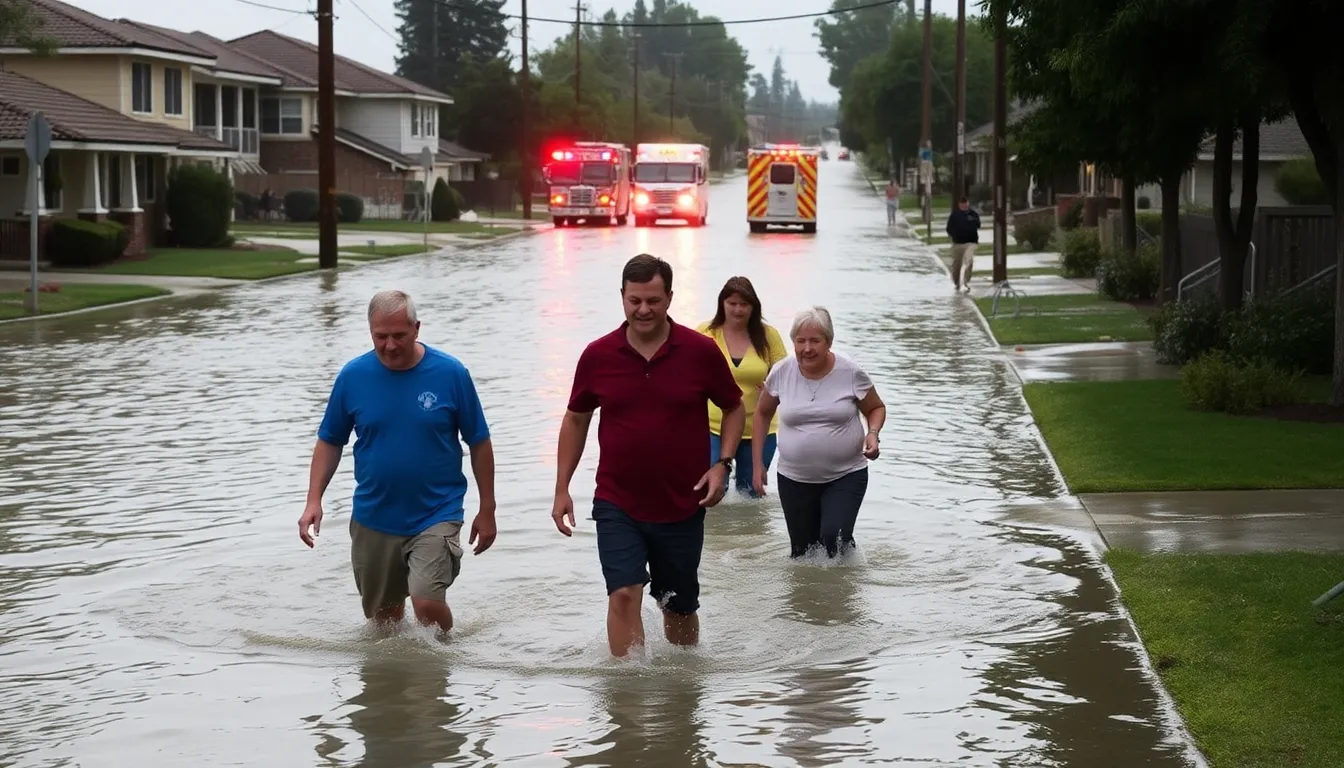
Environmental organizations play a significant role in the conversation around flooding. They typically emphasize the importance of sustainable land use and conservation practices to mitigate flood risks. These groups may advocate for policies that prioritize natural solutions, such as restoring wetlands, which can absorb excess water. However, their goals can sometimes clash with economic interests, particularly when development projects threaten to disrupt ecosystems.
Property owners and developers are also key stakeholders, as flooding directly impacts their investments. Many seek to minimize their exposure to flood risks through insurance or infrastructure improvements. However, their interests may conflict with environmental initiatives aimed at preserving natural landscapes. This tension can lead to debates over land use regulations and the implementation of flood management strategies.
- Local governments balancing budget constraints with flood management needs.
- Environmental organizations advocating for sustainable practices that may limit development.
- Property owners and developers focused on protecting investments against flooding.
- Community members advocating for immediate solutions to flooding issues.
- Insurance companies assessing risks and adjusting policies based on flooding trends.
How communities are affected by increased flooding
Increased flooding and wetter winters have far-reaching effects on various groups and industries. Coastal regions, low-lying urban areas, and agricultural communities are particularly vulnerable. These areas often experience significant disruptions due to rising water levels, which can lead to property damage, loss of crops, and displacement of residents.
Short-term impacts include immediate threats to safety and infrastructure. Roads and bridges may become impassable, disrupting daily commutes and emergency services. Businesses in flood-prone areas often face temporary closures, leading to loss of income and potential layoffs. For local governments, the cost of emergency response and recovery can strain budgets.
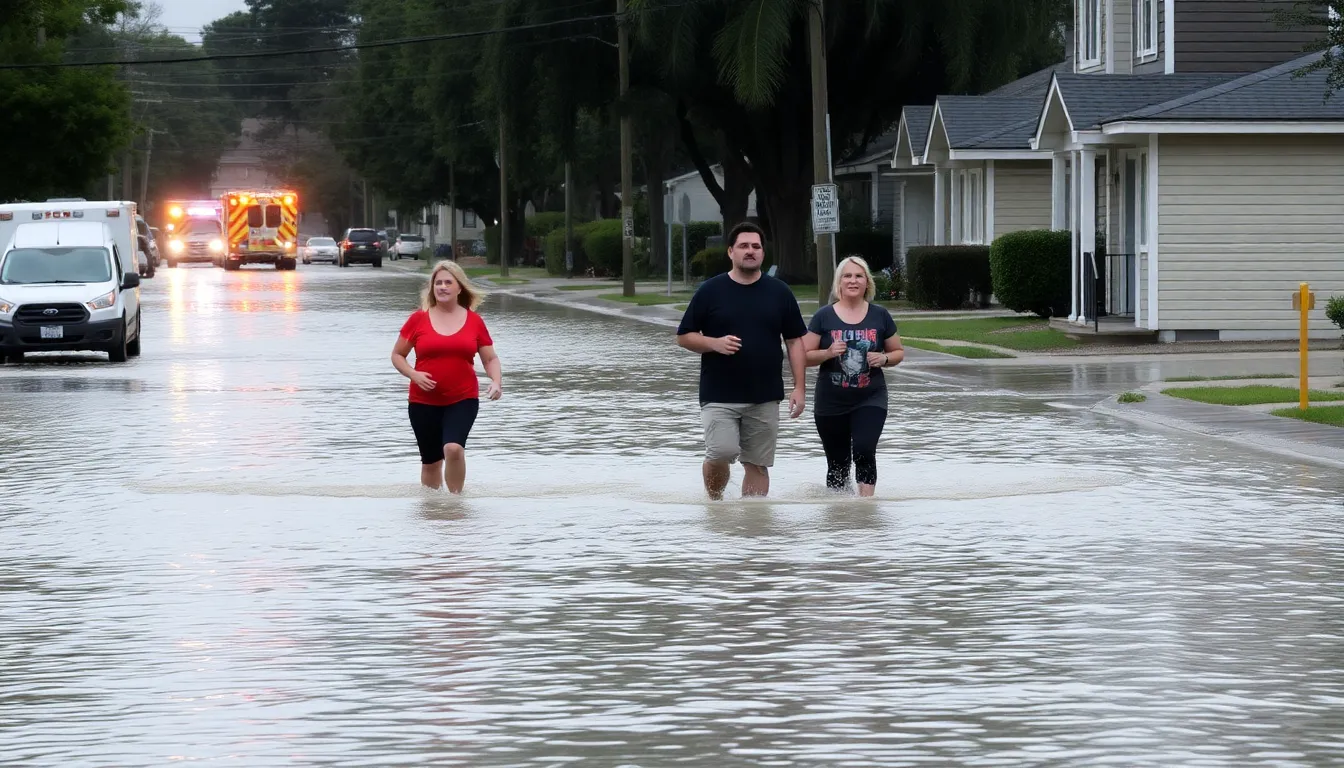
In the mid-term, communities may need to reassess their infrastructure and land use policies. Increased flooding could prompt local governments to invest in flood defenses, such as levees and drainage systems. This shift may create opportunities for construction and engineering firms, while also necessitating new regulations that affect landowners and developers.
- Increased risk of property damage and loss
- Disruption to agricultural production and food supply
- Potential for increased insurance premiums and claims
- Shift in local economic activities and job markets
While the risks are significant, there are also potential opportunities. The need for resilient infrastructure can lead to job creation in construction and green technology sectors. Additionally, communities that adapt effectively to flooding may attract investment and tourism, positioning themselves as leaders in climate resilience.
A: Wetter winters are often caused by climate change, which alters weather patterns. Increased temperatures can lead to more moisture in the atmosphere, resulting in heavier precipitation. A: Yes, studies indicate that flooding events are increasing in frequency and intensity due to climate change and urbanization. This trend poses significant risks to infrastructure and ecosystems. A: Communities can prepare by investing in better drainage systems, creating flood zones, and implementing policies that promote sustainable land use. Public awareness campaigns can also help. A: Flooding can have devastating economic impacts, including damage to property, loss of business, and increased insurance costs. Recovery can take years and strain local economies. A: While climate change is a significant factor, other elements such as urban development, land use changes, and natural weather cycles also play a role in winter weather patterns.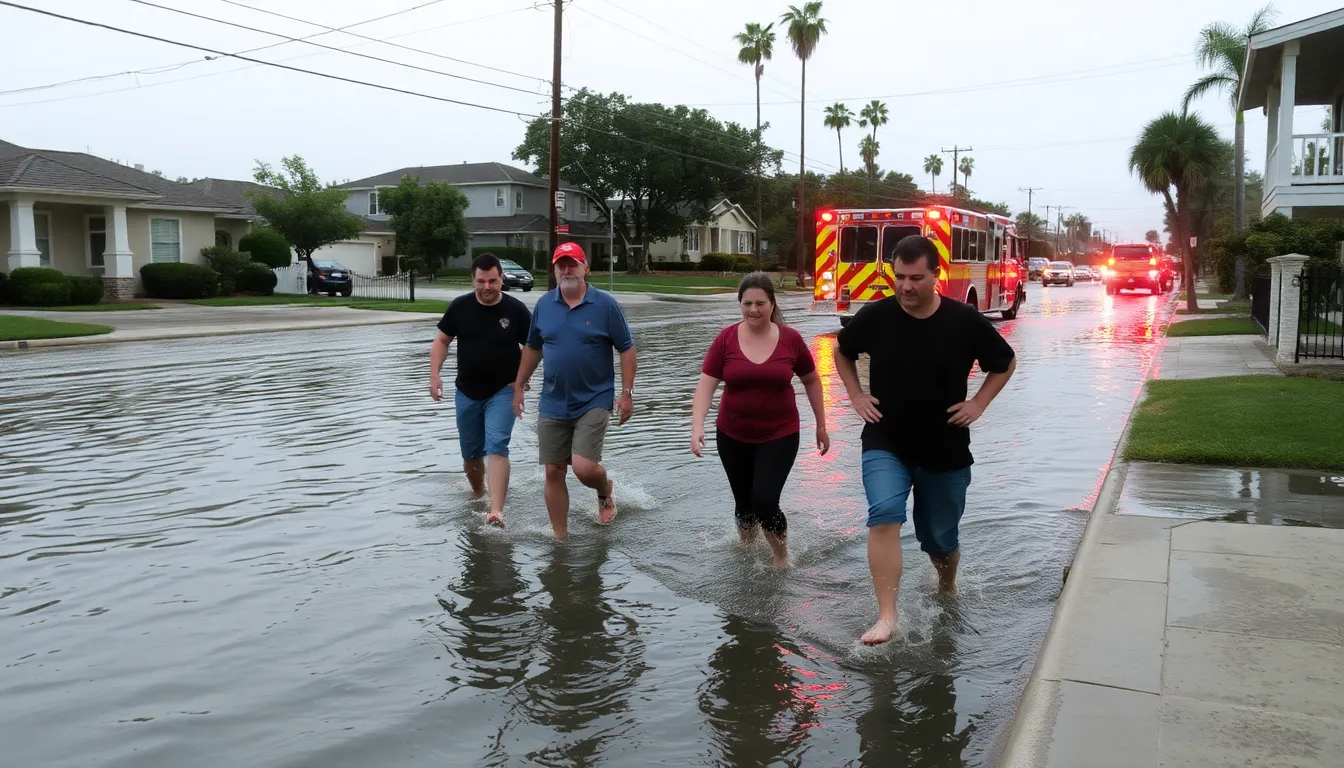
Frequently asked questions about flooding and winter weather
Looking ahead: the future of winter weather and flooding
As climate patterns evolve, the increasing frequency of wetter winters and associated flooding events raises significant concerns for communities and ecosystems alike. Understanding the implications of these changes is essential for effective planning and adaptation strategies. Stakeholders, from local governments to homeowners, must remain vigilant and proactive in addressing the challenges posed by these shifting weather patterns.
Monitoring trends in precipitation and temperature will be crucial as we move forward. Enhanced forecasting models and community preparedness initiatives can help mitigate the impacts of flooding, while investment in infrastructure resilience will be vital to safeguard against future events.
- Infrastructure upgrades: Communities should prioritize the enhancement of drainage systems and flood defenses to better cope with increased rainfall.
- Emergency preparedness: Developing comprehensive emergency response plans will be essential for minimizing the impact of flooding on residents and businesses.
- Land use planning: Implementing sustainable land use practices can help reduce runoff and improve water absorption in urban areas.
- Public awareness: Increasing public awareness about the risks associated with flooding and the importance of preparedness can empower individuals and communities.
- Research investment: Continued investment in climate research will provide valuable insights into long-term trends and effective adaptation strategies.