
Notably, in September 2023, the University of California, Los Angeles (UCLA) launched a pilot program to test wastewater from dormitories, aiming to identify patterns of drug use among students. Similarly, municipalities like San Diego and New York City have implemented citywide wastewater surveillance programs to track drug consumption trends in real-time. These efforts are part of a larger strategy to address public health challenges and allocate resources effectively, as discussed in our article on environmental monitoring.
The significance of this testing lies in its ability to provide a more comprehensive view of substance use without relying solely on self-reported data, which can be unreliable. By analyzing wastewater, public health officials can identify hotspots of drug use, enabling targeted prevention and intervention strategies. This method has the potential to inform policies and programs aimed at reducing drug-related harm in both urban and educational settings, similar to the initiatives discussed in our exploration of contemporary art.
As of October 2023, the results from these wastewater tests are prompting discussions among policymakers, educators, and health advocates about the implications of drug use in various communities. The insights gained from this data could shape future initiatives, funding decisions, and community outreach efforts to combat substance abuse and promote healthier environments.

Understanding the background of wastewater testing initiatives
The practice of testing wastewater for illicit drugs has emerged as a significant public health tool over the past two decades. Initially developed in the early 2000s, this method provides a unique insight into community substance use patterns by analyzing the presence of drugs in sewage systems. The growing concern over the opioid crisis and other substance abuse issues has propelled cities and schools to explore innovative approaches to monitor and address these challenges.
Historically, wastewater analysis was primarily used for environmental monitoring and assessing the effectiveness of wastewater treatment processes. However, as drug abuse rates surged, particularly among youth, public health officials began to recognize the potential of wastewater testing as a proactive measure. By detecting the presence of substances such as opioids, cocaine, and methamphetamines, authorities can gauge community drug use trends and tailor interventions accordingly, addressing some of the larger themes we see in discussions around student safety.
Political and Social Implications
The political landscape surrounding drug policy has also influenced the adoption of wastewater testing. As governments grapple with the complexities of drug addiction, there has been a shift towards harm reduction strategies rather than punitive measures. This change reflects a growing understanding of addiction as a public health issue rather than solely a criminal one. Consequently, wastewater testing has gained traction as a data-driven approach to inform policy decisions and allocate resources effectively.
Economically, the implementation of wastewater testing programs can be seen as a cost-effective means of addressing substance abuse. By identifying hotspots of drug use, municipalities can direct funding towards prevention and treatment services in areas that need them most. This proactive approach not only benefits public health but also alleviates the financial burden on healthcare systems and law enforcement agencies grappling with the consequences of drug abuse.
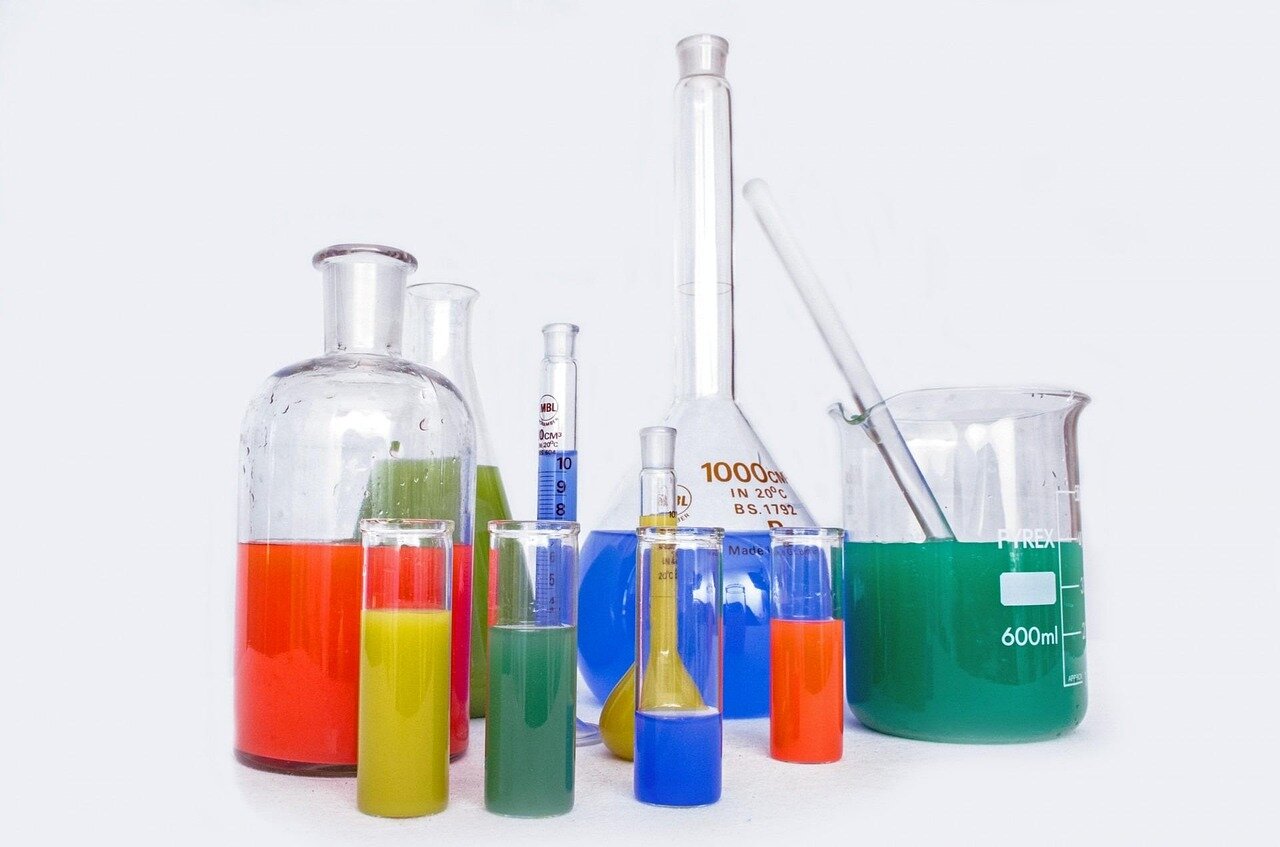
As cities and schools continue to pilot wastewater testing initiatives, key milestones such as successful collaborations between public health departments, universities, and local governments will shape the future of this practice. The data gathered from these efforts not only aids in immediate response strategies but also contributes to a broader understanding of drug use trends over time, ultimately fostering healthier communities.
Key stakeholders and the implications of drug monitoring
As cities and schools increasingly turn to wastewater testing as a method for monitoring illicit drug use, several key stakeholders emerge, each with distinct interests. Local governments and public health officials are primarily focused on understanding the extent of drug use within their communities. This data can inform public health initiatives, resource allocation, and policy development aimed at addressing substance abuse issues.
Educational institutions also play a crucial role, as they seek to ensure the safety and well-being of their students. By monitoring wastewater, schools can gain insights into the prevalence of drug use among their student populations, allowing them to implement targeted prevention programs. However, this raises concerns about privacy and the ethical implications of monitoring students without their consent.
Additionally, law enforcement agencies may view wastewater testing as a tool for identifying drug hotspots and informing their strategies for combating drug-related crime. This creates a potential conflict between public health objectives and law enforcement priorities, as the latter may focus more on punitive measures rather than preventive approaches.

- Public Health Interests: Understanding drug use trends to improve community health initiatives.
- Educational Concerns: Balancing student safety with privacy rights in monitoring efforts.
- Law Enforcement Goals: Utilizing data for crime prevention versus fostering community trust.
- Legal Implications: Navigating regulations surrounding data collection and individual privacy.
- Economic Factors: Assessing the cost-effectiveness of wastewater testing compared to traditional drug monitoring methods.
These diverse interests highlight the complexities of implementing wastewater testing as a public health strategy. While it offers valuable insights, the potential for conflict among stakeholders necessitates careful consideration of ethical, legal, and economic implications. Addressing these issues will be essential for fostering collaboration among stakeholders and ensuring that the initiative benefits the community as a whole.
Who is affected by wastewater testing and its broader implications
The initiative to test wastewater for illicit drugs impacts a variety of groups, including local governments, public health officials, educational institutions, and residents of affected areas. Cities that implement this testing can gain valuable insights into drug use patterns, which can inform public health strategies and resource allocation. Schools, particularly those in urban areas, may also be directly affected as they work to create safer environments for students.
In the short term, the introduction of wastewater testing can lead to immediate changes in community responses and law enforcement practices. For example, areas with high levels of detected substances may see increased police presence or community outreach programs aimed at drug prevention. This can create a heightened sense of awareness and urgency around substance use issues, influencing public discourse and local policy decisions.
Mid-term impacts may include shifts in local business environments, particularly in sectors such as healthcare, education, and social services. As communities respond to the data gathered from wastewater testing, businesses may need to adapt their strategies to align with new public health initiatives. For instance, counseling services and rehabilitation centers may experience increased demand, while businesses in nightlife and entertainment may face stricter regulations.
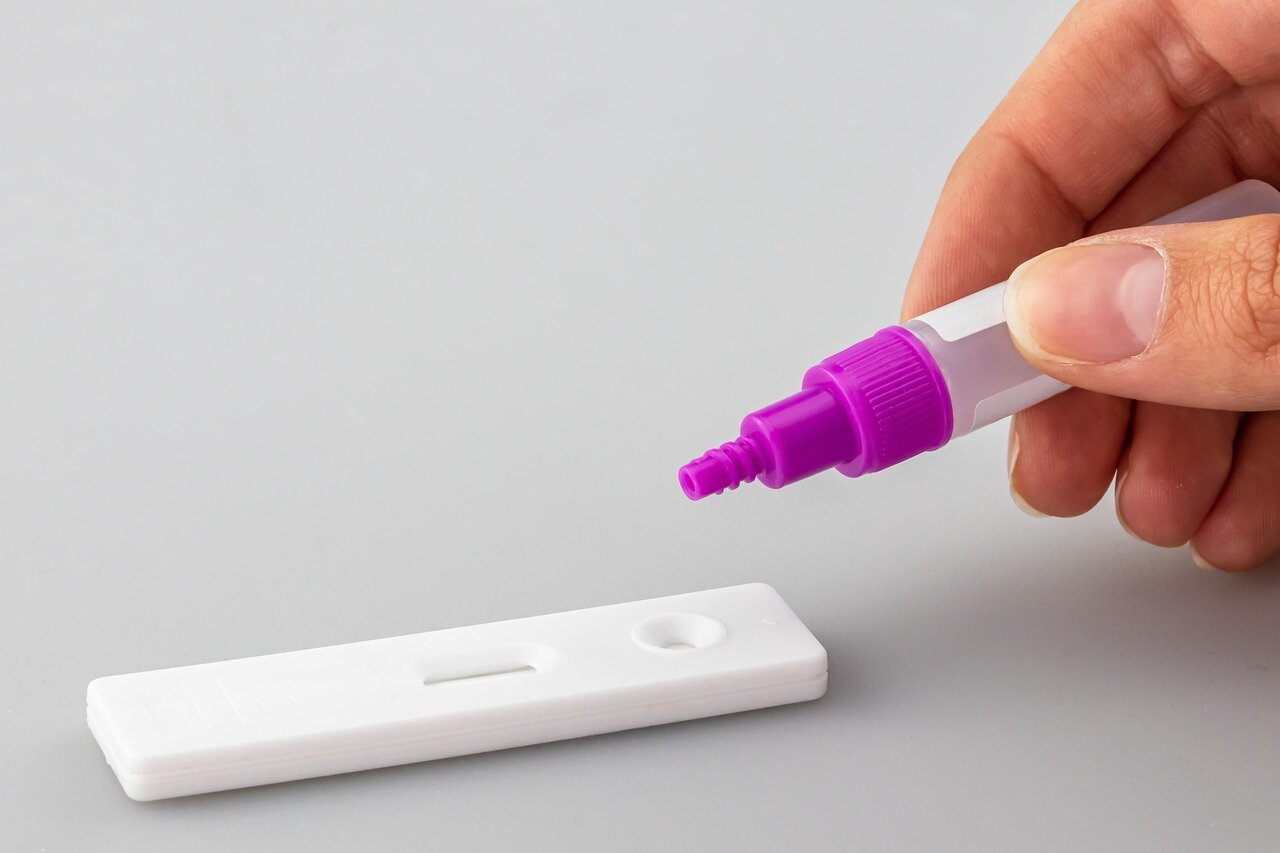
- Public Health: Enhanced understanding of drug use trends can lead to better-targeted health interventions.
- Education: Schools may adapt their policies and programs to address drug-related issues more effectively.
- Law Enforcement: Increased data may prompt changes in policing strategies and resource allocation.
- Business Opportunities: Growth in services related to addiction treatment and prevention can emerge.
However, there are risks associated with wastewater testing. Concerns about privacy and potential stigmatization of communities based on drug use data can arise. Additionally, the accuracy and interpretation of the data may lead to misconceptions about drug prevalence, potentially resulting in misguided policy responses. Balancing the benefits of informed decision-making with the ethical implications of surveillance remains a critical challenge for stakeholders involved.
A: Wastewater testing involves analyzing sewage to detect the presence of illicit drugs. This method provides insights into community drug use patterns and can help inform public health strategies. A: Samples of wastewater are collected and analyzed in laboratories to identify drug metabolites. This data helps authorities understand the levels of drug use in specific areas. A: Cities and schools are adopting wastewater testing to proactively address drug-related issues, enhance safety, and develop targeted interventions based on real data. A: Yes, privacy concerns exist as wastewater testing can reveal information about drug use in specific populations. Authorities must balance public health benefits with individual privacy rights. A: Results can guide public health initiatives, inform educational programs, and shape law enforcement strategies to address drug use and its consequences.
Frequently asked questions about wastewater testing for drugs
Future outlook on wastewater testing and public health
The increasing adoption of wastewater testing in cities and schools marks a significant shift in public health strategies. By providing a non-invasive means to monitor community drug use, these initiatives can inform targeted interventions and resource allocation. As the technology advances, it can potentially lead to more comprehensive data collection, aiding in the understanding of substance abuse trends and their effects on public health.
Moreover, the collaboration between local governments, educational institutions, and health organizations is crucial. This partnership not only enhances the effectiveness of the testing programs but also fosters a community-oriented approach to tackling drug-related issues. The insights gained from wastewater analysis can guide educational campaigns and support services, ultimately promoting healthier environments for residents and students alike.
- Informed Policy Making: Data from wastewater testing can drive evidence-based policy decisions, leading to more effective drug prevention and treatment programs.
- Community Engagement: Increased transparency and community involvement in testing initiatives can strengthen public trust and cooperation.
- Resource Allocation: Identifying drug use trends can help allocate resources more efficiently, ensuring that areas most in need receive appropriate support.
- Long-term Monitoring: Regular testing can establish baselines for drug use, enabling better tracking of the effectiveness of interventions over time.