
Authorities have implemented strict protocols to ensure the integrity of the examination process. This includes the use of biometric verification and increased surveillance at examination centers. Students are required to arrive early and undergo thorough checks to prevent any potential cheating or misconduct.
The controversy surrounding the alleged paper leak has raised concerns about the fairness of the examination system, similar to the concerns raised when past examination malpractices came to light.
As the resit date approaches, the focus remains on ensuring a smooth and secure examination process, highlighting the importance of trust in the system, as explored in recent discussions on transparency.
Background on the alleged paper leak and its implications
Medical examinations in India, particularly the National Eligibility cum Entrance Test (NEET), serve as a critical gateway for aspiring medical students.

Historically, the Indian education system has faced challenges related to examination malpractices, including paper leaks, which have undermined the credibility of various assessments. Past incidents, such as the infamous CBSE Class 12 mathematics paper leak in 2018, have prompted widespread calls for reform in examination protocols. These events have highlighted vulnerabilities within the system and the need for stricter security measures to protect the integrity of examinations.
The socio-political landscape
The socio-political landscape in India further complicates the issue. With a burgeoning population and an increasing number of students vying for limited medical seats, the pressure on examination authorities to deliver fair and transparent processes has intensified. The government has been under scrutiny to ensure that the examination system is not only rigorous but also equitable. Allegations of corruption and favoritism have persisted, prompting demands for accountability and transparency in the management of medical examinations.
The economic implications of such allegations are also significant. The medical field is a lucrative profession in India, and any disruption in the examination process can have far-reaching consequences for the healthcare system. Students who invest years of preparation and substantial financial resources into their medical education face uncertainty and anxiety when integrity issues arise. As the situation unfolds, it remains crucial for the authorities to address these concerns and restore faith in the examination system.
Key stakeholders and issues surrounding the exam resits
The recent alleged paper leak of a medical examination in India has brought several stakeholders into the spotlight, each with distinct interests and motivations. The primary actors include the Indian government, educational institutions, students, and examination boards. Their involvement reflects a complex interplay of accountability, educational integrity, and the future of aspiring medical professionals.
The Indian government is keen to uphold the integrity of its educational systems and ensure that public trust in examinations is maintained. This incident raises concerns about the effectiveness of current security measures and the potential for future leaks. The government’s interest lies in implementing stricter regulations and enhancing oversight to prevent such occurrences, which may involve significant legal and economic implications.
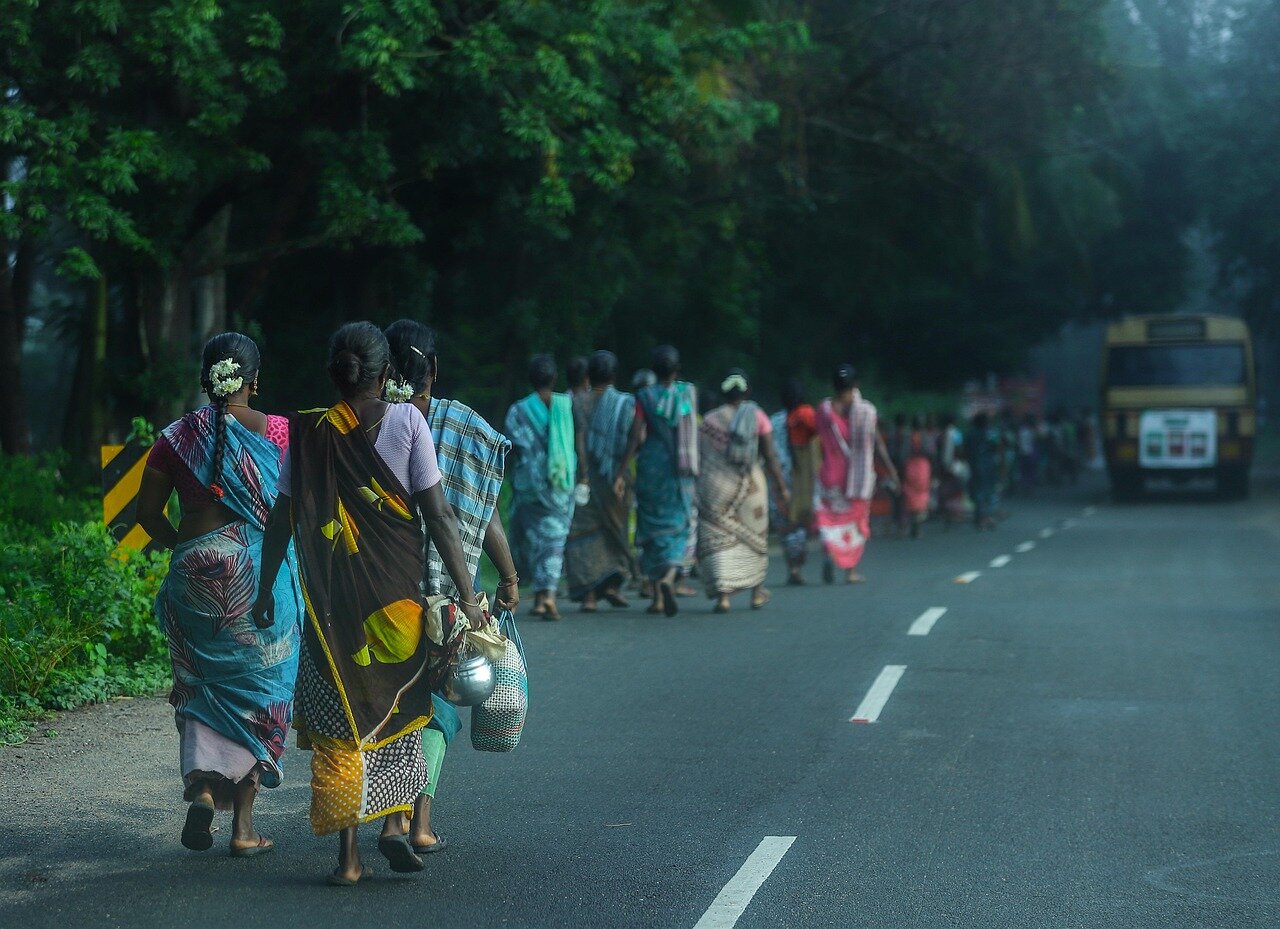
Students, particularly those affected by the paper leak, are also central to this situation. Many students have invested considerable time and resources in preparing for these exams, and the resit process can be both stressful and financially burdensome. Their primary interest is in achieving fair and transparent conditions for the resits, while also ensuring that their academic and professional aspirations are not hindered by administrative failures.
Examination boards face the challenge of restoring credibility in their processes. They must navigate the delicate balance between enforcing strict security protocols and ensuring that the resit process is accessible and fair. This scenario presents several key issues:
- Integrity of the examination process: The need to rebuild trust among students and the public.
- Legal ramifications: Potential lawsuits from students or institutions regarding the handling of the leak.
- Economic impact: The costs associated with heightened security measures and potential loss of revenue from examination fees.
- Future policy changes: The possibility of reforms in examination protocols to prevent future incidents.
In summary, the interplay of these stakeholders highlights significant conflicts and trade-offs that must be navigated in the wake of the exam resits. The outcome will not only affect the immediate situation but also shape the long-term landscape of medical education in India.
Impact of the security measures on students and the education system
The recent paper leak incident has prompted stringent security measures for Indian students resitting their medical exams, affecting various stakeholders within the education system. Students, educational institutions, and examination bodies are all feeling the repercussions of heightened security protocols.
Students, particularly those preparing for medical exams, face increased stress and anxiety due to the rigorous security checks. This situation not only disrupts their study routines but also adds a layer of uncertainty regarding the integrity of the examination process. The focus on security may lead to a more intense atmosphere during the exams, impacting student performance.

Educational institutions are also impacted, as they must allocate additional resources to ensure compliance with new security measures. This may divert funds and attention away from other important educational initiatives, potentially hindering overall academic progress. Furthermore, the reputation of institutions could be at stake if security concerns persist.
In the mid-term, the examination bodies may need to reassess their policies and procedures to prevent future leaks. This could lead to a more robust examination framework, fostering greater trust in the system. However, it also risks creating a more bureaucratic environment, which may stifle innovation and responsiveness in education.
- Increased stress: Students may experience heightened anxiety during exams.
- Resource allocation: Institutions might divert funds to security measures.
- Reputation risks: Ongoing security issues could damage institutional credibility.
- Policy reassessment: Examination bodies may implement stricter protocols long-term.
- Opportunities for innovation: Potential for developing new security technologies and processes.
While the immediate focus is on mitigating risks, there may also be opportunities for innovation in educational technology and security solutions. Companies specializing in exam security could see a surge in demand, potentially leading to advancements that benefit the entire education sector.
A: The exams were rescheduled due to an alleged paper leak that raised concerns about the integrity of the testing process. A: Authorities have increased security at exam centers, including identity verification and surveillance to prevent cheating. A: Many students express anxiety over the heightened security but understand the necessity to maintain exam integrity. A: Currently, there are no announced changes to the exam format, but authorities are monitoring the situation closely. A: This incident may lead to stricter regulations and oversight in future exams to prevent similar occurrences.
Frequently asked questions about the exam resits
Insights on the future of medical exams in India
The recent security measures implemented during the resit of the medical exam for Indian students highlight the growing concerns over exam integrity. With the backdrop of an alleged paper leak, authorities have responded with heightened vigilance, reflecting a commitment to restoring trust in the examination process. This situation brings to light the need for more robust systems to ensure fairness and transparency in medical education.
As the landscape of medical examinations evolves, stakeholders must consider the implications of these events on future assessments. The focus on security may lead to the adoption of advanced technologies and stricter protocols, reshaping how exams are conducted and monitored.
- Increased Security Measures: Expect more stringent security protocols in future examinations to prevent incidents of malpractice.
- Technological Integration: The potential for technology-driven solutions, such as biometric verification and digital monitoring, to enhance exam integrity.
- Policy Revisions: Anticipate revisions in examination policies and procedures to address vulnerabilities exposed by the recent leak.
- Student Awareness: A greater emphasis on educating students about academic integrity and the consequences of unethical behavior.
- Long-term Trust Building: The need for ongoing efforts to rebuild trust in the examination system among students, educators, and the public.