
The Environment Agency revealed that the number of sewage discharge incidents dropped from approximately 40,000 in 2024 to around 20,000 in 2025. The reduction is largely credited to reduced rainfall, which has led to less overflow from combined sewer systems that often discharge untreated sewage during heavy rain events. This improvement aligns with ongoing discussions about environmental stewardship.
Water companies, including major players such as Thames Water and Yorkshire Water, have also implemented more efficient operational practices and invested in infrastructure upgrades. These improvements aim to enhance the resilience of the sewage system against weather-related challenges, reflecting a growing commitment to environmental stewardship.
While the decrease in spills is a positive development, experts caution that reliance on drier weather is not a sustainable long-term solution. Climate change forecasts suggest increased variability in weather patterns, necessitating ongoing investment and innovation in wastewater management to prevent future environmental impacts.
Understanding the factors behind the reduction in sewage spills
The issue of sewage spills in England has been a longstanding environmental concern, often linked to the aging infrastructure of wastewater treatment systems and the increasing frequency of heavy rainfall events. Historically, these systems were designed to handle a specific volume of water, but with climate change leading to more intense storms, many treatment facilities have been overwhelmed, resulting in untreated sewage being discharged into waterways. This scenario has raised alarms among environmentalists and public health advocates alike.

In recent years, the UK government has faced mounting pressure to address the problem, leading to legislative changes aimed at improving water quality and reducing sewage discharge incidents. The Environment Act 2021, for example, mandated water companies to monitor and report sewage spills more transparently, thus holding them accountable for their environmental impact. This legislative framework laid the groundwork for a more proactive approach to managing wastewater and protecting aquatic ecosystems.
However, the significant reduction in sewage spills observed in 2025 can be attributed not only to policy changes but also to a notable shift in weather patterns. The year 2025 experienced drier weather conditions, which contributed to a decrease in the volume of stormwater runoff entering treatment facilities. This reduction alleviated the pressure on wastewater systems, allowing them to function more effectively and minimize the discharge of untreated sewage into rivers and coastal areas, highlighting the critical need for improved wastewater management.
Economic Implications of Reduced Sewage Spills
The economic impact of reducing sewage spills extends beyond environmental benefits. Cleaner waterways can lead to enhanced recreational opportunities, boosting local tourism and economies dependent on fishing and water sports. Furthermore, with improved water quality, there is a potential decrease in health-related costs associated with waterborne diseases, which can strain public health systems. Thus, the combination of drier weather and effective policy implementation not only addresses an urgent environmental issue but also supports economic resilience in affected communities.
Key stakeholders and the implications of reduced sewage spills
The reduction of sewage spills in England by nearly half in 2025 has significant implications for various stakeholders, including government agencies, environmental organizations, local communities, and the water utility companies. Each of these actors has distinct interests that shape their responses to the changing environmental landscape.
Government agencies, particularly the Environment Agency, are primarily focused on public health and environmental protection. Their interest lies in ensuring compliance with regulations that mandate reduced pollution levels in water bodies. The improvement in sewage management reflects positively on their performance, potentially leading to increased public trust and support for future environmental initiatives.
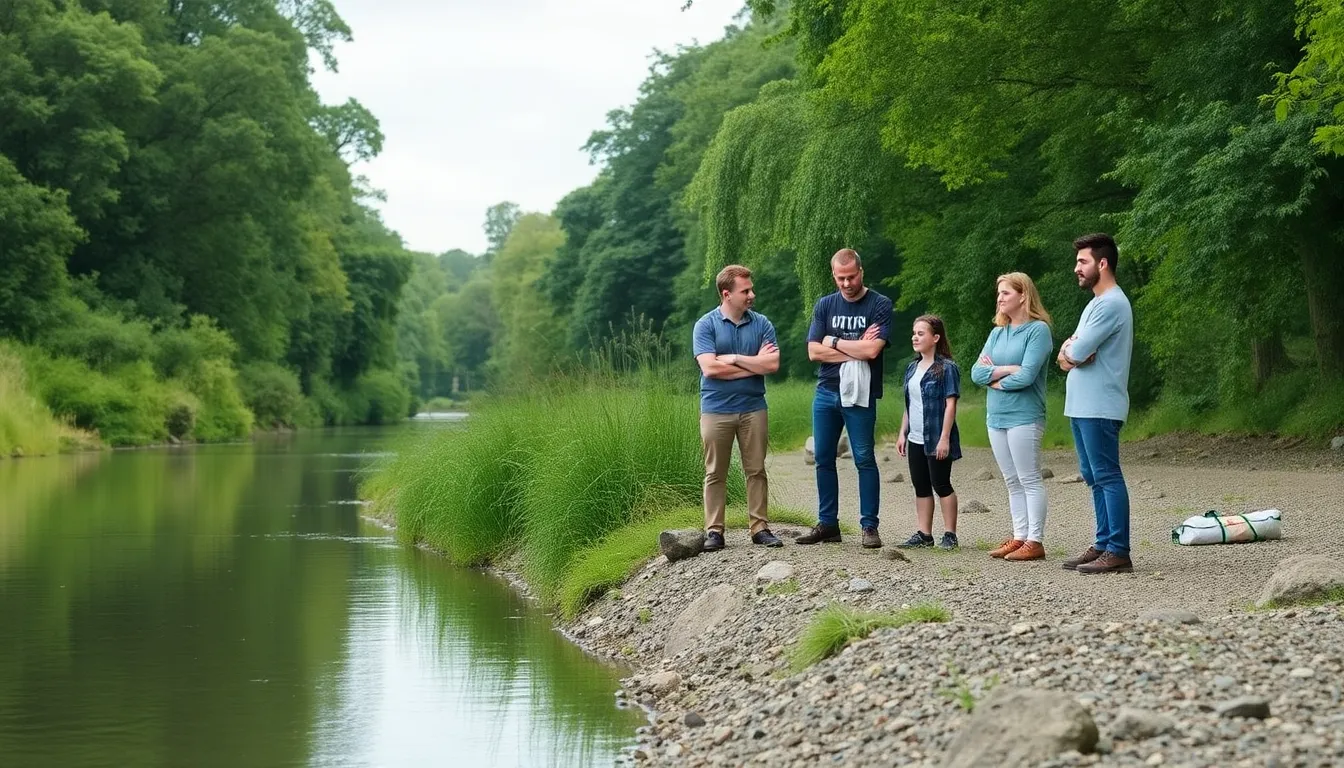
Water utility companies, responsible for sewage treatment and management, have a vested interest in maintaining their operational efficiency and public image. The reduction in sewage spills not only alleviates regulatory pressures but also reduces the financial burden associated with penalties and cleanup efforts. However, these companies may face trade-offs in terms of investment in infrastructure versus immediate cost savings.
- Local communities benefit from cleaner waterways, which can enhance recreational opportunities and property values.
- Environmental organizations view the reduction as a positive step towards biodiversity conservation and ecosystem health.
- Farmers and agricultural stakeholders may experience mixed outcomes, as improved water quality can benefit irrigation but may also lead to stricter runoff regulations.
Despite the positive outcomes, conflicts may arise between stakeholders regarding the allocation of resources and the pace of future developments. For instance, while environmental groups advocate for rapid improvements, water utility companies may prioritize gradual changes to manage costs effectively. Additionally, legal frameworks surrounding water quality and pollution control will continue to evolve, influencing the balance of interests among stakeholders.
The impact of reduced sewage spills on communities and ecosystems
The significant reduction in sewage spills across England in 2025 has far-reaching implications for various groups, including local communities, environmental organizations, and the water management industry. These groups stand to benefit from improved water quality, which is crucial for both public health and ecological sustainability, especially as pressure mounts regarding environmental issues.
Communities near waterways are particularly affected, as cleaner rivers and beaches enhance recreational opportunities and boost local tourism. The reduction in sewage spills is likely to improve the quality of life for residents, leading to increased outdoor activities and a more vibrant community atmosphere. Additionally, businesses reliant on water-based activities, such as fishing and tourism, may see a surge in patronage.
In the short term, the positive impacts on public health are evident, as fewer sewage spills reduce the risk of waterborne diseases. However, there are also mid-term implications for policy, as local governments may need to adjust regulations and invest in infrastructure to maintain these improvements. This could lead to increased funding for environmental protection initiatives and stricter enforcement of pollution controls.
- Health Benefits: Reduced risk of waterborne illnesses for communities.
- Economic Opportunities: Boost in tourism and local businesses.
- Regulatory Changes: Potential for new policies aimed at maintaining water quality.
- Environmental Recovery: Enhanced ecosystems and biodiversity in affected regions.
While the reduction in sewage spills presents numerous opportunities, it also carries risks. Stakeholders must ensure that the improvements are sustainable and not merely a temporary outcome of drier weather. There is a concern that complacency could lead to a regression in water quality if rainfall patterns change in the future. Thus, continuous monitoring and proactive management will be essential to safeguard these gains.
A: The primary factor for the nearly halved sewage spills in 2025 was the drier weather conditions across England, which reduced the volume of wastewater entering treatment facilities. A: Sewage spills can lead to water pollution, harming aquatic life and degrading water quality, which poses risks to public health and ecosystems. A: Long-term solutions include improving wastewater infrastructure, enhancing treatment processes, and implementing better stormwater management practices. A: Local authorities are responsible for monitoring sewage systems, enforcing regulations, and investing in infrastructure improvements to prevent spills. A: Residents can help by avoiding flushing non-biodegradable items, reducing water usage during heavy rains, and reporting any sewage issues to local authorities.
Frequently asked questions about sewage spills in England
Outlook on sewage management and environmental health in England
The significant reduction in sewage spills across England in 2025, primarily attributed to drier weather conditions, marks a pivotal moment for environmental management and public health. This trend not only highlights the impact of climate variability on water management systems but also raises questions about the future resilience of these systems amidst changing weather patterns.
As the country moves forward, it will be essential to monitor the long-term implications of this data. Stakeholders must consider how infrastructure investments and policy adjustments can further enhance sewage management while ensuring environmental protections remain robust, especially as weather patterns continue to evolve.
- Infrastructure Resilience: Continued investment in sewage infrastructure is crucial to mitigate future risks associated with extreme weather events.
- Policy Adaptation: Regulatory frameworks may need to adapt to account for changing climate conditions and their effects on water management.
- Public Awareness: Increasing public awareness about the importance of water conservation and pollution prevention can further support sewage management efforts.
- Monitoring Systems: Enhanced monitoring systems will be vital to track sewage spills and their environmental impacts, ensuring timely responses to any future issues.