
The call for a swift conclusion to hostilities reflects the U.S. government’s desire to stabilize the region and potentially redirect resources towards other global priorities. President Zelensky emphasized that a timely resolution is essential for Ukraine’s recovery and the restoration of its territorial integrity. For more information on the implications of geopolitical stability, you can visit this link.
In recent meetings, U.S. officials have expressed concerns about the prolonged nature of the conflict, which has resulted in significant humanitarian crises and economic ramifications for both nations. The U.S. has been a key supporter of Ukraine, providing military aid and financial assistance to bolster its defense efforts against Russian aggression.
As the war continues to affect global energy markets and food supplies, the urgency for a diplomatic solution is becoming increasingly apparent. The international community is closely monitoring developments, as the outcome will have far-reaching implications not only for Ukraine and Russia but also for geopolitical stability in Europe and beyond.
Understanding the background of the Russia Ukraine conflict
The Russia-Ukraine conflict has deep historical roots, tracing back to the complex relationship between the two nations that dates back centuries. Ukraine was part of the Soviet Union until its dissolution in 1991, after which it gained independence. However, the legacy of Soviet influence has persisted, with many in Russia viewing Ukraine as a critical part of its sphere of influence. This has created a backdrop of tension, particularly as Ukraine has sought closer ties with Western Europe and NATO.
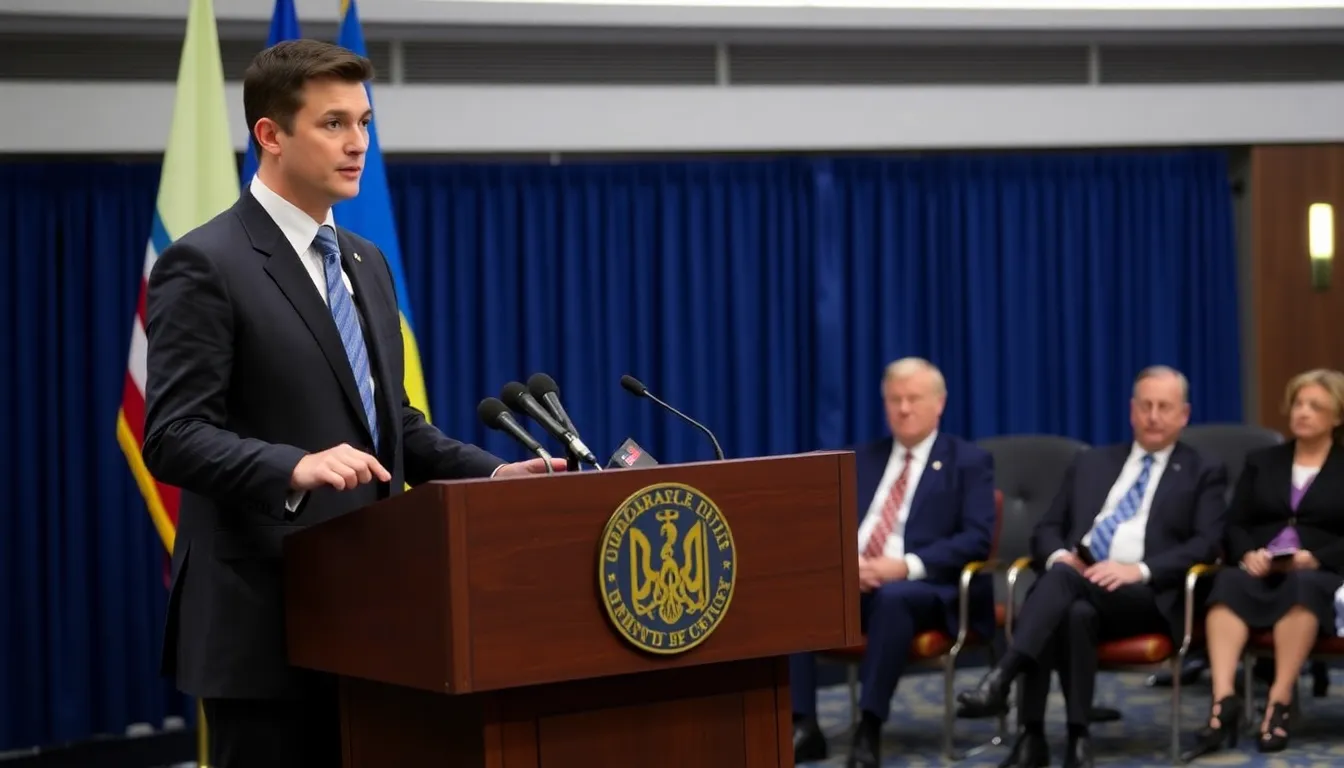
The situation escalated dramatically in 2014 when Russia annexed Crimea following Ukraine’s Euromaidan protests, which resulted in the ousting of pro-Russian President Viktor Yanukovych. This act of aggression was met with widespread condemnation from the international community and led to the imposition of sanctions on Russia. The annexation was a pivotal moment that not only strained relations between Russia and Ukraine but also heightened tensions between Russia and the West. To understand more about international responses to conflicts, see this article.
Since then, the conflict has evolved into a protracted war in Eastern Ukraine, particularly in the Donetsk and Luhansk regions, where Russian-backed separatists have declared independence. This ongoing conflict has resulted in thousands of deaths and has displaced millions of people, creating a humanitarian crisis. Various attempts at peace negotiations, including the Minsk agreements, have failed to produce a lasting resolution, leaving the situation in a state of limbo.
The Role of the United States and NATO
The United States has played a significant role in the conflict, providing military and economic support to Ukraine while also imposing sanctions on Russia. NATO’s involvement has further complicated the situation, as the alliance has expressed support for Ukraine’s sovereignty and territorial integrity. The U.S. has been vocal about the need for a diplomatic resolution to the conflict, emphasizing the importance of Ukraine’s independence and the security of Europe as a whole. As the conflict continues, the call for a resolution by June reflects the urgency of the situation and the desire for stability in the region.
Key stakeholders and issues in the ongoing conflict
The ongoing conflict between Russia and Ukraine has drawn the attention of various stakeholders, each with distinct interests and motivations. At the forefront is the Ukrainian government, led by President Volodymyr Zelensky, who is advocating for a swift end to hostilities to restore national sovereignty and ensure the safety of its citizens. The United States, as a key ally of Ukraine, has expressed a desire for a resolution by June, indicating a strategic interest in stabilizing the region and countering Russian influence.
On the opposite side, the Russian government, under President Vladimir Putin, seeks to maintain territorial gains and assert its power in Eastern Europe. The Kremlin’s objectives include securing recognition of its annexation of Crimea and increasing its leverage over Ukraine. This divergence in goals creates a complex landscape where both sides are entrenched in their positions, complicating diplomatic efforts.
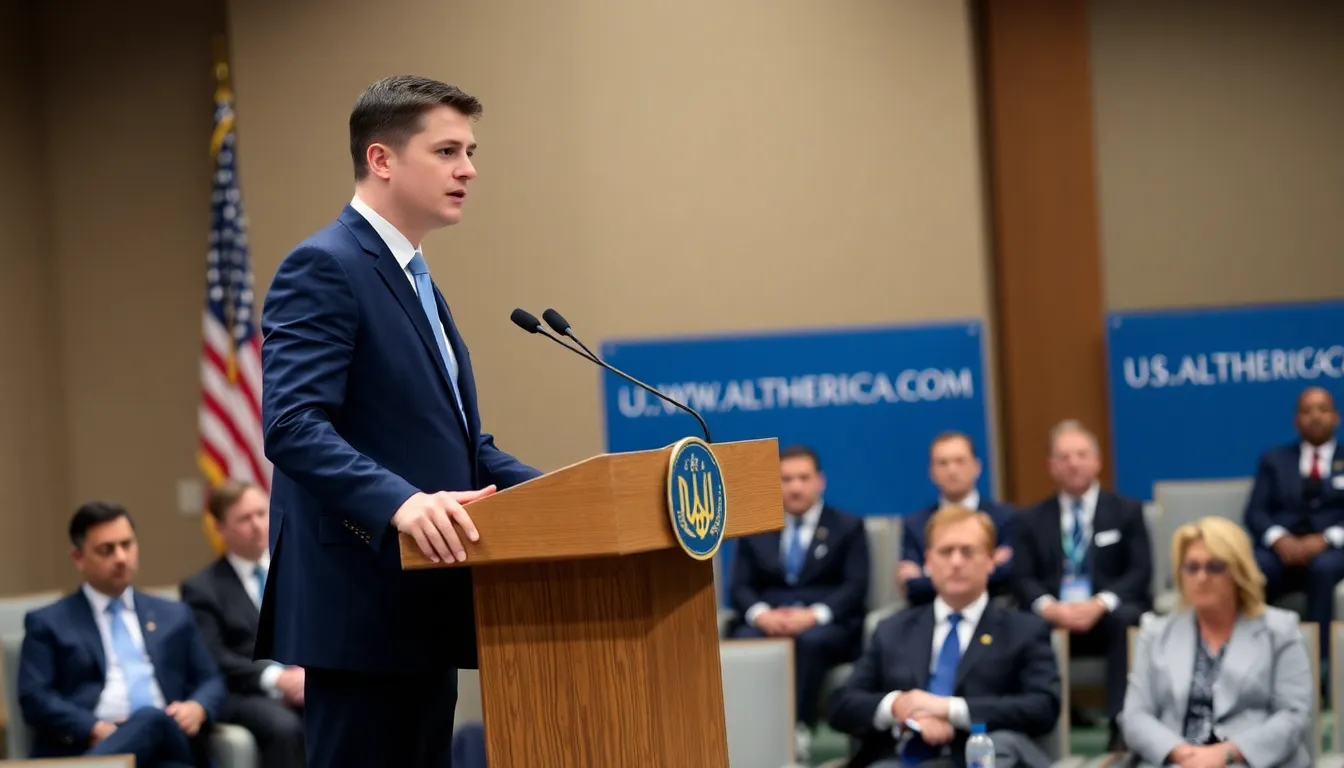
Additionally, international organizations such as the United Nations and NATO play crucial roles in mediating the conflict. Their interests lie in fostering peace and stability, preventing further escalation, and addressing humanitarian concerns. The involvement of these organizations highlights the broader geopolitical implications of the conflict, as member states weigh their responses based on national interests and alliances.
- Humanitarian Issues: The conflict has led to significant civilian casualties and a refugee crisis, necessitating urgent humanitarian aid and international intervention.
- Economic Sanctions: The U.S. and its allies have imposed sanctions on Russia, which affects global markets and has implications for energy prices and supply chains.
- Military Support: The provision of military aid to Ukraine by the U.S. and NATO raises questions about escalation and the potential for direct confrontation with Russia.
- Diplomatic Efforts: Ongoing negotiations and peace talks are critical, yet often hindered by mistrust and conflicting demands from both sides.
- Legal Implications: Issues surrounding war crimes and international law are increasingly relevant as reports of atrocities emerge from the conflict zones.
Potential impact on civilians and global markets
The ongoing conflict between Russia and Ukraine has far-reaching implications not only for the countries involved but also for global markets and civilian populations. As the U.S. pushes for a resolution by June, various groups stand to be affected, including local populations in conflict zones, global energy markets, and agricultural sectors reliant on Ukrainian exports. To explore the impact on civilian lives further, check out this post.
In the short term, civilians in Ukraine and Russia will continue to face the brunt of the conflict. Displacement, loss of life, and humanitarian crises are ongoing challenges. Meanwhile, businesses in the energy sector, particularly those in Europe, are grappling with fluctuating prices and supply chain disruptions. The uncertainty surrounding the war has led to increased volatility in oil and gas markets, affecting everything from transportation costs to heating bills for households.
Mid-term impacts are likely to be felt across various industries. For example, agricultural sectors in both Ukraine and Russia, which are significant contributors to global grain supplies, may see shifts in production capabilities. A resolution could stabilize prices, but prolonged conflict would exacerbate food insecurity in regions dependent on these exports. Additionally, companies in the technology and manufacturing sectors may face increased costs due to disrupted supply chains and rising materials prices.
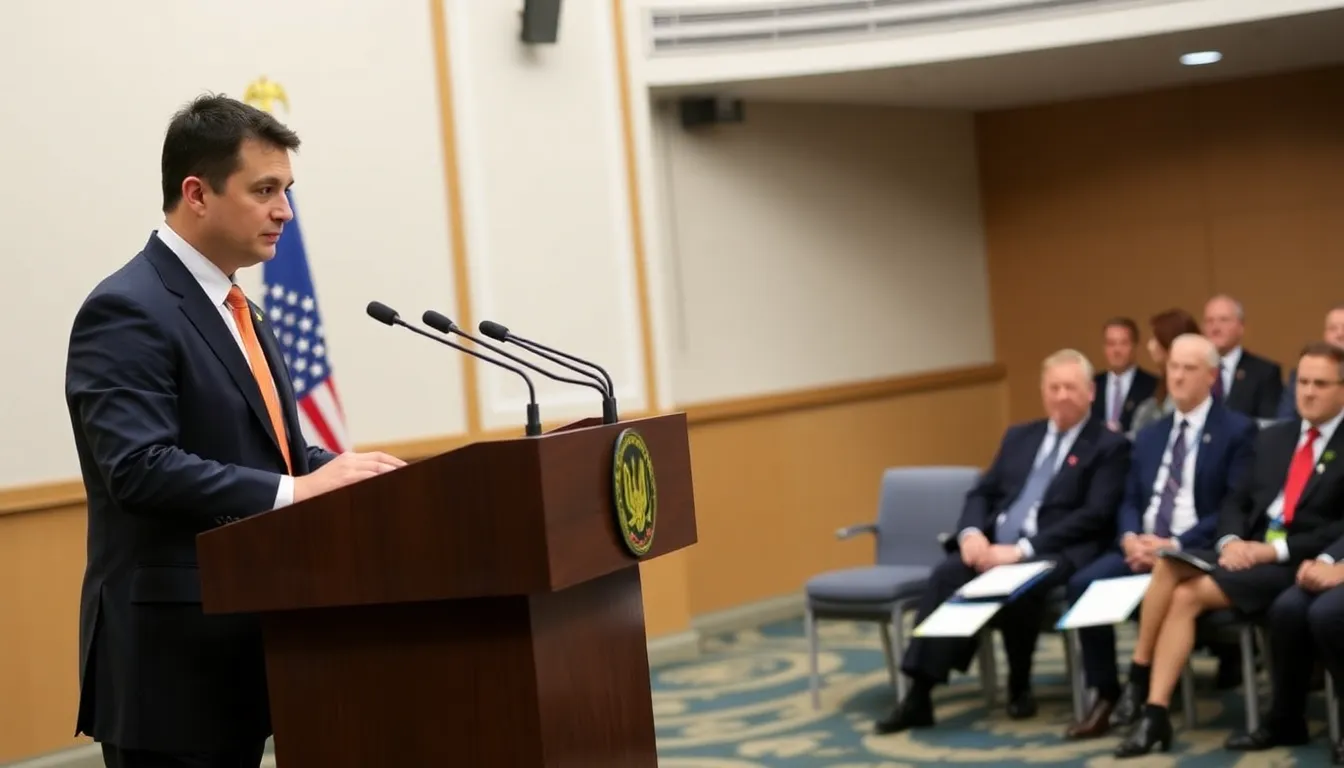
- Civilians: Continued humanitarian crises and displacement.
- Energy Sector: Volatile prices and supply chain disruptions.
- Agriculture: Potential shifts in global grain supply and food security.
- Business Operations: Increased costs and supply chain challenges.
While risks abound, there are also potential opportunities. A successful resolution could lead to a rebound in trade relationships, particularly in Europe, fostering economic recovery. Industries that pivot to adapt to new market conditions may find growth avenues in post-conflict rebuilding efforts. Furthermore, global cooperation on security and energy independence could emerge as nations reassess their dependencies, leading to innovative partnerships and investments.
A: Zelensky stated that the US is actively encouraging both Russia and Ukraine to reach a peace agreement by June, emphasizing diplomatic efforts. A: The June deadline is seen as crucial for maintaining momentum in negotiations and addressing the humanitarian crisis resulting from the war. A: Key obstacles include territorial disputes, military strategies, and differing political agendas between the involved parties. A: Ending the conflict could stabilize energy prices and improve trade relations, positively impacting the global economy. A: The international community, particularly Western nations, is involved in mediating discussions and providing support to Ukraine.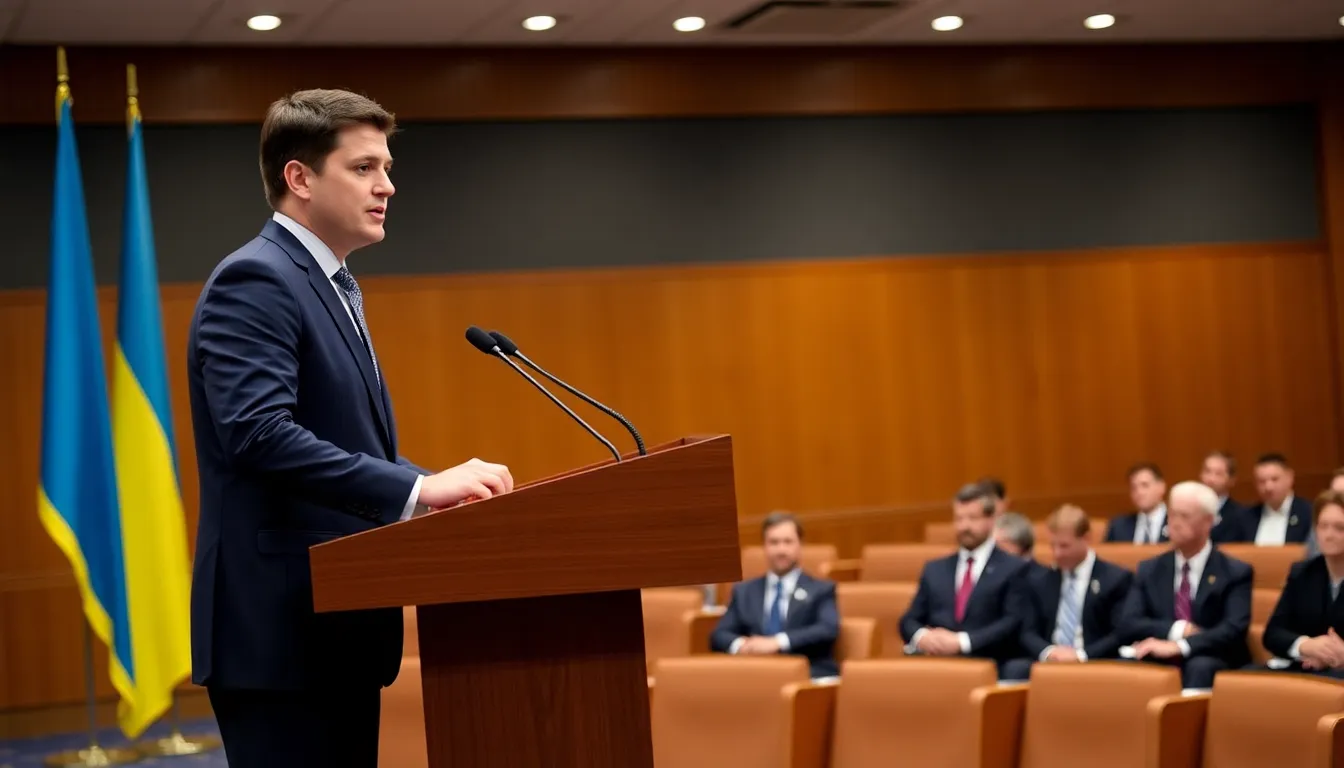
Frequently asked questions regarding the conflict
Insights on the future of the Russia Ukraine war
The recent statements from Ukrainian President Volodymyr Zelensky regarding the U.S. desire for a resolution to the conflict by June highlight the urgency of diplomatic efforts in the region. As both nations continue to grapple with the ongoing war, the implications of external pressures and timelines could shape the trajectory of peace negotiations and military strategies.
With the potential for a ceasefire or peace agreement on the horizon, it is essential to consider the various factors that could influence the situation. The involvement of international stakeholders, the resilience of both nations, and the changing geopolitical landscape will play critical roles in determining the outcome of this conflict.
- Monitor the response of both Russia and Ukraine to the U.S. timeline, as it may indicate their willingness to engage in negotiations.
- Watch for shifts in military strategies or deployments in the lead-up to June, which could signal both sides’ intentions regarding peace talks.
- Consider the role of other international actors, including the EU and NATO, in facilitating or hindering progress towards a resolution.
- Stay alert for public sentiment in Ukraine and Russia, as domestic pressures could influence leaders’ decisions on peace initiatives.
- Evaluate the potential economic implications for both countries if a ceasefire is achieved, including the reconstruction efforts and international aid that may follow.