
This year, 37 countries will compete for the coveted title, with each nation presenting its unique artistic flair. The event not only highlights the musical talents of the participants but also promotes unity and collaboration among European nations. For more on past events, check out our article on the Dua Lipa concert film. The anticipation surrounding the final is heightened by the public’s ability to vote for their favorite performances, adding an interactive element to the viewing experience.
In addition to the performances, the Eurovision Final will feature special guest appearances and a celebration of past winners, further enriching the event’s atmosphere. Fans eagerly await the announcement of the winner, which will be determined by a combination of jury votes and public voting, creating a suspenseful and engaging finale. This year’s competition is particularly noteworthy as it is hosted in the UK for the first time since 1998, following Ukraine’s win in 2022.
As the final approaches, preparations are in full swing, with rehearsals and promotional events taking place across Liverpool. The excitement is palpable, with fans and participants alike looking forward to a night filled with music, creativity, and cultural exchange. The Eurovision Song Contest Final not only serves as a platform for emerging artists but also reinforces the importance of artistic expression in fostering community and connection across different cultures.
The History and Significance of the Eurovision Song Contest
The Eurovision Song Contest, first held in 1956, has grown from a small gathering of seven countries to one of the largest and most watched music competitions in the world. Established in the aftermath of World War II, the contest aimed to foster unity among European nations through a shared cultural experience. The initial event featured just two songs from each participating country, but it quickly evolved into a grand spectacle showcasing diverse musical talents and styles.
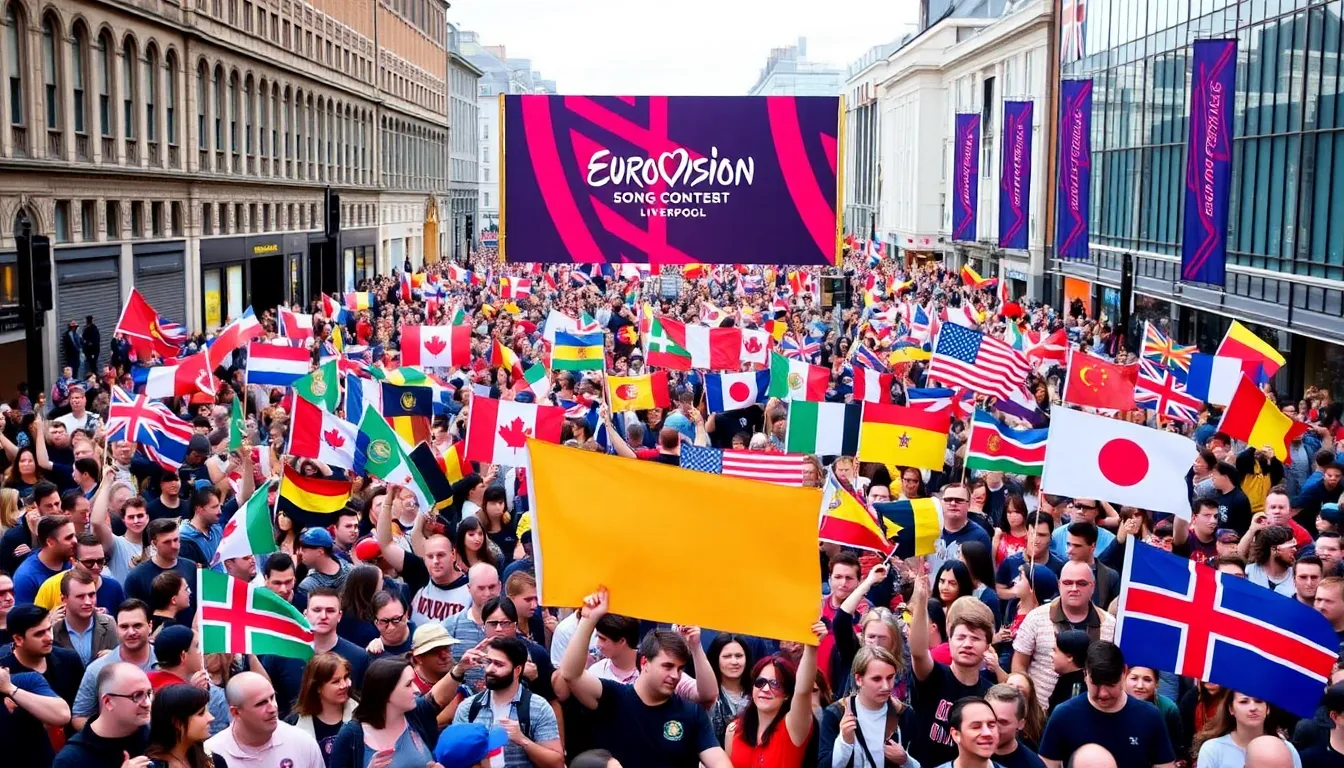
Over the decades, Eurovision has reflected the changing political landscape of Europe. During the Cold War, countries from both sides of the Iron Curtain participated, often using the platform to promote their cultural narratives. The fall of the Berlin Wall in 1989 marked a significant turning point, allowing former Eastern Bloc countries to join the contest and further diversify its musical offerings. This expansion has contributed to the contest’s reputation as a celebration of inclusivity and cultural exchange.
Economic Impact and Cultural Significance
Beyond its entertainment value, the Eurovision Song Contest has considerable economic implications. Host countries often experience a surge in tourism and international attention, with cities preparing for months to showcase their culture and hospitality. For more insights into cultural events and their impact, see our piece on Harry and Meghan’s film. The contest has also become a lucrative opportunity for artists, with many past participants achieving international fame and success.
Socially, Eurovision serves as a platform for various movements, including LGBTQ+ rights and cultural representation. The contest has been embraced by the LGBTQ+ community, becoming a symbol of pride and acceptance. Many artists use their performances to address social issues, making Eurovision not just a musical competition but also a stage for political and social commentary.
As we approach the next Eurovision Final, it is essential to recognize the contest’s rich history and its role in shaping cultural identities across Europe. From its humble beginnings to its current status as a global phenomenon, Eurovision continues to unite diverse nations through the universal language of music.
Key Players and Issues in the Eurovision Song Contest
The Eurovision Song Contest (ESC) is a multifaceted event that draws in a variety of stakeholders, each with distinct interests and objectives. Key players include the European Broadcasting Union (EBU), national broadcasters, participating countries, artists, and the audience. To understand more about global interactions, explore our article on unique animal behaviors that emphasize the importance of interconnectedness. The EBU oversees the organization of the contest, ensuring that it adheres to its rules and promotes cultural exchange among European nations.
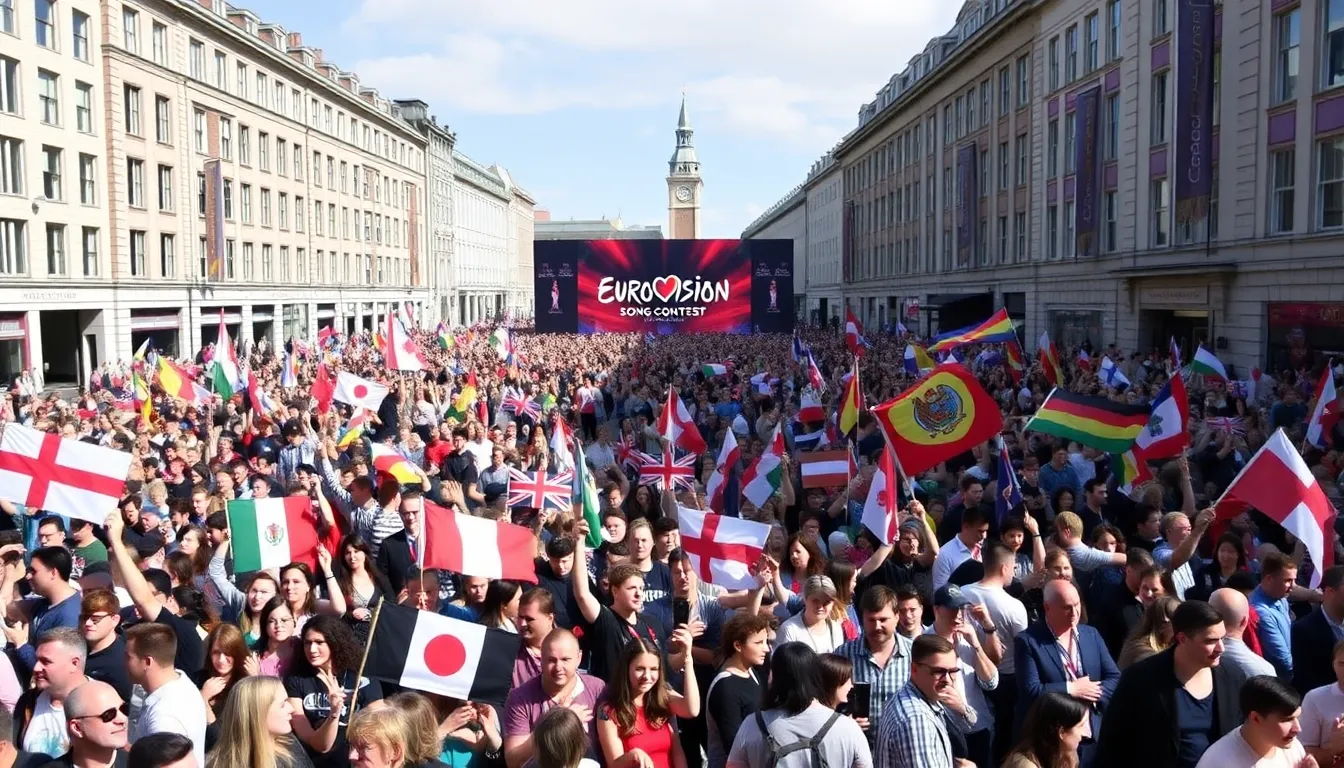
National broadcasters are responsible for selecting their representatives and often engage in strategic planning to maximize their chances of success. They may face internal pressure from viewers and sponsors to deliver a strong performance. Additionally, governments may see participation as a means to enhance national pride and soft power on the international stage.
Artists, who are the face of their countries in the competition, have their own interests, including gaining exposure, launching international careers, and connecting with diverse audiences. However, they may also face conflicts with their national broadcasters regarding song selection, performance style, and promotional strategies.
Several key issues arise from the dynamics between these stakeholders:
- Voting Systems: The mix of public and jury voting can create tensions, as different countries may have varying opinions on what constitutes a winning entry.
- Political Influences: The contest has historically been influenced by political relationships, which can affect voting patterns and public perceptions.
- Economic Impact: Hosting the contest can provide significant economic benefits to the host city, but it also requires substantial investment and resources.
- Cultural Representation: The need to balance traditional and contemporary music styles can lead to debates over authenticity and representation.
- Legal Regulations: Compliance with copyright laws and broadcasting regulations is crucial for all participants, adding another layer of complexity to the contest.
Understanding these dynamics is essential for grasping the broader implications of the Eurovision Song Contest, as it reflects not only musical talent but also the intricate interplay of cultural, political, and economic factors in Europe today.
Who Benefits from the Eurovision Song Contest Final?
The Eurovision Song Contest Final is a significant event that impacts various groups and industries across Europe and beyond. From music enthusiasts to local economies, the contest serves as a platform for cultural exchange and entertainment, influencing a wide range of stakeholders.
One of the primary groups affected is the music industry, particularly artists and record labels. Participating in Eurovision can catapult lesser-known artists into the spotlight, providing them with international exposure and potential record sales. For established artists, it offers an opportunity to revitalize their careers and reach new audiences.
Local economies in host cities also experience a boost during the event. The influx of tourists and fans contributes to increased revenue for hotels, restaurants, and local businesses. This surge in tourism can lead to job creation in the hospitality sector, providing short-term economic benefits for the region.
However, there are risks associated with hosting such a large-scale event. Cities may face challenges related to infrastructure strain, security concerns, and the environmental impact of increased travel. Additionally, the costs of hosting the contest can be substantial, leading to potential financial burdens for local governments.
- Short-term impacts: Increased tourism and revenue for local businesses.
- Mid-term impacts: Enhanced visibility for artists and potential for long-term career growth.
- Risks: Strain on local infrastructure and potential financial burdens for host cities.
- Opportunities: Cultural exchange and promotion of diversity through music.
In summary, the Eurovision Song Contest Final creates a dynamic environment that affects various sectors. While there are undeniable benefits, stakeholders must also navigate the associated risks to maximize the event’s positive impact on society and the economy.
A: The Eurovision Song Contest Final typically takes place in May each year, with the exact date varying. It’s important to check the official Eurovision website for the specific date. A: You can watch the Eurovision Song Contest Final live through various streaming services and television networks that broadcast the event. Check local listings for availability. A: Yes, viewers can vote for their favorite performances during the live show, usually via a mobile app or through SMS. Specific voting methods can vary by country. A: The Eurovision Song Contest features participants from various countries across Europe and beyond. Each year, the number of participating countries can change. A: Yes, the Eurovision Song Contest Final often includes special performances, guest artists, and unique acts that enhance the entertainment value of the event.
Frequently Asked Questions about Watching Eurovision
Key Takeaways and Future Outlook for Eurovision Fans
The Eurovision Song Contest Final represents not just a celebration of music and culture, but also a unique opportunity for fans to engage with a diverse array of performances from across Europe. As the event continues to evolve, viewers can anticipate a blend of traditional elements and modern innovations that enhance the viewing experience. Understanding how to access the contest and what to expect can significantly enrich one’s enjoyment of the event.
In the coming years, the integration of technology and social media will likely play an even more pivotal role in shaping how fans interact with the contest. From streaming options to interactive voting mechanisms, staying informed about these developments will be crucial for an optimal viewing experience.
- Ensure you have access to a reliable streaming service ahead of the event to avoid last-minute issues.
- Engage with social media platforms during the contest for real-time updates and fan interactions.
- Familiarize yourself with the voting process to fully participate in shaping the outcome.
- Explore the cultural backgrounds of the participating countries to enhance your appreciation of the performances.
- Keep an eye on emerging trends in music and performance styles showcased at Eurovision for insights into the future of the music industry.