
As of October 2023, the fund’s administrators have indicated that they face “hard decisions” regarding the allocation of resources. This situation arises in the context of increasing demands for funding in various scientific fields, including health, technology, and environmental research, which have been highlighted as critical areas for national development. For more information, see our article on the impact of funding pauses in different sectors.
Key stakeholders, including universities and research organizations, are expressing concerns about the impact of this pause on ongoing projects and future innovations. Many researchers rely on these grants for their work, and the uncertainty surrounding funding could hinder progress in important areas of study.
The decision to pause new grants has sparked discussions about the long-term sustainability of the UK’s research funding landscape. With the government emphasizing the need for a more strategic approach to research investment, the outcome of this reassessment will likely shape the future of scientific inquiry in the UK.
Understanding the background of the research fund
The UK’s £8 billion research fund has been a cornerstone of the nation’s commitment to fostering innovation and scientific advancement. Established in the wake of the 2010 Spending Review, this fund aimed to support a wide range of research initiatives across various disciplines, from health and technology to environmental sciences. Over the years, it has played a crucial role in positioning the UK as a global leader in research and development.

However, the fund’s current pause on new grants marks a significant shift in its operational strategy, driven largely by economic pressures and shifting political priorities. The aftermath of Brexit has created a landscape of uncertainty, with funding mechanisms and international collaborations facing scrutiny. Additionally, for insights on similar impacts, explore our coverage of closures in cultural sectors due to funding issues.
Historical Context and Funding Challenges
Historically, the UK government has prioritized research funding as a means to stimulate economic growth and enhance public welfare. Yet, in recent years, there have been increasing calls for accountability and a reevaluation of funding priorities. The introduction of austerity measures following the 2008 financial crisis set a precedent for scrutinizing public spending, and the current economic climate has only intensified these challenges. As the government grapples with inflation and rising costs, the research fund’s sustainability is now under threat, prompting the need for ‘hard decisions’ regarding future investments.
Key milestones, such as the establishment of the UK Research and Innovation (UKRI) body in 2018, aimed to streamline funding processes and promote interdisciplinary research. However, the recent decision to pause new grants reflects a broader trend of tightening budgets and reallocation of resources, which could have lasting implications for the UK’s research landscape. This situation underscores the delicate balance between funding innovation and managing fiscal responsibilities in an increasingly complex economic environment.
Analyzing the key stakeholders and issues at play
The recent decision to pause new grants from the UK’s £8bn research fund has significant implications for various stakeholders involved in the research ecosystem. Key players include government bodies, research institutions, private sector companies, and the broader scientific community. Each of these actors has distinct interests that may conflict with one another as the situation unfolds.
At the forefront are government agencies responsible for managing the research fund. They face the challenge of balancing budget constraints with the need to foster innovation and maintain the UK’s competitive edge in research and development. The pause in new grants raises concerns about potential delays in critical projects and the impact on long-term research strategies.

Research institutions, including universities and think tanks, are also significantly affected. Many rely on these grants for funding essential research initiatives. The uncertainty surrounding future funding can hinder their ability to plan and execute projects, which may lead to a loss of talent and resources. Furthermore, the pause could exacerbate existing inequalities in research funding, as larger institutions may be better equipped to navigate these challenges compared to smaller entities.
- Government Agencies: Seeking to manage budgets while promoting innovation.
- Research Institutions: Facing funding uncertainty and potential project delays.
- Private Sector Companies: Concerned about the impact on research partnerships and technological advancements.
- Scientific Community: Advocating for continued funding to ensure progress in various fields.
- Public Interest: Worrying about the implications for societal challenges that rely on research solutions.
Furthermore, the economic implications of this pause cannot be overlooked. The UK’s research sector contributes significantly to the economy, and any disruptions in funding could have a ripple effect on innovation and job creation. The trade-offs involved in reallocating funds or prioritizing certain areas of research over others will likely lead to heated debates among stakeholders, each advocating for their own interests.
The impact on researchers and the broader market
The pause on new grants from the UK’s £8bn research fund is set to affect a wide range of stakeholders, including academic researchers, universities, and industries reliant on innovation and development. Particularly, fields such as health, technology, and environmental sciences may feel the immediate effects of this funding freeze. To understand how such events could unfold, read about potential repercussions in digital security as funding dynamics shift.
In the short term, researchers may face disruptions in their projects, leading to delays in important studies and findings. This could hinder advancements in critical areas such as medical research and climate change solutions, impacting public health and environmental policies. The uncertainty surrounding funding may also lead to job insecurity for research staff and reduced opportunities for early-career scientists.
Mid-term impacts could extend to businesses that depend on academic research for innovation. Industries such as pharmaceuticals, renewable energy, and technology may experience a slowdown in research and development, potentially resulting in fewer new products and services entering the market. This could stifle economic growth and competitiveness on a global scale.
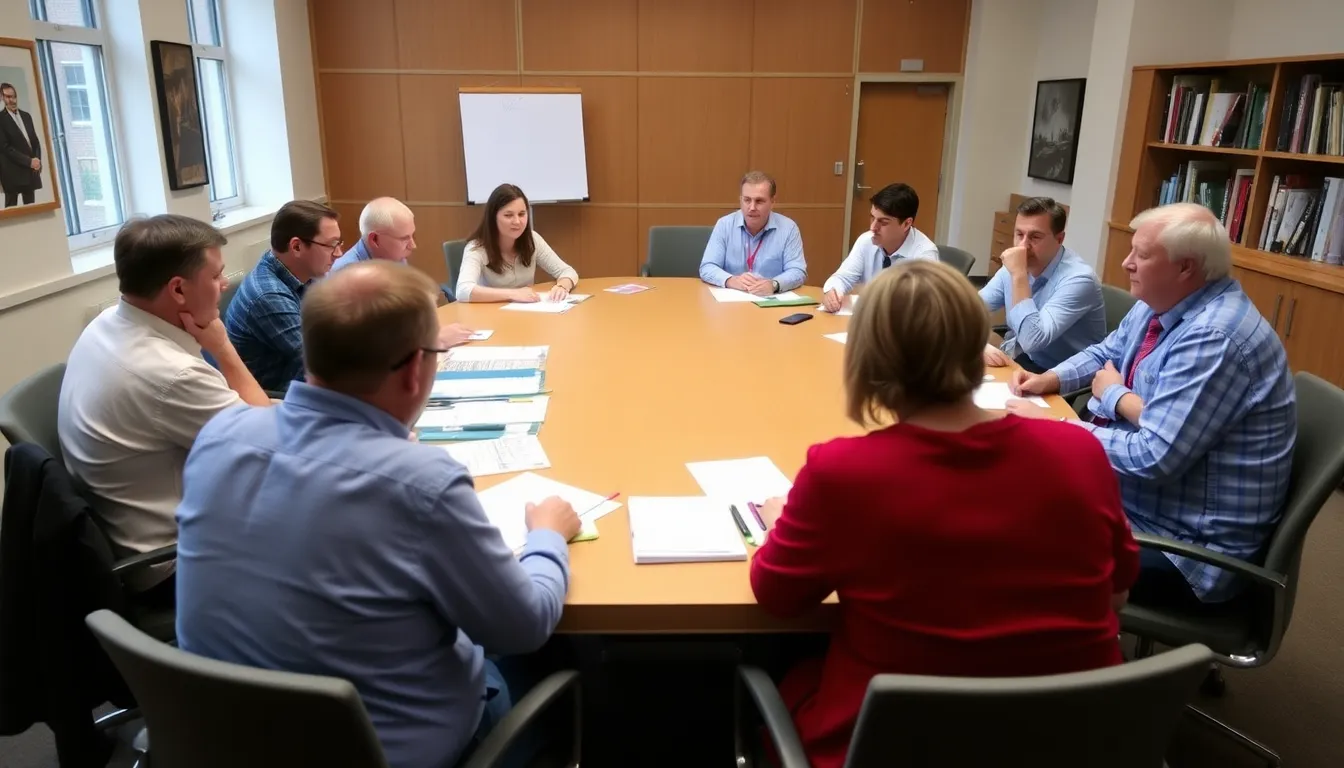
However, there are also potential opportunities that may arise from this challenging situation. Research institutions and businesses might be prompted to seek alternative funding sources, such as private investments or international collaborations, which could lead to innovative funding models. Additionally, this pause could encourage a reevaluation of priorities within the research community, focusing efforts on the most impactful projects.
- Disruption of ongoing research projects
- Job insecurity for researchers and academic staff
- Slowdown in innovation for reliant industries
- Potential for alternative funding models
- Reevaluation of research priorities
A: The UK government has paused new grants to reassess funding priorities and ensure effective allocation of resources amid budget constraints. A: Ongoing projects may face delays or funding shortages, which could impact their outcomes and timelines. A: The timeline for resuming new grants is currently unclear, as it depends on the government’s review process and budget decisions. A: Key stakeholders include researchers, universities, and industry partners who rely on funding for innovation and development. A: Long-term implications may include a slowdown in research advancements and a potential loss of talent in the UK research sector.
Frequently asked questions about the research fund pause
Key takeaways and future outlook on the research funding
The pause in new grants from the UK’s £8bn research fund signals a critical juncture for the science and innovation landscape. As the government grapples with budgetary constraints, stakeholders must prepare for a potential shift in research priorities and funding availability. This situation may lead to increased competition for existing resources and a reevaluation of strategic research initiatives.
<pLooking ahead, it will be essential for researchers, institutions, and policymakers to adapt to these changes while advocating for the importance of sustained investment in scientific endeavors. The implications of this funding pause could resonate across various sectors, influencing collaboration and innovation trajectories.
- Monitor the government’s decisions regarding the allocation of existing funds to prioritize urgent research areas.
- Watch for potential partnerships between academia and industry as institutions seek alternative funding sources.
- Consider the impact of funding pauses on emerging researchers and the long-term effects on the talent pipeline.
- Evaluate how this situation may affect international collaborations and the UK’s position in global research initiatives.