
During the talks, both leaders described the discussions as ‘very successful,’ highlighting a mutual interest in stabilizing the U.S.-China relationship. However, despite the positive tone, few concrete agreements were reached, leaving many analysts questioning the effectiveness of the dialogue.
Key topics included trade imbalances, tariffs, and cooperation on climate change. Both parties acknowledged the importance of collaboration in addressing global challenges, yet the absence of specific commitments suggests that significant hurdles remain. As the two countries navigate their complex relationship, the implications of these talks could reverberate across international markets and diplomatic efforts.
The meeting comes at a critical juncture, as both leaders face domestic pressures and international scrutiny. Trump’s campaign strategy is heavily focused on foreign policy, while Xi seeks to assert China’s influence on the global stage. The outcomes of their discussions could influence not only their political futures but also the broader dynamics of U.S.-China relations in the coming years.
Understanding the background of US-China relations
The relationship between the United States and China has been marked by a complex interplay of cooperation and competition, shaped by historical events and evolving political dynamics. Since the establishment of diplomatic relations in 1979, the two nations have navigated a landscape of mutual interests and significant tensions, particularly in areas such as trade, security, and human rights.
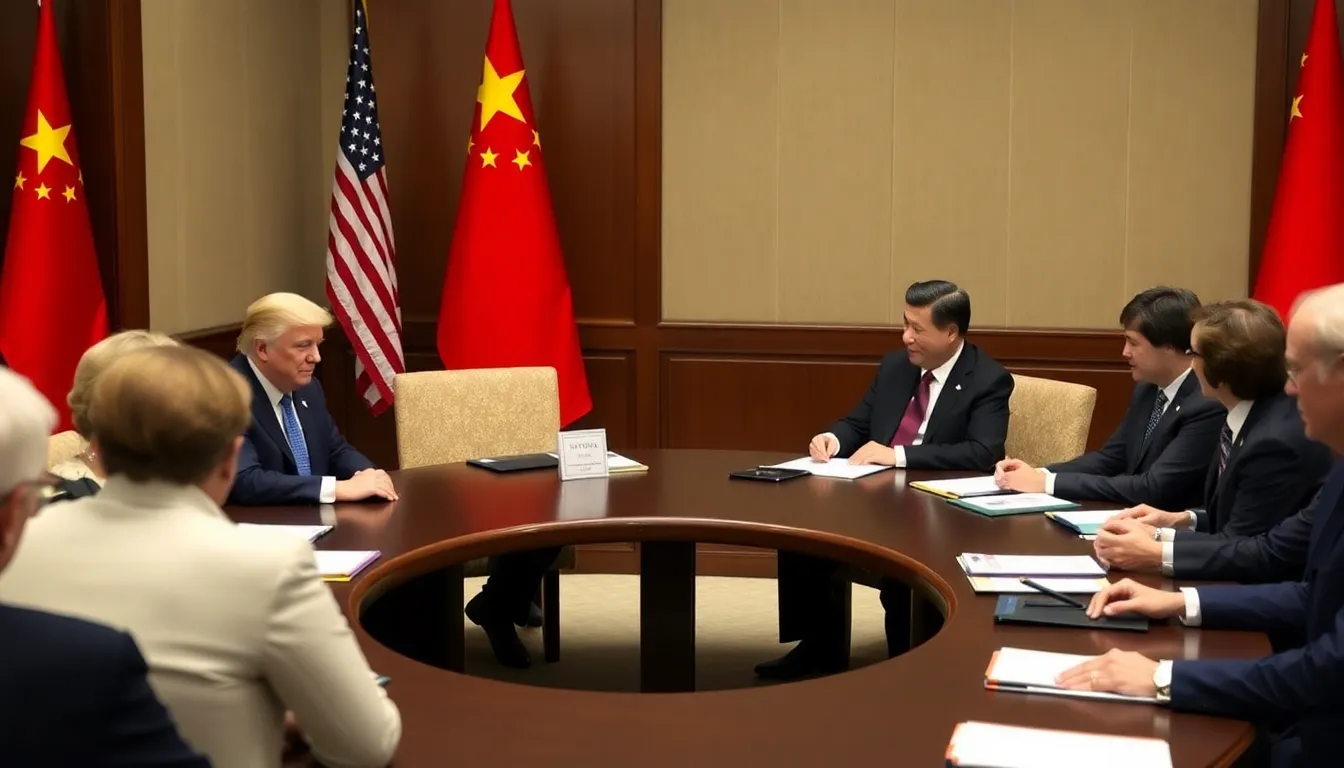
One of the key milestones in US-China relations was China’s accession to the World Trade Organization (WTO) in 2001, which marked a significant step towards integrating China into the global economy.
The trade war that began in 2018 under the Trump administration further strained relations, as tariffs were imposed on billions of dollars’ worth of goods from both countries. This period highlighted the underlying economic tensions and strategic competition, particularly in technology and military influence in the Asia-Pacific region. The conflict prompted both nations to reassess their economic strategies and diplomatic approaches.
Recent Developments
In recent years, attempts at dialogue have continued, with leaders from both nations recognizing the importance of communication amidst rising tensions. The talks between Trump and Xi, described as “very successful,” reflect a desire to stabilize relations and address pressing global issues such as climate change and public health. However, the lack of confirmed deals indicates the challenges that remain in bridging the gap between their differing political systems and economic philosophies.
As the global landscape evolves, the relationship between the US and China will remain critical not only for bilateral ties but also for international stability and economic growth. Understanding the historical context of their interactions provides essential insights into the complexities of their current negotiations and future engagements.
Key stakeholders and issues surrounding the discussions
The recent talks between U.S. President Donald Trump and Chinese President Xi Jinping have underscored the complex web of relationships and interests at play in global politics, as both leaders represent their respective nations in an atmosphere filled with tensions and aspirations.
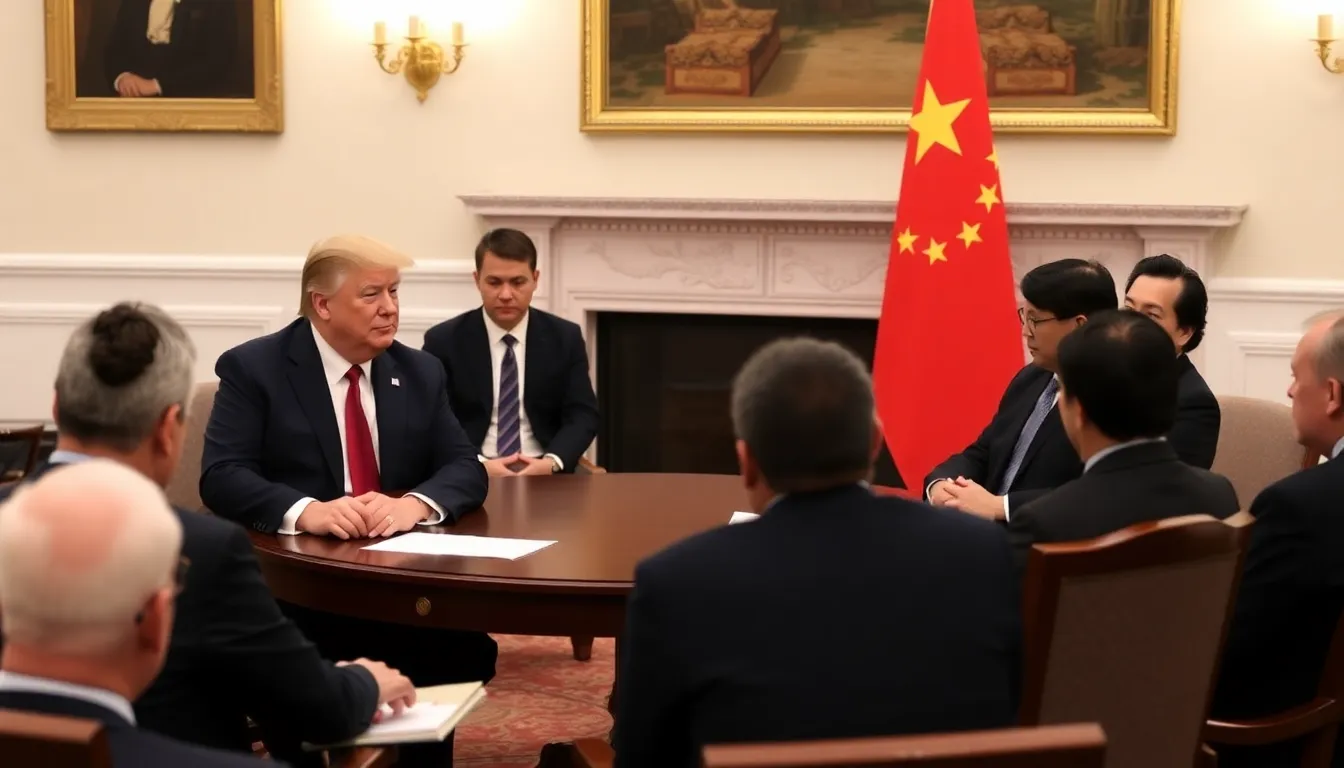
Key stakeholders in this scenario include the U.S. and Chinese governments, multinational corporations, and various international organizations. The interests of these groups often intersect and conflict, leading to a delicate balancing act during negotiations. For instance, while both leaders may seek to improve bilateral relations, their approaches to issues such as trade tariffs, intellectual property rights, and regional security differ significantly.
Among the critical issues that emerged from the talks are:
- Trade Relations: The U.S. has long criticized China for trade imbalances and intellectual property theft, while China seeks to protect its economic interests and expand its global reach.
- Technology Competition: The race for technological supremacy, particularly in areas like artificial intelligence and telecommunications, remains a contentious point between the two nations.
- Geopolitical Tensions: Issues surrounding Taiwan, the South China Sea, and North Korea highlight the broader strategic rivalry that complicates bilateral discussions.
- Climate Change: Both countries play a critical role in global climate initiatives, and their cooperation or lack thereof can significantly impact international environmental policies.
As the discussions concluded with a statement of being ‘very successful,’ the lack of confirmed deals raises questions about the effectiveness of the dialogue. While both leaders may have found common ground on certain topics, the absence of tangible agreements indicates that underlying issues remain unresolved. This situation reflects the broader challenges of diplomacy in an era marked by competing national interests and the complexities of global governance.
Potential impacts on global markets and diplomacy
The recent talks between Trump and Xi have the potential to significantly influence various groups and industries around the world. Key sectors such as technology, agriculture, and manufacturing are likely to feel the effects of any agreements or lack thereof, impacting their operations and strategies in both the short and mid-term.
In the short term, businesses that rely on trade between the U.S. and China may face uncertainty. This includes companies in the tech industry that depend on Chinese manufacturing and supply chains. Farmers in the U.S. who export to China might also experience fluctuations in demand, affecting prices and market stability. The impacts could lead to adjustments in production and pricing strategies across these sectors.
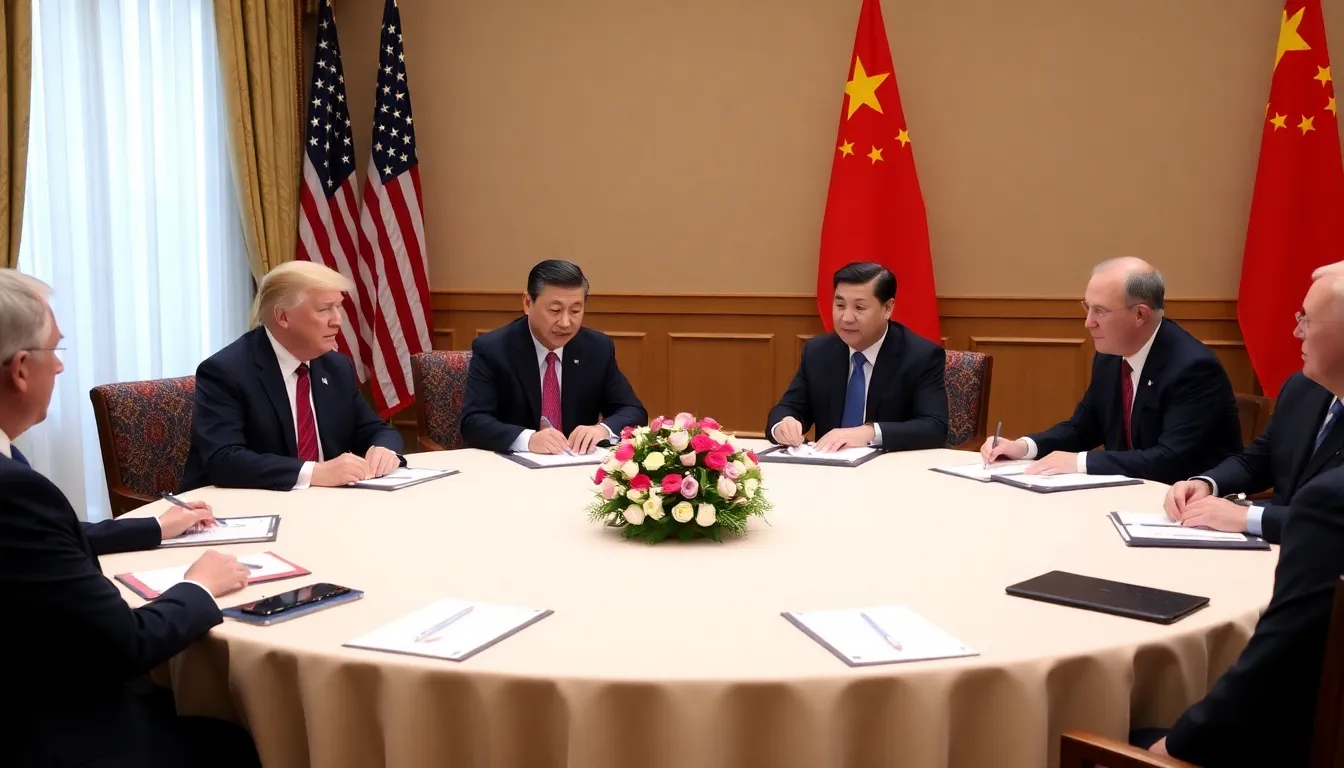
Mid-term implications could extend to policy changes as both nations assess the outcomes of the talks. Regulatory adjustments may arise, particularly concerning tariffs and trade agreements, which could reshape market dynamics. For instance, a lack of concrete deals might lead to the continuation of tariffs, affecting consumer prices and business profitability.
- Risks: Continued trade tensions could result in economic slowdowns, affecting employment and investment in key sectors.
- Opportunities: Companies may pivot to diversify supply chains or explore new markets, fostering innovation and resilience.
- Regional impacts: Countries heavily reliant on U.S.-China trade, such as those in Southeast Asia, might experience economic ripple effects.
Overall, while the talks have been labeled as “very successful,” the lack of confirmed deals leaves many stakeholders in a state of cautious optimism, balancing potential risks with opportunities for adaptation and growth in a rapidly changing global landscape.
A: The talks primarily focused on trade relations, climate change, and security issues, reflecting the complex nature of US-China interactions. A: Despite the positive tone, both leaders faced internal pressures that limited their ability to finalize agreements on key issues. A: The outcome could either pave the way for improved cooperation or exacerbate existing tensions, depending on subsequent actions taken by both sides. A: This term suggests that the discussions were constructive and open, but it does not necessarily translate into concrete agreements. A: Uncertainty surrounding the lack of confirmed deals may lead to volatility in global markets as investors react to the ongoing US-China dynamics.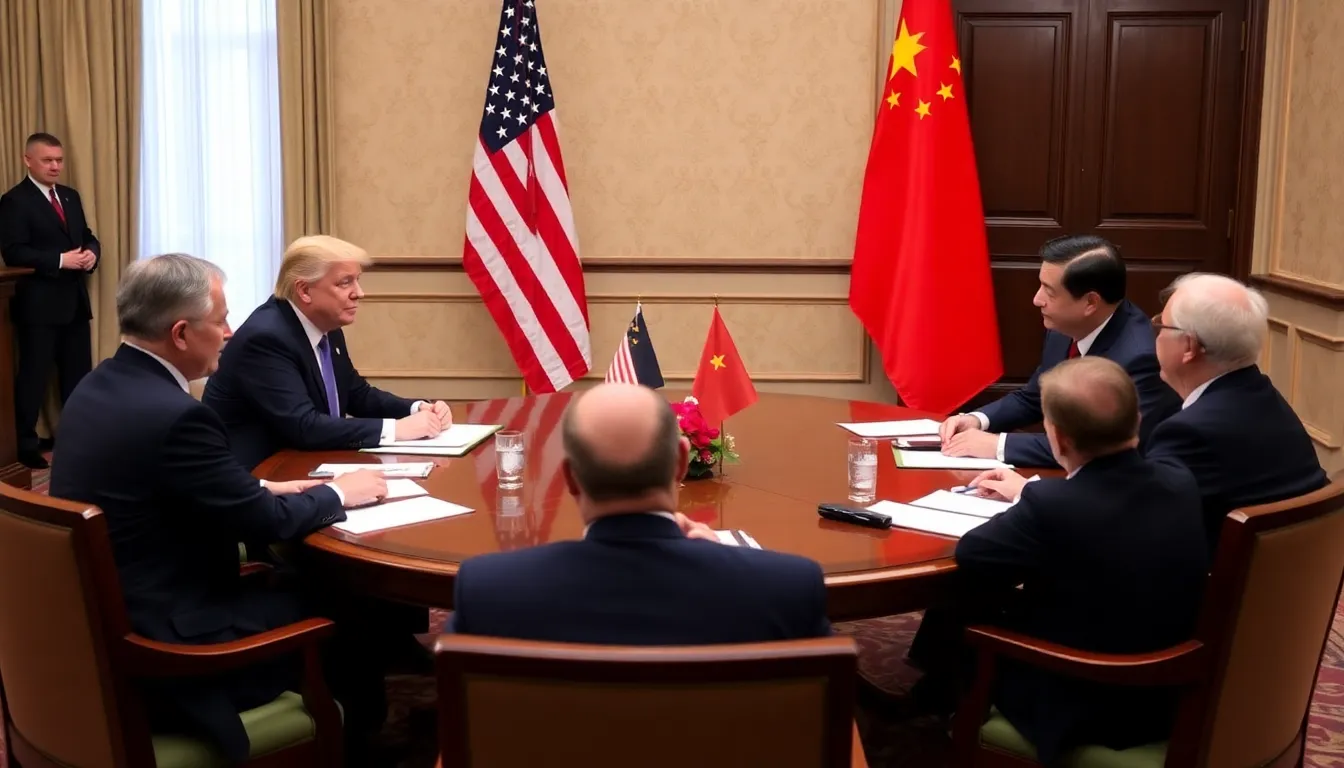
Frequently asked questions about the talks
Key takeaways and future outlook from the discussions
The recent talks between Trump and Xi have underscored the importance of dialogue in navigating the complex relationship between the United States and China. While both leaders characterized the discussions as “very successful,” the lack of concrete deals highlights the ongoing challenges in addressing key issues such as trade imbalances and technological competition. Observers should note that the tone of these talks may signal a potential thaw in relations, but significant hurdles remain.
Looking ahead, the implications of this meeting could shape not only bilateral ties but also global economic dynamics. Stakeholders should remain vigilant as developments unfold, particularly regarding policy shifts that may arise from this high-level engagement.
- Monitor any announcements regarding trade agreements or tariffs that may emerge in the coming weeks.
- Watch for changes in U.S. policy towards China, particularly in technology and investment sectors.
- Pay attention to how these discussions influence international alliances and economic partnerships.
- Consider the potential impact on markets, especially in sectors heavily reliant on China.
- Stay informed about public sentiment in both countries, as domestic politics could affect future negotiations.