
The agreement is expected to bolster Boeing’s position in the competitive global market, providing a much-needed boost to the company amid ongoing challenges. The deal is valued at approximately $37 billion, highlighting the scale and importance of this transaction for both Boeing and the Chinese aviation industry. For further context, you can read more about similar trade agreements in Bill Maher Critiques Trump Over China Relations.
This development also comes at a time when U.S.-China relations have been strained, with tariffs and trade barriers impacting various sectors. The purchase is viewed as a potential step towards easing tensions and fostering cooperation between the two nations, particularly in the context of economic recovery following the pandemic. Such relations have a long history, as discussed in the article on the complex interplay of U.S.-China trade.
Industry analysts suggest that this deal could lead to increased job opportunities in the U.S. as Boeing ramps up production to meet the new demand. Furthermore, it underscores the strategic importance of the Chinese market for American manufacturers, as China continues to expand its aviation capabilities. These developments are part of a broader narrative, illustrated by how Jack Johnson’s experiences reflect on unexpected challenges and opportunities.
Background on US-China trade relations and aviation industry
The relationship between the United States and China has been marked by a complex interplay of economic cooperation and competition. Over the past few decades, both nations have engaged in various trade agreements, but tensions have escalated in recent years due to issues such as intellectual property theft, tariffs, and trade imbalances. These dynamics have significantly influenced the aviation industry, where companies like Boeing and Airbus compete for a share of the lucrative Chinese market.
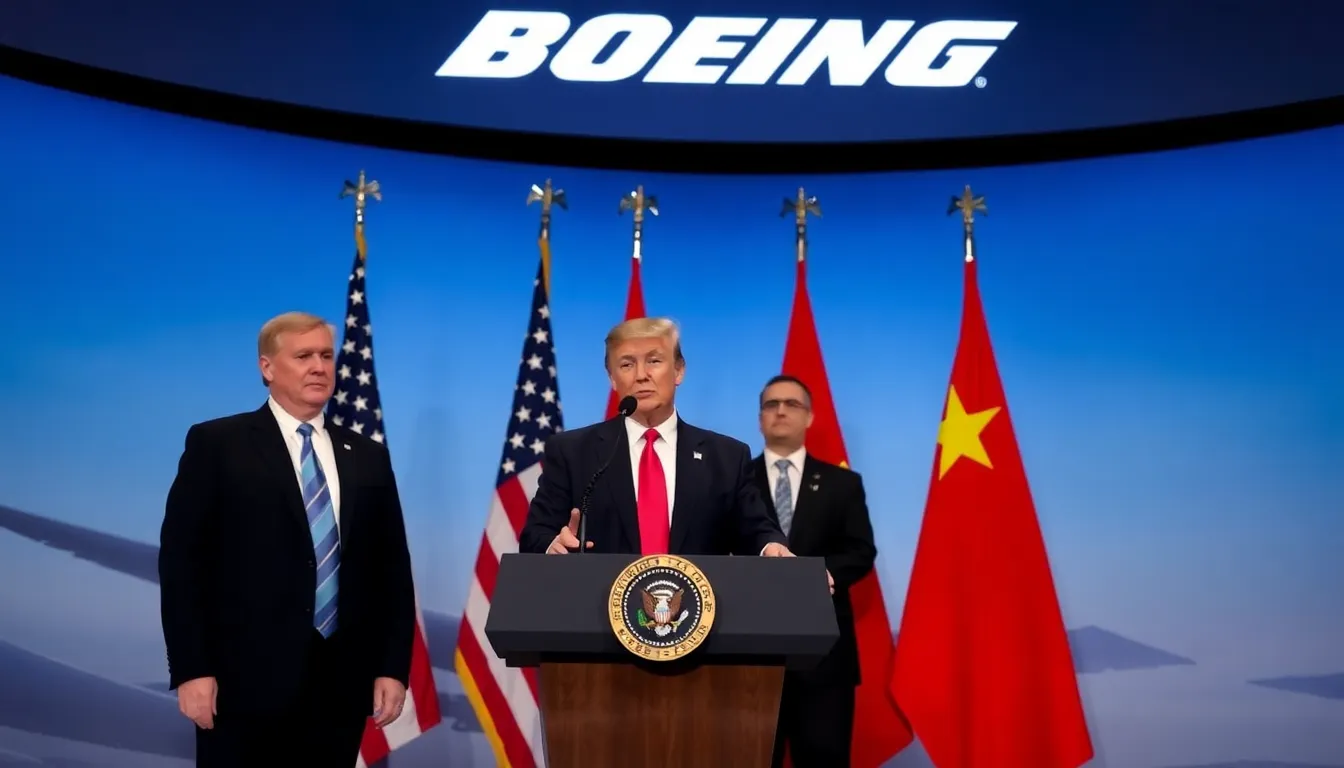
Historically, the aviation sector has been a critical area of collaboration between the US and China. The 2000s saw a surge in Chinese demand for commercial aircraft, driven by rapid economic growth and urbanization. Boeing, as a key player, capitalized on this opportunity, securing substantial orders from Chinese airlines. However, in recent years, geopolitical tensions and trade disputes have complicated these relationships, leading to uncertainty in future orders and investments.
Key Milestones in US-China Aviation Relations
Several key milestones have shaped the current landscape of US-China aviation relations. In 2015, Boeing announced a record deal with Chinese airlines for 300 aircraft, highlighting the strong demand for air travel in China. However, the trade war initiated in 2018 introduced tariffs on various goods, including aircraft components, straining the relationship further. The COVID-19 pandemic further disrupted air travel and delayed aircraft deliveries, adding another layer of complexity to Boeing’s operations in China.
In light of recent developments, the announcement of a potential purchase of 200 planes by China represents a significant turnaround in relations. This deal not only underscores the importance of the Chinese market for Boeing but also reflects a broader strategy by both nations to stabilize and enhance their economic ties amidst ongoing tensions. As the aviation industry recovers from the pandemic’s impact, such agreements could pave the way for renewed cooperation and growth in the sector.
Key stakeholders involved in the plane purchase deal
The announcement of China’s purchase of 200 planes from Boeing involves several key stakeholders, each with distinct interests and perspectives. The primary actors in this scenario include the U.S. government, Boeing as the manufacturer, the Chinese government, and various economic and political entities within both countries.
Firstly, the U.S. government, under the administration of former President Trump, has a vested interest in promoting American businesses and increasing exports. This deal is seen as a significant achievement in trade relations, potentially boosting the U.S. economy and creating jobs within the aerospace sector. However, the government must also navigate the complexities of international trade policies and relations with China.
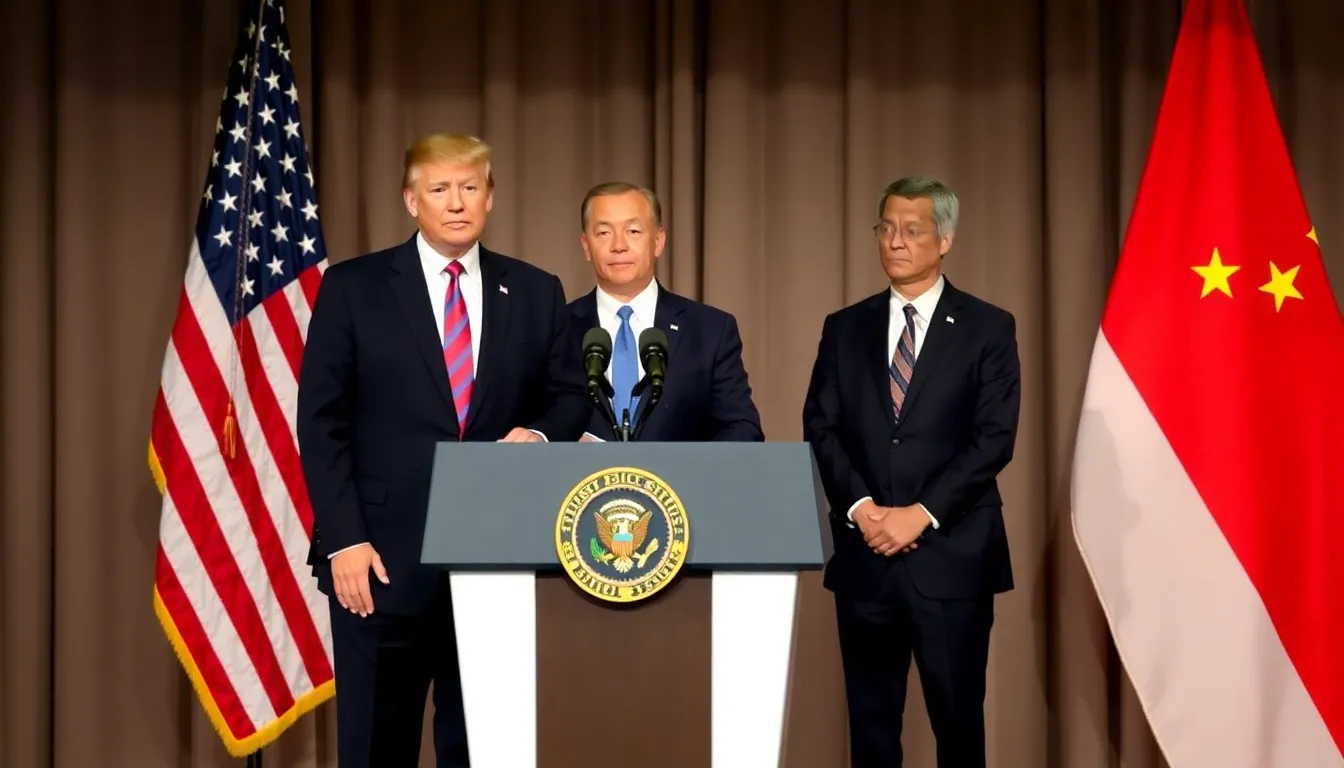
On the other hand, Boeing stands to gain substantially from this deal, as it not only represents a significant financial influx but also reinforces its position as a leading global aerospace manufacturer. The deal could help Boeing recover from previous financial setbacks and enhance its competitiveness against rival companies, particularly Airbus. However, Boeing must also address ongoing concerns regarding safety and regulatory compliance, especially in light of past incidents.
The Chinese government, as the purchaser, is motivated by its growing aviation needs and ambitions to modernize its fleet. This purchase aligns with China’s broader strategy to enhance its domestic air travel capabilities and support economic growth. However, the deal also raises concerns about China’s reliance on foreign technology and the implications for domestic manufacturers.
- Trade Relations: The deal could impact U.S.-China trade relations, with potential repercussions in tariffs and trade policies.
- Economic Impact: The financial benefits for Boeing could lead to job creation and economic growth in the U.S.
- Regulatory Scrutiny: Boeing may face increased scrutiny regarding safety standards and compliance in light of past challenges.
- Geopolitical Tensions: The deal may influence geopolitical dynamics, particularly in the context of U.S.-China relations.
- Domestic Industry Effects: The purchase may impact China’s domestic aviation industry and its competitiveness in the global market.
Potential impacts on the aviation market and economies
The announcement of China’s intention to purchase 200 planes from Boeing has significant implications for various stakeholders in the aviation industry and beyond. Key groups affected include airline operators, manufacturers, and regional economies, particularly those in the United States and China.
In the short term, Boeing stands to benefit from a substantial influx of orders, which could bolster its production schedules and workforce. This may lead to increased hiring and investment in manufacturing facilities, particularly in states that host Boeing’s operations. Conversely, rival aircraft manufacturers like Airbus may experience competitive pressure, prompting them to seek new markets or innovate their product offerings.
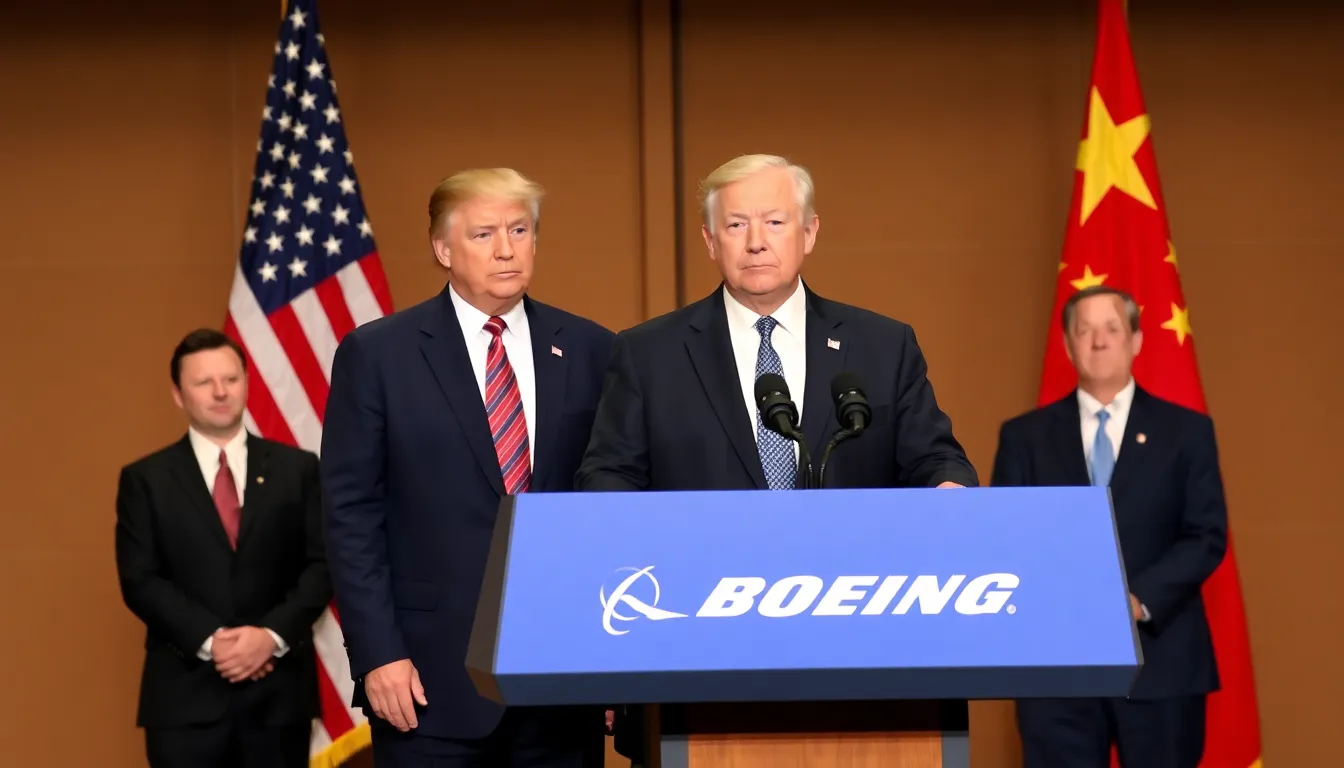
In the mid-term, the deal could enhance trade relations between the U.S. and China, potentially leading to a more stable business environment for aviation-related investments. However, this relationship may also introduce risks, especially if geopolitical tensions escalate, which could disrupt supply chains or lead to tariffs affecting the aviation industry.
- Airline Operators: Increased fleet capacity may lead to lower ticket prices and expanded routes.
- Manufacturers: Opportunities for growth and innovation in aircraft technology and production.
- Regional Economies: Job creation in manufacturing and increased economic activity in areas surrounding Boeing facilities.
- Trade Relations: Potential for improved U.S.-China relations, but risks of geopolitical tensions remain.
Ultimately, while the order presents a promising opportunity for Boeing and the aviation market, stakeholders must navigate the complexities of international trade and the potential for unforeseen disruptions that could arise from global political dynamics.
A: This purchase signifies a strengthening of trade relations between the US and China, particularly in the aviation sector. It also reflects Boeing’s ongoing recovery from previous challenges. A: This deal is expected to boost Boeing’s sales and production rates, helping the company to recover financially and increase its market share in China. A: The deal includes a variety of commercial aircraft models, which are designed to meet the growing demand for air travel in China. A: The delivery timeline has not been specified, but it is anticipated to occur over the next several years as Boeing ramps up production. A: This agreement could lead to improved diplomatic relations, but it may also face scrutiny from various stakeholders concerned about trade imbalances.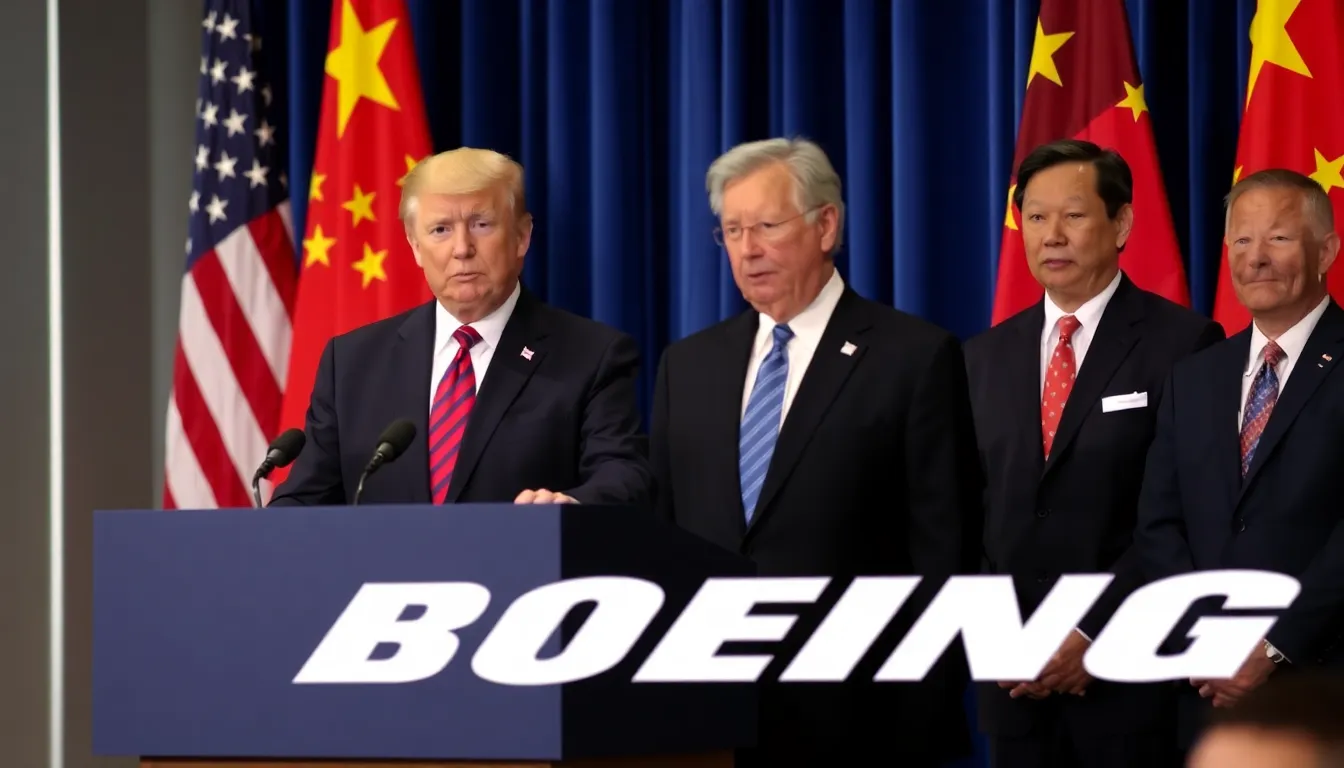
Frequently asked questions about the plane purchase
Key takeaways and future outlook on the deal
The announcement of China’s purchase of 200 planes from Boeing, facilitated by Trump, marks a significant development in U.S.-China trade relations. This deal not only underscores the ongoing economic interdependence between the two nations but also highlights the potential for further collaboration in the aerospace sector. As both countries navigate their complex relationship, the implications of this agreement could reverberate through various industries and geopolitical strategies.
Moving forward, stakeholders should monitor how this deal impacts Boeing’s market position, the broader aerospace industry, and U.S.-China diplomatic relations. Additionally, the response from competitors and the potential for future agreements will be crucial in shaping the landscape of international trade.
- Market Impact: Watch for Boeing’s stock performance and any shifts in market dynamics as a result of this deal.
- Geopolitical Ramifications: Assess how this agreement influences U.S.-China relations and any potential diplomatic negotiations.
- Competitor Reactions: Observe how Airbus and other competitors respond to this significant order and their strategies moving forward.
- Supply Chain Considerations: Consider the implications for Boeing’s supply chain and production capabilities in light of increased demand.
- Future Agreements: Keep an eye on potential future deals that may emerge from this collaboration between the U.S. and China.