
Australia’s Defense Minister, Richard Marles, described the exercises as “deeply concerning” and warned that they could exacerbate tensions in an already volatile area, underlining the need for vigilance in the region akin to the situation seen in Bosnia. The Australian government fears that such actions could undermine regional stability and provoke a stronger response from Taiwan and its allies, including the United States.
The exercises coincide with heightened diplomatic tensions between China and Taiwan, with Beijing continuing to assert its claim over the island. In recent weeks, Taiwan has reported a surge in Chinese military flights near its airspace, indicating a pattern of intimidation that could lead to miscalculations or unintended conflicts.
Australia’s response reflects a broader international apprehension regarding China’s military expansion and its implications for security in the Asia-Pacific. As nations monitor these developments closely, the potential for escalation remains a critical issue for regional diplomacy and peace.
Understanding the geopolitical landscape surrounding Taiwan
The tensions surrounding Taiwan are deeply rooted in a complex historical and political context that dates back to the Chinese Civil War. Following the defeat of the Nationalist government (Kuomintang) by the Communist Party in 1949, the Nationalists retreated to Taiwan, where they established a separate government. Since then, Taiwan has operated as a self-governing entity, but the People’s Republic of China (PRC) considers it a breakaway province that must eventually be reunified with the mainland, by force if necessary.
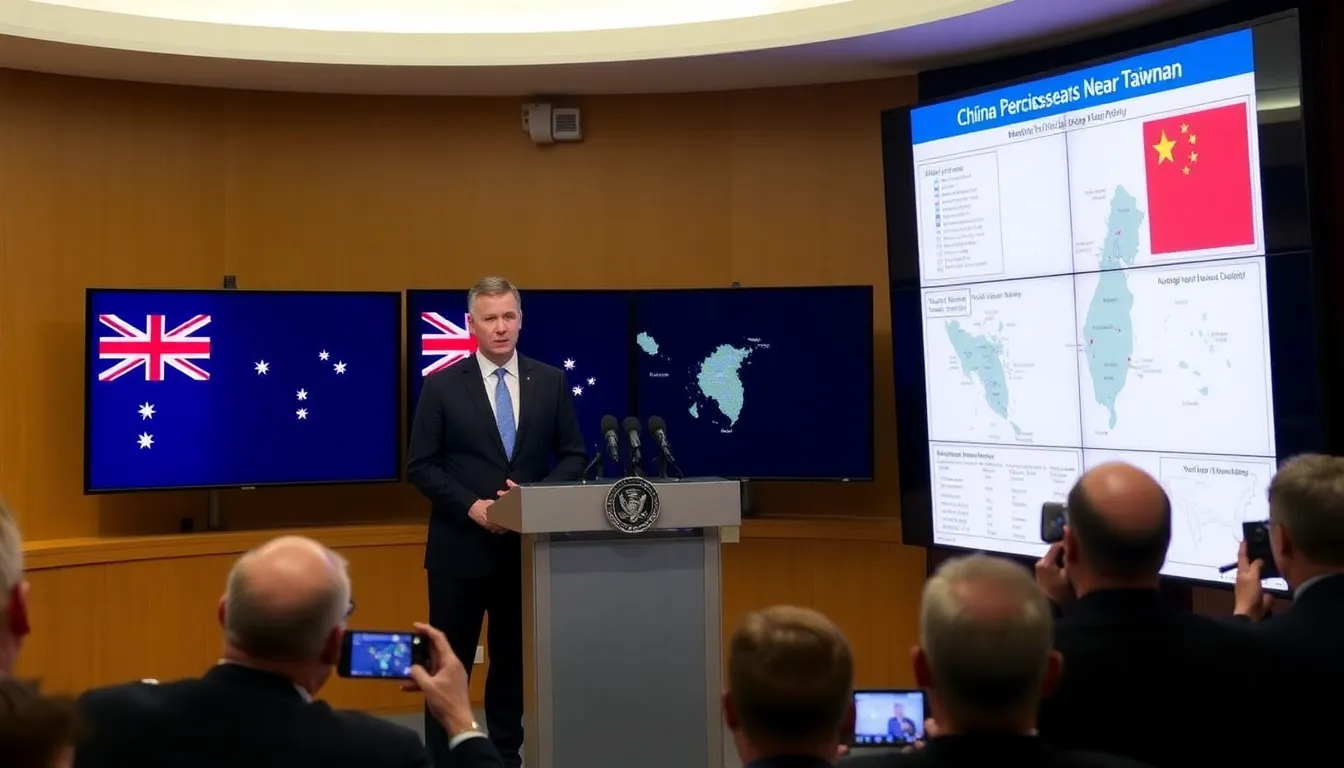
In recent years, Taiwan has sought to solidify its international presence, leading to increased friction with China, similar to the tensions faced by other nations as highlighted by Oracle’s situation amid global economic challenges. The island’s democratic governance and its push for greater international recognition have been met with stern opposition from Beijing, which views such moves as a direct challenge to its sovereignty.
Key Milestones in Cross-Strait Relations
Several key events have marked the evolution of cross-strait relations. In 1992, the two sides reached a tacit agreement known as the “1992 Consensus,” which acknowledged the existence of “one China” but allowed for different interpretations. However, this understanding has been challenged by Taiwan’s recent political shifts, particularly under the leadership of President Tsai Ing-wen, who has emphasized Taiwan’s distinct identity.
In 2016, Tsai’s election marked a significant turning point, as her administration’s reluctance to endorse the “1992 Consensus” led to a deterioration of relations with Beijing, a reflection of the increasing scrutiny similar to how the world is viewing Japan’s emerging health crises. Subsequently, China’s military activities near Taiwan have intensified, with increased air and naval exercises that Australia and other regional players now view as destabilizing.
As the situation evolves, Australia’s recent statements highlight a growing concern among regional allies about the implications of China’s military maneuvers. The Australian government has characterized these exercises as “deeply concerning” and indicative of a broader pattern of behavior that risks inflaming regional tensions, emphasizing the need for a united stance among allies to maintain stability in the Indo-Pacific region.
Key stakeholders and their interests in the Taiwan Strait
The Taiwan Strait has become a focal point of geopolitical tension, particularly with the recent military exercises conducted by China near Taiwan. Several key stakeholders are involved, each with distinct interests that shape their responses to these developments. The primary actors include the governments of Australia, China, and Taiwan, as well as the United States and regional organizations.
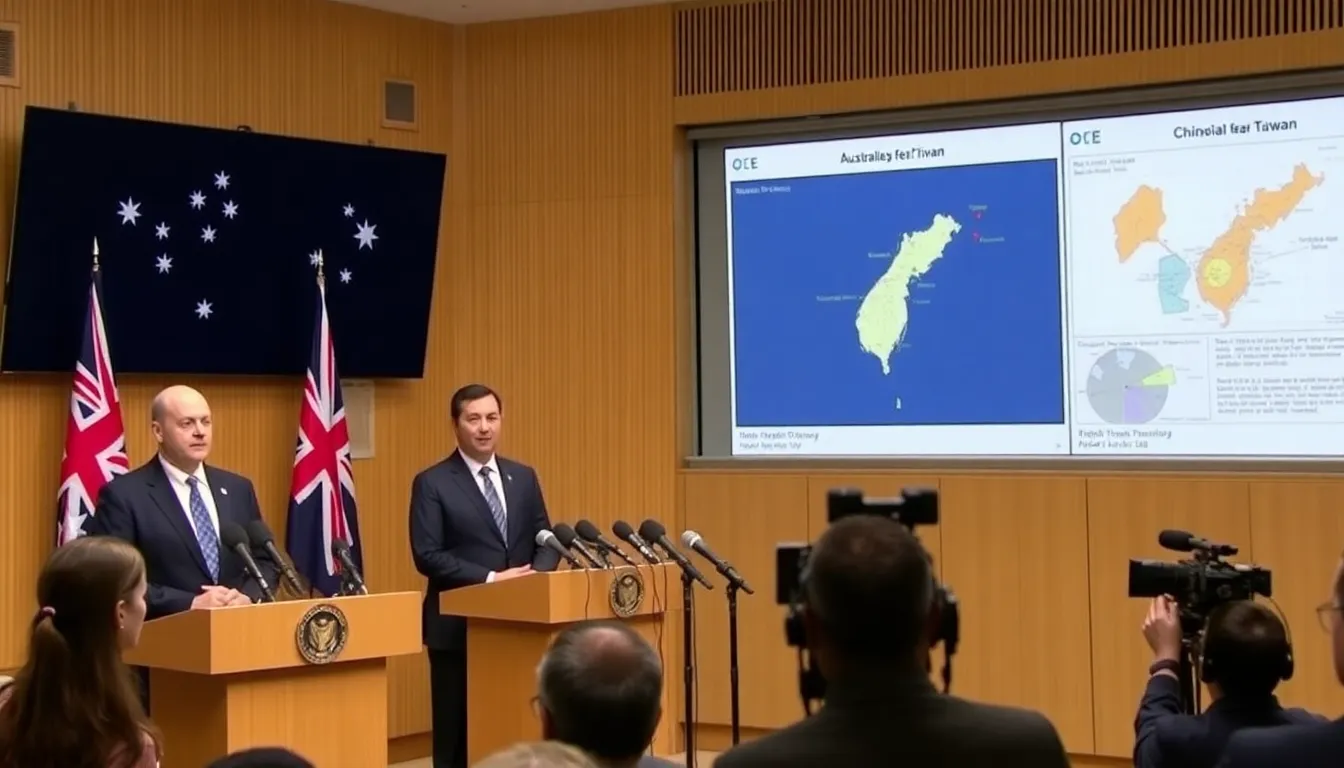
Australia’s government has expressed serious concerns regarding China’s military maneuvers, labeling them as “deeply concerning” and “destabilising.” Australia’s interest lies in maintaining regional stability and upholding international laws governing maritime navigation. As a close ally of the United States, Australia seeks to support a rules-based order in the Indo-Pacific, which it views as essential for its national security and economic interests.
China, on the other hand, views its exercises as a demonstration of sovereignty and military capability. Its interests revolve around asserting control over Taiwan, which it considers a breakaway province, and deterring foreign intervention in its regional affairs. The Chinese government aims to project strength and resolve, particularly in the face of perceived encroachments by foreign powers in its sphere of influence.
The government of Taiwan finds itself in a precarious position, striving to maintain its independence while navigating the complexities of cross-strait relations. Taiwan’s interests include ensuring its security and sovereignty, as well as seeking international support to counterbalance China’s assertiveness. The island’s leadership is keen on strengthening ties with allies like the United States and Australia to bolster its defense capabilities.
- Australia’s commitment to a rules-based order and regional stability.
- China’s emphasis on sovereignty and military deterrence.
- Taiwan’s pursuit of international support and security assurances.
- The role of the United States in supporting allies and countering China’s influence.
- Potential economic repercussions for trade and investment in the region.
Potential consequences for regional stability and international relations
The recent military exercises conducted by China near Taiwan have raised alarms across various sectors in Australia and the broader Asia-Pacific region. Key groups affected include government policymakers, defense industries, international businesses, and local communities engaged in trade and tourism.
In the short term, heightened military activity can lead to increased tensions among neighboring countries, potentially impacting diplomatic relations. This could result in a shift in defense spending for Australia and its allies, as they may feel compelled to bolster their military readiness. Industries such as defense manufacturing may experience a surge in demand for new technologies and equipment, while tourism and trade sectors could face disruptions due to heightened security measures.
In the mid-term, the ongoing situation may influence regional trade agreements and partnerships. Countries may reconsider their economic dependencies on China, leading to a reallocation of supply chains. Businesses in sectors such as technology, agriculture, and manufacturing could either benefit from diversifying their markets or face challenges from increased tariffs and trade barriers.
- Increased defense spending: Governments may allocate more resources to military preparedness.
- Trade disruptions: Heightened tensions could lead to delays in shipping and logistics.
- Shifts in diplomatic relations: Countries may seek new alliances or reinforce existing ones.
- Opportunities for defense industries: Increased demand for military technologies and infrastructure.
While the risks are significant, potential opportunities may arise for nations willing to invest in alternative markets and technologies. Companies that adapt to the changing geopolitical landscape could find new avenues for growth, particularly in defense and security sectors. Additionally, nations that engage in constructive dialogue may foster a more stable regional environment, ultimately benefiting trade and international relations.
A: Australia has publicly condemned the Chinese military exercises and called for restraint to avoid escalating tensions in the region. A: The exercises are viewed as a demonstration of military strength, which could provoke responses from Taiwan and its allies, leading to heightened tensions. A: The situation has strained relations, with Australia reaffirming its commitment to regional security and stability in the face of perceived aggression. A: Taiwan may need to bolster its defense capabilities and seek stronger alliances with other nations to counter the perceived threat from China. A: The international community, particularly the United States and its allies, may increase diplomatic and military support for Taiwan to deter further Chinese aggression.
Frequently asked questions about the situation
Outlook on future developments in the Taiwan region
The recent military exercises conducted by China near Taiwan have raised significant concerns among regional powers, particularly Australia. These activities not only highlight the escalating tensions in the Taiwan Strait but also underscore the potential for miscalculation that could lead to broader conflict in the region. As nations monitor these developments, the implications for security and diplomatic relations in East Asia will be profound.
Moving forward, it is crucial to observe how regional stakeholders respond to these provocations. Increased military readiness, diplomatic engagements, and potential shifts in alliances could shape the geopolitical landscape in the coming months. The situation demands close attention to avoid escalation and to foster stability in the region.
- Watch for potential responses from the United States and its allies, which may involve increased military presence in the region.
- Monitor diplomatic efforts aimed at de-escalation, particularly between China, Taiwan, and neighboring countries.
- Assess the impact of these exercises on Taiwan’s defense posture and its interactions with international partners.
- Consider the implications for trade and economic relations in the Asia-Pacific region as tensions rise.
- Stay informed about public sentiment in Taiwan and how it influences the island’s political landscape and policy decisions.