
Analysis of thousands of Trump’s posts reveals a consistent pattern in his messaging, focusing on themes such as election integrity, immigration, and attacks on political opponents. Since the beginning of 2023, Trump has averaged over 20 posts per week, highlighting his strategy to maintain a dominant voice in the political arena and engage his base. For more insights on how different personalities navigate similar terrains, you can check out the article about Bad Bunny joining Toy Story 5.
Moreover, Trump’s social media activity is not just about rallying support; it also serves as a tool for fundraising and mobilizing grassroots efforts. Events such as his recent rallies in key battleground states have been heavily promoted through his online channels, showcasing the integration of digital strategy into traditional campaign methods.
The implications of Trump’s social media engagement extend beyond his immediate campaign. Analysts note that his posts often shape narratives within the Republican Party, influencing candidates and party officials to align with his viewpoints. This dynamic underscores the importance of social media as a platform for political influence in the current electoral landscape.
The Background of Trump’s Online Presence and Influence
Donald Trump’s rise to political prominence was significantly aided by his strategic use of social media platforms, particularly Twitter. Before his presidency, Trump was already a well-known figure in business and entertainment, but his ability to communicate directly with the public through social media transformed the political landscape. His posts often bypassed traditional media filters, allowing him to craft his narrative and engage with supporters in real-time.
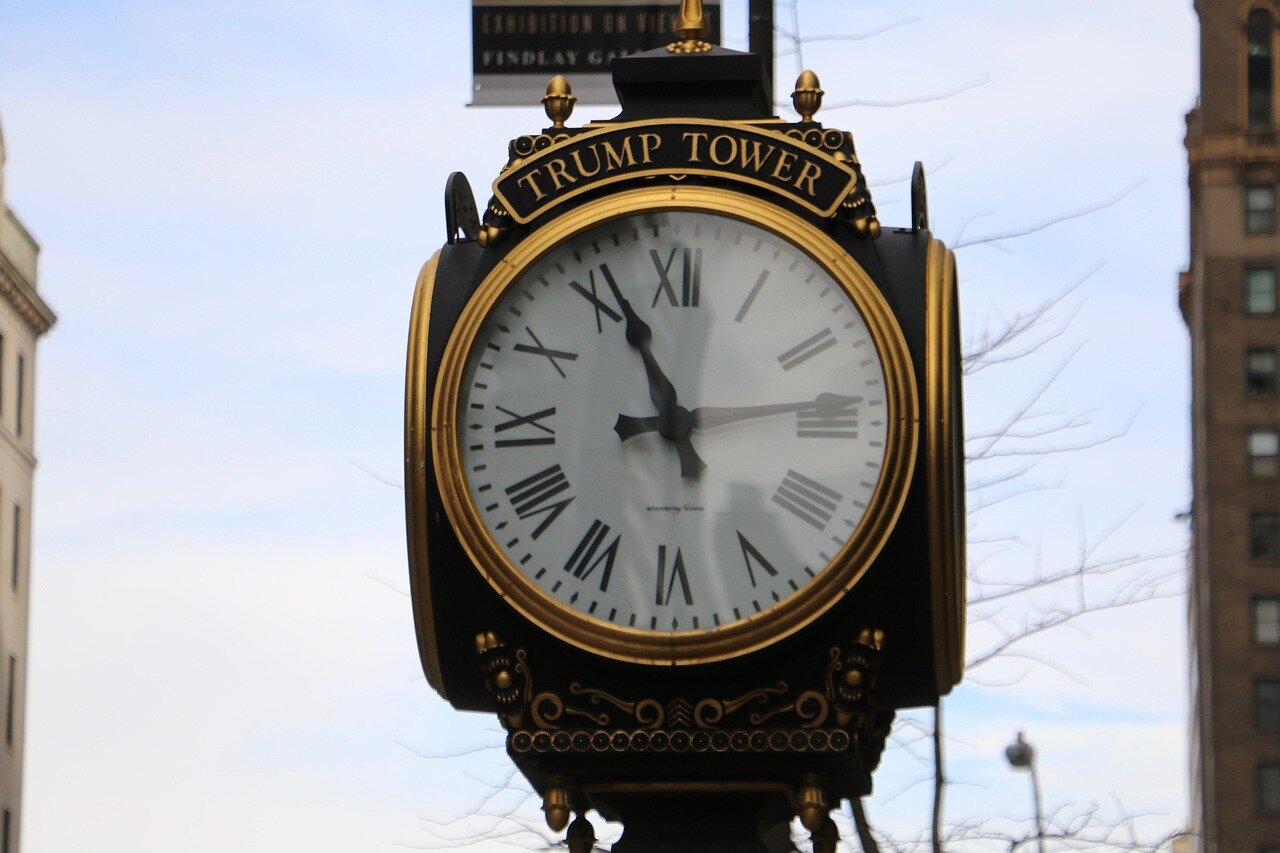
Trump’s online presence began to take shape during his 2016 presidential campaign, where he utilized social media not only to rally his base but also to attack opponents and counter negative press. His tweets became a hallmark of his campaign, often generating headlines and driving the news cycle. This unconventional approach resonated with many voters who felt disillusioned with mainstream media and traditional political communication, much like E Jean Carroll illustrates in her new film discussing life after Trump.
As president, Trump’s Twitter account became a primary source of information for both supporters and critics. His posts ranged from policy announcements to personal attacks, often stirring controversy and debate. This direct line of communication allowed him to maintain a strong connection with his followers, who valued his unfiltered style. However, it also resulted in significant backlash, leading to discussions about misinformation, the role of social media in politics, and the responsibilities of tech companies in moderating content.
The Impact of Social Media on Political Discourse
The influence of Trump’s social media activity extends beyond his own presidency. It has sparked a broader conversation about the implications of social media in political discourse. The rise of digital platforms has changed how politicians interact with constituents and how information is disseminated. Trump’s presidency highlighted both the potential for social media to empower voices and the risks associated with unchecked communication channels, which is similar to NASA’s next steps in establishing information and communication strategies for their explorations.
Key milestones, such as the banning of Trump from major social media platforms after the Capitol riots in January 2021, underscore the ongoing debate about free speech, censorship, and the power dynamics between political figures and social media companies. As we analyze Trump’s posts, it is essential to consider these historical and social contexts that have shaped his online influence and the broader implications for future political communication.
Key Issues and Stakeholders in Trump’s Messaging
In analyzing the thousands of posts made by former President Donald Trump, several key stakeholders emerge, each with distinct interests and perspectives. These stakeholders include Trump’s supporters, political opponents, media organizations, and regulatory bodies. Each group interprets his messaging through their own lens, leading to a complex landscape of reactions and implications.
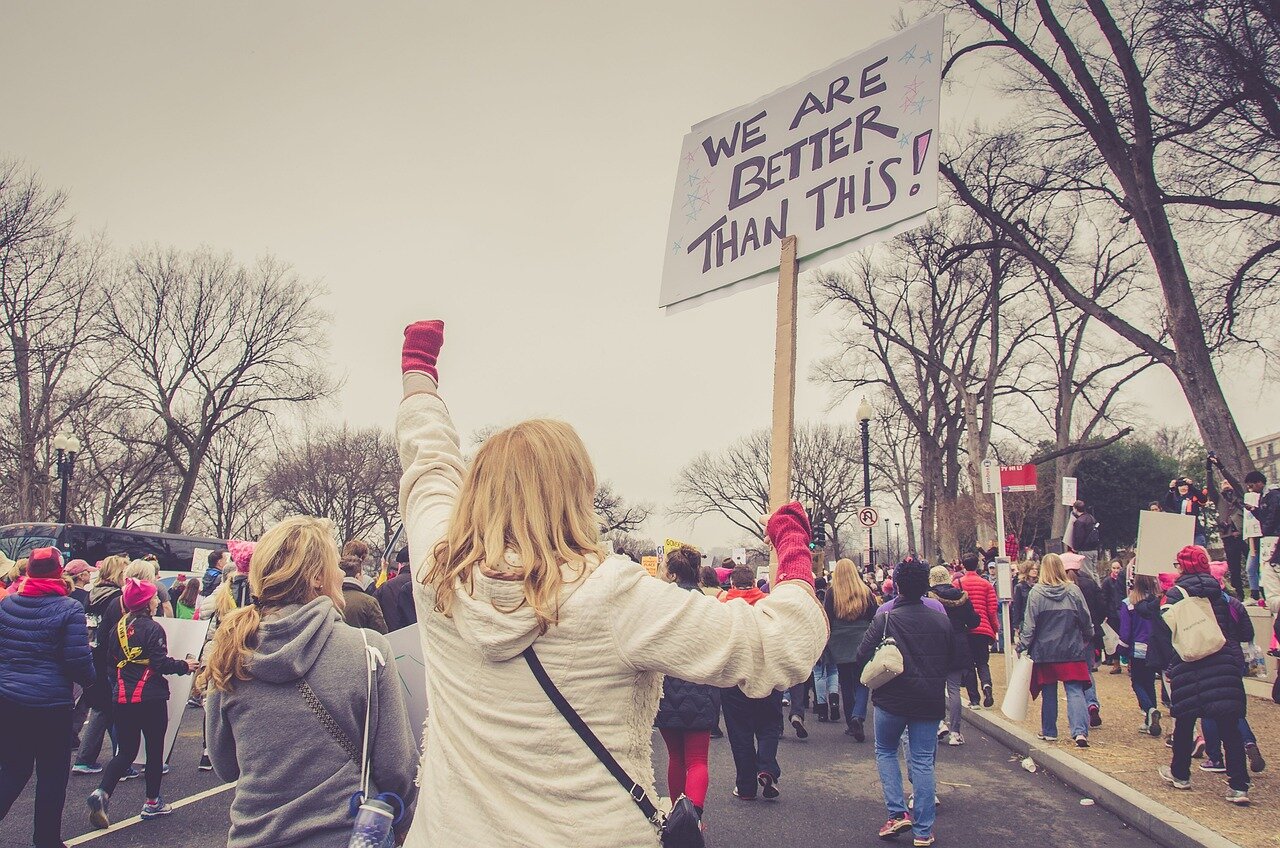
Trump’s supporters, often characterized by a strong loyalty to his brand of populism, are primarily interested in the reinforcement of their beliefs and the mobilization of grassroots activism. They view his posts as a means to challenge the establishment and advocate for policies that resonate with their values, such as immigration reform and economic nationalism.
Conversely, political opponents, including members of the Democratic Party and various activist groups, focus on countering Trump’s narratives and exposing what they perceive as misinformation or divisive rhetoric. This group is particularly concerned about the implications of Trump’s messaging on social cohesion and democratic processes, often highlighting the risks associated with his influence over public opinion.
- Media Organizations: Many media outlets play a critical role in shaping the narrative around Trump’s posts, often focusing on fact-checking and accountability, which can lead to heightened tensions between the former president and the press.
- Regulatory Bodies: Various governmental agencies monitor Trump’s communications for potential violations of laws regarding misinformation and campaign financing, raising questions about the legal boundaries of political speech.
- Economic Implications: Trump’s messaging also has economic ramifications, as his statements can impact stock markets, trade negotiations, and investor confidence, particularly in sectors sensitive to political changes.
The interplay of these stakeholders reveals a landscape fraught with conflicts and trade-offs. For example, while Trump’s supporters may benefit from the mobilization of political capital, such actions can alienate moderate voters and exacerbate polarization. Similarly, the media’s role in scrutinizing Trump’s claims can serve the public interest but may also contribute to a narrative of distrust towards mainstream journalism among his base.
The Impact of Trump’s Posts on Public Opinion and Political Discourse
Trump’s social media presence has a significant impact on various groups, particularly his supporters, political opponents, and undecided voters. His posts often energize his base, leading to increased mobilization for rallies and events. Conversely, they can provoke strong reactions from opponents, creating a polarized environment that affects public discourse.
Industries such as media, technology, and advertising are also influenced by Trump’s online activity. Media outlets may experience spikes in viewership or readership when he makes controversial statements, leading to increased advertising revenue. Technology companies face challenges in moderating content, which can result in policy changes that affect how information is disseminated across platforms.
Regions that lean politically towards Trump may see short-term economic boosts due to increased tourism and local business activity surrounding his events. However, areas that oppose him may experience a backlash, affecting local businesses and community relations. The polarization can also lead to mid-term impacts on policy, as elected officials feel pressured to align with or oppose his viewpoints.
- Short-term impacts: Increased media engagement, local economic fluctuations, heightened political activism.
- Mid-term impacts: Policy shifts, changes in public sentiment, potential electoral consequences.
- Risks: Greater societal division, misinformation spread, potential for violence at political events.
- Opportunities: Enhanced political engagement, growth in niche media markets, innovation in content moderation solutions.
Ultimately, the effects of Trump’s posts extend beyond immediate reactions, shaping the landscape of political communication and influencing the behaviors of various stakeholders in society.
A: The analysis aimed to understand Trump’s communication style, the themes he emphasizes, and how he engages with his audience on social media. A: Thousands of posts were reviewed to provide a comprehensive view of Trump’s online behavior and messaging patterns. A: The analysis revealed trends in Trump’s rhetoric, including the use of certain keywords and topics that resonate with his followers. A: Trump’s posts often reinforce his supporters’ beliefs and create a sense of community, which can significantly influence public opinion. A: Given the evolving political landscape, it is likely that Trump will adapt his social media strategy to maintain engagement and influence.
Frequently Asked Questions About Trump’s Social Media Analysis
Key Takeaways and Future Implications of Trump’s Online Strategy
The analysis of thousands of Trump’s posts reveals a complex interplay between his messaging, audience engagement, and the broader political landscape. As we move forward, it is essential to consider how his online presence continues to shape public discourse and influence voter sentiment. The insights gathered from his social media activity not only reflect his immediate strategies but also indicate potential shifts in political communication dynamics.
Understanding these patterns can provide valuable foresight into upcoming electoral strategies and the evolving role of digital platforms in political campaigning. Observers should remain vigilant about how Trump’s approach may adapt in response to changing public opinion and technological advancements.
- Engagement Patterns: Monitor how Trump’s posts resonate with different demographics, as this could inform future campaign strategies.
- Messaging Evolution: Pay attention to shifts in tone and content, which may signal adjustments in his political positioning.
- Platform Dynamics: Watch for changes in platform policies that may affect Trump’s ability to communicate directly with his audience.
- Impact on Voter Mobilization: Analyze how his online rhetoric influences voter turnout and engagement in upcoming elections.