
NASA plans to launch the first components of the Gateway in 2024, which will serve as a hub for astronauts and equipment, creating a crucial infrastructure for lunar exploration.
Additionally, NASA is focusing on the Artemis III mission, scheduled for 2025, which aims to land astronauts, including the first woman and the next man, on the Moon’s south pole. This mission will lay the groundwork for the Moon base by testing technologies and conducting scientific research in the region, which is believed to contain valuable resources such as water ice.
The establishment of a permanent base on the Moon is seen as a stepping stone for humanity’s future in space, similar to the ambitious goals outlined in the Artemis program.
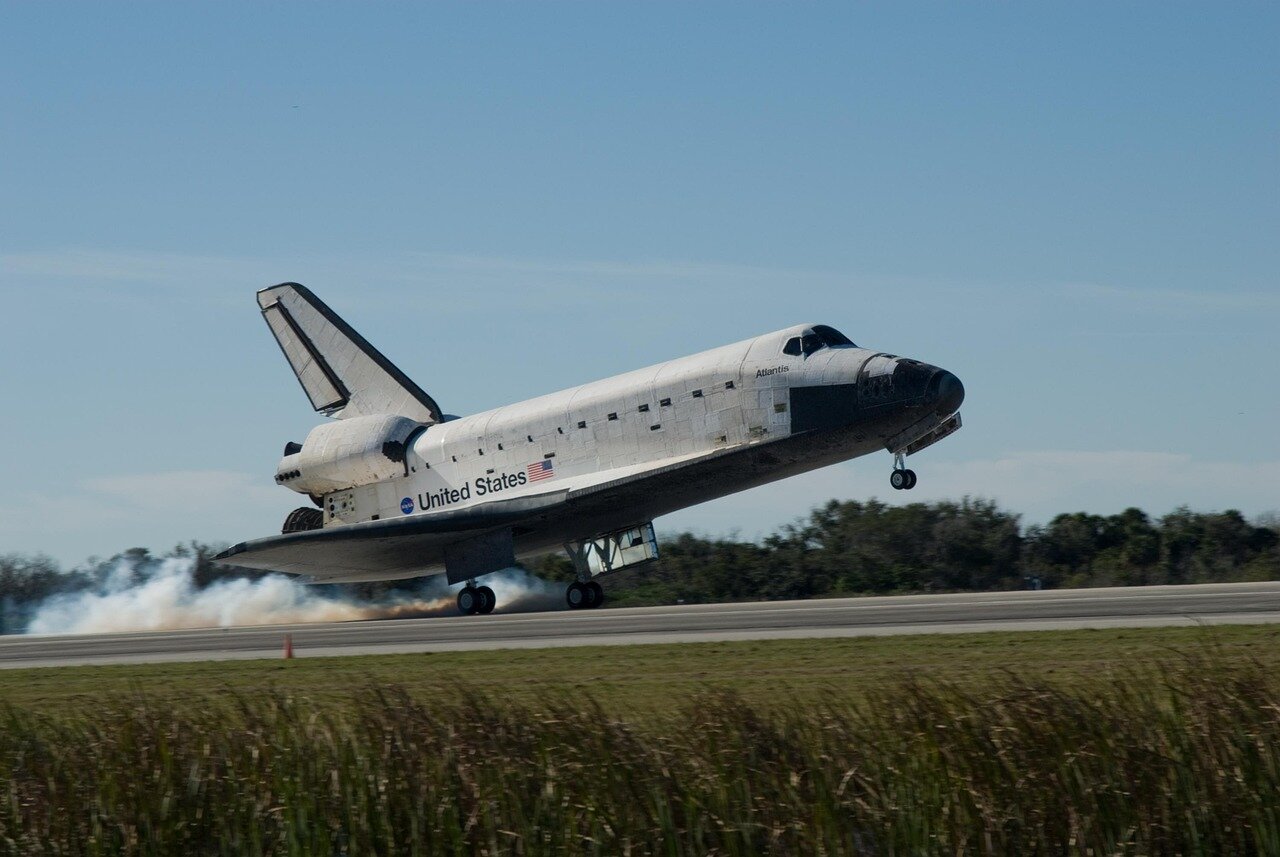
Understanding the significance of lunar exploration
Lunar exploration has long captured the imagination of scientists, engineers, and the public alike. The Moon, Earth’s closest celestial body, offers a unique opportunity to study the origins of our planet and the broader solar system. Historically, the space race of the 1960s, culminating in the Apollo 11 mission, marked a pivotal moment in human exploration, as astronauts first set foot on the lunar surface. This achievement not only demonstrated technological prowess but also ignited global interest in space exploration.
In recent years, renewed interest in lunar exploration has emerged, driven by advancements in technology and a growing recognition of the Moon’s potential as a resource hub. Nations around the world, including the United States, China, and Russia, have announced ambitious plans to return to the Moon, focusing on establishing sustainable human presence. The geopolitical landscape has shifted, with space becoming a new frontier for international collaboration and competition.
Key milestones in lunar exploration
Several key milestones have paved the way for NASA’s recent announcement regarding the construction of a permanent Moon base. The Artemis program, launched in 2019, aims to land “the first woman and the next man” on the lunar surface by the mid-2020s, serving as a stepping stone for future Mars missions. In parallel, international partnerships, such as the Lunar Gateway project, emphasize collaboration among space agencies to create a sustainable lunar ecosystem.
The Moon is believed to harbor valuable resources, including water ice and rare minerals, which could support long-term human habitation and fuel future space missions, contributing to the economic prospects highlighted in the development of space infrastructure.

Ultimately, the ongoing efforts to establish a permanent Moon base reflect a broader vision of humanity’s future in space. By building on the achievements of the past and leveraging current technological advancements, space agencies aim to create a sustainable presence on the Moon, fostering scientific discovery and inspiring future generations to explore the cosmos.
Key stakeholders and their roles in lunar base development
The endeavor to establish a permanent Moon base involves a diverse array of stakeholders, each with distinct interests and motivations. Central to this initiative is NASA, which aims to expand human presence beyond Earth and foster scientific research and technological advancements. However, other actors, including private companies, international space agencies, and governments, play significant roles in shaping the future of lunar exploration.
Private companies such as SpaceX and Blue Origin are crucial stakeholders, driven by the potential for commercial opportunities in space. Their interests include developing launch systems and technologies that can facilitate transportation to the Moon, as well as creating infrastructure that could support lunar mining and tourism. This burgeoning space economy introduces both competition and collaboration among these firms, influencing the pace and nature of lunar development.
International collaboration is another key aspect of lunar base development. Countries such as China, Russia, and members of the European Space Agency have expressed interest in lunar exploration. These nations may pursue their own lunar projects or seek partnerships with NASA and private enterprises. However, competing national interests could lead to conflicts over resources, territorial claims, and technological access, raising important legal and diplomatic questions.

- Resource Utilization: The Moon is believed to have valuable resources, including water ice and rare minerals, which could be contested by various stakeholders.
- Regulatory Framework: The Outer Space Treaty and other international agreements may need to be revisited to address new challenges posed by lunar colonization.
- Economic Investments: The financial implications of building a lunar base could strain budgets and require new funding models, balancing public and private investment.
- Technological Innovation: The race to develop new technologies for lunar habitation could create both opportunities and risks, including cybersecurity concerns.
- Public Perception: The success of the lunar base initiative may depend on public support, which can influence governmental funding and policy decisions.
As these stakeholders navigate their interests and the associated challenges, the development of a permanent Moon base will likely reflect a complex interplay of cooperation and competition, ultimately shaping humanity’s future in space.
Potential impacts on science, technology, and international collaboration
The unveiling of NASA’s plans to establish a permanent Moon base is set to influence a variety of groups and industries. Key stakeholders include space agencies, private aerospace companies, scientists, and researchers. Additionally, educational institutions and technology firms focused on space-related innovations will also be significantly impacted.
In the short term, there will be a surge in demand for skilled labor in sectors such as engineering, robotics, and materials science. Companies that specialize in aerospace technology, construction, and logistics will likely see increased investment and job opportunities. Regions with existing aerospace hubs, such as California, Florida, and Texas, may experience economic boosts as contracts and collaborations emerge.
Mid-term impacts could manifest in changes to public policy and funding allocations. Governments may prioritize space exploration initiatives, leading to enhanced international collaborations between nations. This could foster a competitive yet cooperative environment, potentially benefiting global scientific research and technological advancements.
- Opportunities: Growth in the aerospace industry and job creation.
- Risks: Increased competition for resources and potential geopolitical tensions.
- Technological advancements: Innovations developed for lunar missions may have applications on Earth.
Moreover, the establishment of a Moon base could inspire educational programs focused on STEM fields, encouraging a new generation of scientists and engineers. Communities may also engage in discussions about the ethical implications of space colonization, leading to a more informed public discourse on the responsibilities that come with such advancements.
A: The Moon base aims to support long-term human presence on the Moon, facilitating scientific research and serving as a launch point for missions to Mars and beyond. A: Nasa plans to begin construction in the coming years, with specific timelines dependent on funding and technological advancements. A: Funding will come from a combination of government budgets, international partnerships, and potential private sector investments. A: The base will utilize advanced construction technologies, including 3D printing and robotics, to create sustainable habitats using lunar materials. A: Nasa is collaborating with various international space agencies, private companies, and academic institutions to leverage expertise and resources.
Frequently asked questions about the Moon base project
Future outlook for lunar exploration and base establishment
The recent announcement by NASA regarding the next steps for establishing a permanent Moon base marks a significant milestone in lunar exploration. This initiative not only aims to enhance our understanding of the Moon but also serves as a stepping stone for future missions to Mars and beyond. As nations and private entities rally around space exploration, the implications of this endeavor extend far beyond scientific discovery.
International collaboration, technological advancements, and sustainable practices will play crucial roles in the success of the Moon base project. Observers should remain attentive to developments in partnerships between governments and commercial space companies, as these alliances could redefine the landscape of space exploration.
- Technological Innovation: Watch for advancements in life support systems and habitat construction technologies that will emerge from this initiative.
- International Collaboration: The potential for global partnerships may lead to shared resources and knowledge, fostering a cooperative approach to space exploration.
- Commercial Opportunities: Increased interest in lunar resources could stimulate a new era of commercial ventures in space mining and tourism.
- Sustainability Focus: The emphasis on sustainable practices will likely influence future missions, setting a precedent for environmentally responsible exploration.
- Educational Impact: Enhanced interest in lunar missions may inspire a new generation of scientists and engineers, shaping the future workforce in STEM fields.